

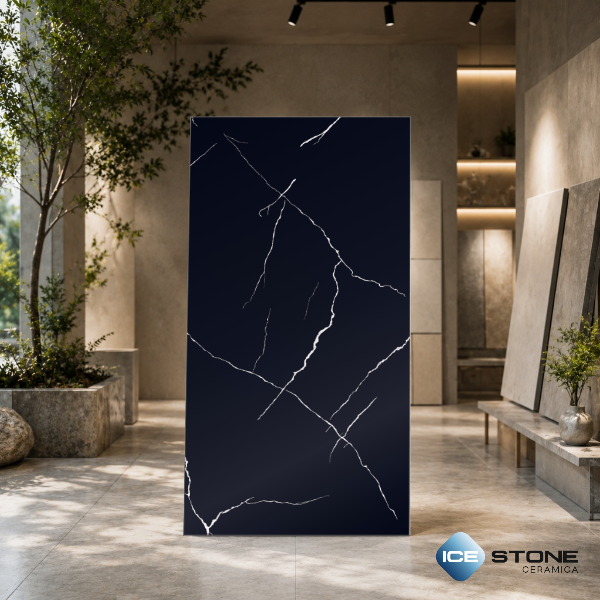
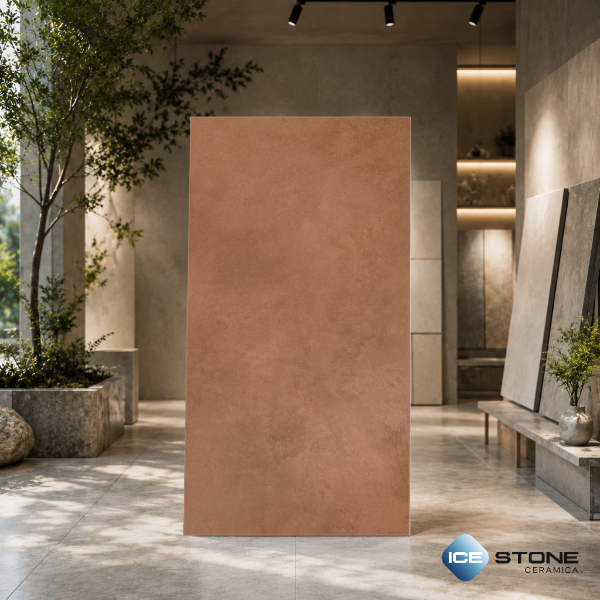
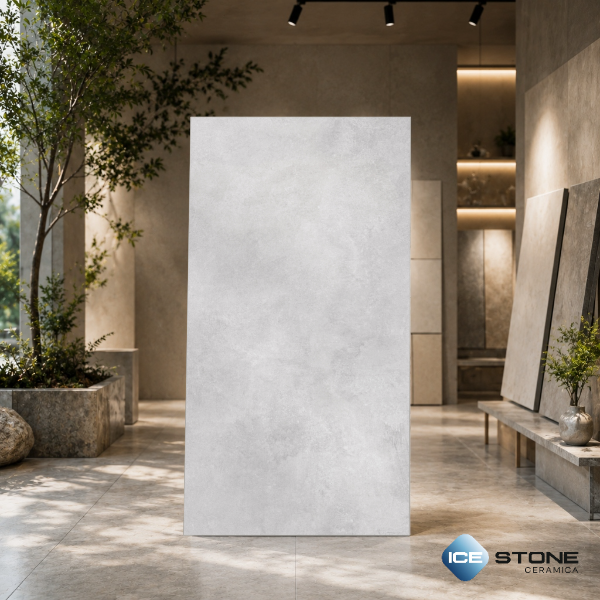
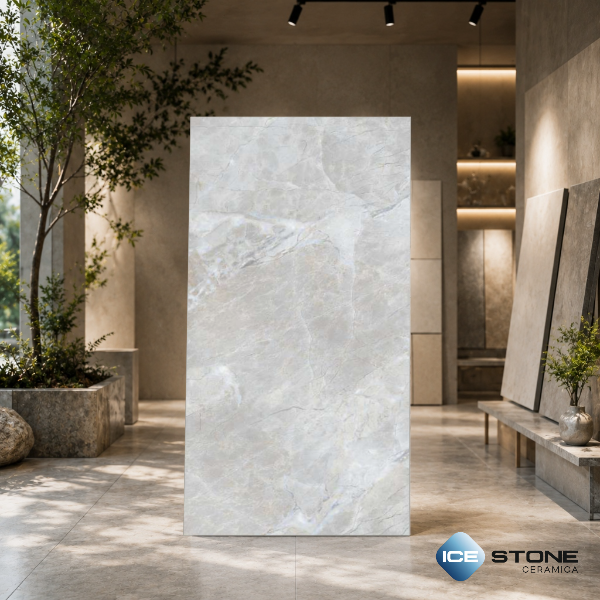
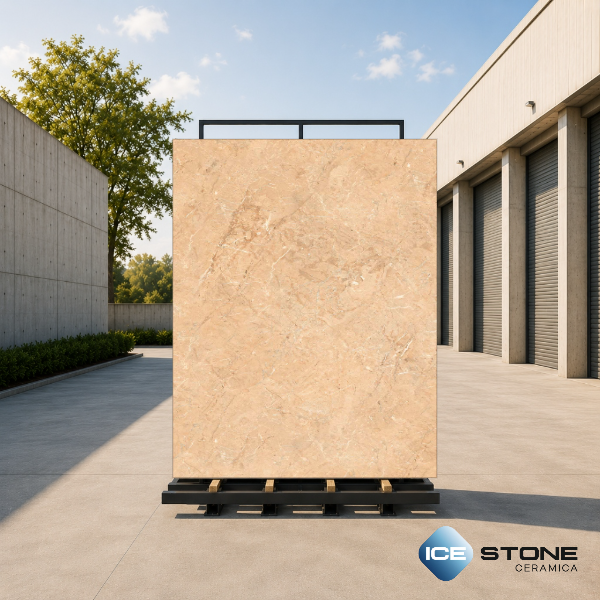
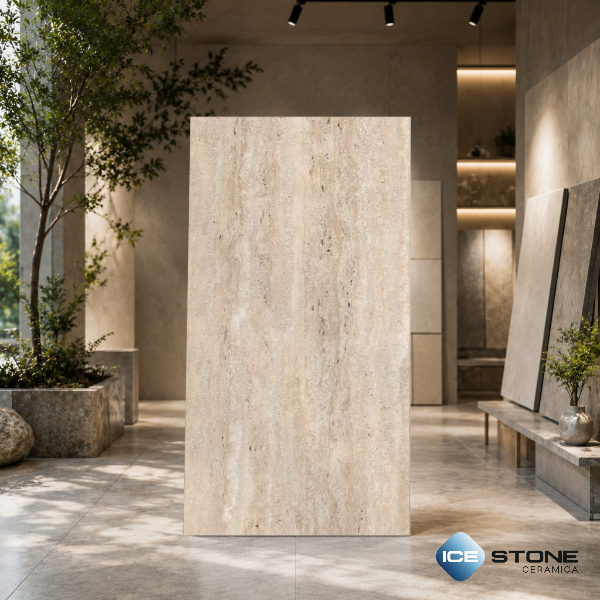
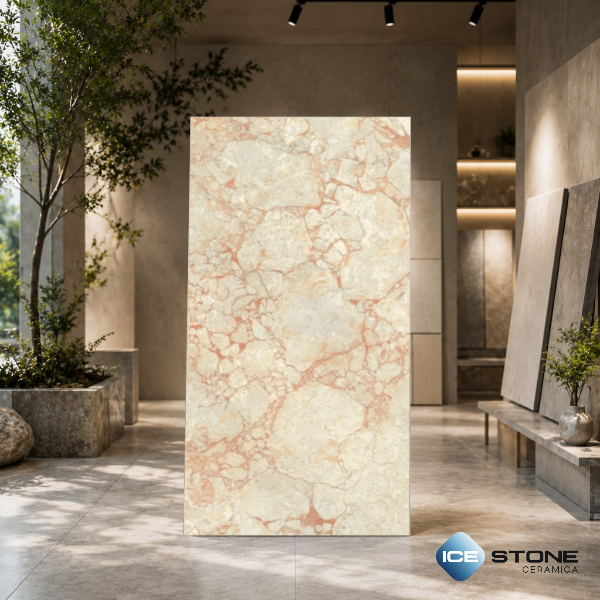
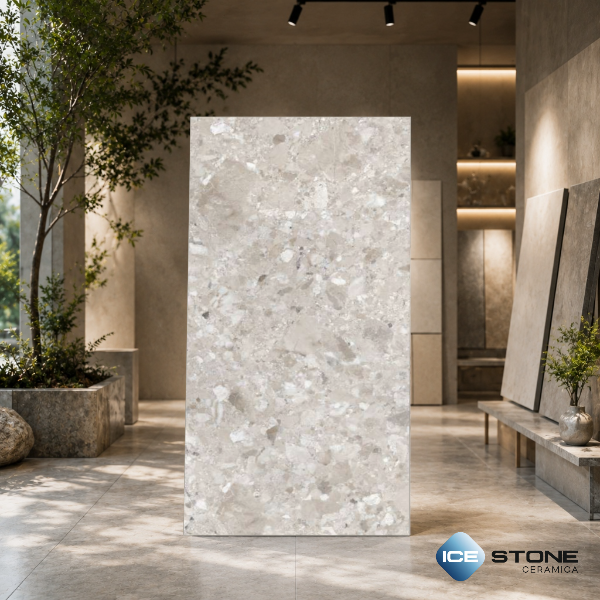
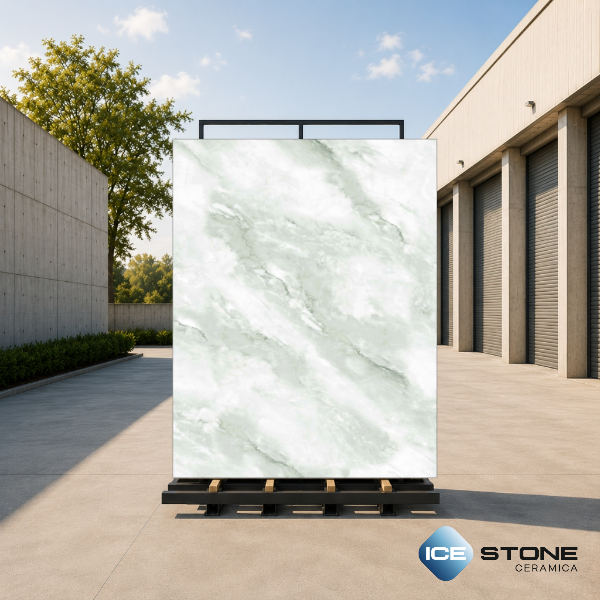
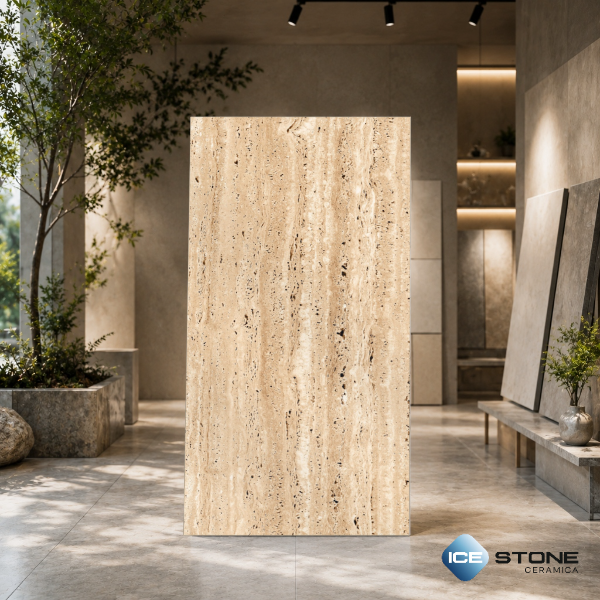
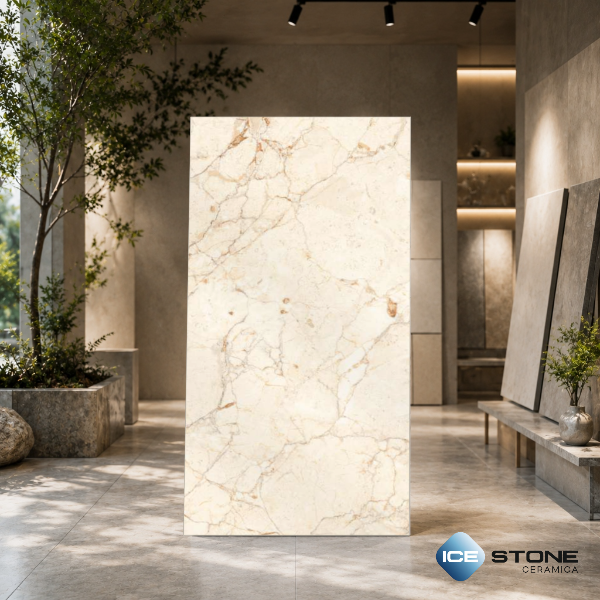
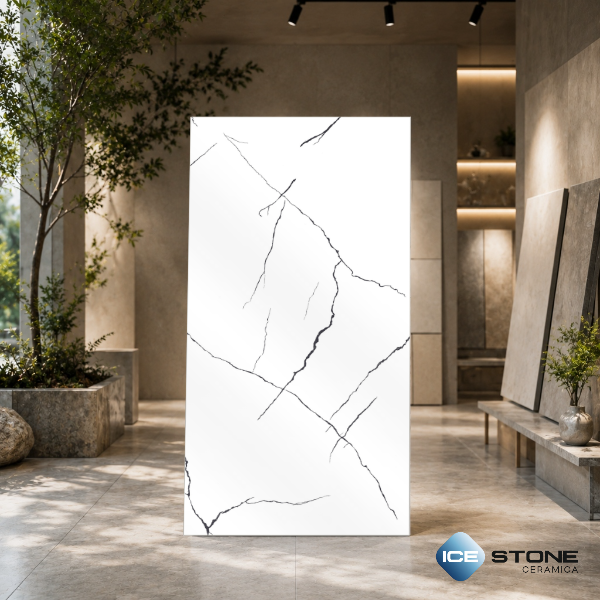
Bathroom walls face a different set of demands than any other room in the house — constant moisture, steam, and splashing mean the tile you choose needs to work as hard as it looks good. At Icestone Ceramica, our bathroom wall tile range covers every popular design, colour, and finish, built specifically to handle daily water exposure without staining, peeling, or losing its shine over time. Explore our full range of Wall Tiles for every other design and room in the home.
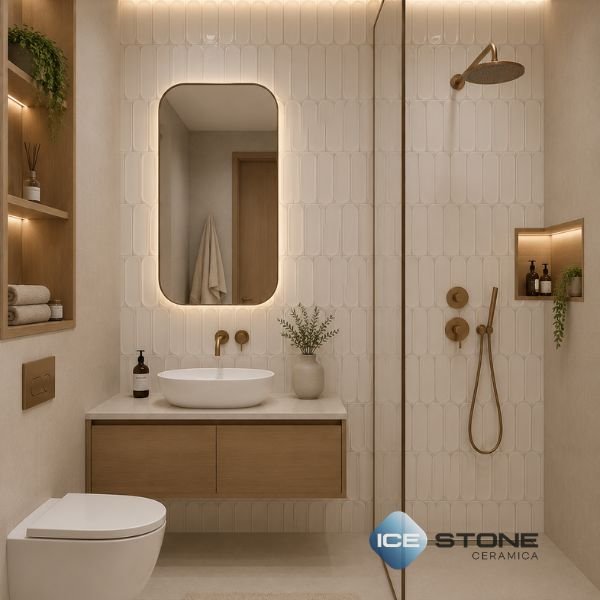
Best Tiles for Bathroom Walls
Ceramic remains the most common and budget-friendly choice for bathroom walls, offering solid water resistance at a lower price point than denser alternatives. Porcelain steps this up further with even lower water absorption, making it a stronger choice for bathrooms that see heavy daily use. Glass mosaic tiles are a popular option for accent areas — shower niches, feature strips, or a full statement wall — since their reflective surface adds brightness to what’s often a smaller, enclosed room. Whichever material you choose, a glossy or semi-glossy finish tends to work best on bathroom walls specifically, since it’s easier to wipe clean than a heavily textured surface and helps bounce light around a room that doesn’t always get much natural sunlight.
Choosing Between Full-Height and Half-Wall Tiling
Not every bathroom needs to be tiled floor-to-ceiling, and half-wall tiling — covering the lower portion of the wall up to roughly chair-rail or shoulder height, with paint or a different finish above — has become a popular middle ground. This approach protects the areas most exposed to splashing water and everyday contact while cutting down on both material cost and installation time compared to a full-height application. It also opens up more design flexibility, since the tiled lower section can carry a bolder colour or pattern while the painted upper wall keeps the room feeling open rather than fully enclosed in tile. Full-height tiling remains the safer choice for shower enclosures and areas with heavier, more direct water exposure, where the added protection genuinely matters.
Popular Bathroom Wall Tile Designs
Modern & Simple Designs
Clean lines, large-format tiles, and minimal grout lines define the modern bathroom look, often paired with a single neutral tone rather than a busy pattern. Simple designs lean even further into this — plain, single-colour tiles with little to no surface pattern — which tend to suit smaller bathrooms particularly well, since they avoid visually crowding a compact space.
Floral & Decorative Designs
Floral motifs and decorative border strips bring a softer, more traditional character to a bathroom, typically used as an accent band rather than across the entire wall. This approach lets a bathroom feel personalised and detailed without the maintenance concerns of an all-over busy pattern.
Black & White Designs
Classic black-and-white combinations remain a strong choice for bathrooms, whether through a checkerboard floor-to-wall pairing, a bordered design, or simply white walls with black accent trim. The high contrast reads as clean and timeless, working equally well in both compact and larger bathrooms.
3D Designs
Raised or sculpted 3D tiles add genuine texture and depth to a bathroom wall, most effective when used on a single feature wall — behind a vanity or within a shower recess — rather than the entire room. The interplay of light and shadow across the surface gives even a small bathroom a distinct, premium character.
Popular Colours for Bathroom Wall Tiles
Grey remains the most requested colour for bathroom walls, valued for hiding water spots and everyday marks better than a stark white. White tiles brighten smaller bathrooms and pair with almost any fixture colour, while black and blue tones are typically used as accents or feature-wall colours rather than covering an entire room, given how much visual weight they carry in an enclosed space. Warmer neutrals like beige, cream, and brown suit bathrooms going for a softer, spa-like feel over a crisp, modern one.
Bathroom Wall & Floor Tile Combinations
Coordinating wall and floor tiles is especially common in bathrooms, where a cohesive look can make even a small room feel larger and more intentional. A frequent approach is keeping the floor in a plain, textured neutral for slip resistance and easy cleaning, while letting the wall carry more colour, pattern, or a glossy finish. In smaller bathrooms, using the same or a very closely matched tile on both floor and wall removes the visual break between the two surfaces entirely, which is one of the simplest ways to make a compact bathroom read as more spacious.
Sizes & Price of Bathroom Wall Tiles
Bathroom wall tiles commonly come in 300×600mm and 600×600mm formats, both well suited to standard bathroom wall heights and fixture layouts, while larger formats are increasingly used for bigger or more open bathroom designs.
| Tile Size | Approx. Price (₹/Sq. Ft.) |
|---|---|
| 300 × 600 mm | ₹67 – ₹75 |
| 600 × 600 mm | ₹55 – ₹83 |
| 600 × 1200 mm | ₹62 – ₹81 |
| 1200 × 1800 mm | ₹125 – ₹150 |
Note: Prices are approximate and vary by design, finish, and collection. Check individual product pages or contact our team for current pricing and box rates.
Small Bathroom Wall Tile Ideas
Small bathrooms benefit most from tiles that visually stretch the space rather than shrink it — lighter colours, larger-format tiles with fewer grout lines, and glossy finishes that reflect available light all help here. Vertical-lay layouts, where rectangular tiles are installed running upward rather than horizontally, can also make ceilings feel higher in a compact bathroom. Where a bolder design is wanted, confining it to a single accent wall or a narrow feature strip keeps a small bathroom from feeling visually crowded, while the surrounding walls stay in a calmer, plainer tone.
Installing Bathroom Wall Tiles
Bathroom wall tiles are laid using a water-resistant tile adhesive suited to wet-area applications, applied to a clean, fully cured wall surface before the tiles are set with spacers for consistent grout lines. Getting the layout pattern right before starting — whether a straightforward grid, a brick-lay offset, or a herringbone arrangement — matters more in bathrooms than most rooms, since fixtures like taps, shower heads, and niches need to be planned around from the very first row. A waterproof, mould-resistant grout is essential for bathroom applications specifically, given how often the surface stays damp, and standard tile thickness for bathroom walls typically runs 6–8mm.
Cleaning & Maintaining Bathroom Wall Tiles
Routine bathroom wall tile care is straightforward — a quick wipe-down with a soft cloth or sponge after showers helps prevent water spots and soap scum from building up, while a weekly clean with a mild, pH-neutral cleaner keeps the surface looking fresh. A soft-bristled cleaning brush works well for grout lines and textured tiles where a flat cloth can’t reach, without scratching the glaze the way a stiff or abrasive brush might. For tougher soap scum or mineral buildup, a diluted vinegar solution can help, though it’s worth avoiding on natural stone-look finishes, where the acidity can dull the surface over repeated use.