
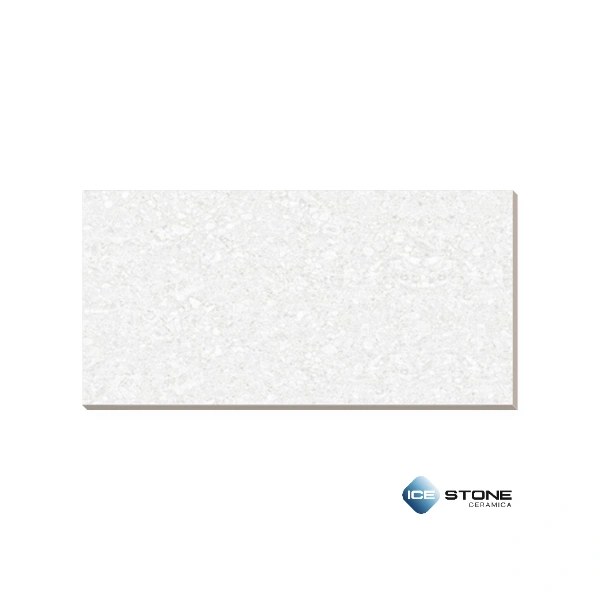
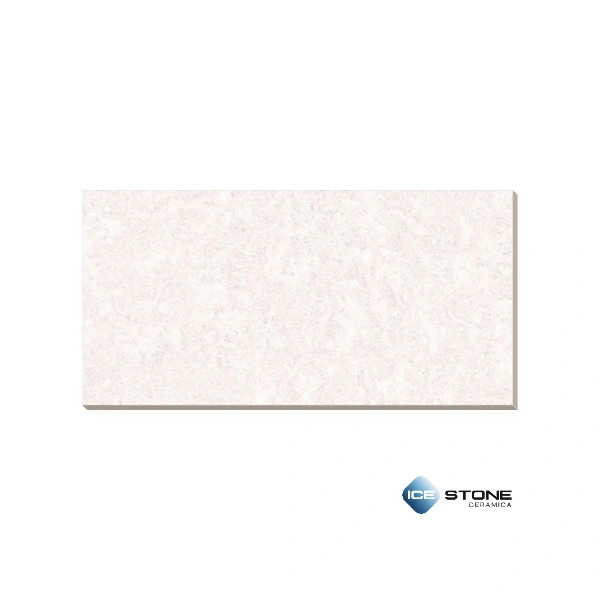
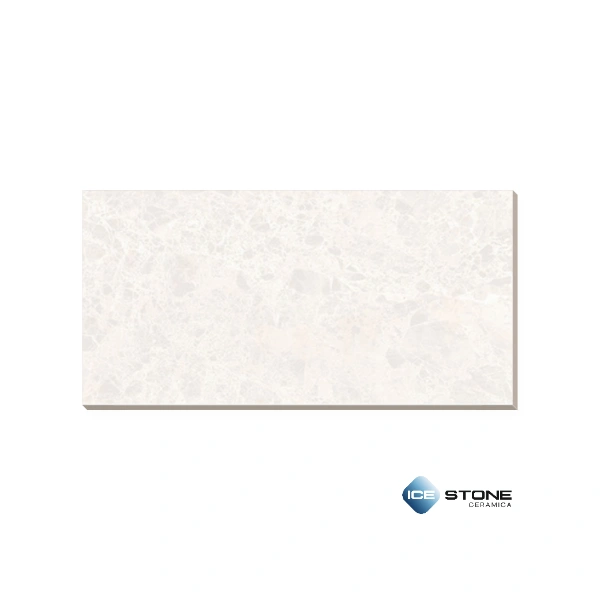
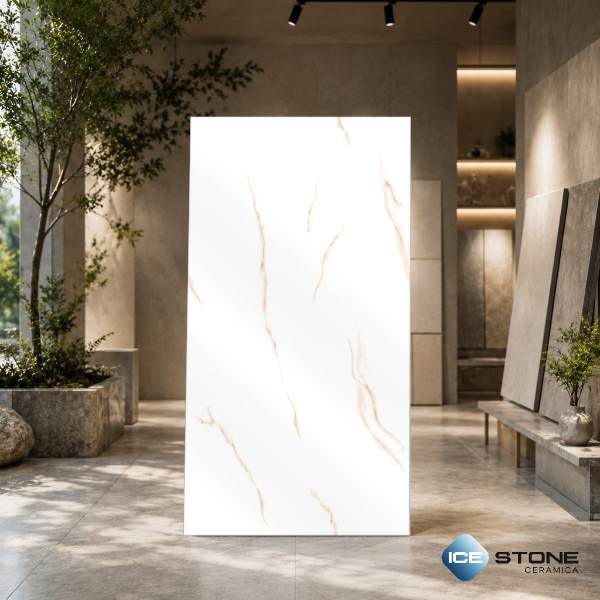
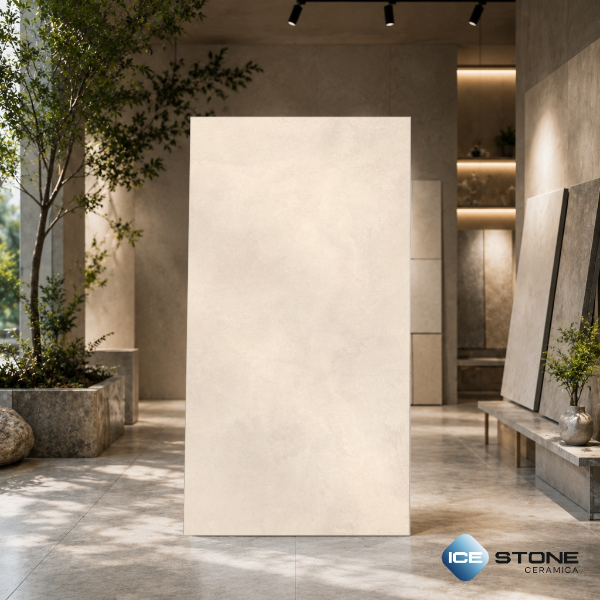
Ivory tiles sit in that rare sweet spot between white and beige — bright enough to open up a room, warm enough to never feel clinical. That balance is exactly why the shade keeps showing up in 2026 interior forecasts alongside creamy neutrals and soft taupe tones and why so many homeowners searching for “ivory colour tiles” are really asking one question: will this tone actually work in my space, and what will it cost me?
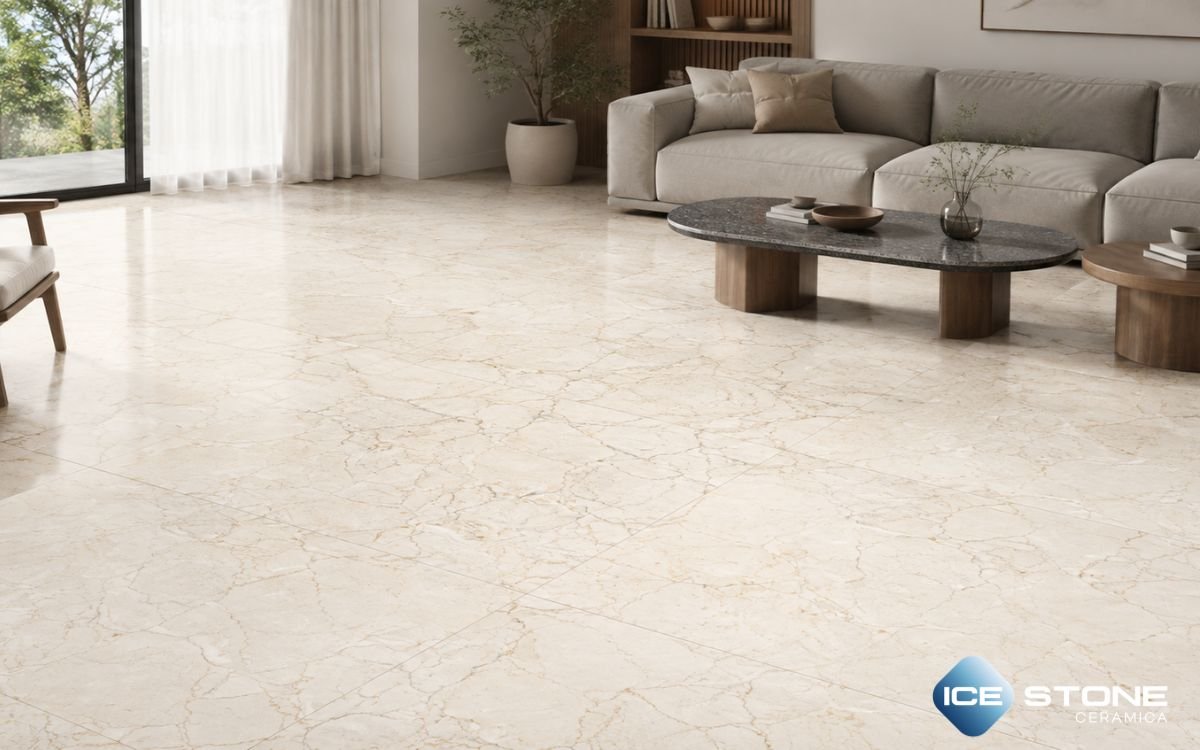
What Are Ivory Tiles?
Ivory is a warm off-white — closer to the colour of aged ivory or unbleached linen than to a bright, blue-toned white. In tiling, “ivory colour tiles” usually describes a base tone that reads clean and neutral in photos but feels noticeably softer and warmer than stark white once it’s installed under real-world lighting.
That warmth is the whole appeal. Pure white floors and walls can feel sterile, especially in rooms with a lot of natural light or minimal decor. Ivory keeps the same sense of brightness and spaciousness but adds a faint golden or beige undertone that makes a room feel lived-in rather than clinical — which is also why the shade complements almost every other palette in a home rather than fighting with it.
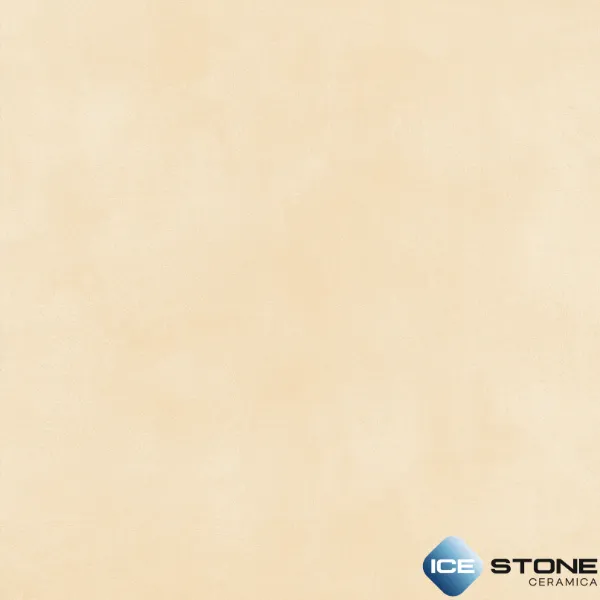
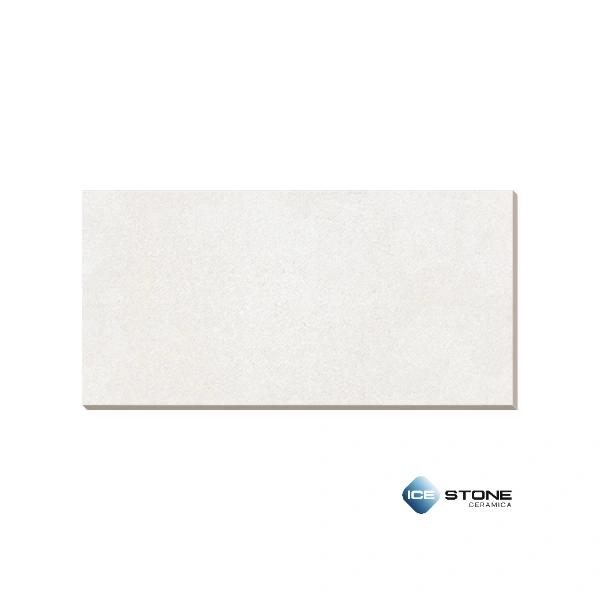
Plain Ivory Tiles
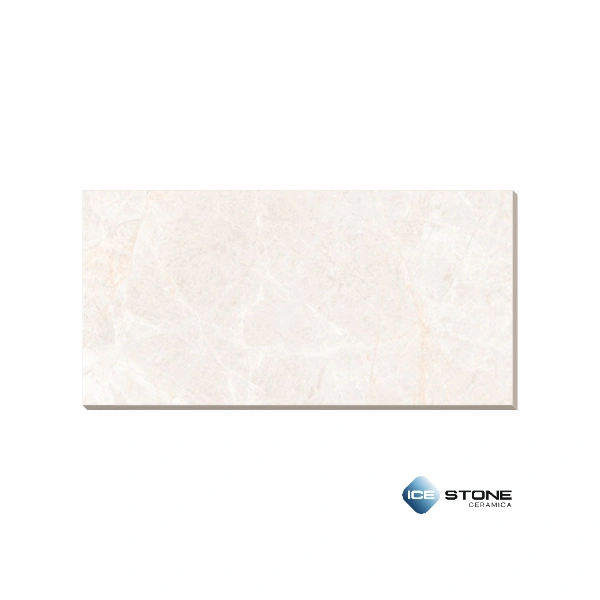
A flat, solid ivory surface with no pattern — the most requested version for anyone who wants the colour to recede into the background and let furniture, art, or architecture take the visual lead. It’s a common pick for accent-wall backdrops, minimalist interiors, and any space where the client wants a calm, uncluttered base.
Ivory Tile Texture and Finish Options
“Ivory tile texture” is one of the more searched aspects of this colour, and for good reason—the finish changes the tile’s entire character, even though the underlying colour stays the same.
Matt/Matte Ivory Tiles
A soft, low-sheen surface that mutes glare and hides footprints and water spots better than a glossy tile. Matt finishes also tend to read slightly warmer, since they don’t bounce cool, reflective light the way glossy surfaces do. This is the more popular choice for ivory floor tiles in living rooms and bedrooms.
Glossy Ivory Tiles
A polished, reflective surface that amplifies brightness and makes small rooms feel larger by bouncing light around. Works well on kitchen and bathroom walls, though it can show water spots and scuffs more readily on floors.
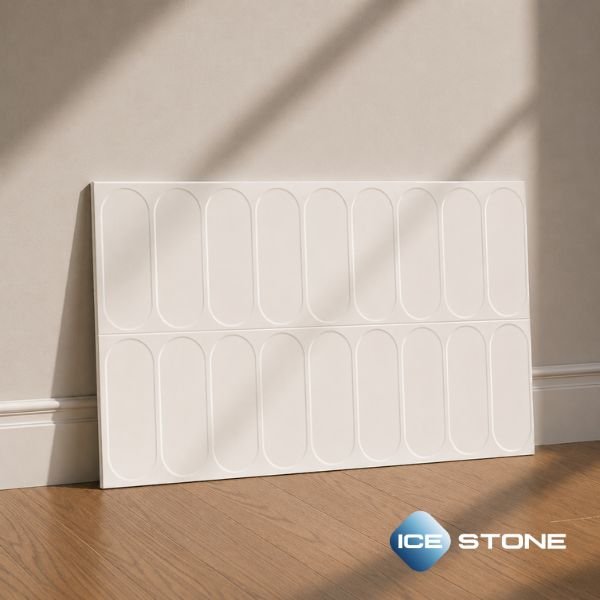
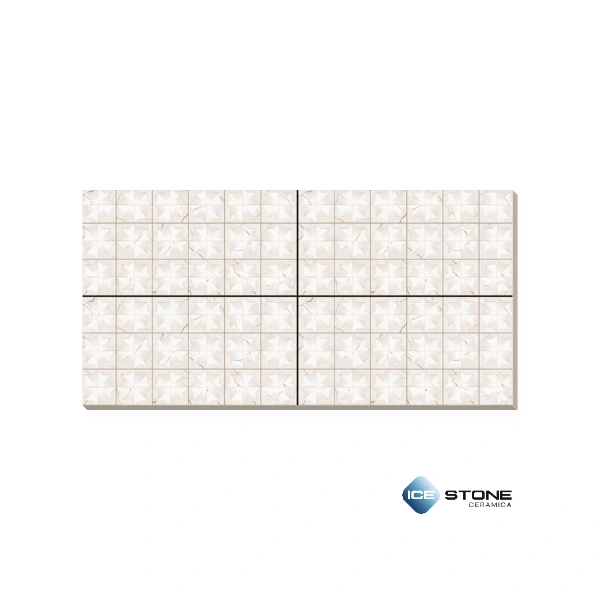
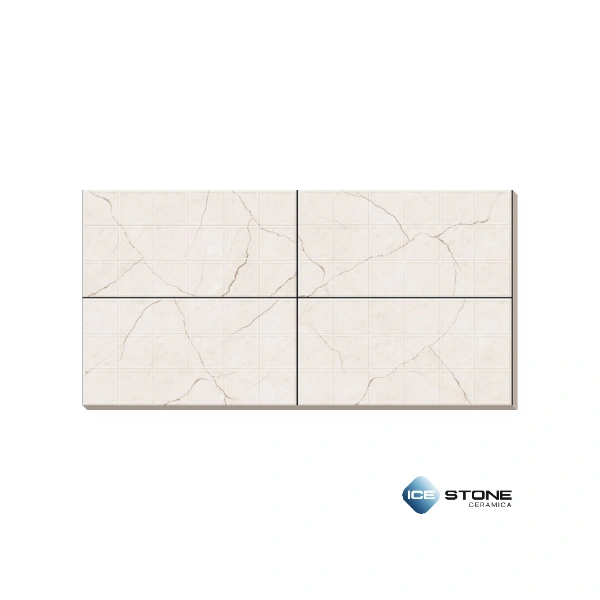
Textured/Carved Ivory Tiles
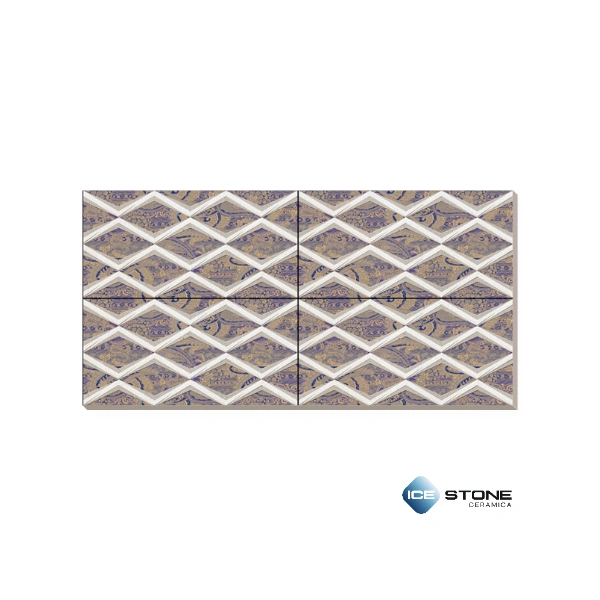
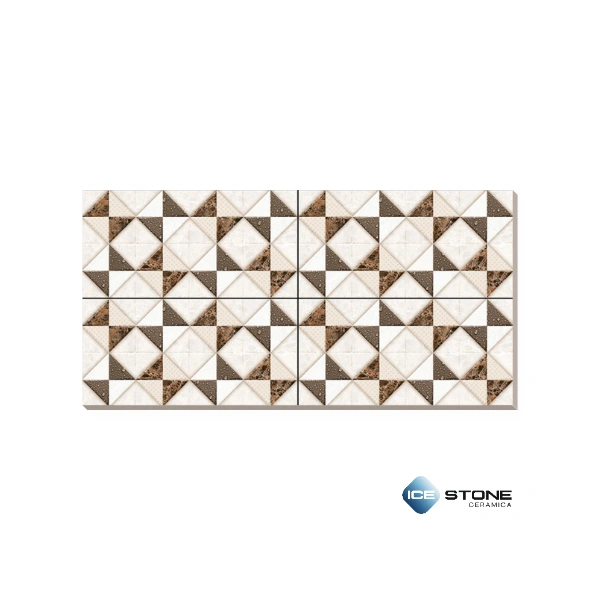
Tiles with a raised or embossed surface pattern (often marble-vein, stone, or geometric texture) that add tactile depth without introducing a strong secondary colour. Popular for elevation walls, feature panels, and outdoor-facing surfaces where slip resistance also matters.
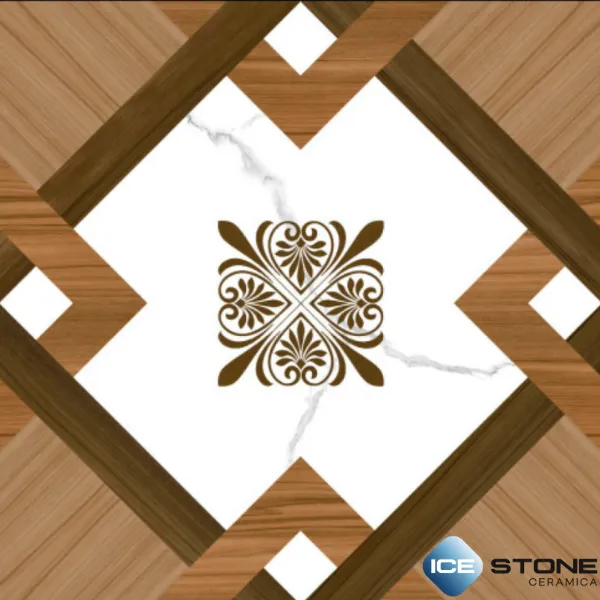
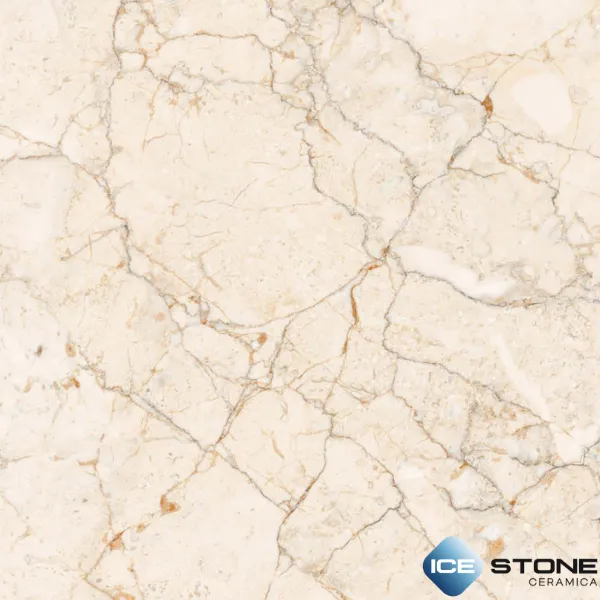
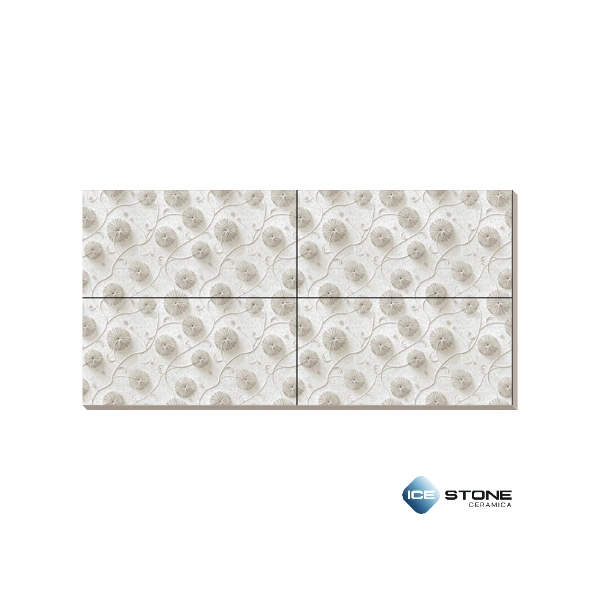
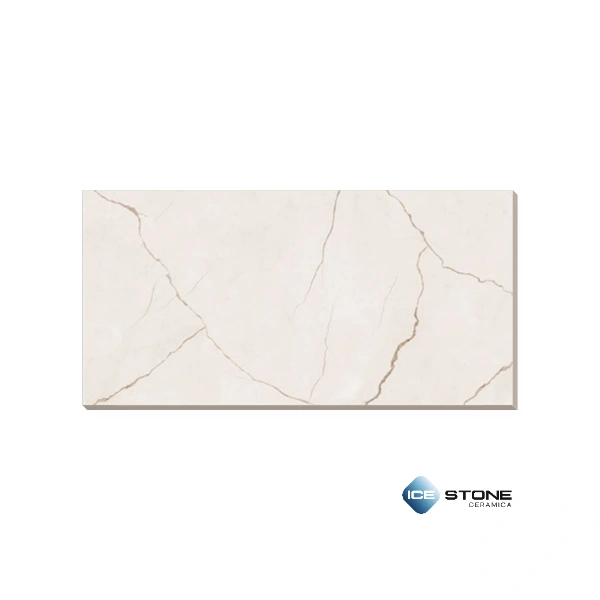
Marble-Look and Vein-Textured Ivory Tiles
A digitally printed ivory-and-gold or ivory-and-grey vein pattern that mimics natural marble at a fraction of the cost and maintenance. These sit at a slightly higher price point than plain ivory but are a common upgrade for feature walls and premium interiors.
Ivory Floor Tiles: Where the Colour Works Best
Ivory floor tiles show up across almost every room type, but the reasoning shifts slightly depending on where they’re installed.
Living Rooms and Bedrooms
This is where ivory colour floor tiles are used most often. The tone keeps the room bright without the coldness of white, and it gives furniture, rugs, and wall colours a neutral canvas that rarely needs to be replaced when decor changes.
Kitchens and Dining Areas
Ivory floor tiles reflect enough light to keep prep areas well-lit, while matt or textured finishes help mask everyday spills and foot traffic better than a stark white floor would.
Bathrooms
A warm ivory floor tile paired with a glossy wall tile is a common way to keep a bathroom feeling bright and spa-like rather than institutional white.
Parking and Outdoor-Facing Areas
Ivory tiles for parking spaces and driveways are usually specified in a rougher, anti-skid or rustic finish rather than a polished one, since slip resistance matters more than sheen in these zones. If you’re searching for parking tiles in ivory, look specifically for anti-skid or matt-textured vitrified options rather than glossy indoor-grade tiles.
Elevations and Facades
Ivory works as a base or accent tone on building exteriors precisely because it doesn’t yellow or dull the way some off-white paints do over time — the colour is fired into the tile body or glaze.
Ivory Tiles by Material: Ceramic, Vitrified, and Porcelain
Not all ivory tiles are made the same way, and the material affects both price and performance.
Ivory Ceramic Floor Tiles
Made from clay fired at moderate temperatures and finished with a printed and glazed surface layer. This is the most budget-friendly route to the ivory colour and works well for walls and low-to-moderate traffic floors. Water absorption is slightly higher than vitrified tiles, so ceramic is generally better suited to interior floors than heavy-traffic or outdoor zones.
Ivory Color Vitrified Tiles
Fired at higher temperatures with a denser, less porous body, making vitrified tiles more resistant to staining, moisture, and wear. This is the standard recommendation for ivory floor tiles in high-traffic living areas, commercial spaces, and anywhere the floor needs to hold up over years of use.
Ivory Porcelain Tiles
A refined, dense vitrified variant known for a smoother finish and sharper print detail — often used where the ivory tile needs to closely mimic natural marble or stone veining.
For most residential floors, vitrified ivory tiles offer the best balance of price and durability. Ceramic remains the practical choice for walls, and porcelain is worth the step up when the design calls for a premium, marble-like finish.
Ivory Tiles 2×2: Sizes and Formats Explained
Room size, layout, and budget all factor into which format makes sense — a small bathroom rarely benefits from an extra-large slab, while a large open-plan living room often looks better with fewer, bigger tiles rather than a busier grid of small ones. Here’s a breakdown of the common ivory tile sizes available.
Ivory Tiles 2×2 (600×600 mm)
Among size searches, “ivory tiles 2×2” is consistently one of the most common – and it’s easy to see why. This format has become the default size for Indian residential flooring because it strikes a practical balance: large enough to minimise grout lines and installation time, but manageable enough for standard rooms without needing specialised large-format handling.
1×2 ft (300×600 mm)
A popular size for walls, especially in kitchens and bathrooms, often used in subway or highlighter patterns.
2×4 ft (600×1200 mm)
A larger-format option that reduces the number of visible grout lines across a floor, giving a more seamless, expansive look – well suited to bigger living rooms and hallways.
Ivory Tiles Price in India (2026)
Tile pricing in India generally tracks with material type, size, and finish rather than colour – ivory itself doesn’t carry a premium or discount over other neutral shades. Based on current 2026 market data, here’s roughly what to expect:
| Tile Size | Approx. Price (₹/Sq Ft) |
|---|---|
| 300 × 600 mm | ₹67 – ₹75 |
| 600 × 600 mm | ₹55 – ₹83 |
| 600 × 1200 mm | ₹62 – ₹81 |
Note: Prices vary depending on material, design, finish, and collection. Check individual product pages or contact our team for current pricing.
How to Choose the Right Ivory Tiles for Your Space
A few practical factors decide whether ivory is the right call for a given room and which version of it to buy:
Check the Room’s Natural Light
Ivory performs beautifully in both bright and dim rooms, but in north-facing or low-light spaces, lean toward a matt finish – it absorbs light more evenly than glossy tiles, which can look patchy without strong illumination.
Match the Finish to the Function
Matt or textured for floors that see heavy foot traffic or moisture (kitchens, bathrooms, and parking); glossy for walls and accent surfaces where brightness matters more than grip.
Decide Plain vs. Patterned Early
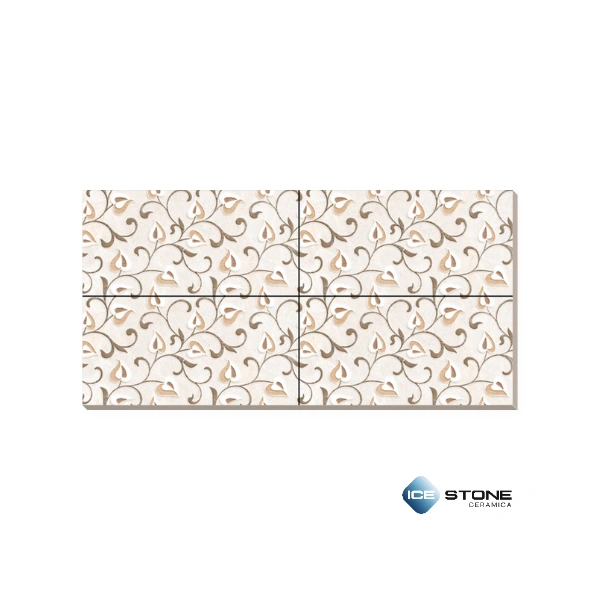
Plain ivory tiles are the safer, longer-lasting design choice if you plan to change furniture or wall colours often. Patterned or marble-vein ivory tiles make more of a statement but are harder to redesign around later.
Pick the Material for the Traffic Level
Vitrified for main living areas and high-traffic floors; ceramic for walls and lighter-use spaces; porcelain when the brief calls for a premium marble-look finish.
Size to the Room
Smaller formats (1×2, 2×2) suit compact rooms and busier layouts; larger formats (2×4 and up) suit open floor plans where fewer grout lines create a calmer look.
Ivory Tiles Design Ideas and Colour Combinations
Ivory’s biggest strength as a design colour is how little it fights with everything else in a room. A few combinations that consistently work:
| Colour Combination | Best For | Why It Works |
|---|---|---|
| Ivory + Beige or Taupe | Bedrooms, Bathrooms, Spa-inspired Interiors | Creates a soft, warm, and timeless palette that feels calm, elegant, and easy to coordinate with different décor styles. |
| Ivory + Grey or Black | Modern Living Rooms, Kitchens, Contemporary Homes | Adds strong contrast and a sophisticated look, especially when paired with black fixtures, grey furniture, or dark wood accents. |
| Ivory + Gold Accents | Luxury Homes, Hotels, Commercial Interiors | Marble-veined ivory tiles with subtle gold detailing create an elegant, premium appearance that’s trending in modern interior design. |
| Ivory + Wood-Finish Tiles or Furniture | Living Rooms, Dining Areas, Bedrooms | Warm wood tones naturally complement ivory, creating a cozy, balanced, and welcoming atmosphere. |
| Ivory + Natural Stone Accents | Feature Walls, Elevations, Luxury Interiors | Stone-look highlighter tiles or natural stone accents add texture and depth while maintaining a clean, neutral colour palette. |