

Your kitchen works harder than any other room in your home. Heat, oil splashes, water, and daily wear all show up on its walls and floor first — long before anywhere else. The right kitchen tiles protect your space, make cleaning effortless, and set the design tone for your entire home. Whether you’re building a new kitchen from scratch or renovating an old one, this guide covers everything you need: types of tiles, trending 2026 designs, honest pricing in India, and how to pick tiles that actually last through years of Indian cooking.
What Are Kitchen Tiles? (Quick Answer)
Kitchen tiles are ceramic, vitrified, or porcelain surfaces used on kitchen walls, floors, and backsplashes to resist heat, grease, moisture, and daily stains while adding style to the space.
They come in three main placements:
- Kitchen wall tiles – installed behind counters and near the stove
- Kitchen floor tiles – cover the entire kitchen flooring
- Backsplash tiles – a decorative, protective strip above the countertop
In Indian homes especially, tiles matter because they’re the first line of defense against turmeric stains, oil spatter, and steam from daily cooking. Unlike paint or plaster, tiles can be wiped clean in seconds and don’t absorb odors or grease over time—which is exactly why nearly every Indian kitchen, from a small apartment to a large independent house, is tiled rather than painted at counter level. If you’re planning tiling across the whole home, it also helps to look at how kitchen choices pair with living room wall tiles and living room floor tiles for a consistent flow between connected spaces.
Types of Kitchen Tiles (Complete Guide)
Choosing the right type of tile for the right zone in your kitchen is the single biggest factor in how well your kitchen holds up over the years. Here’s a breakdown of each type and where it fits best.
Kitchen Wall Tiles
Kitchen wall tiles go behind your countertop, hob, and sink — the zones most exposed to daily splashes. They’re usually lighter and thinner than floor tiles since they don’t need to bear foot traffic or heavy impact.
A common setup in Indian homes is tiling from countertop height up to the bottom of the wall cabinets (roughly 2 feet). But many homeowners today are choosing to tile the full wall, right up to the ceiling, for a cleaner, more seamless, high-end look—especially in open kitchens visible from the living or dining area.
Popular sizes for kitchen walls include 1×2 ft and 300×600 mm formats. These are easy to install, cut cleanly around switchboards and shelves, and remain budget-friendly even for larger walls.
Real-life example: A 2BHK apartment kitchen in a metro city typically needs 60–80 sq. ft. of wall tiling for the cooking zone and sink area—a manageable, affordable scope even with mid-range ceramic tiles.
Kitchen Floor Tiles
Kitchen floor tiles need to handle constant foot traffic, dropped utensils, water spills, and daily mopping. They should have good slip resistance and be tough enough to survive years of continuous use without chipping or fading.
Vitrified floor tiles and porcelain floor tiles in 2×2 ft or 2×4 ft sizes are the most popular choice for Indian kitchen floors because they’re dense, low-porosity, and resist staining from oil, turmeric, and masala—a daily reality in most Indian kitchens.
Tip: Always ask for the tile’s water absorption rate before buying floor tiles. Anything below 0.5% (true porcelain grade) is ideal for kitchens, since it resists staining and moisture damage far better than standard ceramic.
Kitchen Backsplash Tiles
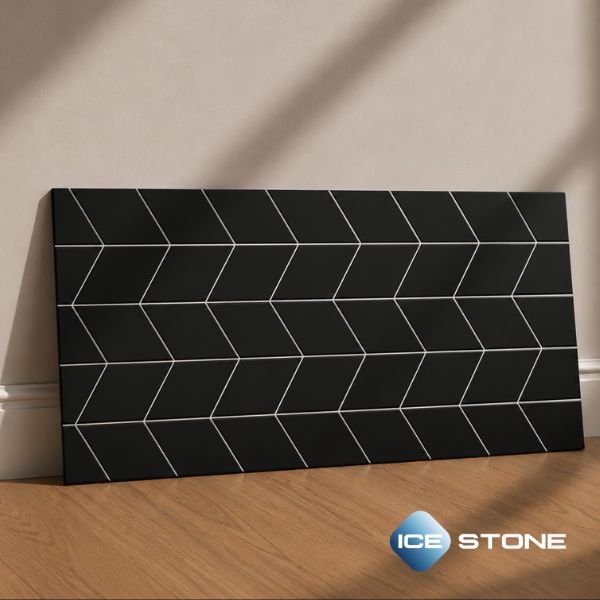
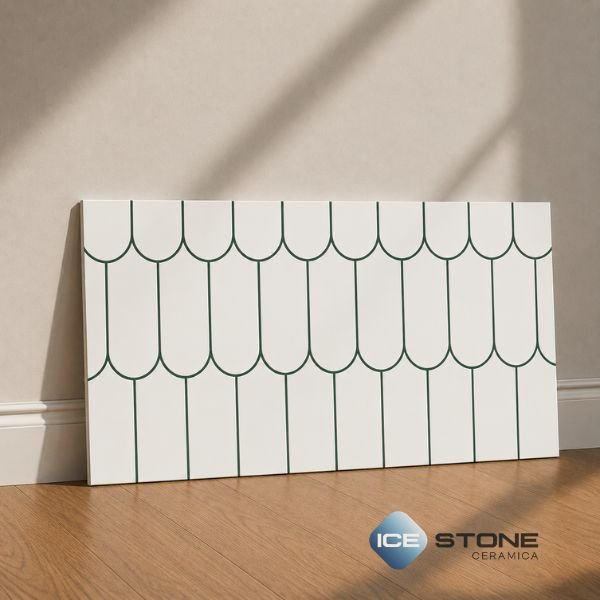
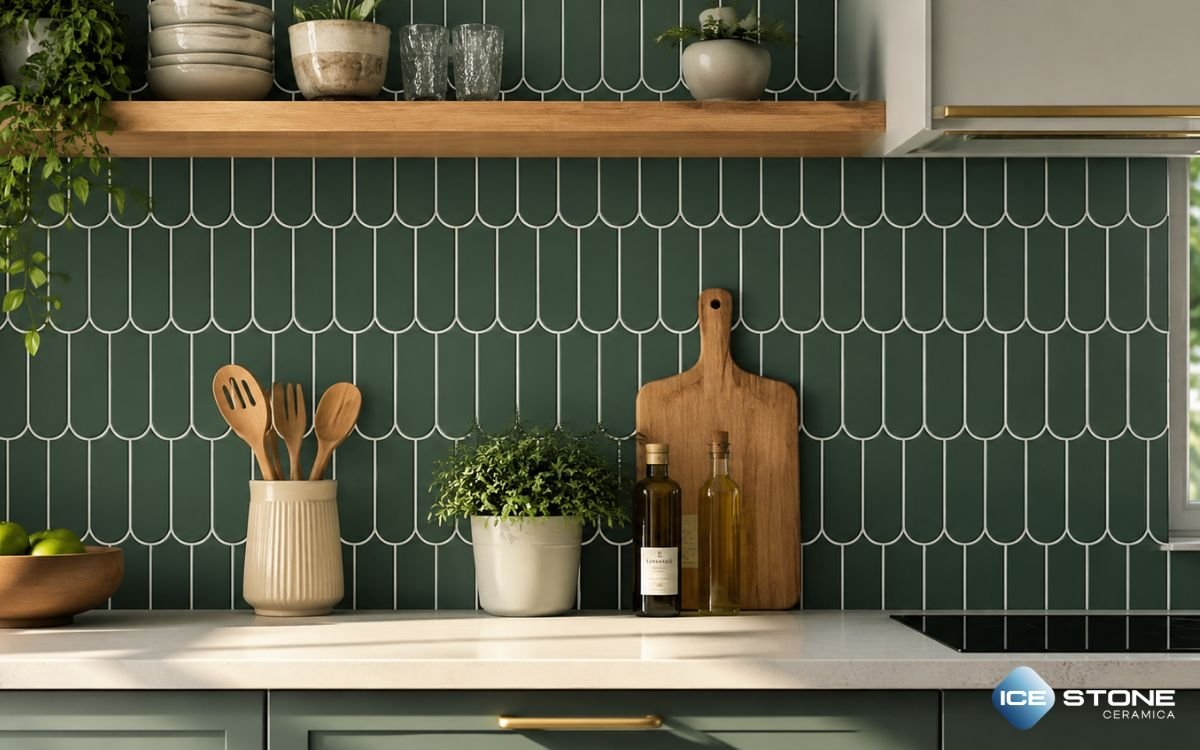
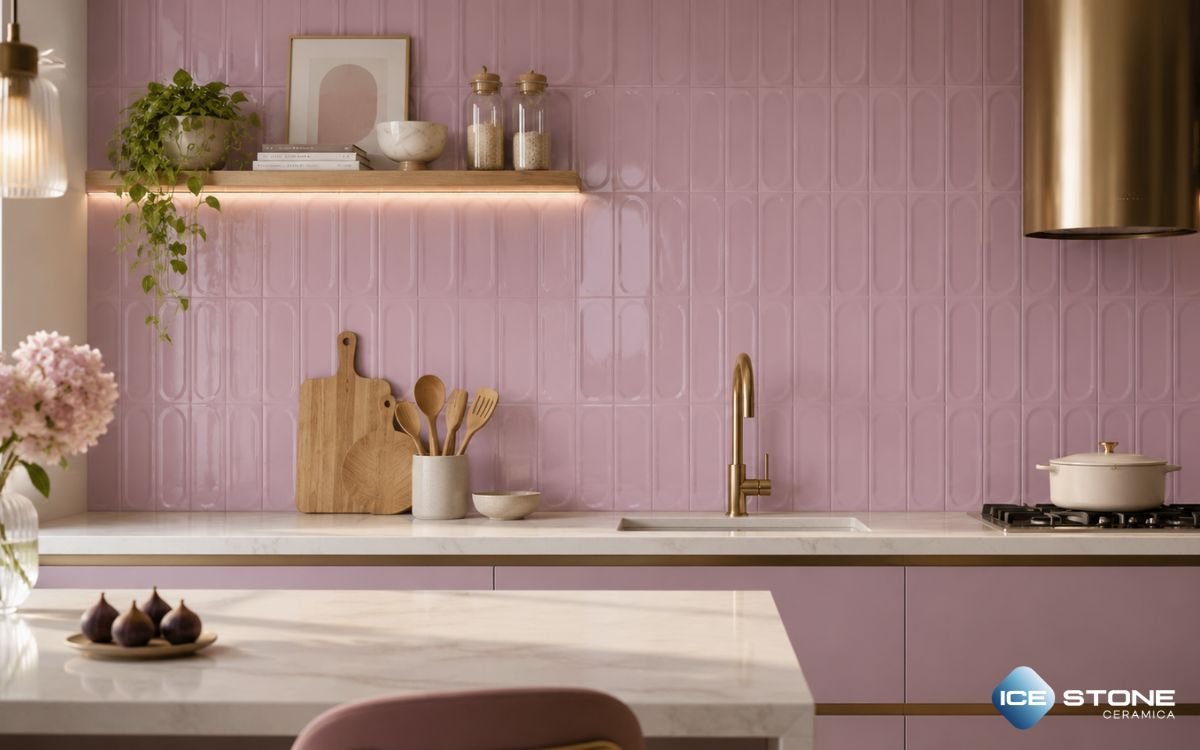
The backsplash is the strip right behind your stove and sink — arguably the most-used and most-abused surface in the entire kitchen. This is also where design gets the most creative freedom. Subway tiles, highlighter patterns, geometric designs, or a bold marble-look accent can turn a purely functional wall into the visual centerpiece of your kitchen.
Since this zone takes direct heat and oil exposure daily, a glossy, stain-resistant finish works best here—it wipes clean in one pass and doesn’t hold onto grease the way a rough or matte texture might.
Ceramic vs Porcelain Kitchen Tiles
This is one of the most common buying-intent questions Indian homeowners search for, and the answer depends entirely on where the tile will go.
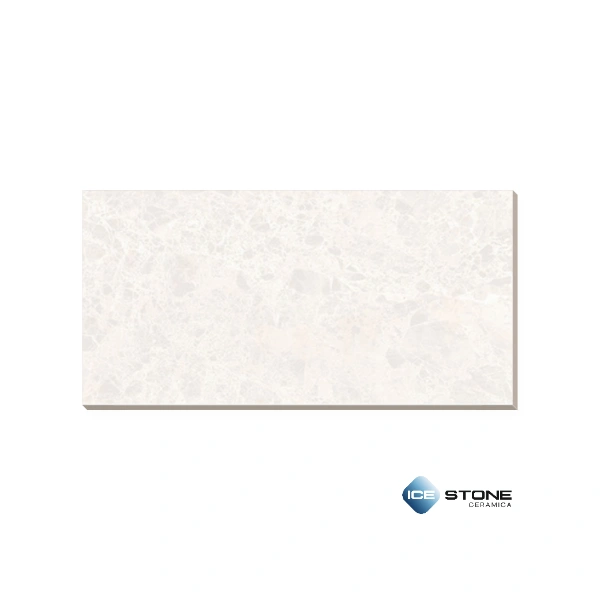
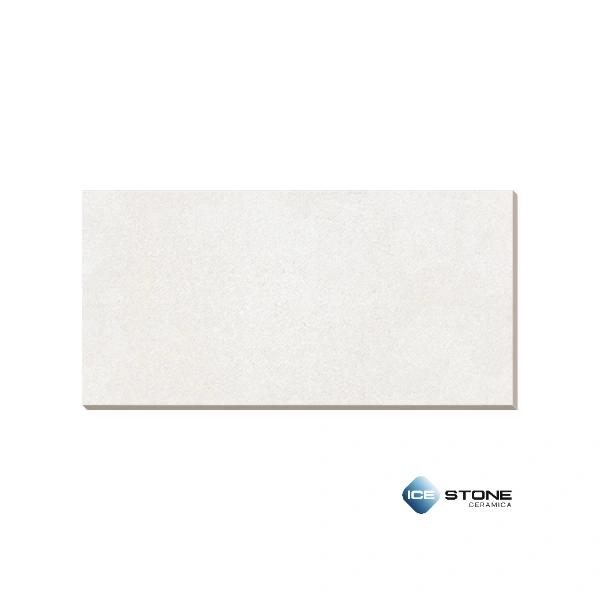
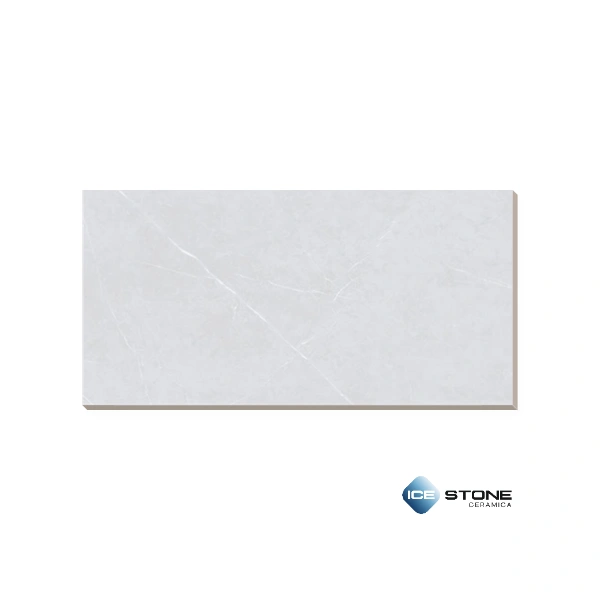
Ceramic tiles are made from natural clay, fired at lower temperatures. They’re lighter, easier to cut, budget-friendly, and ideal for walls where impact resistance matters less than looks. Icestone’s ceramic wall tile range—such as the White Plain Matt Ceramic Wall Tile or the Ivory Gold Marble Luster Ceramic Wall Tile—typically falls between ₹67 and ₹75/sq. ft., making it a smart entry point for backsplash and wall applications.
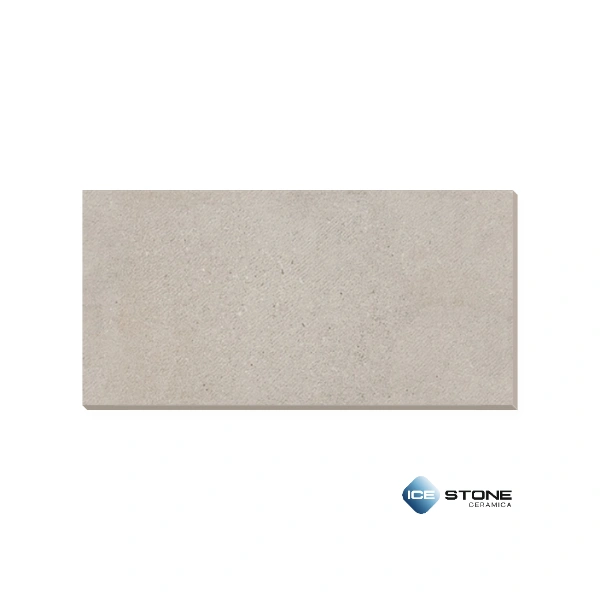
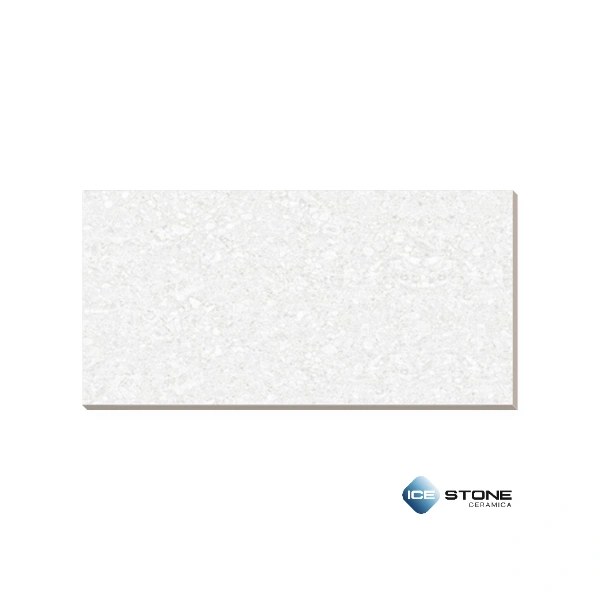
Porcelain tiles are denser, fired at much higher temperatures, and absorb far less water—making them significantly more durable for kitchen floors. They cost slightly more upfront but pay off in longevity and reduced maintenance. Icestone’s porcelain wall-and-floor range, like the Off White Cream Quartzite Texture Matt Porcelain Tile, is priced from ₹55/sq. ft. onward, going up to ₹83/sq. ft. for premium textured options—offering a wide spread from budget to high-end floor-grade durability. For heavier-duty comparisons, vitrified floor tiles are also worth considering for kitchens with very high daily traffic.
Quick answer for voice search: Ceramic tiles are better suited for kitchen walls and budget-conscious projects, while porcelain tiles are better for kitchen floors where durability and water resistance matter most.
Best Kitchen Tiles Designs (2026 Trends)
Design trends shift every few years, but a few directions are clearly dominating Indian kitchens in 2026.
Modern Kitchen Tiles Design
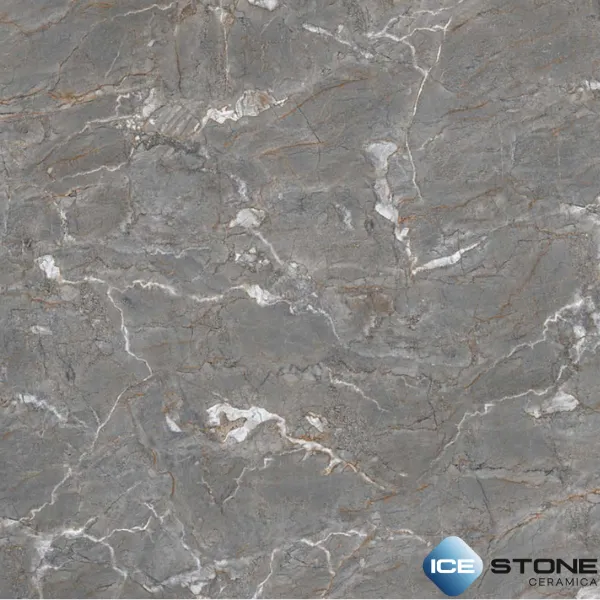
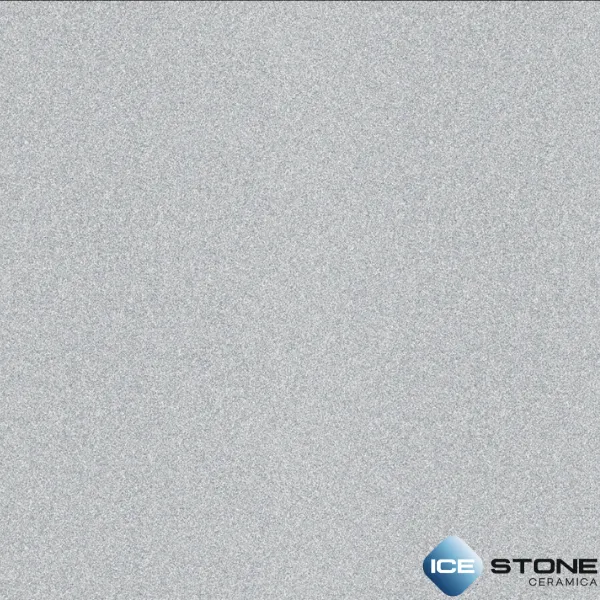
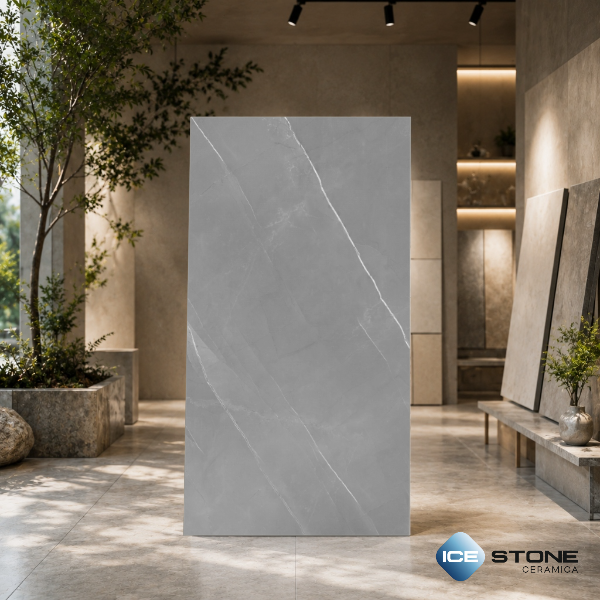
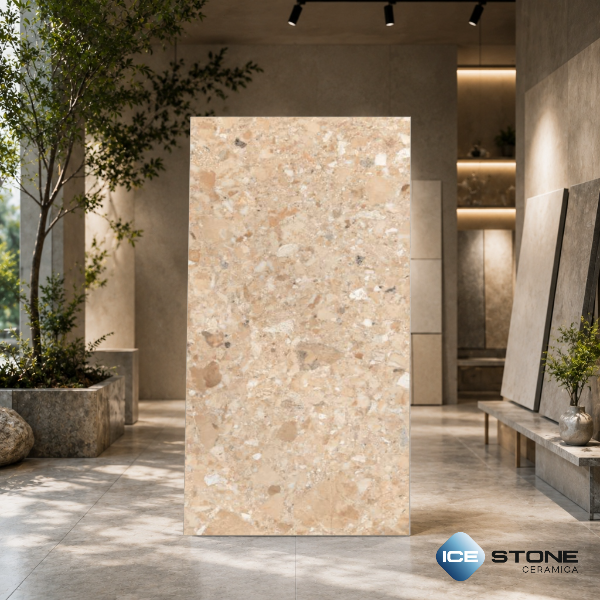
2026 kitchens are leaning heavily into large-format tiles (2×4 ft) with stone-floor tile and marble-look finishes. Fewer grout lines mean a cleaner, more seamless appearance and noticeably easier maintenance. Icestone’s Beige Gold Stone Glossy Vitrified Tile (Brecia) and Grey Stone Texture Glossy Vitrified Tile (Mine Shaft) are strong examples of this trend, both priced under ₹65/sq.ft.
Simple Kitchen Wall Tiles Design
Not every kitchen needs a loud, busy pattern. Plain, matte-finish white wall tiles or soft neutral shades—like Icestone’s White Plain Matt Ceramic Wall Tile—give a clean, minimal backdrop that pairs with virtually any cabinet color and never really goes out of style. This is a safe, resale-friendly choice for homeowners who prefer timeless over trendy.
Small Kitchen Tiles Design Ideas
For compact Indian kitchens — very common in apartments and 1–2 BHK homes — light colors and larger tile formats visually expand the space. A useful rule: avoid busy patterns on both walls and floors simultaneously. Pick one accent zone, usually the backsplash, and keep everything else neutral and calm. The same large-format logic works well for balcony wall tiles in compact homes too.
Modular Kitchen Tiles Design
Modular kitchens pair best with tiles that complement laminate or acrylic shutter finishes rather than compete with them. Marble-look, plain, or subtly textured floor tiles work well here. Highlighter tiles are a great way to add a decorative break between overhead cabinets and base units without overwhelming the modular design.
Indian Kitchen Wall Tiles Design
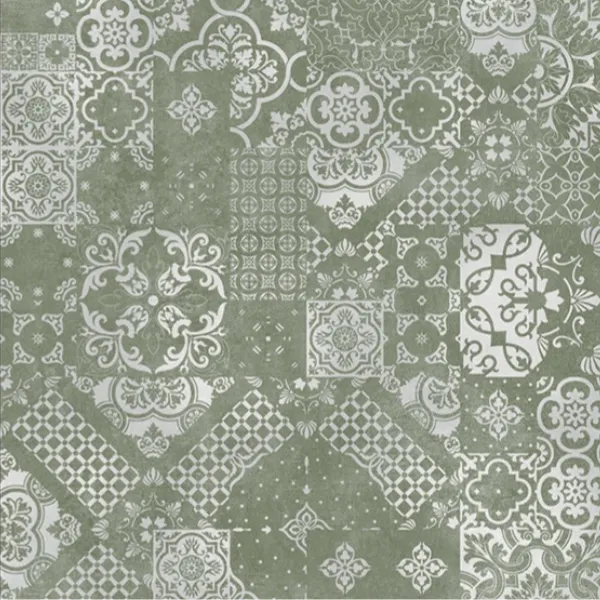
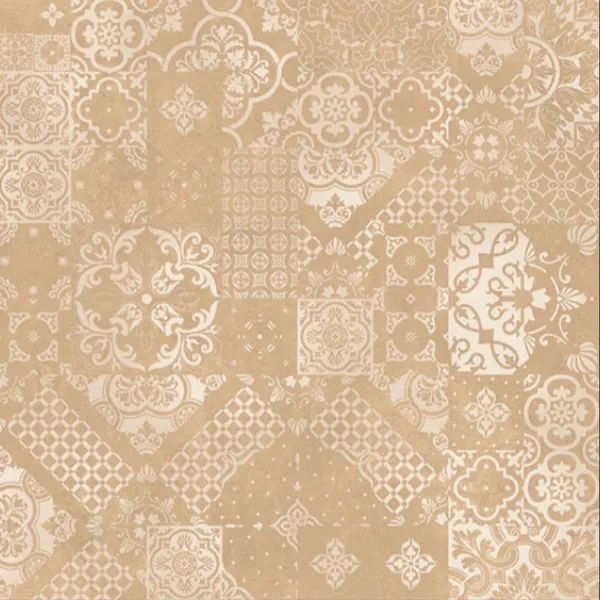
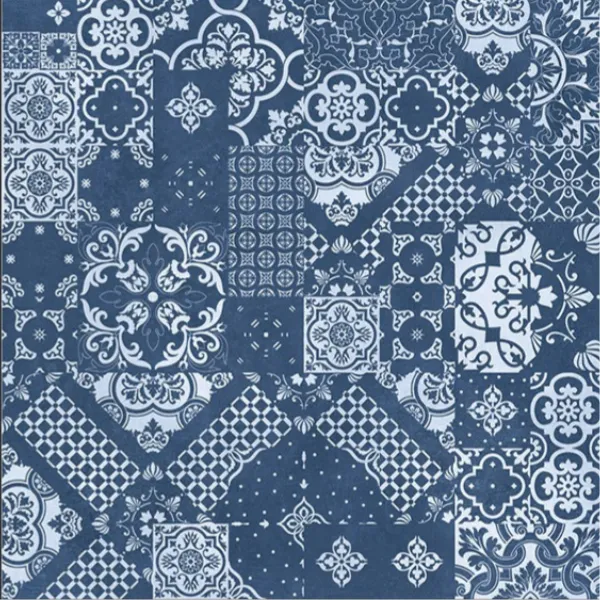
Indian cooking styles involve more oil, more steam, and more masala than most Western kitchens are designed for. Tiles with texture or pattern—such as patterned floor tiles or geometric highlighter designs—hide minor stains and splashes far better than plain glossy white while still looking premium and intentional.
Kitchen Tiles Design Ideas (Visual Inspiration)
Here are eight style directions worth exploring for your next kitchen project:
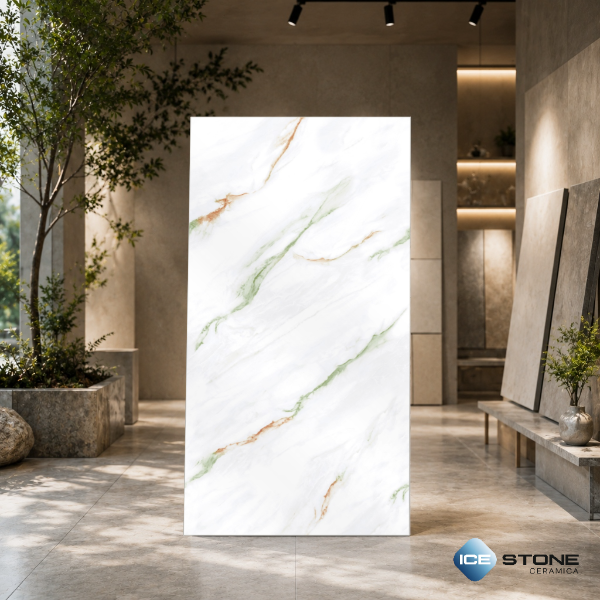
- Marble-look backsplash—Ivory Gold Marble floor tile style Luster Ceramic Wall Tile for a premium, low-maintenance stone effect without the cost of real marble
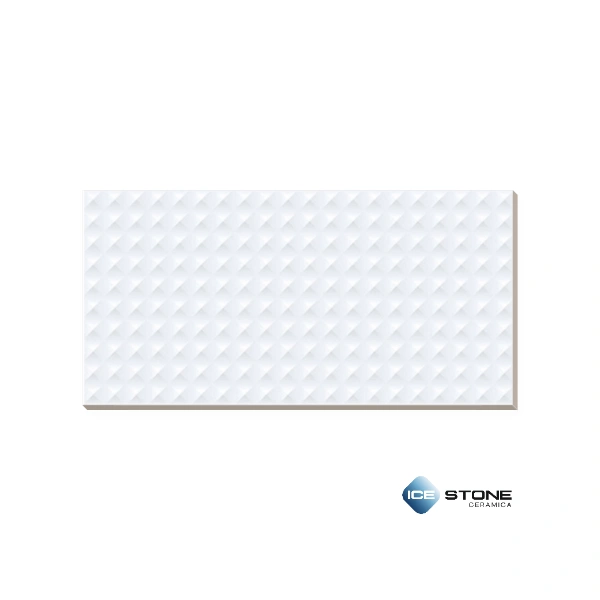
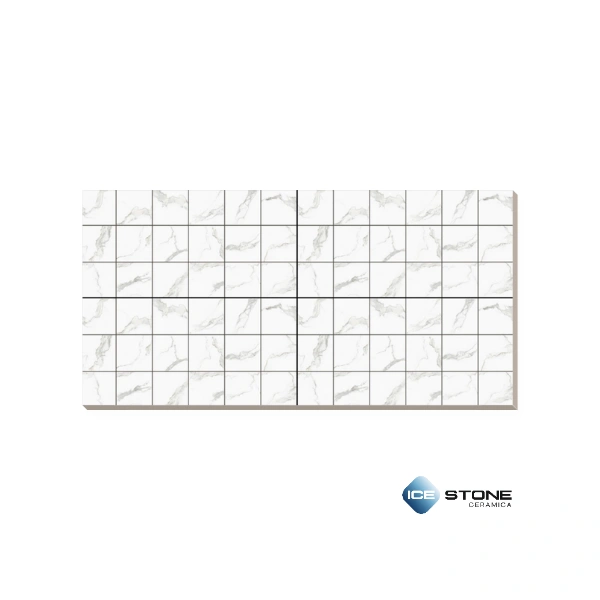
- Classic subway backsplash—White Geometric Texture Glossy Subway Tile for a timeless kitchen look that works in any home style
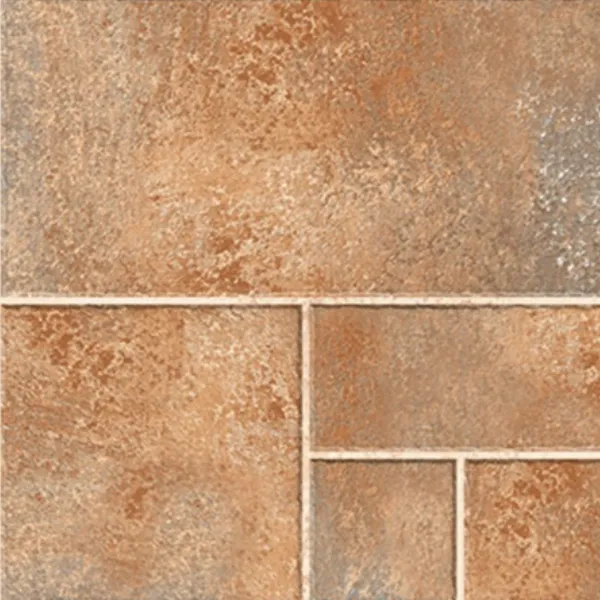
- Terracotta accent wall—Terracotta Chevron Subway Tile for a warm, earthy statement wall behind the hob
- Large-format stone floor—Beige Cream Marble Glossy Vitrified Tile (Melbourne) for a seamless, spacious feel underfoot
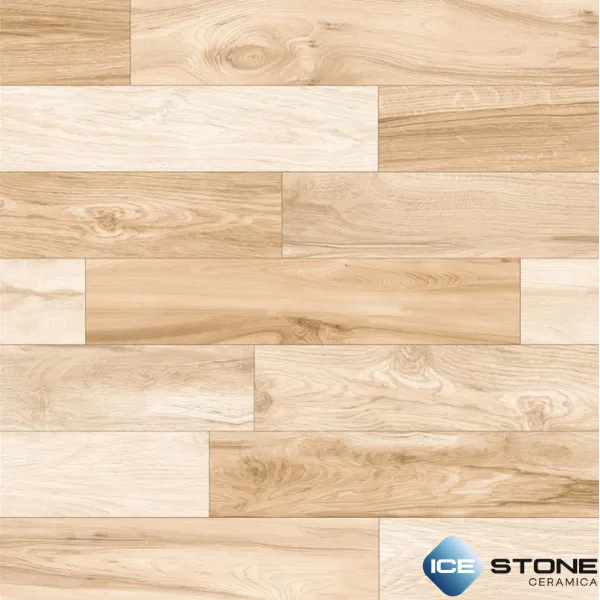
- Wood-look warmth—Try a wooden wall tile accent or wooden floor tile strip for a warmer, cosier kitchen feel
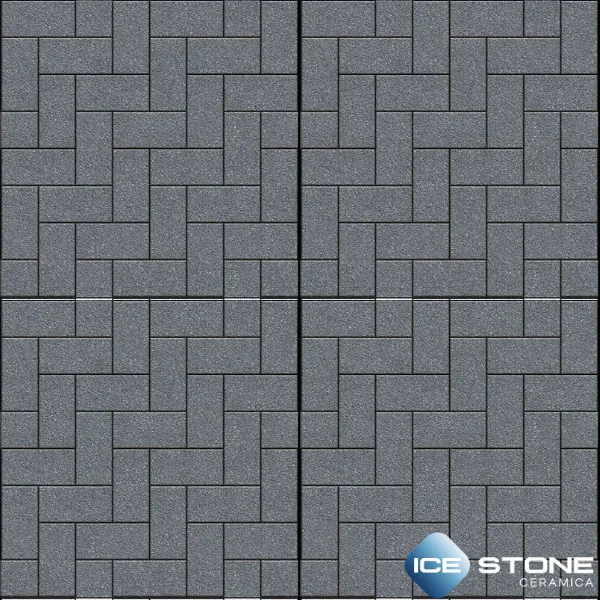
- Grey stone-textured floor—Dark grey floor tile in Cracked Stone Texture Matt for a rustic, industrial-chic kitchen
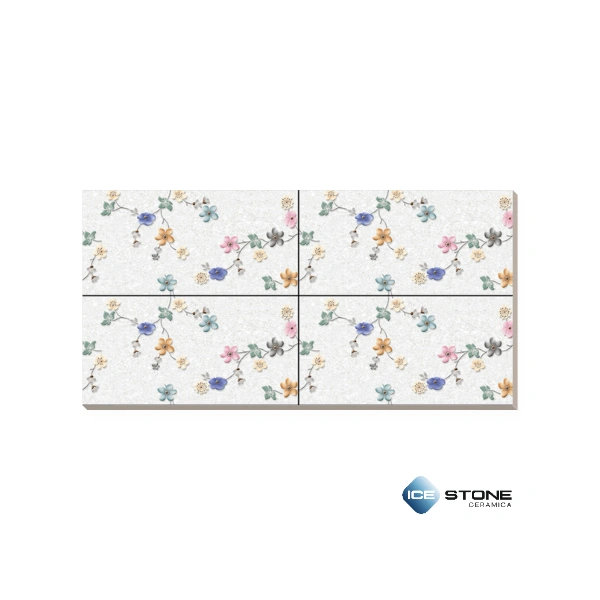
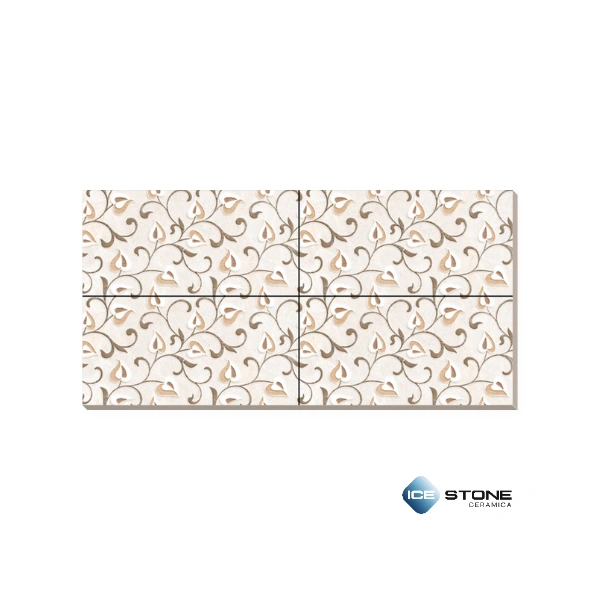
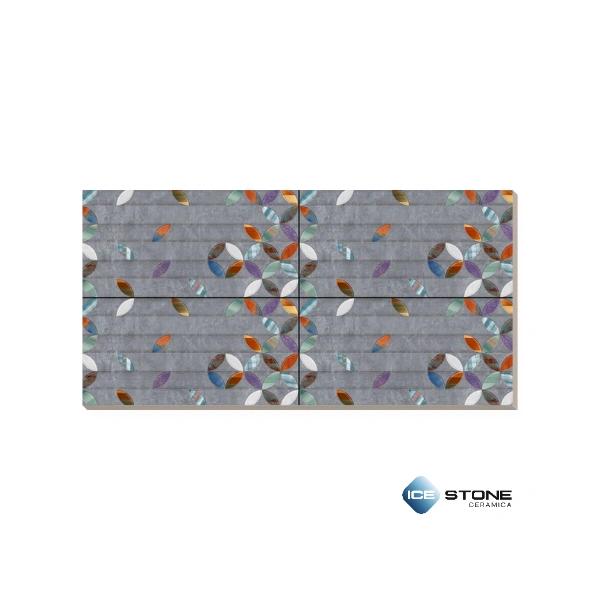
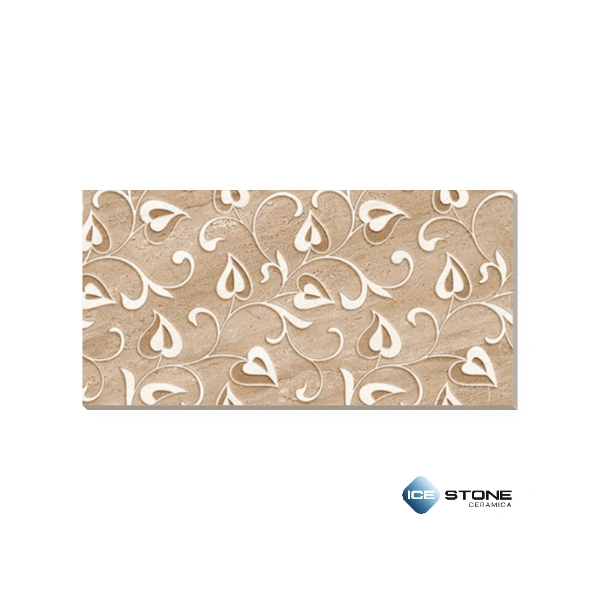
- Highlighter border strip—Cream Brown Geometric Highlighter Tile used as a decorative divider between plain wall tiles
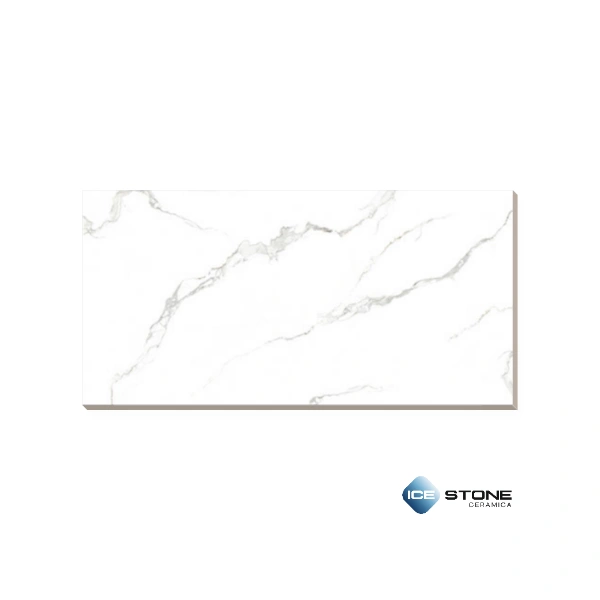
- All-white minimal kitchen—White floor tile in Statuario Marble Texture Matt Porcelain for a bright, clean, highly resale-friendly finish
How to Choose the Best Kitchen Tiles
Picking kitchen tiles isn’t just about looks—size, color, finish, and budget all need to work together for a kitchen that performs well daily.
Based on Kitchen Size
Small kitchens do best with larger tiles (2×2 ft or 2×4 ft) in lighter colors—this minimizes visible grout lines and makes the room feel more open. Larger kitchens give you more freedom to mix patterns, textures, and darker tones without the space feeling cramped or heavy.
Based on Color (White, Black, Neutral)
White and cream tiles brighten a kitchen and make it feel bigger, but they show stains faster and need more frequent cleaning. Black and dark gray tiles hide stains well and look premium, though they can make small kitchens feel visually closed in—a black and white combination is also a popular way to balance both looks. Neutral tones—beige, taupe, warm gray—offer the best balance: practical, forgiving of daily use, and versatile with almost any cabinet color.
Based on Finish (Glossy vs Matt)
Glossy tiles reflect light, look brighter, and wipe clean easily—making them ideal for backsplashes near the stove. Matt tiles hide fingerprints and minor scratches better and offer more grip underfoot, making them the safer choice for kitchen floors, especially in homes with children or elderly family members.
Matte-finish tiles are generally the more budget-friendly choice, ranging from ₹55 to ₹70/sq. ft. Glossy finishes have a much wider range, from ₹62–₹150/sq. ft., since premium designer and luster finish tiles cost significantly more than plain glossy ones—ideal for a statement backsplash if budget allows.
Quick answer: Use glossy finishes for walls and backsplashes and matte finishes for floors.
Based on Budget
Set a per-sq ft budget before you start shortlisting designs. Icestone’s kitchen collection ranges from ₹55/sq. ft. (matte porcelain) to as high as ₹150/sq. ft. (premium glossy designer tiles), giving you room to mix a budget-friendly matte floor tile with a striking glossy backsplash accent without blowing your total spend.
Kitchen Tiles Price in India (2026 Guide)
| Tile Type | Price (₹/Sq. Ft.) |
|---|---|
| Ceramic Kitchen Tiles | ₹67 – ₹75 |
| Vitrified Kitchen Tiles | ₹62 – ₹81 |
| Porcelain Kitchen Tiles | ₹55 – ₹83 |
| Matt Finish Kitchen Tiles | ₹55 – ₹70 |
| Glossy Finish Kitchen Tiles | ₹62 – ₹150 |
Prices vary by design, finish, and collection. Check individual product pages for current pricing.
For a typical 100 sq. ft. Indian kitchen (walls + floor combined), total tile cost usually falls between ₹6,200 and ₹8,300, excluding installation, adhesive, and grout. Glossy, patterned, and designer finishes sit at the higher end of the range, so it’s worth budgeting extra if you want a statement backsplash or feature wall.
Tip for builders and architects: When quoting for bulk projects, ask suppliers for per-box pricing alongside per-sq-ft rates—box coverage varies by tile size, and this affects wastage calculations on larger sites.
Best Tiles for Kitchen Walls & Floors
Top recommendations:
- Walls/backsplash: Glossy ceramic tiles (1×2 ft) — easy to clean, budget-friendly, and available in a wide design range
- Floors: Matt-finish vitrified or porcelain floor tiles (2×2 ft, 2×4 ft)—slip-resistant, durable, and low-maintenance
Durability factors: Look for low water absorption (especially important in humid Indian kitchens near coastal cities), scratch resistance for floors that see daily foot traffic, and stain resistance for wall areas near the stove that face constant oil exposure. The same durability logic applies if you’re also tiling high-traffic zones like parking floor tiles or outdoor floor tiles elsewhere in the home.
Maintenance tips:
- Wipe glossy wall tiles daily with a damp cloth to prevent oil buildup before it hardens
- Use pH-neutral cleaners on matte floor tiles—harsh acidic cleaners can dull the texture over time
- Reseal grout lines every 1–2 years to stop moisture and stains from seeping in and discoloring the joints
- Avoid steel wool or abrasive scrubbers on glossy finishes, as they can create fine scratches that dull the shine