

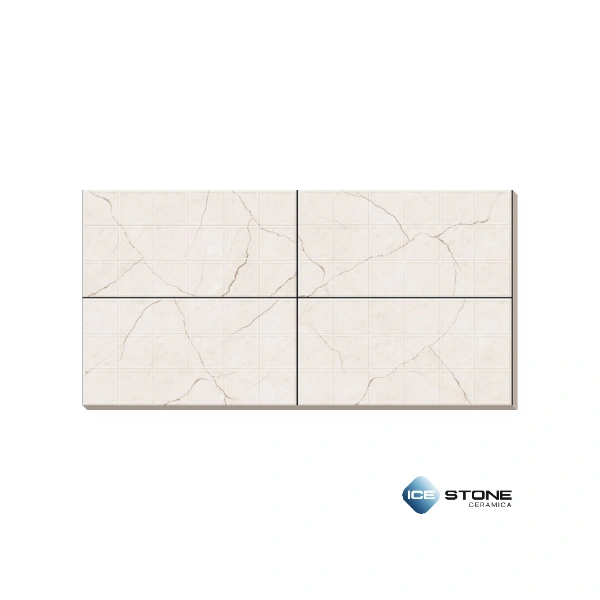
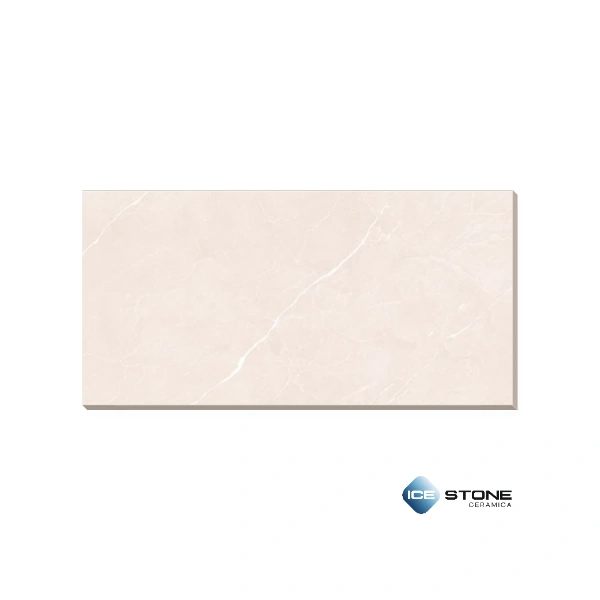
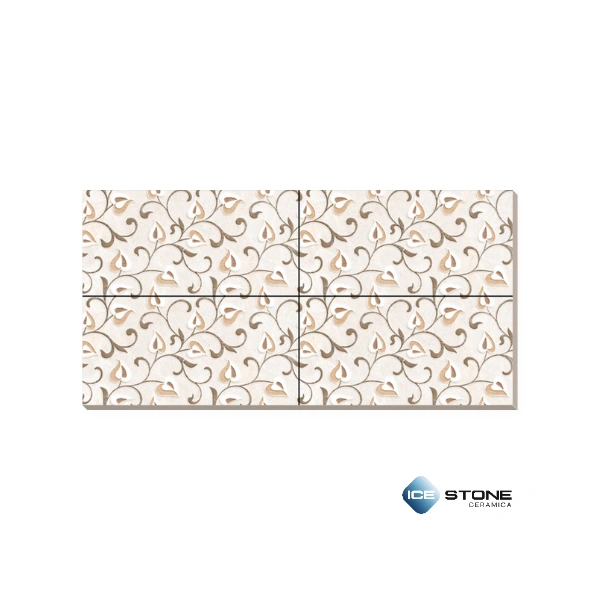
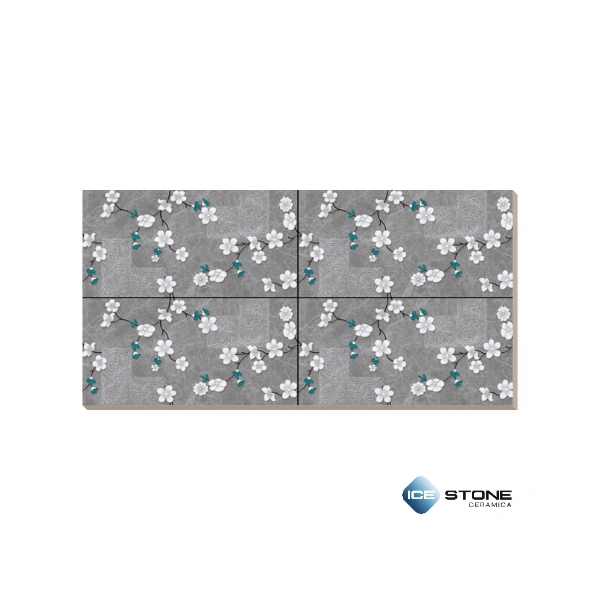

Your living room wall is the first thing anyone notices when they walk into your home — long before they sit on the sofa or look at the flooring. Living room wall tiles have become a popular way to add texture, color, and personality to this space, without the upkeep that comes with wallpaper or the flatness of plain paint. Whether you want a single striking feature wall behind the TV or a fully tiled living room, this guide covers design ideas, materials, finishes, sizes, and practical buying advice to help you get it right.
Unlike a bathroom wall or kitchen wall, a living room wall doesn’t need to deal with constant moisture — which means you have far more freedom with finish, texture, and material here. The focus shifts almost entirely to design impact: how the tile looks with your furniture, lighting, and overall interior style.
Why Wall Tiles Work for a Living Room
Tiles offer a few real advantages over paint or wallpaper for a living room feature wall. They’re far more durable — no chipping, peeling, or fading over the years — and they add genuine texture and depth that flat paint simply can’t replicate. Cleaning is also easier, since a quick wipe keeps a tiled wall looking new, while painted walls show scuffs and marks more easily over time.
Wall tiles also let you introduce a bolder design choice — marble veining, a 3D textured pattern, or a natural stone look — as a statement without committing the whole room to that intensity, since a single feature wall carries the design while the remaining walls stay simple.
Living Room Wall Tiles Design Ideas
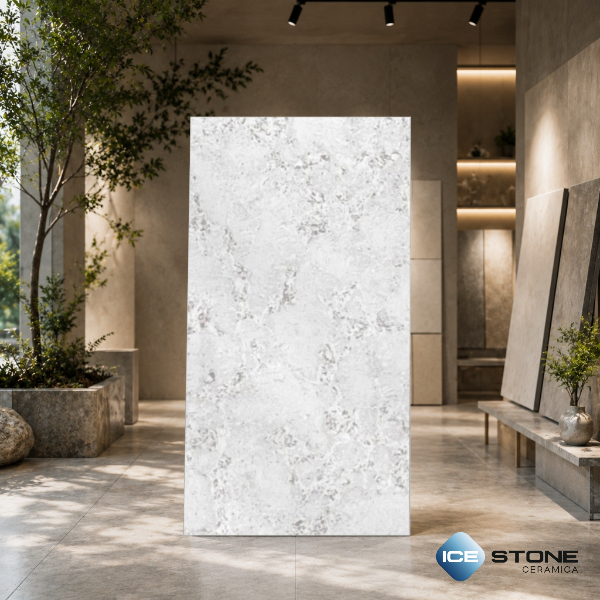
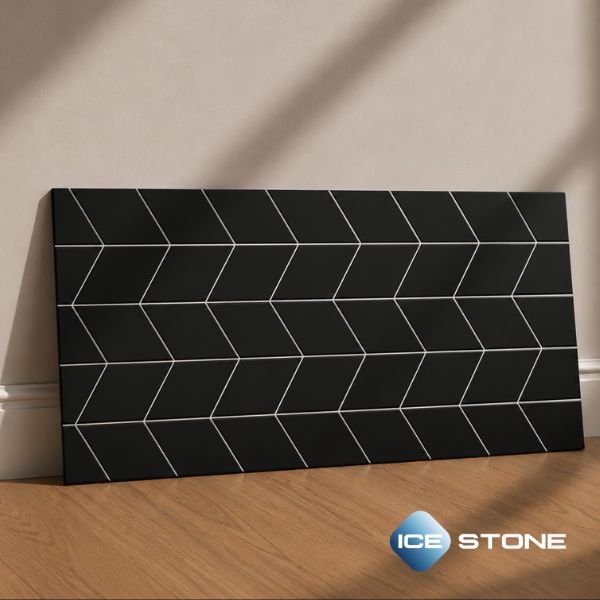
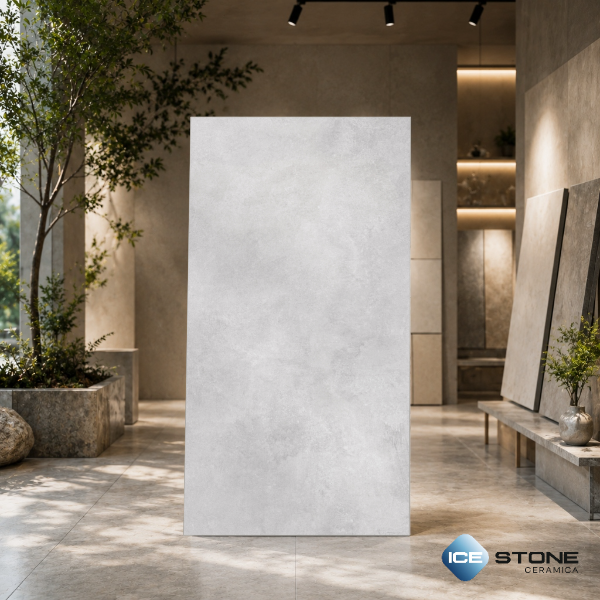
Living room wall tile design generally falls into a few broad directions. A minimal, single-tone wall with a large-format tile keeps the room looking calm and spacious, letting furniture and decor take center stage. A textured or 3D accent wall adds drama and depth, usually reserved for one wall rather than the whole room. Natural-look designs — marble, stone, or wood — bring warmth and a premium feel, while bold geometric or mosaic patterns work well for homeowners wanting a more artistic, expressive space.
The most practical approach for most homes is picking one wall as the design focus — often the one behind the TV or sofa — and keeping the surrounding walls in a simple, neutral paint or plain tile. This way the tile design gets to stand out instead of competing with itself across every wall.
Half Wall Tiles Design for Living Room
Half-wall tiling is one of the most searched living room wall tile styles, and it’s a smart middle ground between a fully tiled room and plain paint. Tiles typically run from the floor up to about waist or chest height — roughly 3 to 4 feet — with paint or wallpaper taking over above that line.
This approach protects the lower section of the wall, which takes the most contact from furniture, foot traffic, and general wear, while keeping material costs down compared to floor-to-ceiling tiling. A common styling trick is to use a textured or patterned tile below the half-wall line and a plain, complementary paint shade above, creating a layered look without needing an expensive full-height tile job. Half-wall tiling works especially well behind a TV console or along a hallway-facing living room wall where lower-wall wear is a real concern.
3D Wall Tiles for Living Room
3D-effect wall tiles have grown into one of the most popular choices for a living room feature wall, since they create genuine depth and shadow play that flat tiles can’t match. These tiles work particularly well when lit from an angle — a wall-mounted light or spotlight highlights the raised texture and makes the design pop even more.
Because of their strong visual weight, 3D tiles are almost always used on a single accent wall rather than throughout the room. A common placement is directly behind the sofa or the TV unit, where the textured surface becomes the room’s main design focus without overwhelming the rest of the space.
TV Wall Tiles Design
The wall behind the television has become one of the most tiled surfaces in modern Indian living rooms, since it’s the natural focal point of the room. A large-format tile with minimal grout lines gives a clean, seamless backdrop that doesn’t distract from the screen, while a textured or stone-look tile adds warmth and depth to what would otherwise be a flat, plain wall.
For a TV wall, it generally works best to keep the tile design simple and let it recede visually when the screen is on, while still giving the room a rich, finished look when it’s off. Many homeowners extend the tile slightly wider and taller than the TV unit itself, so the wall reads as an intentional design feature rather than just a backdrop sized to the television.
Best Materials for Living Room Wall Tiles
Ceramic Wall Tiles
Ceramic remains the most common and affordable material for living room walls, offering a wide range of colors, patterns, and finishes without a heavy price tag. Since living room walls don’t face moisture the way bathroom walls do, ceramic performs reliably here for years with minimal maintenance.
Interior Wall Tiles
Beyond ceramic specifically, a broader range of interior-grade wall tiles — including glass, natural stone veneer, and decorative composite tiles — are increasingly used for living room feature walls. These options tend to sit at a higher price point but offer design possibilities that standard ceramic can’t match, particularly for textured or dimensional accent walls.
Living Room Wall Tiles by Style
Modern — Clean lines, large formats, and neutral tones define the modern living room wall look, usually paired with minimal furniture and understated decor.
Simple — A plain, single-color tile keeps the design timeless and works well for homeowners who’d rather let furniture and art define the room’s personality.
Designer & Luxury — Bold textures, metallic accents, or premium natural-stone looks create a high-end statement wall, typically used sparingly as a single feature.
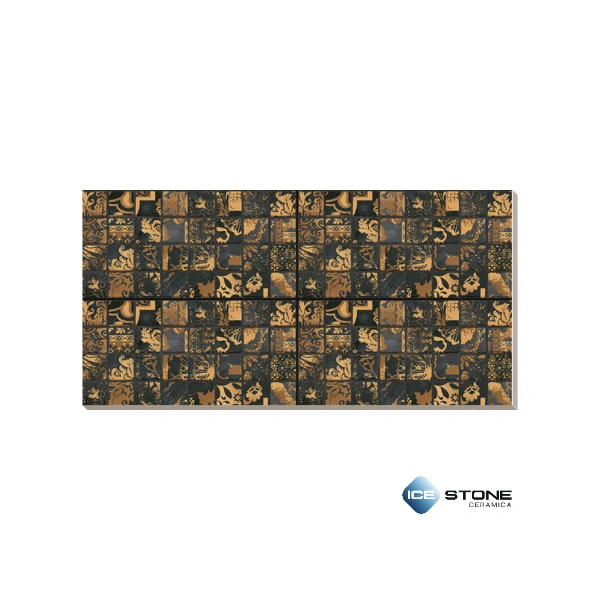
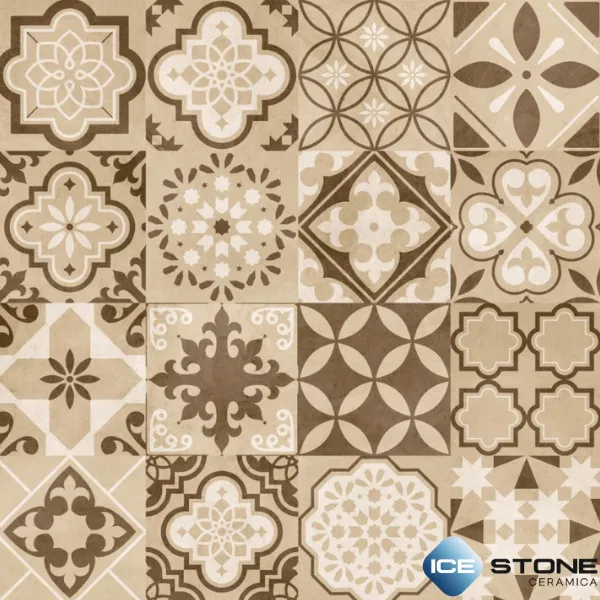
Decorative — Patterned or motif tiles add personality and are often used in smaller doses — a border strip or a single accent panel rather than a full wall.
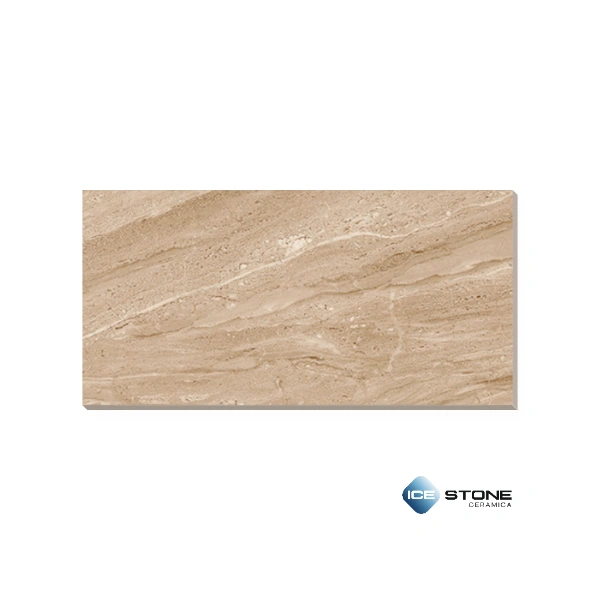
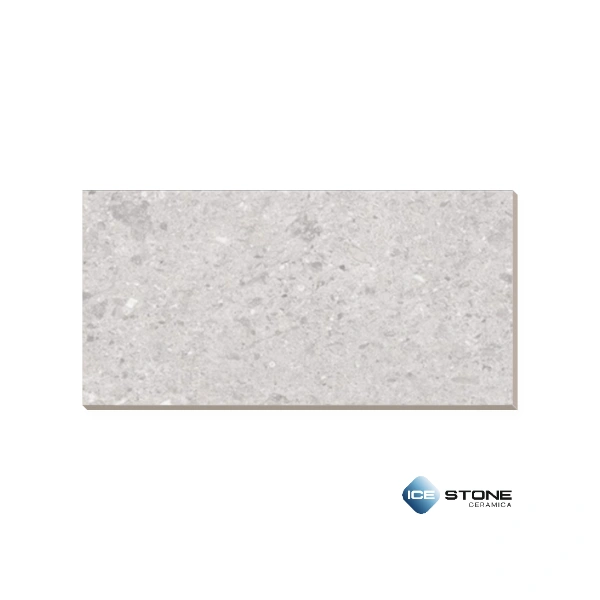
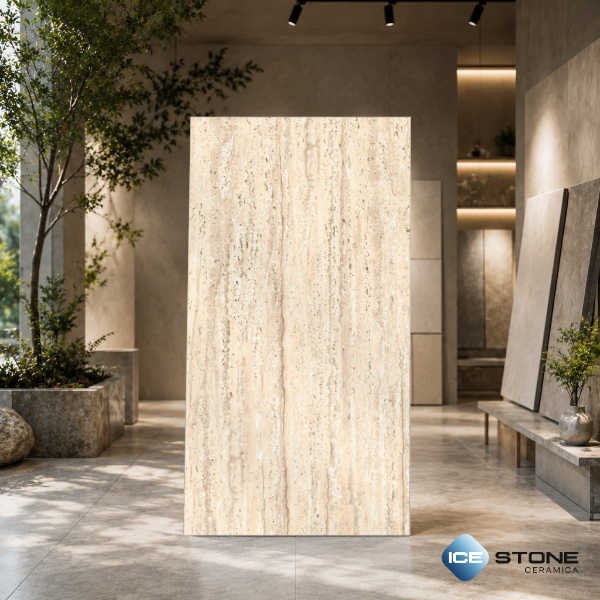
Stone — Natural stone-look tiles bring an earthy, grounded texture that pairs well with both contemporary and traditional interiors.
Wooden — Wood-look wall tiles add warmth without the maintenance concerns of real timber paneling, a popular choice for a cozy, textured feature wall.
Brick — Exposed-brick-style tiles bring an industrial or rustic character, often used behind a TV unit or in an open-plan living-dining area.
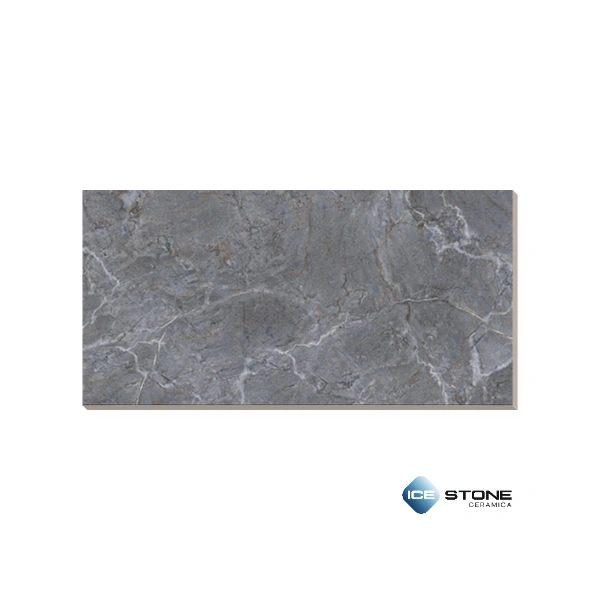
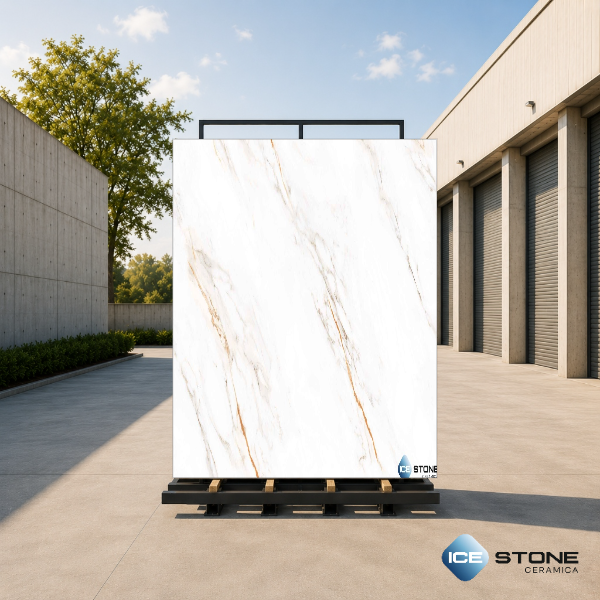
Marble — Marble-look tiles deliver a premium, elegant finish with natural veining, without the staining risk of real marble.
Mosaic — Small-format mosaic tiles add intricate detail and are typically used as an accent strip rather than covering an entire wall.
Living Room Wall Tiles by Finish
Matte Finish — A non-reflective surface that feels calm and sophisticated, hiding fingerprints and dust better than glossy alternatives.
Glossy Finish — A reflective, polished surface that brightens the room and makes it feel more open, especially useful in living rooms with limited natural light.
Textured Finish — Adds tactile depth and visual interest, commonly used for feature walls where the design itself is the point of focus.
Living Room Wall Tiles by Color
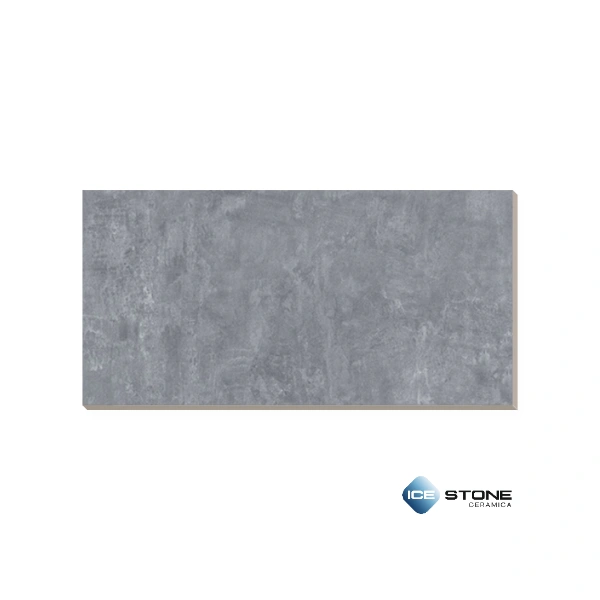
Color plays a major role in how a living room feels. Grey has become a go-to modern neutral that pairs easily with most furniture styles, while white keeps the space feeling bright and open. Brown and maroon tones add warmth and a more traditional character, and blue introduces a fresh, calming accent, usually reserved for a single feature wall rather than the whole room.
Living Room Wall and Floor Tile Color Combination
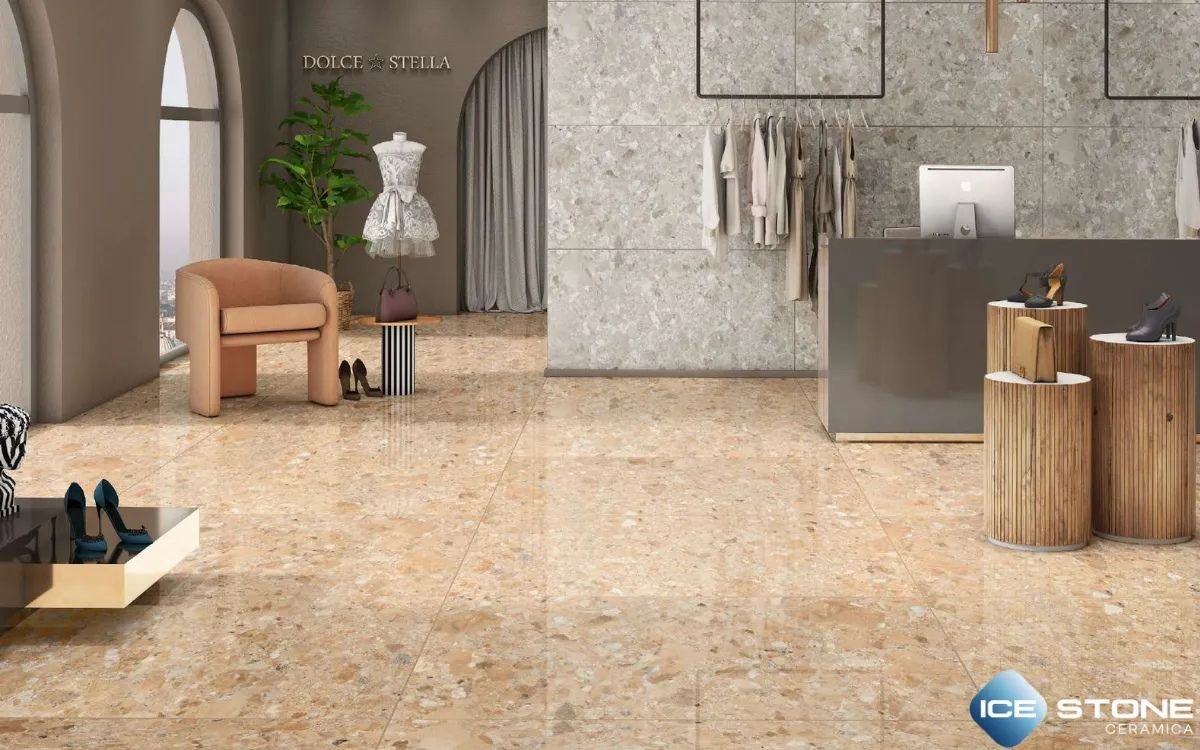
Getting the wall and floor tile combination right pulls the whole room together visually. A common approach is choosing a floor tile in a neutral or slightly darker shade than the wall, which grounds the room and hides everyday wear better underfoot. If the floor already has a bold pattern or marble-look design, keeping the wall simple and plain lets the floor stay the visual focus — and vice versa, a bold accent wall pairs best with a calmer, more neutral floor.
How to Choose Wall Tiles for a Living Room
Based on Room Size — Smaller living rooms benefit from lighter colors and larger-format tiles, which avoid visually breaking up the space with too many grout lines.
Based on Wall Choice — Decide early whether you’re tiling a single feature wall or the entire room; a bold design works best contained to one wall, while a full-room treatment calls for a calmer, more neutral tile.
Based on Lighting — Rooms with limited natural light benefit from glossy finishes that reflect available light, while well-lit rooms can handle matte or textured tiles without feeling dim.
Based on Budget — Ceramic offers the most economical option, while natural stone, glass, and designer textured tiles sit at the premium end.
Living Room Wall Tiles Price Guide
| Tile Size | Approx. Price (₹/Sq. Ft.) |
|---|---|
| 300 × 600 mm | ₹67 – ₹75 |
| 600 × 1200 mm | ₹62 – ₹81 |
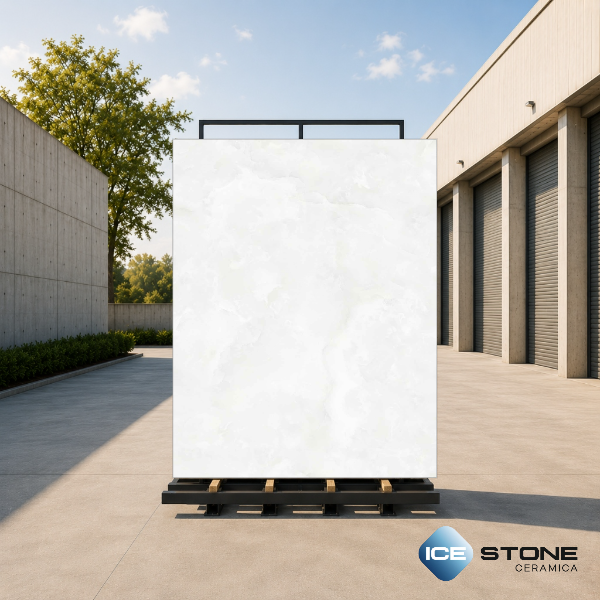
| 1200 × 1800 mm | ₹95 – ₹130* |
Note: Prices are approximate and vary by design, finish, and collection. Check individual product pages or contact our team for current pricing and box rates.
Pricing for living room wall tiles depends heavily on material, finish, and design complexity. Ceramic tiles remain the most budget-friendly option for covering a full wall, while 3D, textured, and natural stone-look tiles cost more per square foot due to the additional manufacturing detail. Since most living room installations use tiles for a single accent wall rather than the whole room, actual project cost is often lower than homeowners initially expect. Prices vary by design and collection — check individual product pages for exact rates.
Living Room Wall Tiles vs Paint
Paint is cheaper upfront and quicker to change if you want a new look later, making it the more flexible choice for renters or frequently redecorated spaces. Wall tiles cost more initially and are more permanent, but they deliver texture, depth, and durability that paint simply can’t offer — and they hold up far better against scuffs, marks, and daily wear over the years. For a single feature wall, many homeowners find tiles worth the extra investment specifically because the design impact is so much stronger than a flat coat of paint.
Small Living Room Wall Tiles Ideas
In a smaller living room, lighter tile colors and larger formats help the space feel more open, since fewer grout lines create a cleaner, less broken-up look. A single accent wall — rather than tiling every surface — keeps a small room from feeling closed in, and a glossy finish can help bounce available light around to make the space feel bigger than it is.
Common Mistakes When Choosing Living Room Wall Tiles
Tiling every wall in a bold pattern — A striking textured or patterned tile can overwhelm a small living room if it isn’t contained to a single feature wall.
Ignoring lighting conditions — Choosing a dark, matte tile for a poorly lit room can make the space feel smaller and dimmer than intended.
Mismatching wall and floor tones — Picking wall and floor tiles independently, without checking how they read together, often makes a room feel visually disjointed.
Overlooking furniture placement — A bold feature wall loses impact if a bookshelf or large furniture piece ends up blocking most of it.