

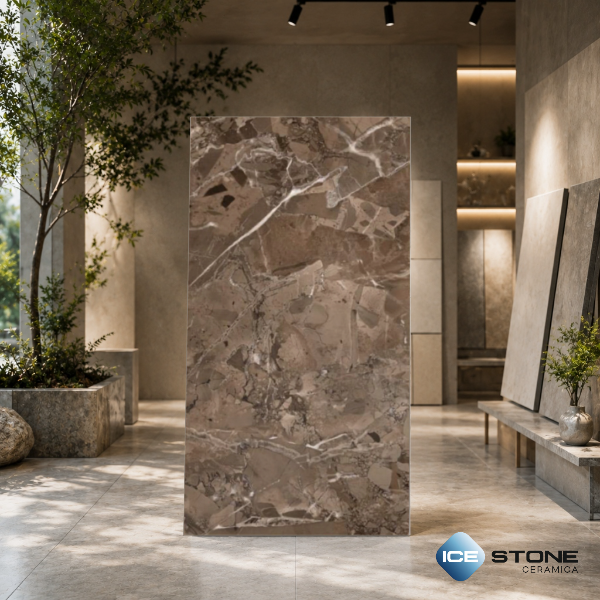

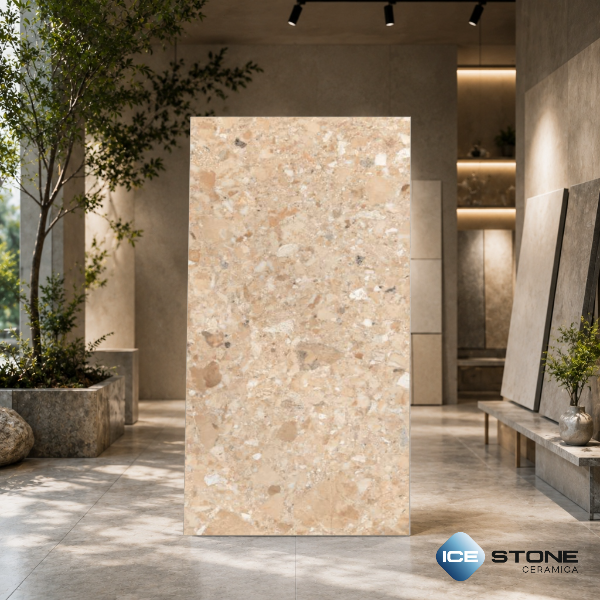
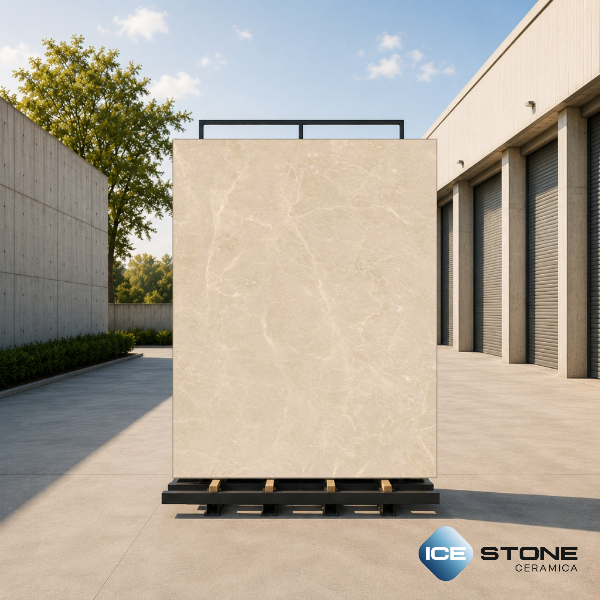
Buy Living Room Floor Tiles Online
The living room is usually the first space a guest notices and the room a family spends the most time in — which makes its floor one of the most consequential design decisions in the whole home. Icestone Ceramica’s living room floor tile collection is built around that reality: large-format, seamless designs in modern and luxury finishes that hold up to daily family life without losing their shine. Explore our full range of Buy Premium Floor Tiles Online at Best Prices in India for every other room in the home.
Whether you’re flooring a compact apartment living room or a large open-plan family space, the right tile comes down to three things: how large-format the tile is, how well the colour hides daily wear, and how it ties the rest of the room’s design together.
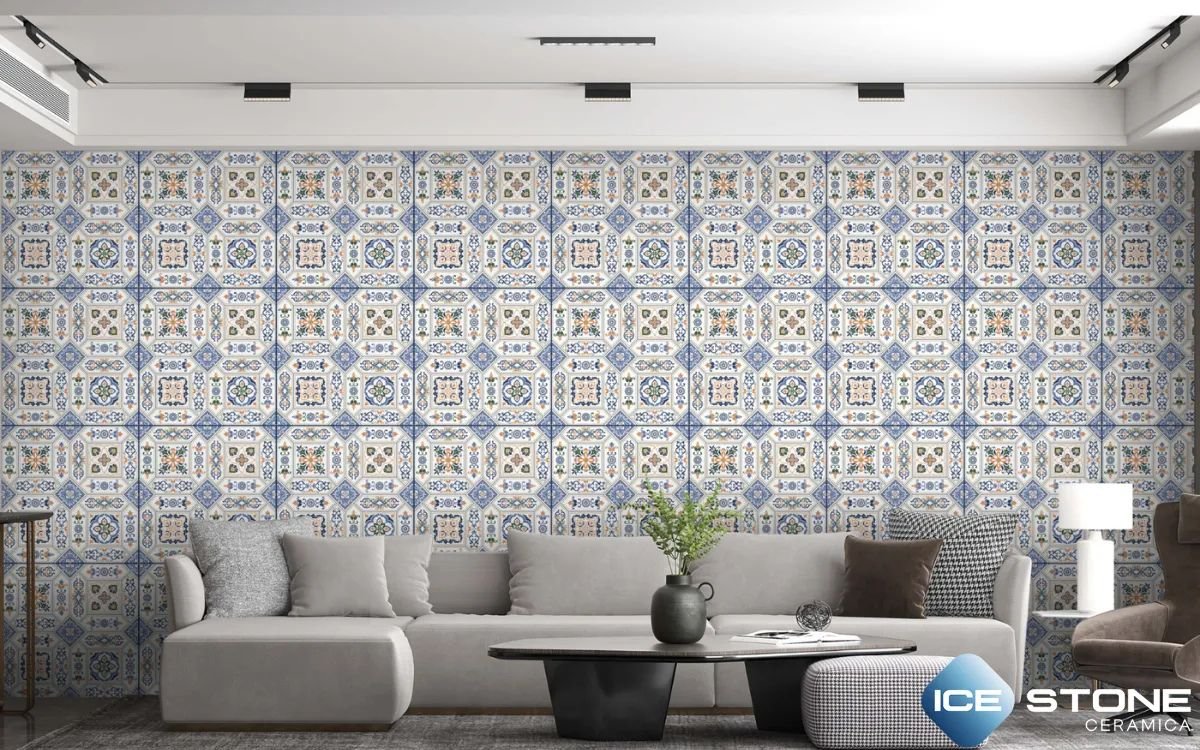
What Makes a Good Living Room Floor Tile?
A good living room floor tile combines a large format, a durable low-porosity body, and a finish that suits how the room is actually used. Living rooms see less direct water exposure than kitchens or bathrooms, so the priority shifts toward appearance and durability — large-format porcelain or vitrified tiles that reduce visible grout lines and create a seamless, spacious look.
Foot traffic here is steady but rarely as harsh as a kitchen or hallway, which gives more flexibility on finish. Glossy tiles work well in living rooms specifically because the room stays dry, letting you take advantage of the extra shine and light-reflection without the slip-risk that rules glossy out in a bathroom or kitchen.
Living Room Floor Tiles Design
Modern Living Room Floor Tiles
Modern living room floor tile design centres on large formats 600×1200mm and above in neutral, muted tones that let furniture and decor become the visual focus rather than the floor itself. Fewer grout lines read as more contemporary and make the whole room feel more expansive, which is why large-format tiles have become the default recommendation for anyone updating a living room floor today.
Luxury Living Room Floor Tiles
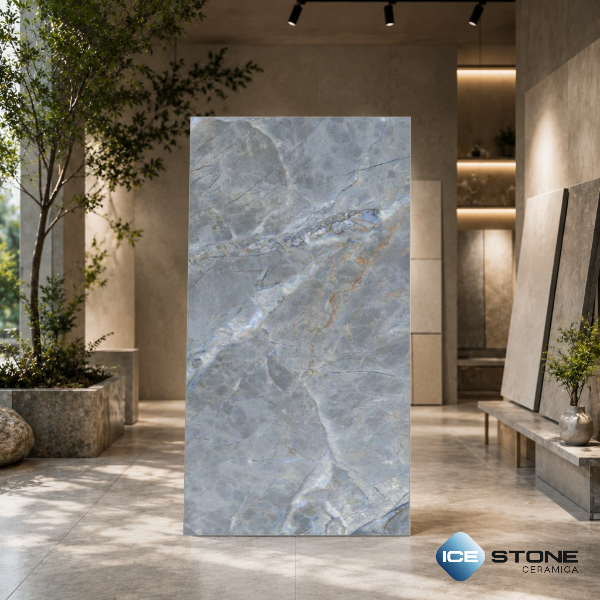
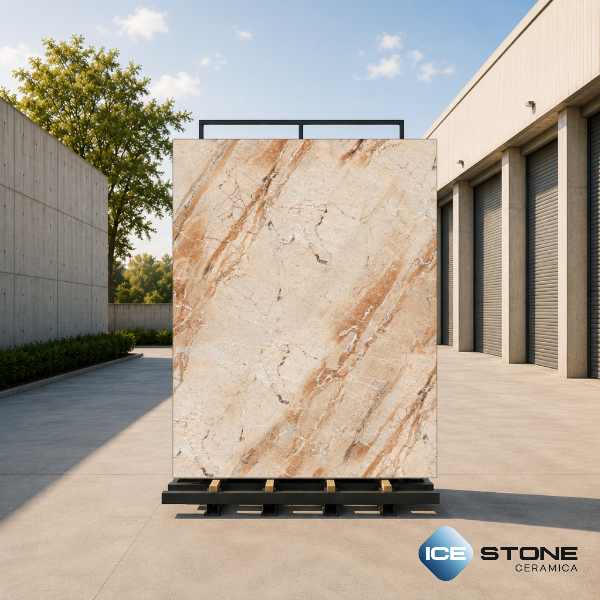
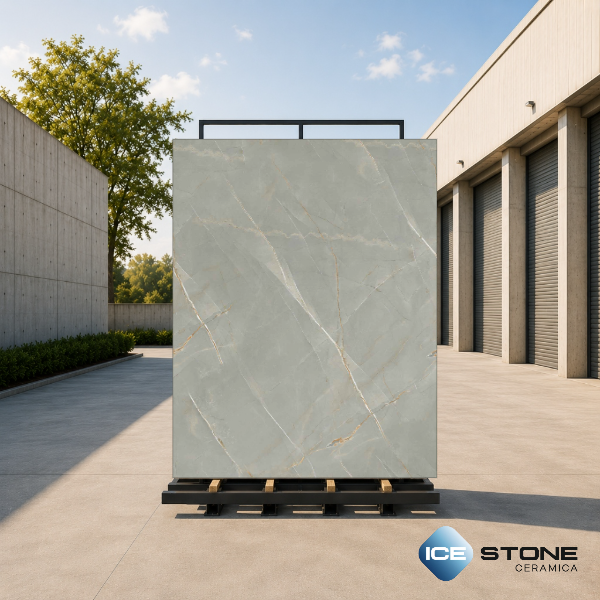
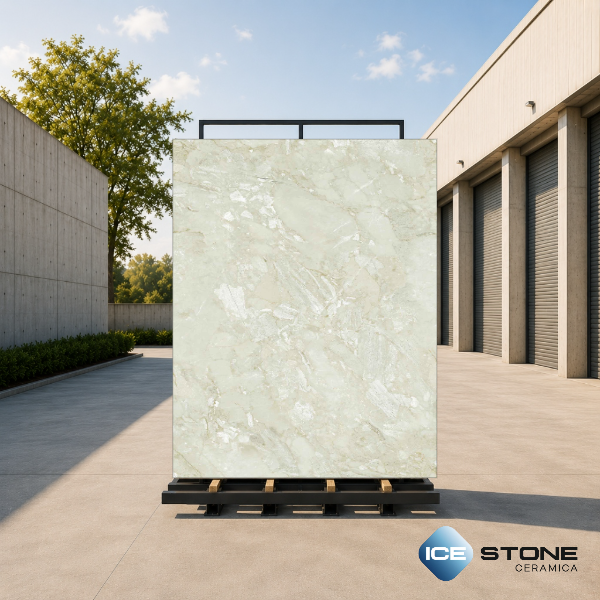
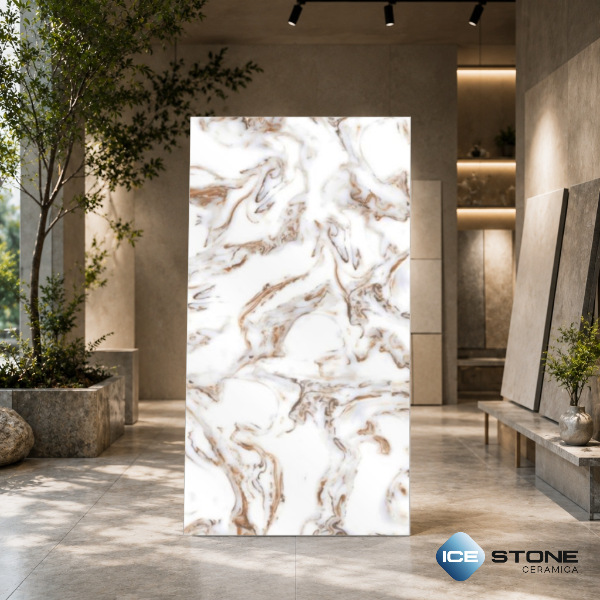
Luxury living room floor tiles typically mean one of two things: an oversized format (1200×1800mm and above) that all but eliminates grout lines, or a premium marble-look design with detailed veining that mimics natural stone closely enough to be mistaken for it. Both routes create the same effect — a floor that reads as considerably more expensive than a standard tile, without the maintenance that real marble or oversized natural stone slabs would demand.
Small Living Room Floor Tiles Design
In a compact living room, the tile does more to shape how spacious the room feels than almost any other design choice. Light-toned, large-format tiles reflect more light and minimise the grout lines that can visually chop up a small floor. Keeping a single tile size and colour throughout, rather than mixing formats or introducing a bold pattern, helps a small living room read as one continuous, open space rather than a cluttered one.
3D Living Room Floor Tiles
3D floor tiles use printed or raised texture to create a sense of depth — a subtle stone-grain relief, a rippled effect, or a geometric raised pattern. In a living room, these work best as a feature area rather than covering the entire floor, since a full room in a heavy 3D pattern can end up competing with furniture and artwork instead of complementing them.
Living Room Wall and Floor Tiles Combinations
Where a living room shares a wall with an accent feature a TV unit wall, a fireplace surround matching the floor and wall tile tone creates a more cohesive, designed look than treating them as separate decisions. A common approach is to keep the floor in a slightly warmer or more neutral tone than a bolder accent wall, letting the wall carry the visual statement while the floor stays timeless underneath it.
Living Room Floor Tiles by Material
Wooden Living Room Floor Tiles
Wood-look floor tiles remain one of the most requested materials for living rooms because they bring genuine warmth to a room that’s meant to feel lived-in and comfortable, without the swelling, scratching, or refinishing that real timber flooring eventually demands. Built on a porcelain or vitrified base, they hold up to daily furniture movement and foot traffic far better than actual wood.
Ceramic Living Room Floor Tiles
Ceramic tiles remain a practical, budget-friendly choice for living rooms that see lighter use a formal drawing room used mainly for guests, for instance, rather than the family’s main daily living space. They offer a wide range of colours and designs at a lower cost than porcelain, though they’re better suited to lower-traffic living rooms than a primary family room.
Porcelain & Vitrified Living Room Floor Tiles
Porcelain and vitrified tiles are the standard choice for a primary living room because of their density, low water absorption, and ability to handle years of daily foot traffic without scratching or dulling. Both materials also take large formats well, which is what makes the seamless, modern look most homeowners want for this room achievable in the first place.
Granite Living Room Floor Tiles
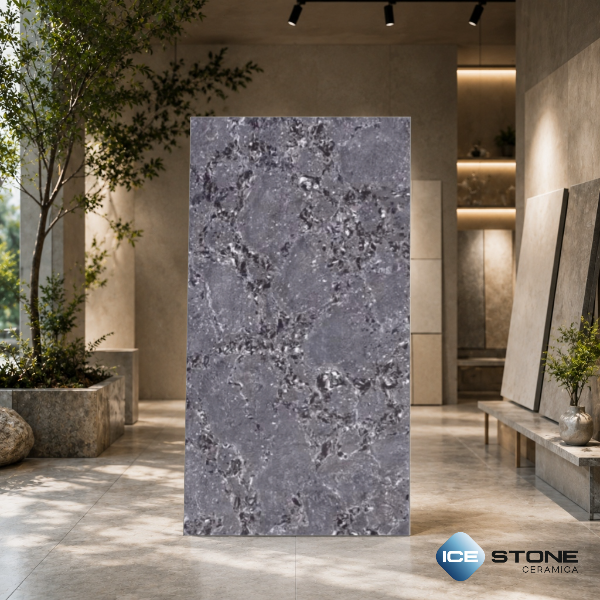
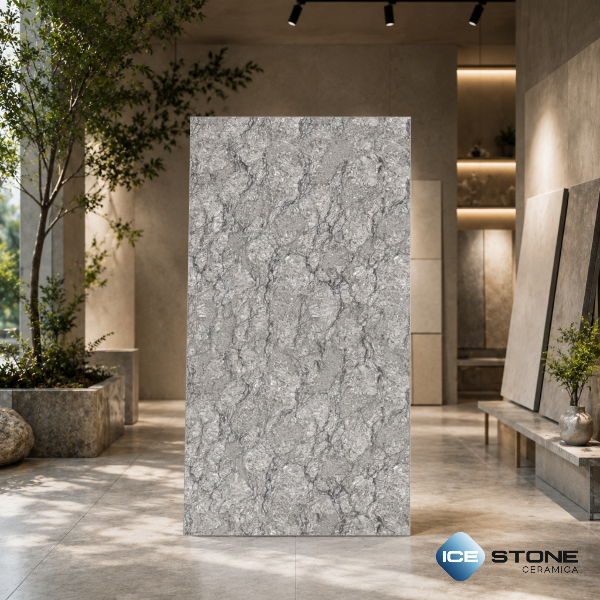
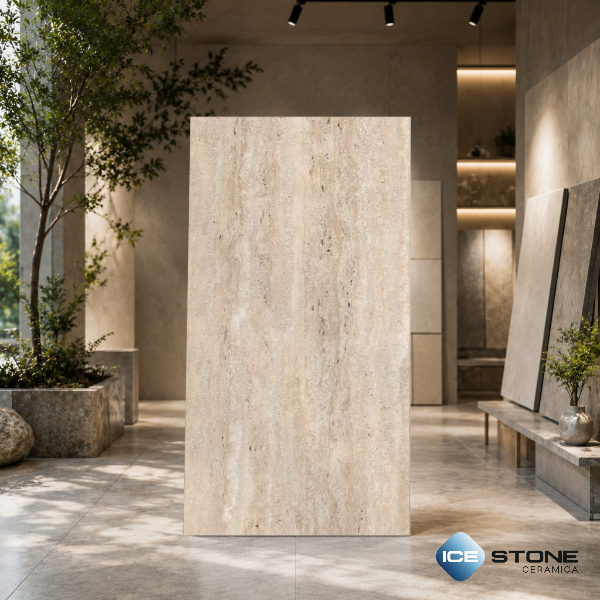
Granite-look tiles bring a heavier, more mineral-flecked texture than marble-look designs, suited to living rooms that want a bolder, more grounded appearance rather than the softer veining of a marble finish.
Living Room Floor Tiles by Colour
Grey Living Room Floor Tiles
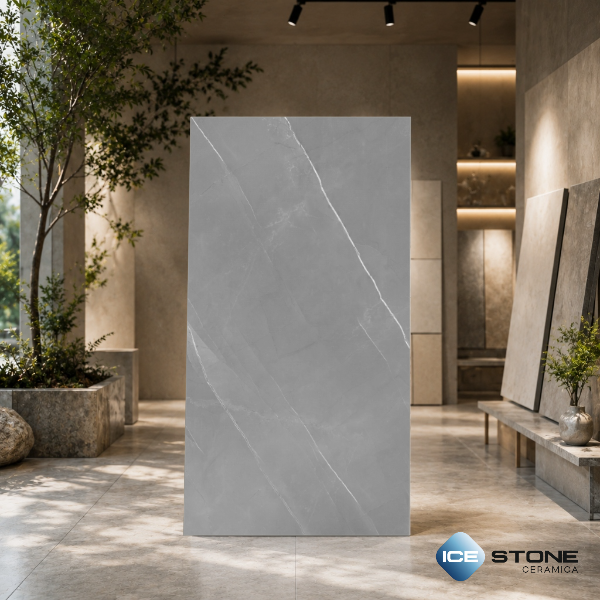
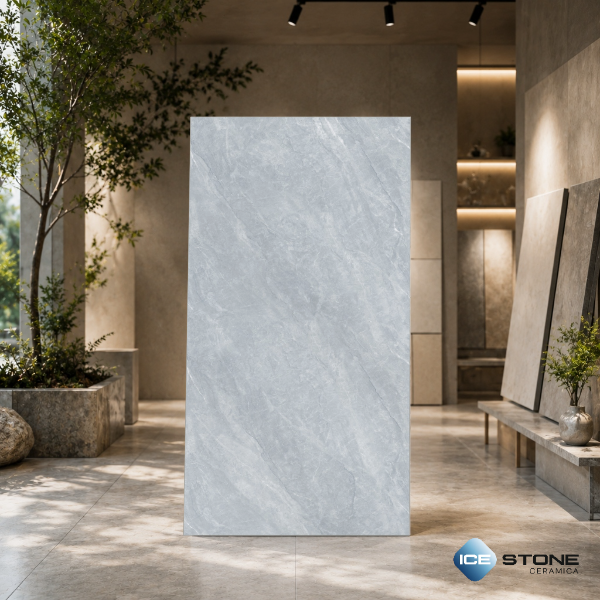
Grey living room floor tiles remain one of the most popular choices for this room because grey pairs with almost any furniture colour and hides daily foot traffic and light dust noticeably better than a lighter shade, while still reading as contemporary rather than dated.
White Living Room Floor Tiles
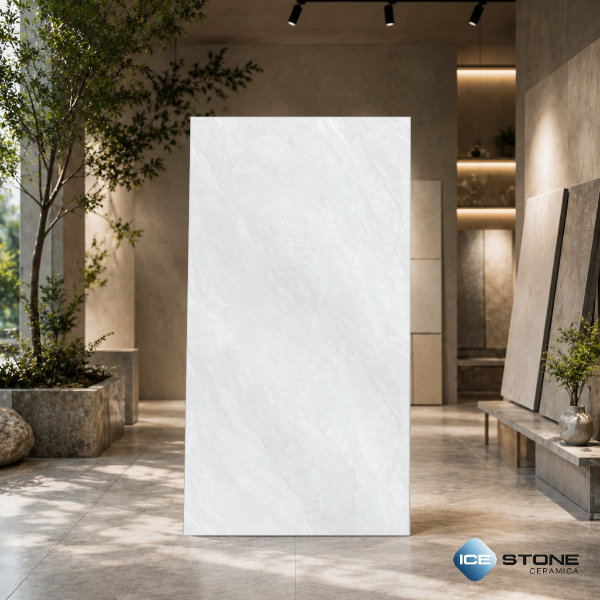
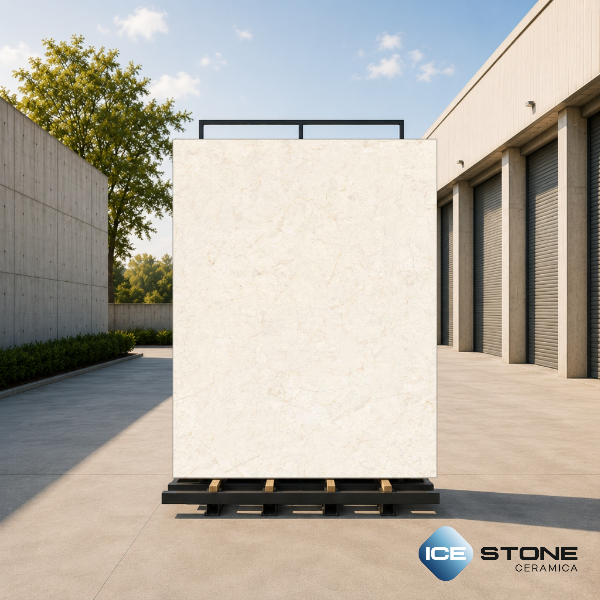
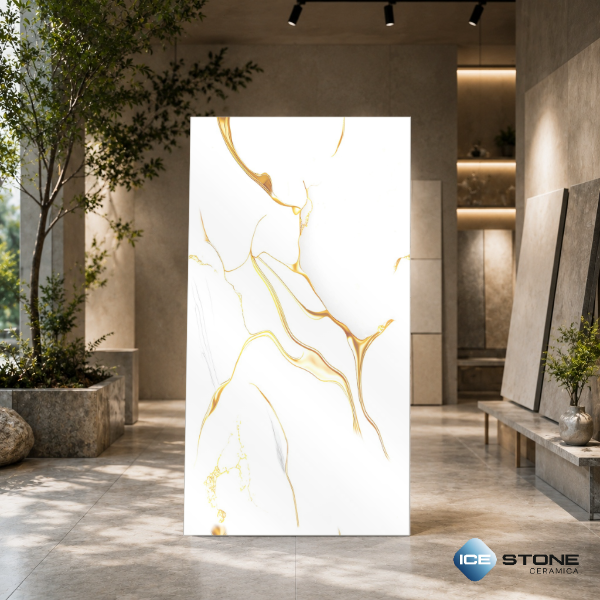
White living room floor tiles brighten the room and make it feel considerably larger, especially in apartments with limited natural light. The tradeoff is visible wear — white shows scuffs and dust faster than darker tones, so it suits living rooms that get cleaned regularly rather than ones left for long stretches between sweeps.
Black Living Room Floor Tiles
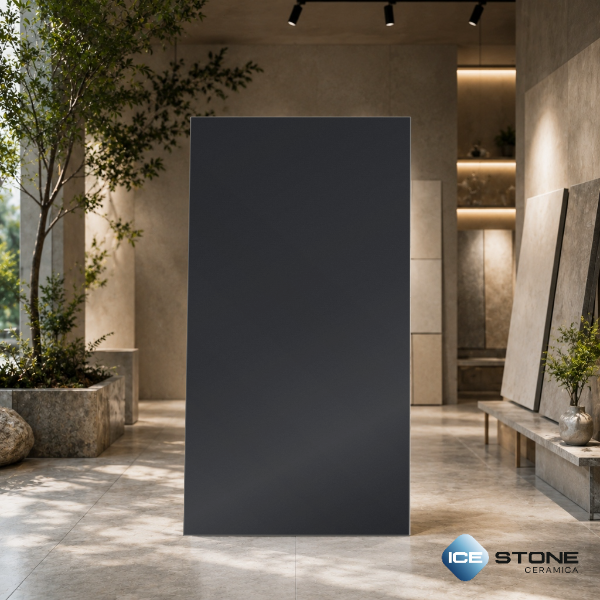
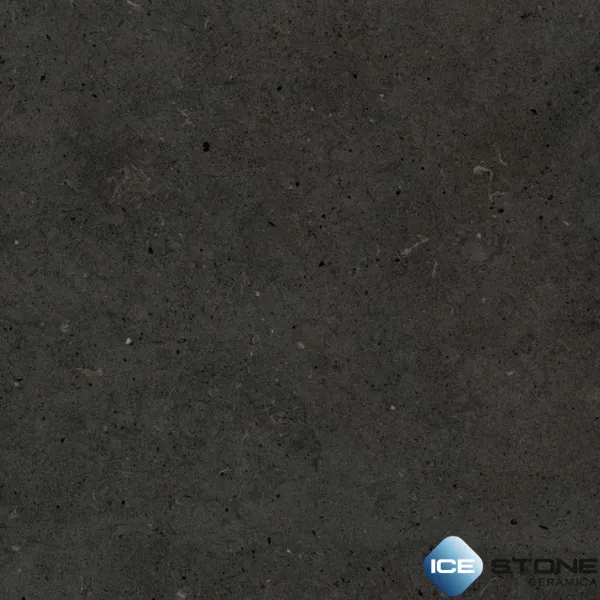
Black living room floor tiles create a bold, high-contrast look usually paired with lighter walls and furniture for a premium, hotel-lobby-like feel. They hide daily marks and dust better than almost any lighter colour, making them a genuinely practical choice for a heavily used family room, not just a design statement.
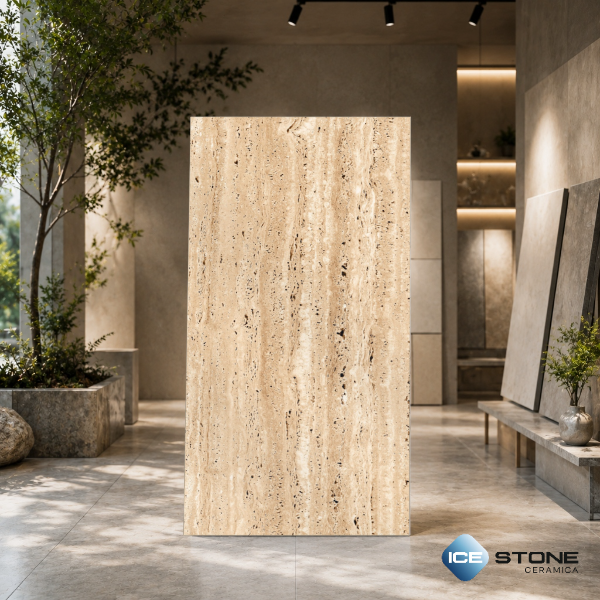
Beige, brown, and terracotta tones remain popular warmer alternatives to grey and white, particularly in living rooms with wooden furniture or a more traditional design direction, where a cooler neutral can feel slightly out of place.
Living Room Floor Tile Texture & Finish
Glossy finishes are a genuinely practical choice for living rooms in a way they aren’t for kitchens or bathrooms, since the room stays dry and the reflective surface makes the space feel brighter and larger — a real advantage in smaller or lower-light living rooms. Matt finishes remain the safer default for larger family rooms that see heavier daily use, since they hide footprints, dust, and minor scratches more effectively than a polished surface. Textured, stone-look finishes sit in between, adding visual depth without the glare of a full-gloss tile.
Living Room Floor Tiles Price
Living Room Floor Tiles Price List
| Tile Size | Approximate Price Range (Per Sq. Ft.) |
|---|---|
| 600×600 mm | ₹78–₹90 |
| 600×1200 mm | ₹60–₹75 |
| 1200×1800 mm | ₹125–₹150 |
| 600×1200 mm (marble-look/luxury) | ₹95–₹130 |
Prices vary by design, finish, and collection. Check individual product pages for current pricing.
Factors Affecting Living Room Tile Price
Marble-look and luxury designs generally cost more than a plain matt tile of the same size, since replicating detailed veining through digital printing adds to the manufacturing process. Oversized formats also carry a higher per-box cost due to more complex handling during manufacturing, but they reduce grout lines significantly and often make a room feel considerably more premium for a proportionally smaller cost increase than expected.
How to Choose the Right Living Room Floor Tile
Choose by Room Size
Larger living rooms can carry oversized formats and bolder colours without feeling overwhelming, while smaller or apartment-sized living rooms benefit more from lighter tones and a single, large-but-manageable tile format that keeps the space feeling open.
Choose by Colour & Design
Grey and black hide daily wear best and suit busy family living rooms, while white and light tones prioritise brightness and a sense of space over low-maintenance practicality — match the colour to how the room actually gets used, not just how it photographs on day one.
Choose by Material
Porcelain and vitrified tiles are the reliable choice for a primary, daily-use living room thanks to their durability and ability to handle large formats well. Ceramic remains a reasonable option for a secondary or lower-traffic living/drawing room where budget is the bigger consideration.