
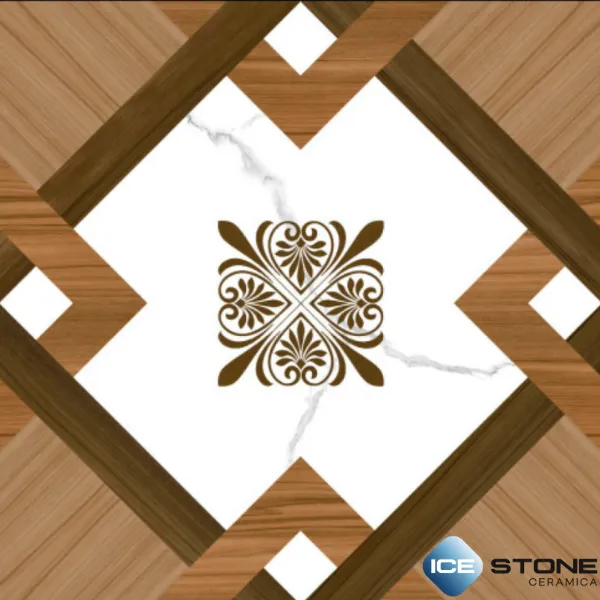
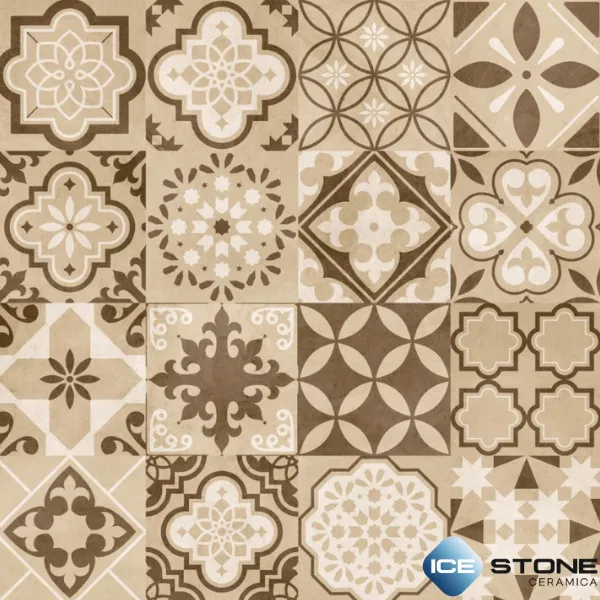
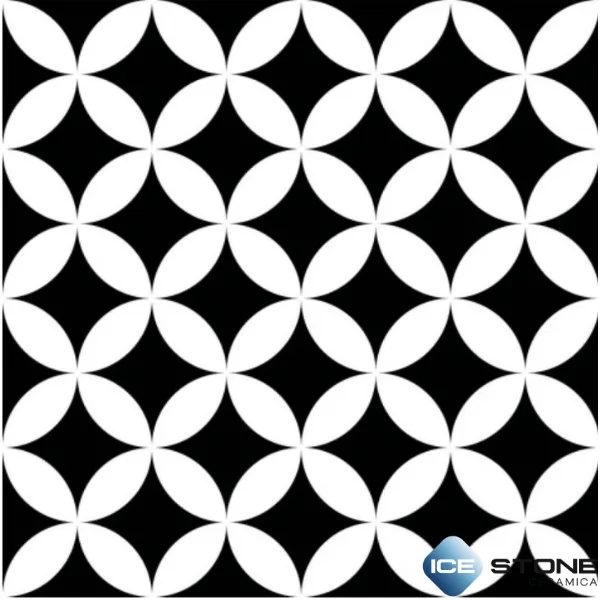
Buy 3D floor tiles online
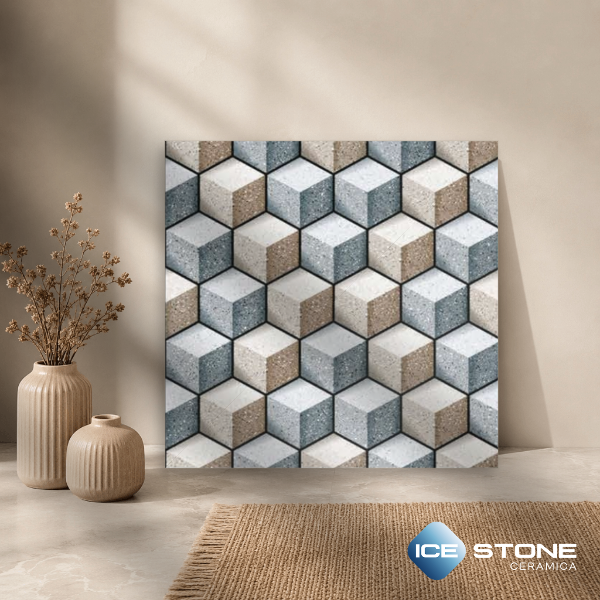
3D floor tiles use printed depth and a raised surface texture to make a flat tile look and feel three-dimensional. Icestone Ceramica’s 3D floor tile range comes in ceramic, porcelain, and vitrified bases, so you get the visual effect without giving up durability.
Browse the full floor tile collection for every other design and room, or see the wider 3D Tiles range across both walls and floors. Every order ships from our Bangalore facility, with regular deliveries already reaching Kerala and export shipments moving to Gulf markets.
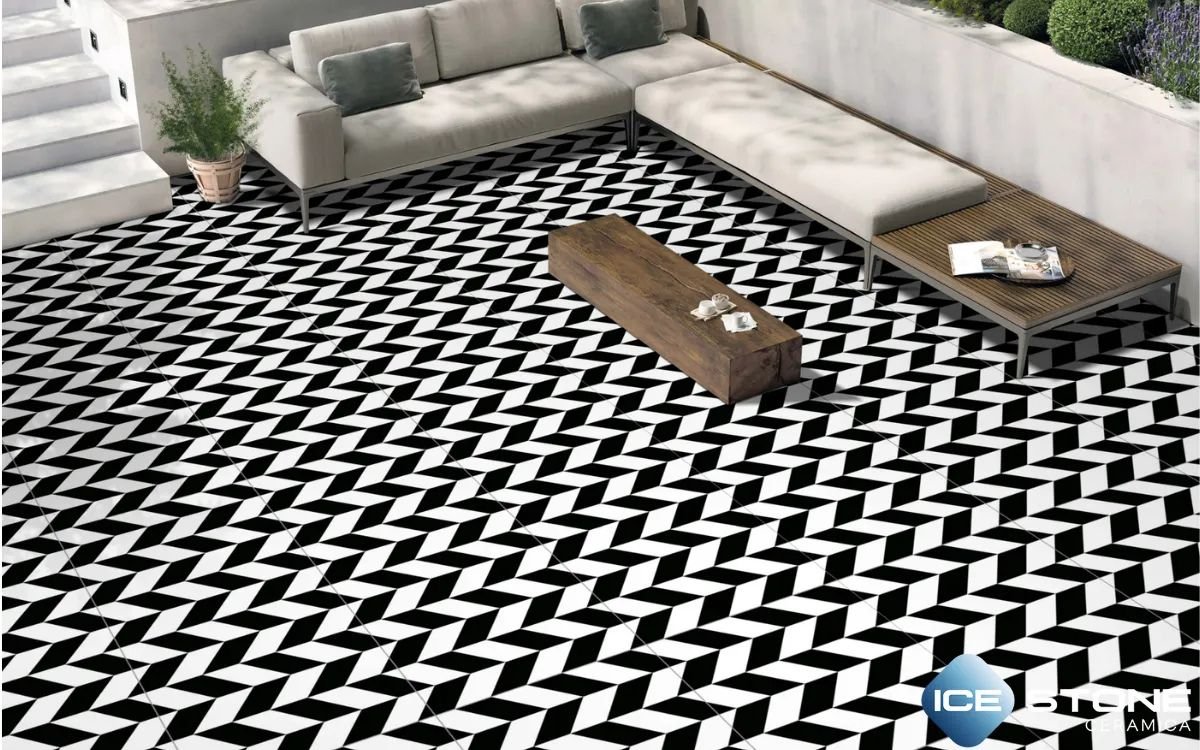
What are 3D floor tiles?
3D floor tiles combine high-definition digital printing with an embossed or raised surface texture. The pattern you see lines up with the texture you feel, so light and shadow shift as you move across the room or look at it from an angle.
A regular tile with a busy print looks flat under any light. A genuine 3D tile doesn’t. Manufacturers press a textured mould over the printed design during firing, which is what keeps the raised and recessed sections matched to the darker and lighter printed tones.
Types of 3D floor tiles
Printed 3D tiles are the most common option in Indian homes. Digital printing lays down a high-resolution design, then a textured mould presses the surface to match it. This gives you stone, wood, marble, and geometric looks at a fraction of the cost of the real material.
Epoxy 3D floor tiles work a bit differently. A resin layer sits over a printed base image, creating an almost holographic depth effect, ocean waves, abstract art, and even optical-illusion patterns. These are mostly used for a single statement floor rather than a whole home, since epoxy needs a smoother substrate and more careful installation.
Textured relief tiles skip the photorealistic printing and lean on surface geometry alone, raised diamonds, ridges, or a rock-like face. These read as 3D even from a distance, without needing a specific light angle to show the effect.
3D floor tile designs
Geometric patterns
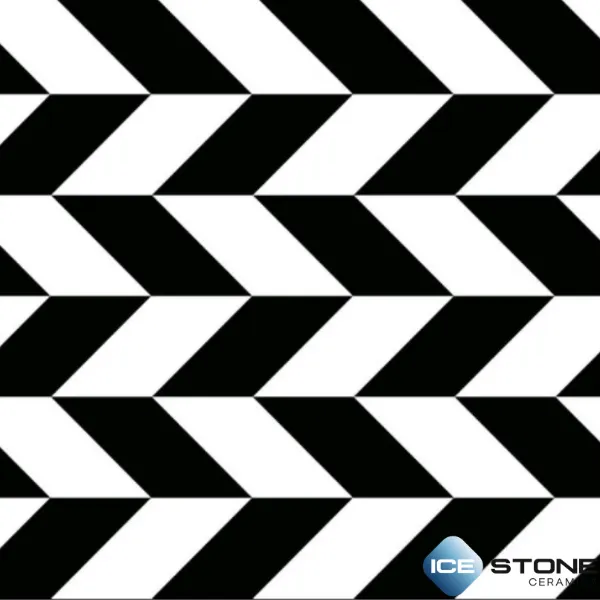
Raised diamonds, interlocking hexagons, and stepped grids are the most requested 3D design style. They work in modern and traditional interiors alike and hold up visually in both small rooms and open floor plans.
Flower and nature-inspired 3D tiles
3D flower floor tiles and botanical reliefs are a smaller but steady category, usually chosen as an accent rather than for full-floor coverage. A raised floral medallion in an entryway or a feature strip does more for a room than covering an entire hall with the same pattern.
Water and stone-relief effects
A rippled water-effect design shows up most in bathroom feature zones or around a pool edge, where the theme actually fits the space. Stone-relief tiles emboss a natural rock texture onto the surface, so you get the tactile depth of real stone without the sealing and staining upkeep that comes with it.
Where to use 3D floor tiles, room by room
3D floor tiles for the living room work best as a defined zone, an entry strip, or a seating area, rather than across the whole floor. A bold pattern on a full living room floor ends up competing with furniture and rugs more than complementing them.
3D floor tiles for the bedroom should lean subtle. A low-relief texture in a soft tone suits a room meant for rest far better than a sharp geometric print underfoot.
3D bathroom floor tiles are actually one of the more practical uses of this category. The raised texture that creates the visual depth also improves grip, which matters in a wet area. Pair it with a matt or anti-skid finish for that reason.
3D floor tiles for the kitchen and for a hall or drawing room hold up well in matt or textured finishes too, since both spaces deal with spills and daily foot traffic.
3D floor tiles price
| Size | Approximate price (per sq. ft.) |
|---|---|
| 400×400 mm | ₹70 |
| 600×600 mm | ₹55 – ₹83 |
| 600×1200 mm | ₹62 – ₹81 |
| 16×16 inch (parking-grade vitrified) | ₹70 |
Prices vary by design complexity, texture depth, and collection. Check individual product pages for current pricing.
Price moves with base material, texture depth, and design complexity. A printed 3D tile in ceramic costs less than an epoxy or deep-relief design in vitrified material.
If you’re comparing a printed price list from another brand, check whether the figure is per box or per sq. ft. first. That mismatch is where most of the confusion in “3D floor tiles price” searches actually comes from. Check individual product pages on this site for current per-box and per-sq.-ft. pricing.
How to choose the right 3D floor tile
Match the pattern to the room’s job, not just its size. A bold 3D design earns its place in an entryway, a feature wall-to-floor transition, or a bathroom where the added grip helps. It struggles in a room you look at from the same angle all day, like a bedroom.
Match texture depth to how the space gets used. A subtle, low-relief pattern is easier to clean and less visually loud, so it fits kitchens and bedrooms better. A deeper 3D effect earns its keep in a hall or entry, where you want that first impression to land.
Match the base material to traffic. Vitrified handles high-moisture, high-traffic areas like parking and bathrooms better than ceramic, thanks to lower water absorption.