





Walk into any home and the living room is usually the first space that shapes your opinion of it. Before you notice the sofa or the wall art, your eyes go to the floor. That’s the power tiles hold in this room — they’re not just flooring, they’re the backdrop for everything else you’ll ever put in that space.
If you’re renovating or building fresh in 2026, this guide covers everything from choosing the right material to understanding pricing, patterns, and the mistakes most homeowners make before it’s too late to fix them.
Why Living Room Tiles Define Your Home’s First Impression
The living room carries more visual weight than any other room in an Indian home. It’s where guests sit, where families spend evenings, and where natural light usually enters the most. Because of that, the tile you pick here does more work than tiles anywhere else in the house.
Three things change the moment you switch tiles in a living room:
- Space perception – lighter, larger tiles make a compact hall feel open, while smaller tiles with more grout lines can visually shrink a room
- Lighting reflection – glossy tiles bounce natural and artificial light around the room, which matters a lot in flats that don’t get direct sunlight
- Luxury feel – the right tile, even at a mid-range price, can make a living room look far more expensive than it actually cost
This is why interior designers spend so much time on flooring aesthetics before touching anything else in a modern home layout. Get the tile right, and half your interior design work is already done.
What Are the Best Tiles for Living Room?
Best tiles for living room are vitrified and porcelain tiles with a matt or glossy finish, offering durability, low maintenance, and modern design appeal for high-traffic areas.
Vitrified tiles handle daily footfall well and resist stains, which matters in a room that sees constant use. Porcelain tiles go a step further on durability and often come in marble-look or stone-look finishes that suit contemporary Indian homes. Ceramic tiles work too, especially on a tighter budget, but they don’t hold up as well over years of heavy use.
Living Room Floor Tiles vs Wall Tiles – What Really Matters?
People often assume floor and wall tiles are interchangeable. They’re not, and using one in place of the other is one of the more common regrets homeowners share after a renovation.
| Factor | Floor Tiles | Wall Tiles |
|---|---|---|
| Durability | High – built to handle foot traffic, weight, and daily wear | Medium – not designed for load-bearing use |
| Design impact | Sets the base look and tone of the entire room | Works as an accent, usually on a feature wall |
| Finish | Matt or glossy, chosen for grip and practicality | Mostly glossy, chosen for visual appeal |
Floor tiles need to survive scratches from furniture legs, spilled drinks, and constant walking. Wall tiles, especially on a TV unit wall or accent panel, are chosen purely for how they look since they’re never walked on. If you’re exploring options for either, our floor tiles and wall tiles collections cover both. Mixing this up — say, using a thin wall tile on the floor — usually ends in cracked tiles within a year or two.
Trending Living Room Tiles Designs
Tile trends shift slowly compared to fashion, but a few clear directions are dominating living room design choices in India this year.
Large Format Tiles (Seamless Look)
Bigger tiles mean fewer grout lines, and fewer grout lines mean a cleaner, almost seamless floor. Sizes like 600×1200 mm and 1200×1800 mm slabs are becoming the default choice in new-build apartments and villas because they make even a modest-sized hall look more premium. Our big tiles range is built specifically for this seamless look.
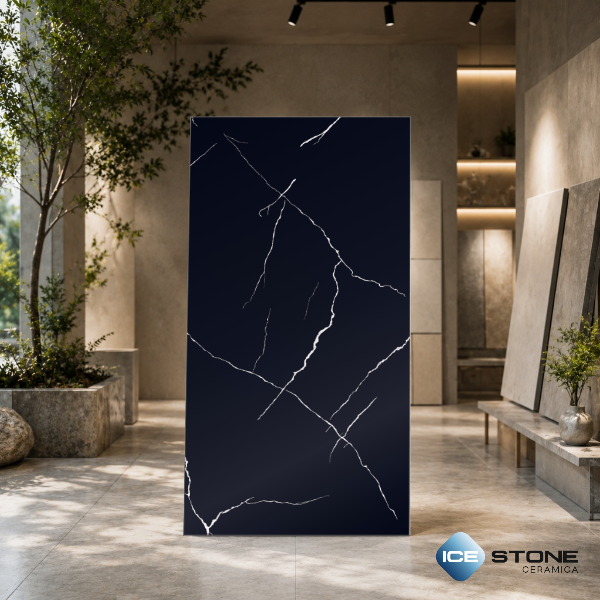
Marble Look Tiles (Luxury Interiors)
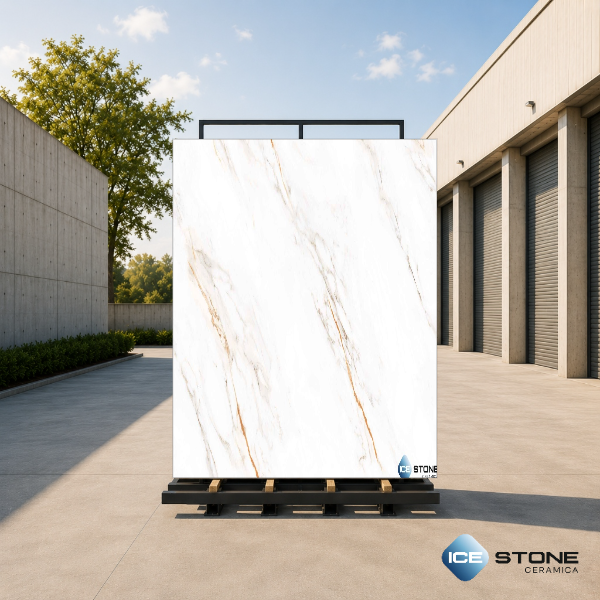
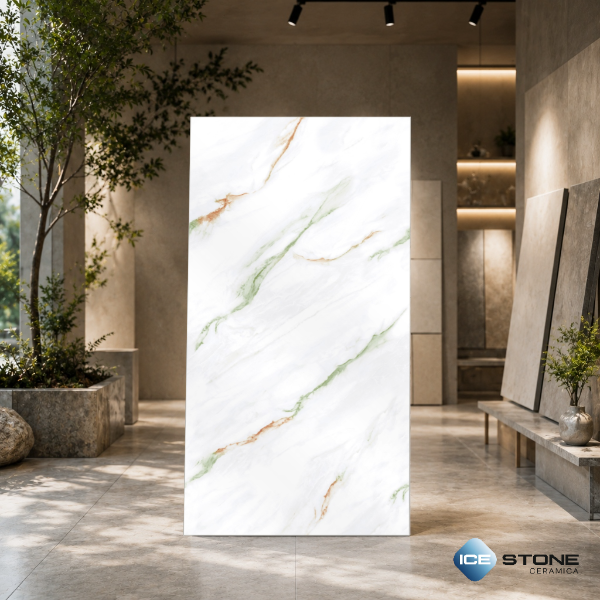
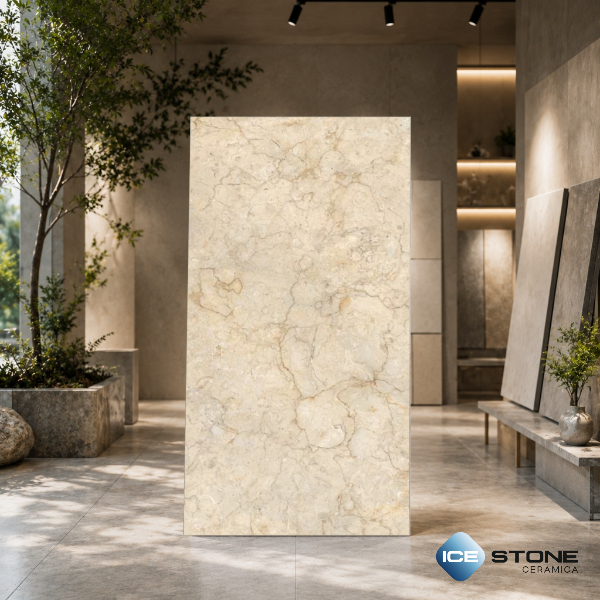
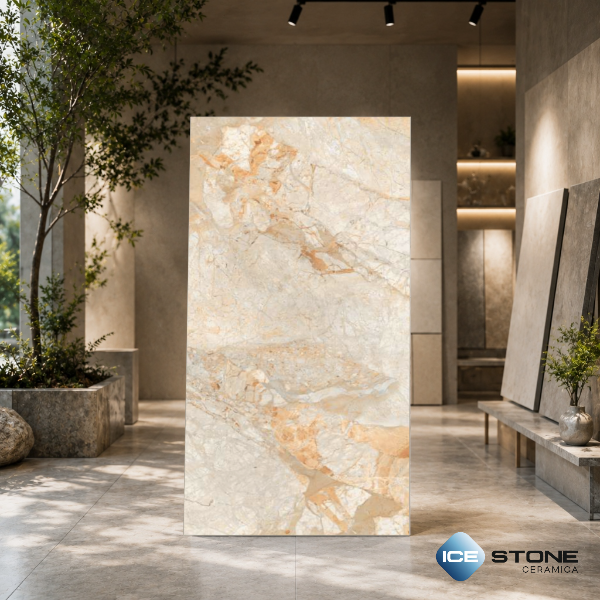
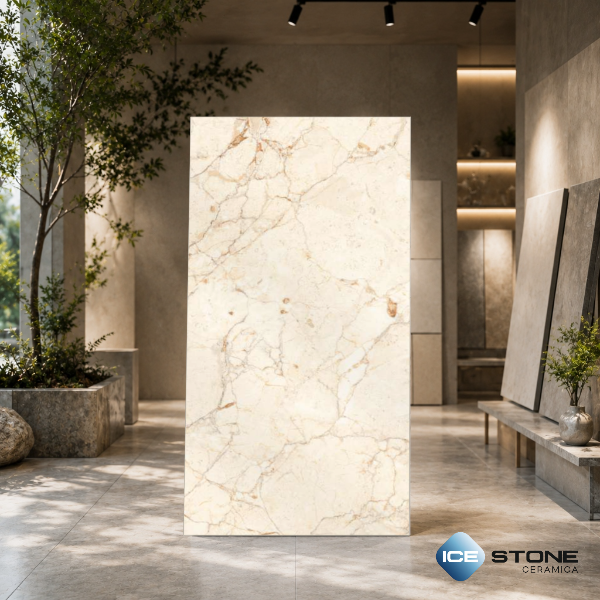
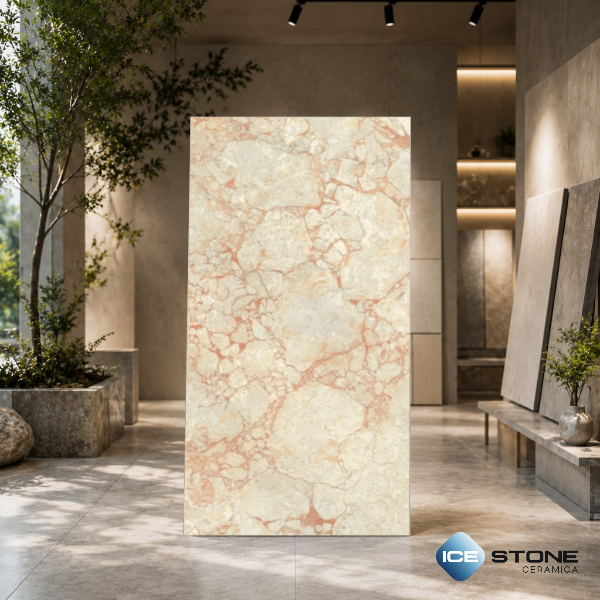
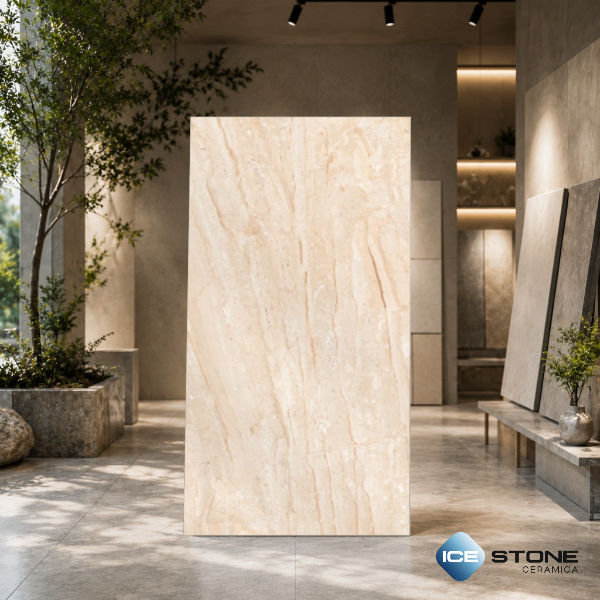
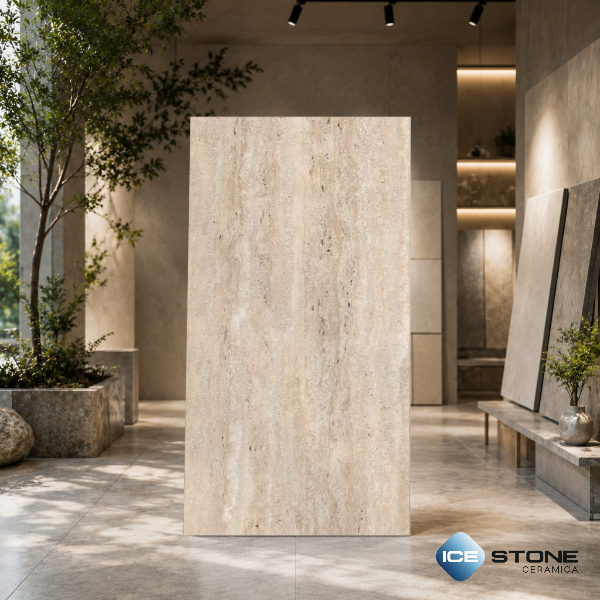
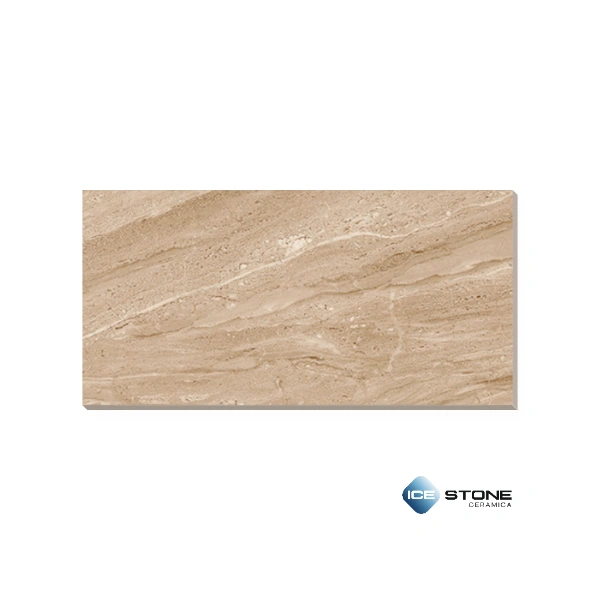
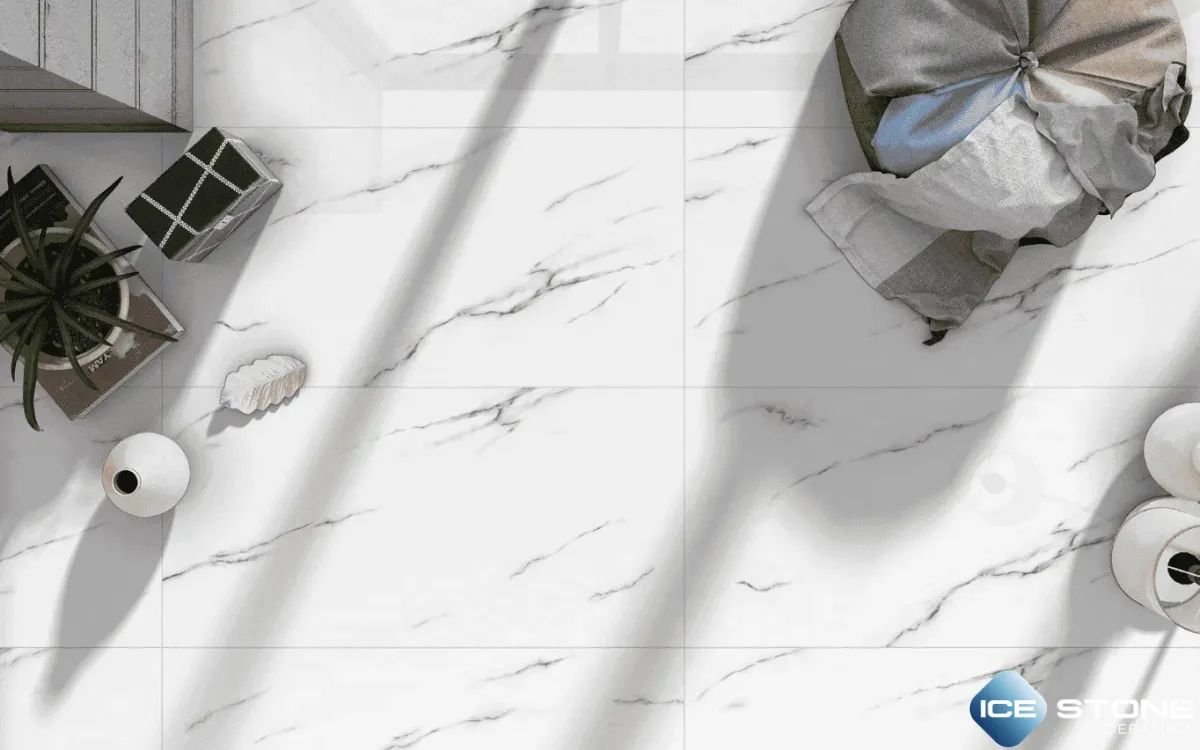
Real marble is expensive, hard to maintain, and prone to staining. Marble-look tiles solve all three problems while giving the same visual richness — veined patterns, soft sheen, and that unmistakable luxury feel, at a fraction of the cost and upkeep.
Wooden Finish Tiles (Warm Feel)
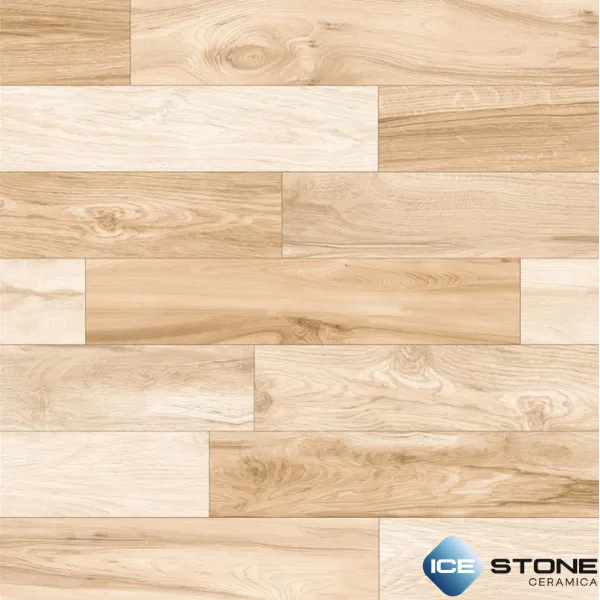
For homeowners who want the warmth of a wooden floor without the maintenance headaches of actual wood — scratching, warping, termite risk — wooden finish tiles have become a favourite, especially in living rooms with a lot of natural light.
Minimal Grey Tiles (Modern Homes)
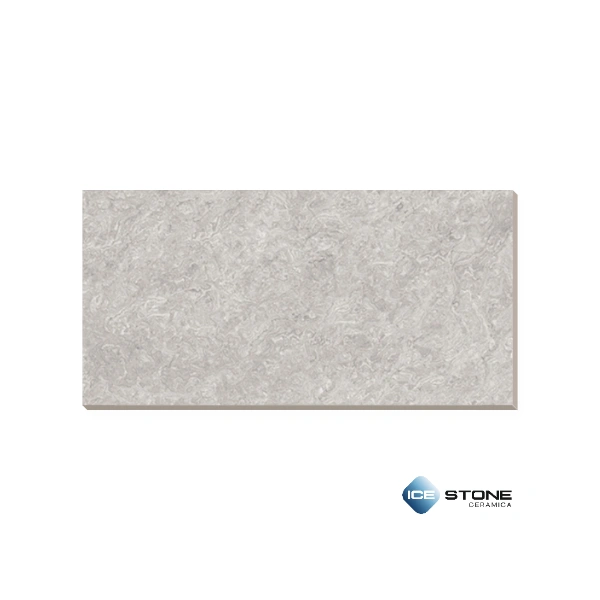
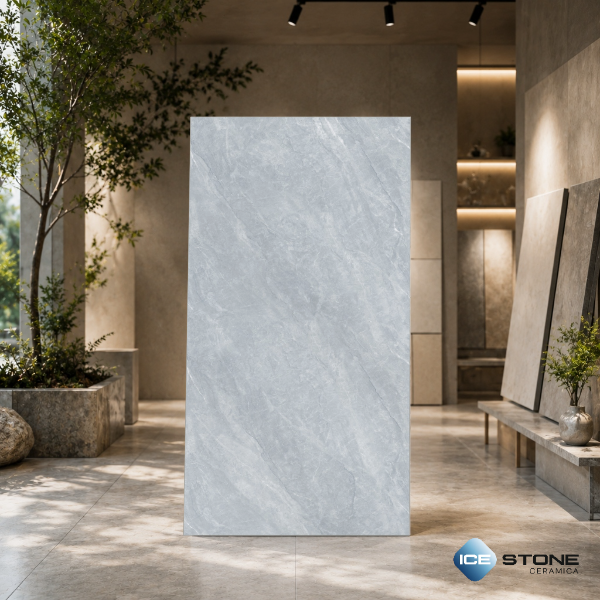
Grey has become the go-to neutral for contemporary Indian homes. It pairs easily with almost any furniture colour, doesn’t show dust as quickly as pure white, and gives a calm, understated modern living room tiles look that ages well.
High Gloss Tiles (Premium Look)
High gloss tiles reflect light beautifully and make a space feel bigger and brighter. They work particularly well in living rooms that don’t get much direct sunlight, since the shine compensates for the lack of natural brightness.
Tile Color Psychology for Living Room
Colour isn’t just decoration — it changes how a room feels to be in, and that’s something worth thinking through before you finalize a tile order.
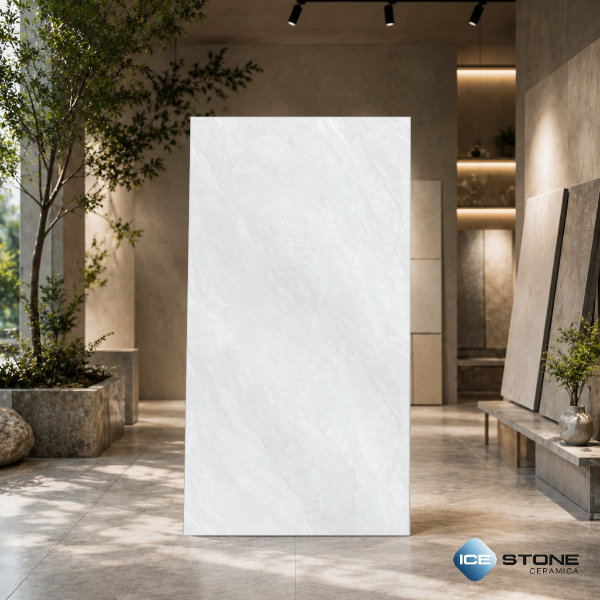
- White – makes a room feel spacious and bright, ideal for compact halls or flats with limited natural light, though it needs more frequent cleaning
- Grey – reads as modern and minimal, works well with almost any decor style, and hides everyday dust better than white
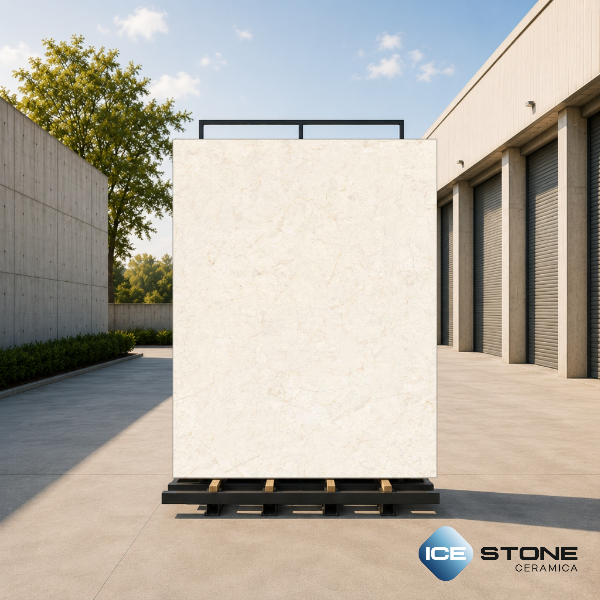
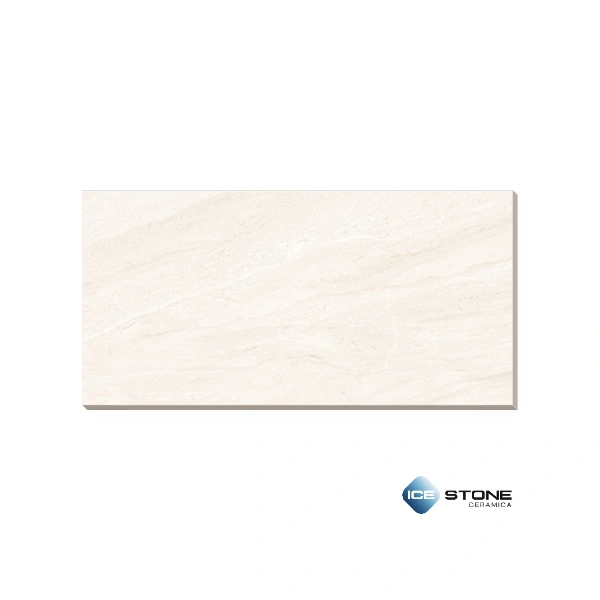
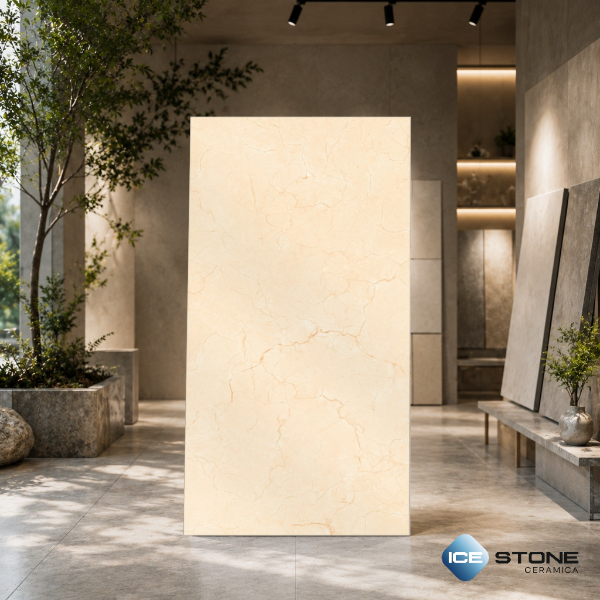
- Beige – brings warmth and coziness, a popular choice for family-focused living rooms that want a lived-in, welcoming feel
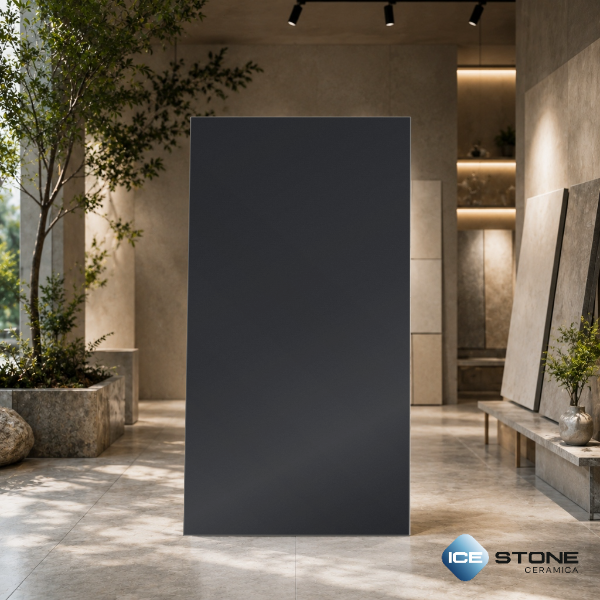
- Dark shades – black and deep brown toned tiles signal luxury and boldness, but work best in larger rooms with good lighting, since they can make small spaces feel closed in
Choosing the right tile color combination for living room spaces really comes down to two things: how much natural light the room gets, and how big the space actually is. A dark, bold tile in a small, dim room usually backfires.
How to Choose Living Room Tiles
There’s no single “best” tile — the right choice depends on your room’s size, how much shine you want, and how the space gets used day to day.
Based on Room Size
- Small living room – go with light colours and larger tile sizes. Fewer grout lines and a brighter tone both trick the eye into seeing more space than there is.
- Large living room – you have room to experiment. Bold and dark tones work well here, and the room can absorb the visual weight without feeling cramped.
Based on Finish
- Matt finish – a safer, more subtle choice that hides scratches and footprints better, and doesn’t get slippery when there’s dust or a light water spill
- Glossy finish – gives a premium shine and reflects light beautifully, but shows scuff marks more easily and needs more regular cleaning to keep that shine intact
Based on Usage
- High traffic living rooms – vitrified tiles are the safer bet. They resist scratches, stains, and daily wear far better over a 10-15 year horizon.
- Low traffic or occasional-use living rooms – ceramic tiles can work fine here, and they cost noticeably less without much practical downside in a lower-footfall space.
Best Tile Materials for Living Room
| Material | Best For |
|---|---|
| Vitrified Tiles | All-purpose living rooms — the safest, most balanced choice for most Indian homes |
| Porcelain Tiles | High durability — ideal if you want a tile that lasts decades with minimal wear |
| Marble Look Tiles | Luxury interiors — for homeowners chasing a premium, high-end aesthetic |
| Ceramic Tiles | Budget-friendly projects — good for rentals or lower-footfall living rooms |
Living Room Tiles for Small vs Large Spaces
Room size should genuinely change your tile strategy — not just the colour, but the size and pattern too.
Small Living Room
- Stick to light colours like white, cream, or soft grey to open up the visual space
- Choose bigger tiles (2×4 ft or larger) — they create fewer breaks in the floor and make the room feel more continuous
- Keep grout lines minimal and, where possible, match the grout colour closely to the tile to avoid visual clutter
Large Living Room
- Large format slabs work beautifully here and reduce the “busy floor” look that smaller tiles can create across a big area
- Dark tones and richer colours are easier to pull off since the room has enough scale to balance them out
- Pattern layouts herringbone, diagonal, mixed-size combinations become a real design option, something a small room usually can’t accommodate well
Living Room Tiles Price in India
Budgeting for living room tiles depends heavily on material choice, and prices vary a fair bit across categories.
| Tile Size | Approx. Price (₹/Sq. Ft.) |
|---|---|
| 300 × 600 mm | ₹67 – ₹75 |
| 400 × 400 mm | ₹70 – ₹85 |
| 600 × 600 mm | ₹55 – ₹83 |
| 600 × 1200 mm | ₹62 – ₹81 |
| 1200 × 1800 mm | ₹125 – ₹150 |
Living room tiles price in India also shifts with brand, design complexity (plain versus digitally printed), and finish. A 200 sq ft living room using mid-range vitrified tiles at ₹80/sq ft would cost roughly ₹16,000 for material alone, before adding installation and adhesive costs. Always check current rates with your supplier since design-specific pricing can vary from these general ranges.
Popular Tile Layout Patterns for Living Room
The way tiles are laid can change the entire personality of a room, even with the exact same tile.
- Straight grid – the classic, safest layout where tiles line up in neat rows; works in any room size and never looks dated
- Diagonal layout – tiles set at a 45-degree angle, which visually stretches a room and works especially well in smaller or narrower living rooms
- Herringbone / chevron pattern – a zigzag arrangement that adds texture and movement, popular with wood-finish and rectangular tiles for a more crafted, high-end look
- Brick pattern – tiles laid in an offset, staggered arrangement similar to brickwork, giving a relaxed, slightly rustic feel that pairs well with wooden or matte finishes
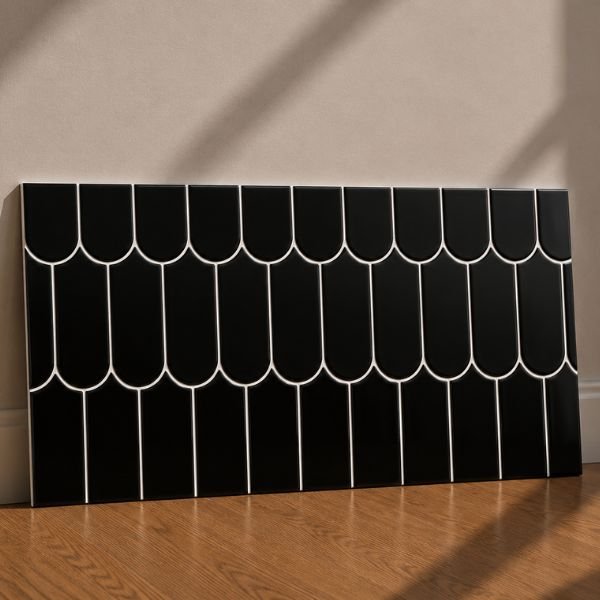
If you like the idea of a tile that already carries a pattern built into its surface rather than the layout, our pattern tiles and texture tiles collections are worth a look too.
A pattern layout doesn’t change the tile cost much, but it does change the labour cost — expect to pay a bit more for herringbone or diagonal layouts since they involve more cutting and precision during installation.
Common Mistakes to Avoid When Choosing Living Room Tiles
- Too glossy floor – a heavily glossy finish can look stunning in photos but becomes a slipping hazard when wet and shows every scratch and footprint within weeks
- Wrong tile size – using small tiles in a large hall creates a busy, cluttered look, while oversized tiles in a tiny room can feel overwhelming and out of proportion
- Dark color in small room – dark tiles absorb light rather than reflect it, which can make an already compact living room feel noticeably smaller and heavier
- Ignoring lighting – a tile that looks perfect under showroom lighting can look completely different under your home’s actual light — always check a sample tile in your own living room, at different times of day, before finalizing
Explore Living Room Tiles Collection
Ready to see these ideas in your own home? Browse modern living room tiles starting at ₹55/sq.ft – premium designs for every home.
👉 Explore the Living Room Tiles Collection
Not sure which finish or size fits your space? Talk to our tile experts for a free recommendation with Pan-India delivery and a Bangalore showroom.