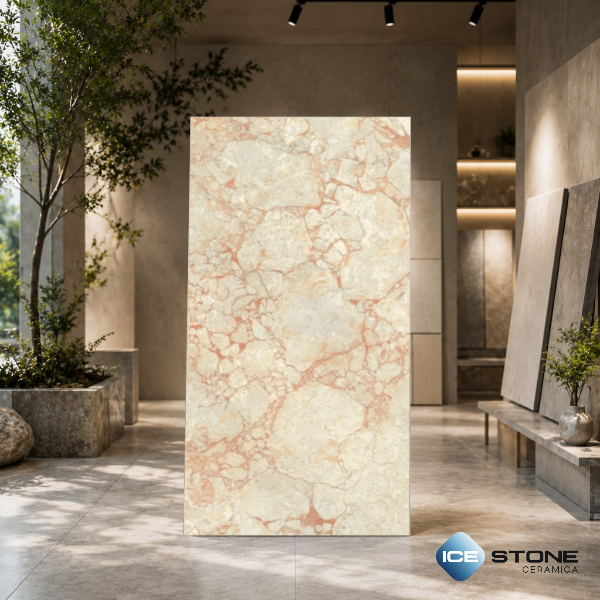
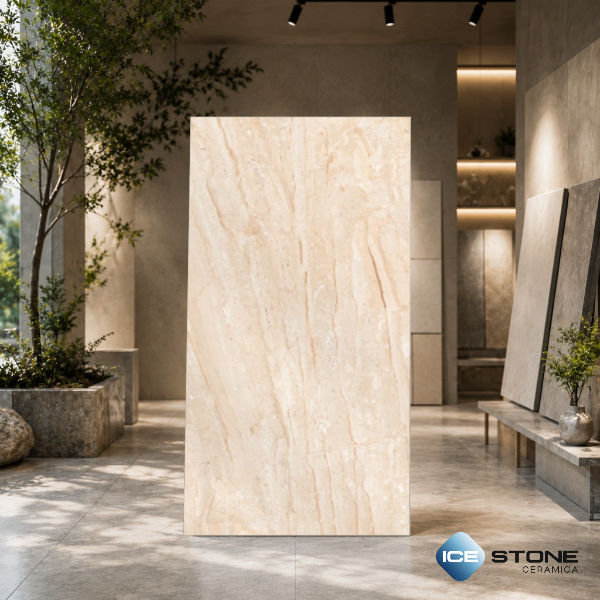
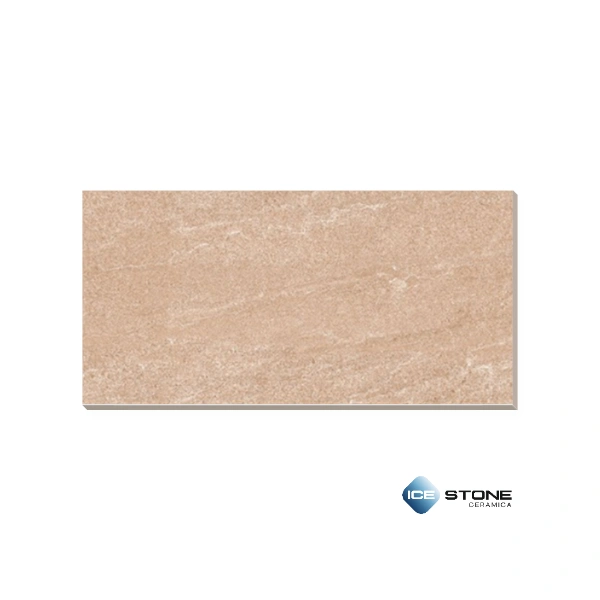
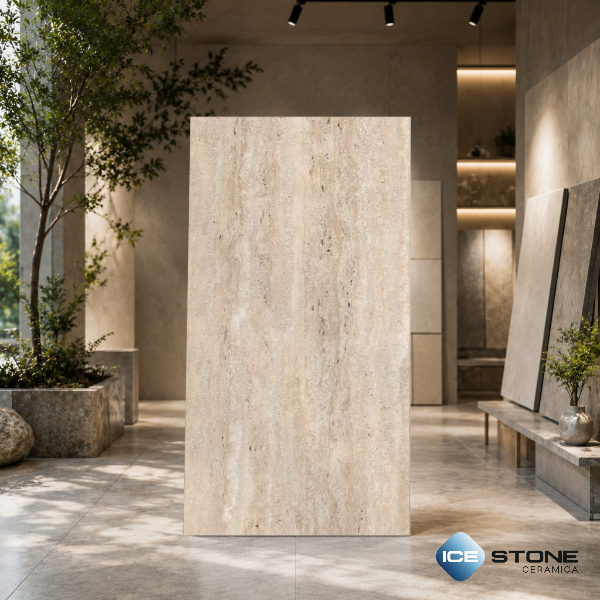
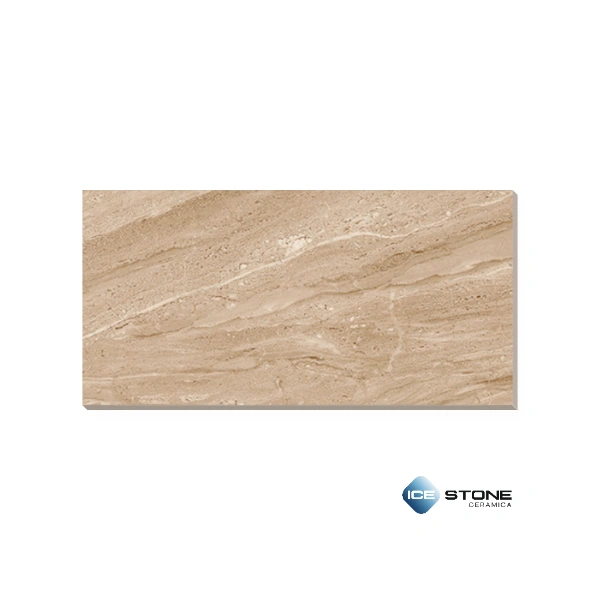
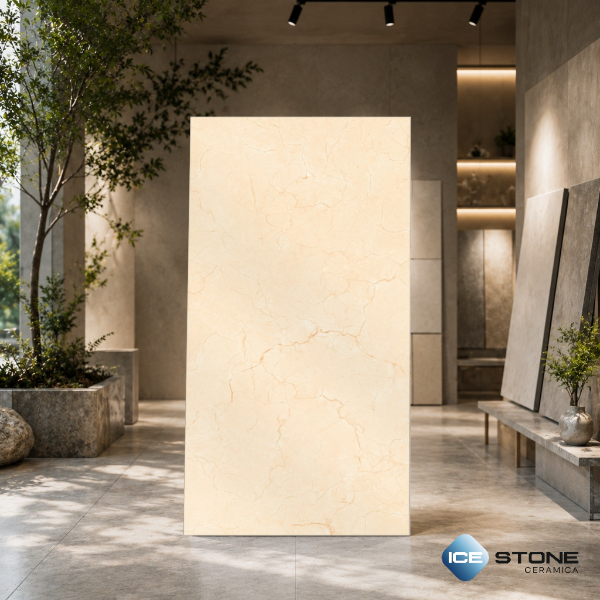
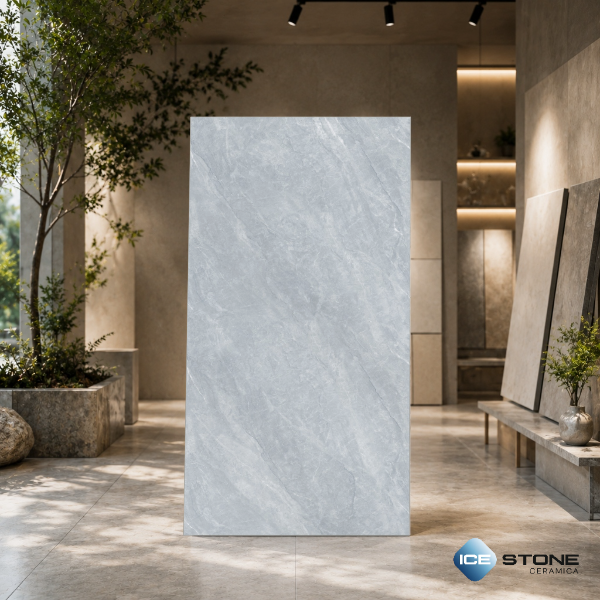
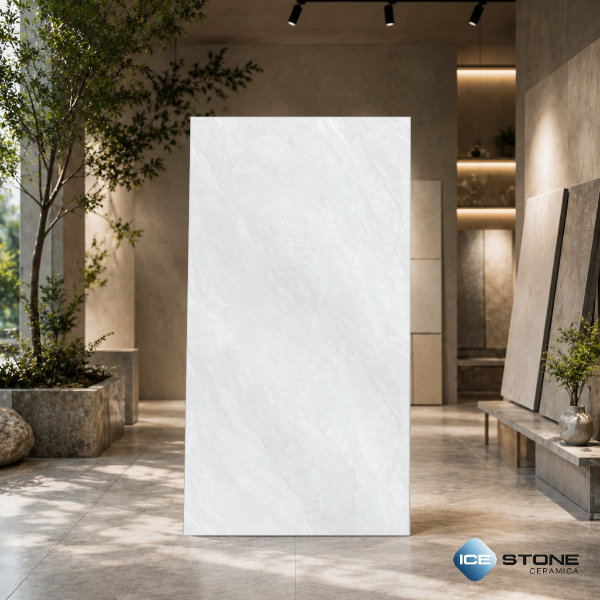
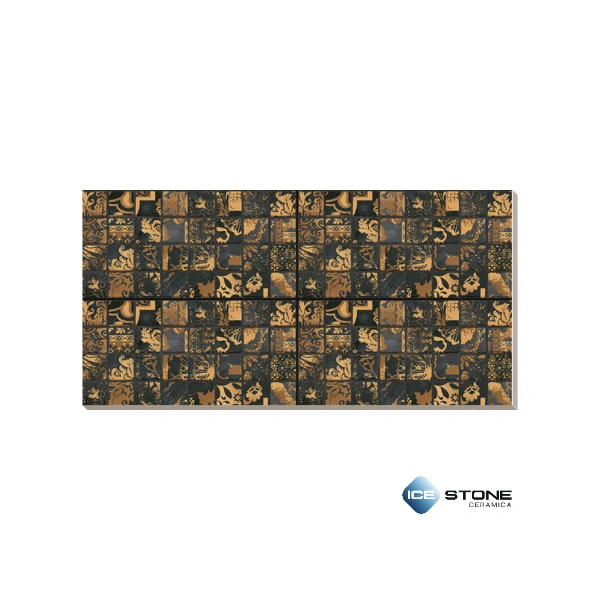
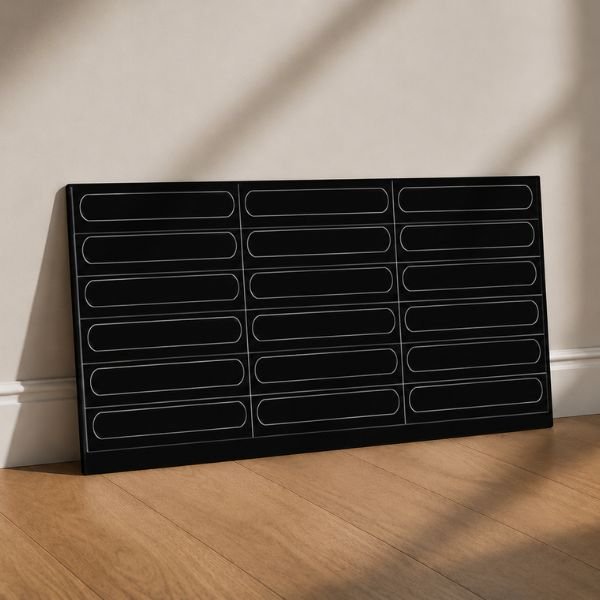
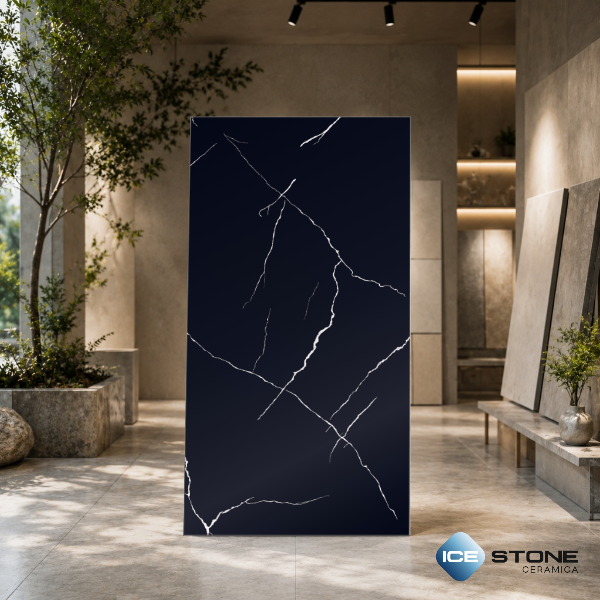
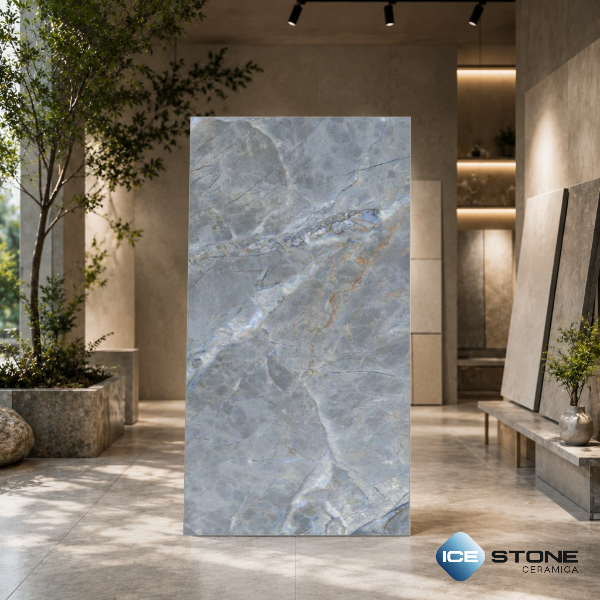
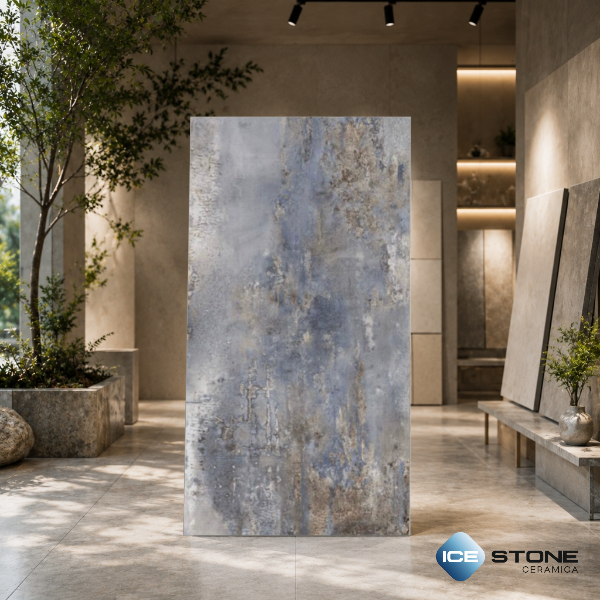
Bedroom tiles are floor and wall tiles chosen for comfort, warmth and a calm look.
They work on the bedroom floor as a full surface, and on walls as a headboard backdrop or accent panel.
Homeowners pick them over carpet and laminate because they stay cool in summer, resist termites and moisture, and wipe clean in seconds.
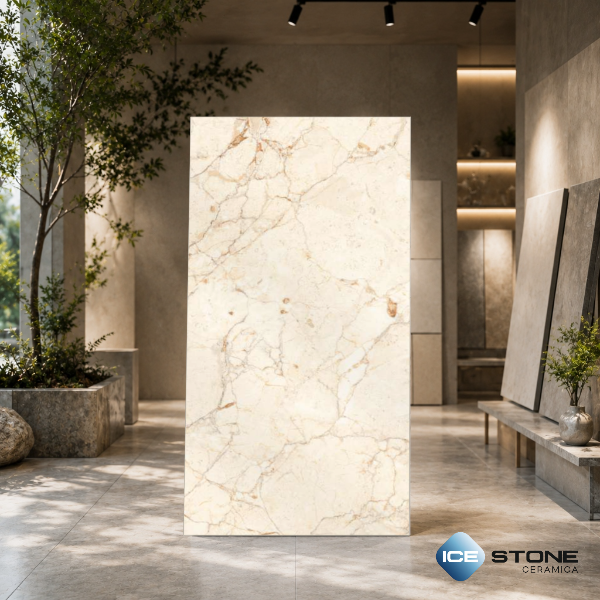
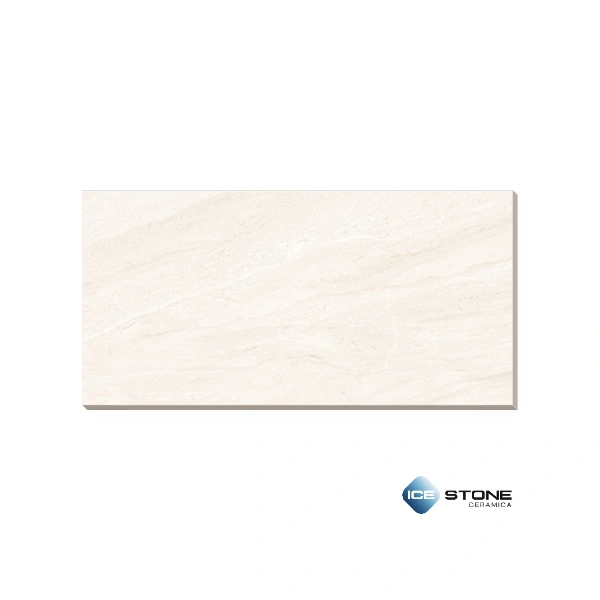
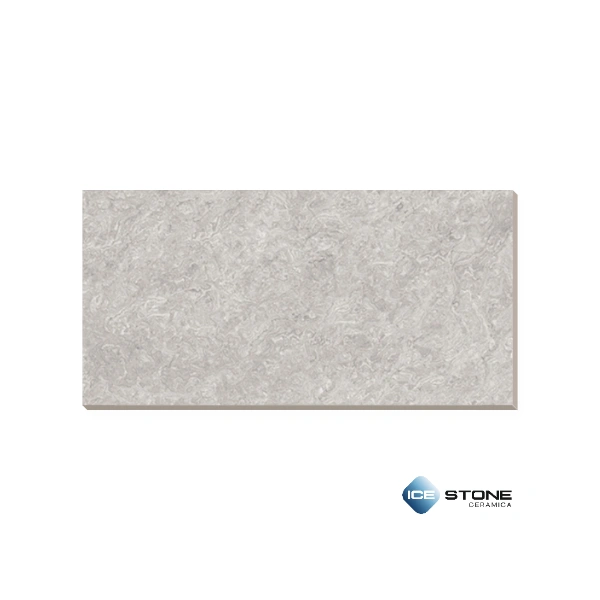
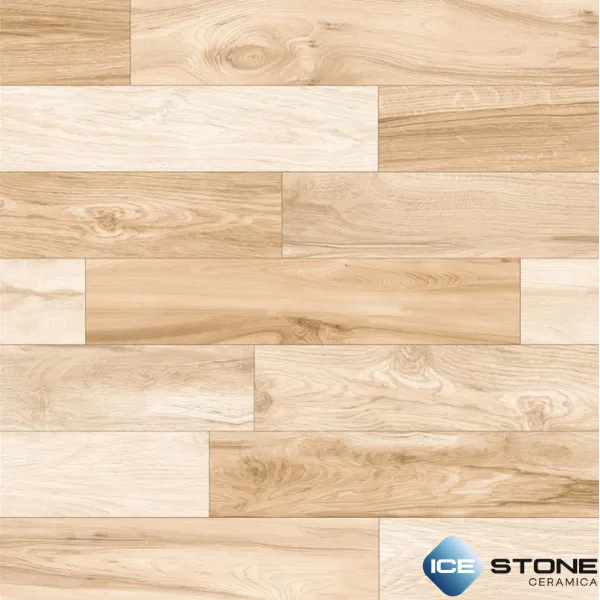
At Icestone Ceramica, bedroom tiles come in wooden-look, marble-look, plain and textured designs — in vitrified, porcelain and ceramic bodies — across sizes from 300×600 mm up to 1200×1800 mm slabs.
Key Takeaways
- Matte or soft-satin finishes suit bedrooms best – glossy floors show footmarks and reflect too much light near a bed.
- Wooden-look and marble-look tiles are the two highest-demand bedroom designs, giving warmth or luxury without real timber or stone upkeep.
- Light, neutral colours (white, ivory, beige, cream, light grey) make small bedrooms look larger; darker shades work better as an accent wall.
- Icestone bedroom tile pricing runs from Rs.55 to Rs.150 per sq. ft. depending on size, material and finish.
Bedroom Tiles for Floors and Walls
A bedroom uses tiles in two different ways, and each has its own job. The floor carries daily use and sets the base tone of the room. The wall carries the design statement, usually behind the bed.
Bedroom Floor Tiles
Floor tiles for a bedroom need to feel comfortable underfoot, hold up to furniture weight and clean easily. Vitrified and porcelain bodies handle wardrobe and bed loads without cracking, and they do not fade near a window. Matte and satin finishes give light grip and hide dust between cleans. Design choice is wide – plain, wood-plank, marble-vein, carved and textured surfaces all sit well in a bedroom. See the full range on our bedroom floor tiles page.
Bedroom Wall Tiles
Wall tiles turn one surface into the focus of the room. The common uses are a feature wall behind the headboard, a half-wall band running around the room, a panel behind a dresser or TV unit, and decorative strips framing a wardrobe. Because walls take no foot traffic, you can use lighter ceramic bodies, high-gloss surfaces and carved textures freely. Browse designs on our bedroom wall tiles page.
Floor Tiles vs Wall Tiles for a Bedroom
| Factor |
Floor Tiles |
Wall Tiles |
| Durability needed |
High – takes furniture and foot load |
Moderate – decorative only |
| Foot traffic |
Yes |
Not applicable |
| Typical use |
Full flooring |
Accent or feature wall |
| Best finish |
Matte, satin, anti-skid |
Glossy, carved, textured |
| Maintenance |
Easy – sweep and mop |
Easy – occasional wipe |
Popular Bedroom Tiles Design Ideas
Design is where most bedroom tile decisions are actually made. These are the patterns buyers ask for most.
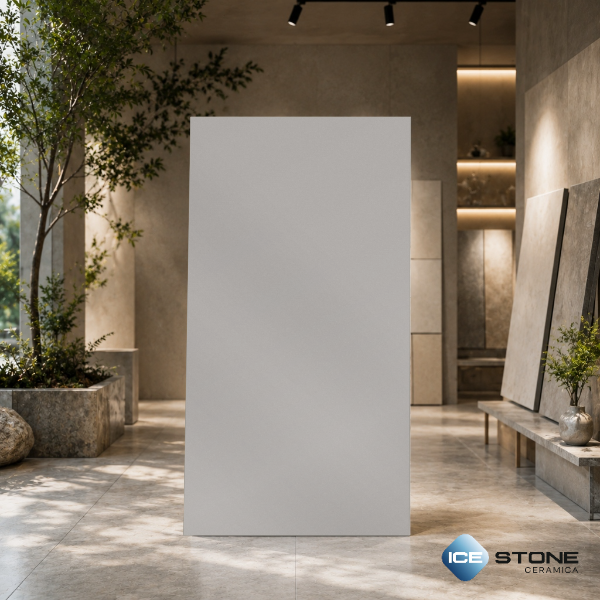
Modern designs use large plain or lightly veined tiles in one tone with thin grout lines, so the floor reads as a single calm surface. Minimal designs stay in one colour family – ivory, cream or light grey – with no pattern. Luxury designs use marble-look slabs with strong veining, often carried from floor up onto the headboard wall.
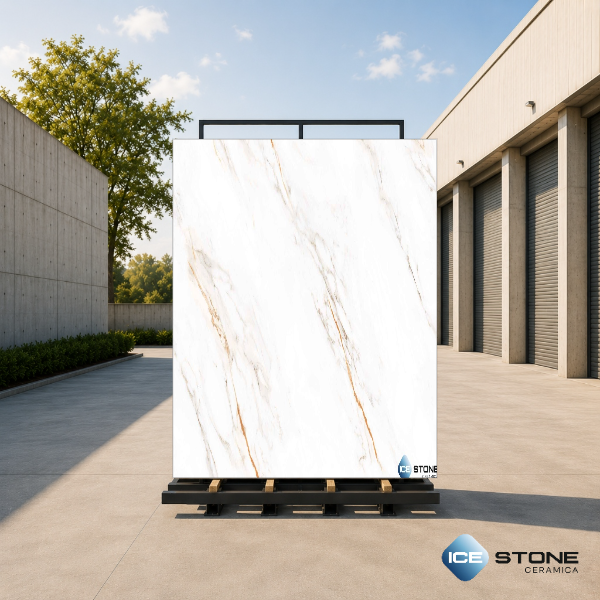
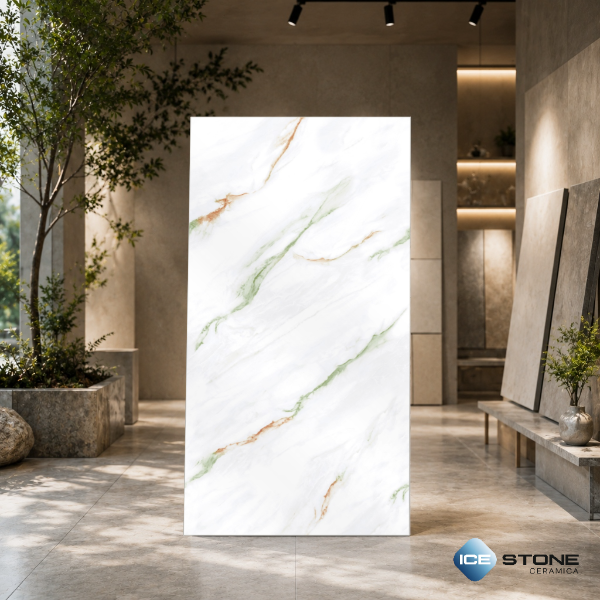
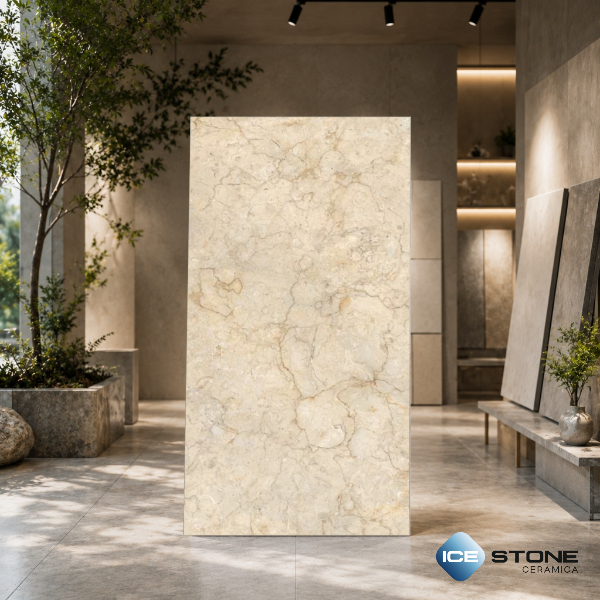
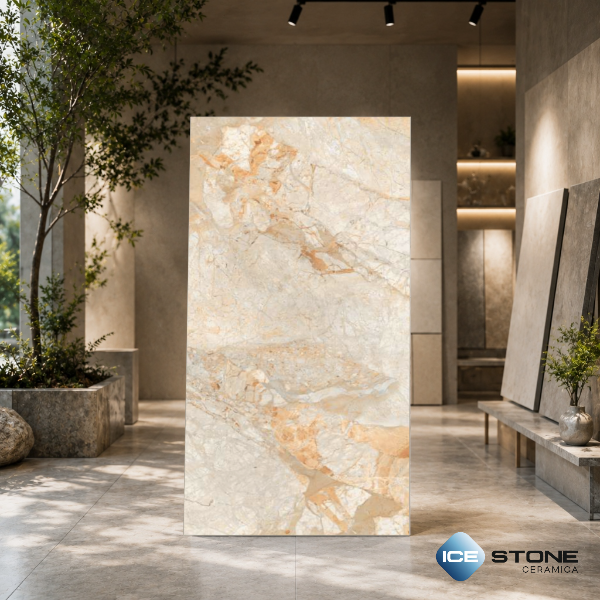
Wooden bedroom tiles copy oak, walnut and teak grain in plank formats, giving timber warmth without swelling, warping or termites. See wooden floor tiles. Marble-look tiles deliver white-grey or beige veining with none of the sealing routine real marble needs. See marble floor tiles.
Large-format tiles cut grout joints and make a room look wider. Small bedroom designs stay light and quiet in 600×600 mm. Master bedroom designs allow bolder veining or a matching floor-and-wall scheme. Accent wall tiles use carved, 3D or textured surfaces behind the bed to add depth without repainting. See 3D floor tiles.
Best Bedroom Floor Tiles for Different Styles
Choice of body and finish matters as much as the print.
Wooden-look floor tiles give warmth and grain in a surface that mops clean – the practical alternative to real wood in a humid climate. Marble-look floor tiles suit formal and master bedrooms and pair well with cream, gold and dark wood furniture.
Matte floor tiles are the safest bedroom pick: less glare, fewer visible footmarks, slight grip for bare feet. Glossy floor tiles bounce light around and suit darker or north-facing bedrooms, but show dust faster. Large-format tiles at 600×1200 mm and above reduce joints in open master bedrooms.
Vitrified floor tiles are the standard bedroom choice – dense, low water absorption, colour running through the body. See vitrified tiles. Porcelain floor tiles are denser still and handle ensuite or balcony transitions well. See porcelain tiles.
Bedroom Wall Tiles Design Ideas
Full wall tiles cover one wall floor to ceiling and work best behind the bed. Half wall tiles run a band to headboard height with paint above – a cost-controlled way to add texture. Headboard wall tiles frame just the bed width, usually in a marble-look or carved finish. Accent wall tiles pick out a niche, dresser wall or wardrobe face.
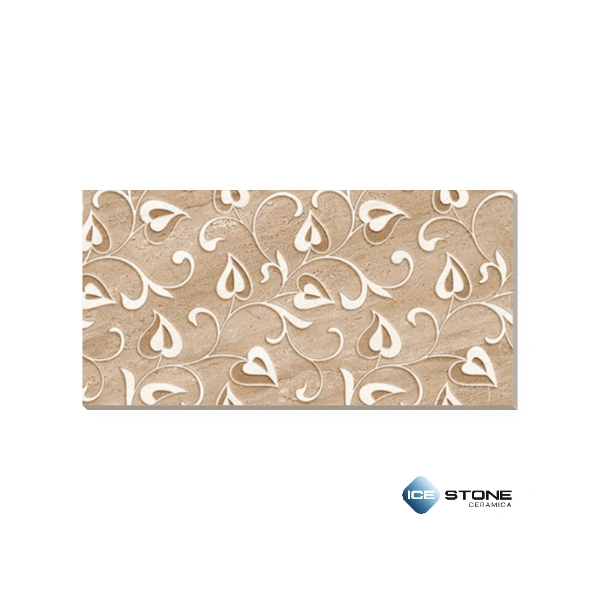
Textured wall tiles add relief and shadow that reads well under warm bedside lighting. Marble-look wall tiles carry the floor design upward for a continuous scheme, and wooden-look wall tiles create a slatted, cabin-like backdrop. See wooden wall tiles. For carved or fluted surface options, see carving finish tiles.
Best Bedroom Tiles Colours
Colour decides how large and how restful the room feels.
- White – the brightest option, opens up small rooms, pairs with any furniture. See white floor tiles and white wall tiles.
- Beige – warm neutral, hides dust well, suits wooden furniture. See beige tiles.
- Grey – modern and cool-toned, works with white or black bed frames. See grey wall tiles or grey tiles.
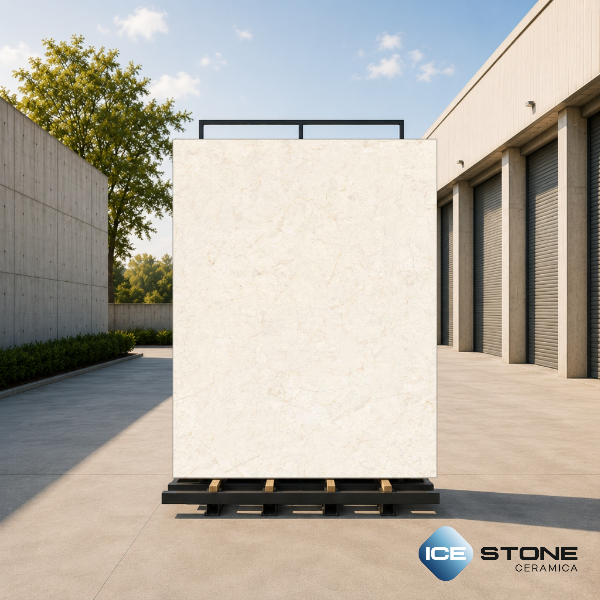
- Cream and ivory – soft, warm, the most forgiving for daily use. See ivory tiles and cream tiles.
- Brown – deep and cosy, best in larger bedrooms with good light. See brown tiles.
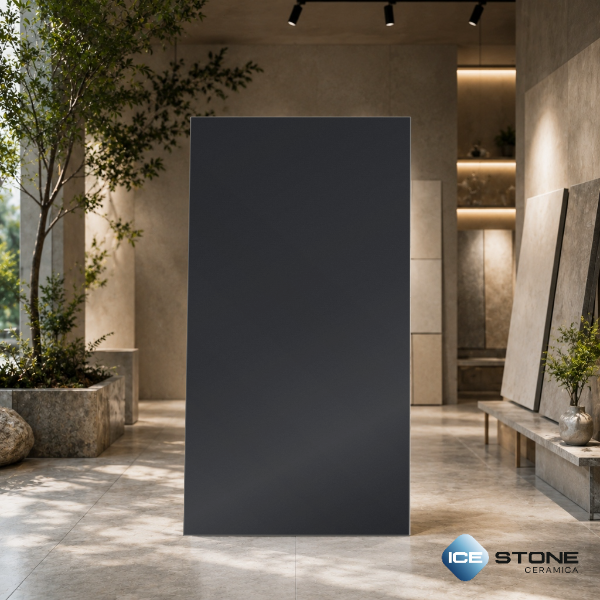
- Black – reserved for accent walls and borders, not full bedroom floors. See black wall tiles or black and white tiles for two-tone schemes.
- Neutrals overall – the safest long-term choice, since furniture and curtains change more often than flooring.
Which colour is best for a small bedroom?
Lighter and neutral shades – white, ivory, cream, beige and light grey – reflect more light and blur the line between floor and wall, which makes the room read as larger. Keep darker tones for a single accent wall rather than the whole floor.
How to Choose the Right Bedroom Tiles
Consider bedroom size. Small rooms suit 600×600 mm in light tones. Medium and large rooms carry 600×1200 mm and 1200×1800 mm comfortably.
Choose the right colour. Light for openness, mid-neutrals for practicality, dark only where the room already gets strong daylight.
Choose the right finish. Matte for bedrooms as a rule. Glossy only where extra brightness is needed and the room stays low-dust.
Choose the right size. Common bedroom formats are 600×600 mm, 600×1200 mm and 1200×1800 mm for floors, and 300×600 mm for walls.
Match tiles with furniture. Test the tile against your bed frame, wardrobe laminate, curtain fabric, wall paint and bulb temperature together. Warm white lighting shifts beige and cream noticeably.
Consider cleaning and maintenance. Matte and satin surfaces hide daily dust best. Choose a grout shade close to the tile so joints do not darken visibly over time.
Use our tile calculator to work out exactly how many boxes your bedroom needs before ordering.
Bedroom Tiles by Room Size and Interior Style
- Small bedrooms – 600×600 mm, light plain or subtle wood-look, straight lay.
- Medium bedrooms – 600×600 mm or 600×1200 mm in wood-plank or soft marble-look.
- Large bedrooms – 600×1200 mm and above, with freedom to use veined designs.
- Master bedrooms – 1200×1800mm slabs, matching floor and headboard wall.
By style: modern takes large plain greys and whites; minimalist stays in one neutral tone; luxury uses bold marble veining; contemporary mixes wood-look floors with a textured wall; traditional and Indian favours warm beige, ivory and terracotta with carved accents; Scandinavian uses pale wood-look planks with white walls.
Bedroom Tiles Ideas for Indian Homes
Indian bedrooms are used barefoot, so warm neutrals and matte surfaces do better than cold, high-gloss floors. Wooden-look tiles suit rooms with teak or walnut furniture, and marble-look tiles remain the most requested premium look in master bedrooms. For wall tile design, a carved or fluted headboard panel in ivory, beige or grey updates the traditional wooden headboard without carpentry work.
How Much Do Bedroom Tiles Cost?
Bedroom tile price depends on size, material, finish, brand and installation – not on one fixed rate. Larger formats and thicker bodies cost more per square foot, glossy and carved surfaces cost more than plain matte, and laying charges vary by city and by pattern.
Current Icestone Ceramica pricing:
| Tile Size |
Approx. Price (Rs./sq. ft.) |
Typical bedroom use |
| 300×600 mm |
Rs.67 – Rs.75 |
Wall and headboard panels |
| 400×400 mm |
Rs.70 – Rs.85 |
Small bedrooms, budget floors |
| 600×600 mm |
Rs.55 – Rs.83 |
Standard bedroom flooring |
| 600×1200 mm |
Rs.62 – Rs.81 |
Medium and large bedrooms |
| 1200×1800 mm |
Rs.125 – Rs.150 |
Master bedroom slabs |
Note: Prices vary depending on material, design, finish, and collection. Check individual product pages or contact our team for current pricing.
A standard 10×12 ft bedroom at 120 sq. ft. therefore works out to roughly Rs.6,600 to Rs.10,000 in 600×600 mm tiles, before adhesive, grout and labour.
Bedroom Tile Size and Layout Ideas
Large formats give the fewest joints and the cleanest look. Square 600×600 mm tiles are easiest to plan and least wasteful in small rooms, while rectangular 600×1200 mm tiles stretch a room along their length. A straight lay is the standard bedroom pattern; plank-style wood-look tiles can be staggered for a timber-floor effect. Carrying the same tile up the headboard wall is the strongest way to make a small bedroom feel bigger.
Bedroom Tiles Maintenance Tips
Dry-mop twice a week and damp-mop weekly with a mild neutral cleaner. Wipe spills before they dry so grout does not stain. Clean grout lines every few months with a soft brush and a mild solution, never acid. Matte tiles hide dust but hold fine grit, so sweep before mopping; glossy tiles need a well-wrung mop and a dry wipe to avoid streaks.
Common Mistakes to Avoid When Choosing Bedroom Tiles
The most common mistake is choosing a tile purely on how the sample looks under showroom lighting. Others: picking high-gloss where it will show every footmark, using a large format in a small room without checking cut waste, combining too many patterns across floor, wall and furnishings, leaving grout colour to the installer, and ignoring how daylight and bulb temperature shift the tile’s tone.
Explore Bedroom Tiles
Ready to pick your bedroom tiles? Start with bedroom floor tiles for flooring, or bedroom wall tiles for headboard and accent walls. For specific looks, explore wooden floor tiles, marble floor tiles and 2×2 floor tiles. Compare bodies across vitrified, porcelain and ceramic ranges.
Visit our Bangalore showroom to see full-size samples under real light, or request a catalogue and a quote for your bedroom measurements.