

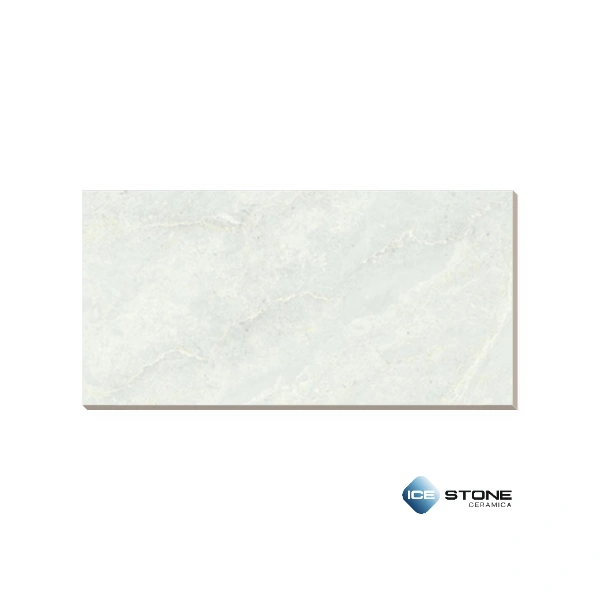
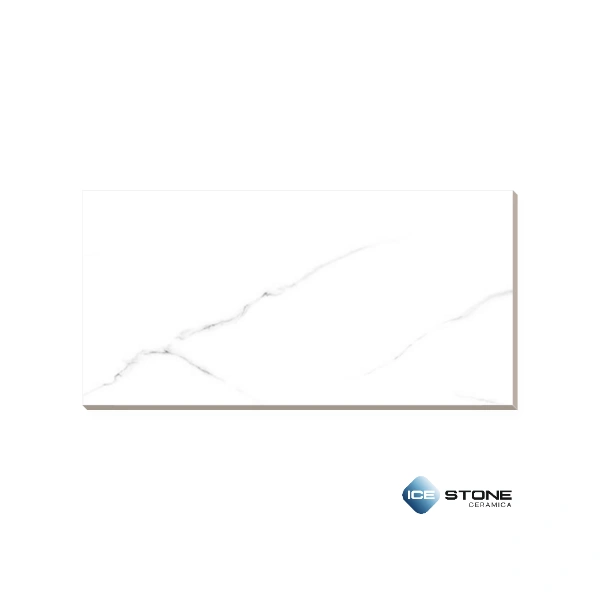
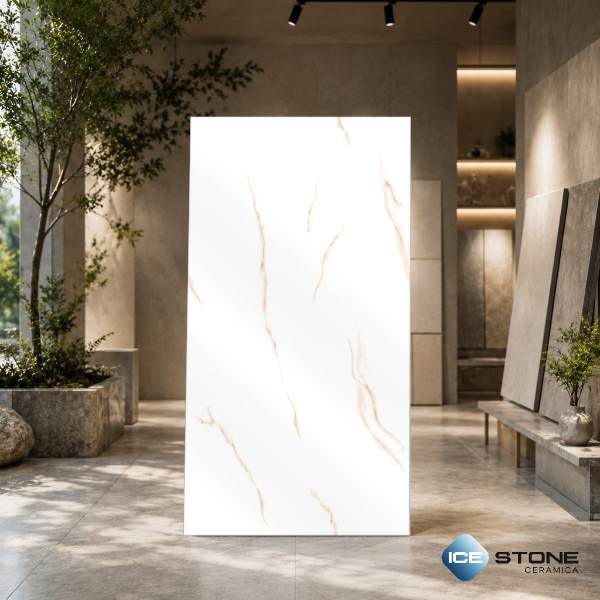
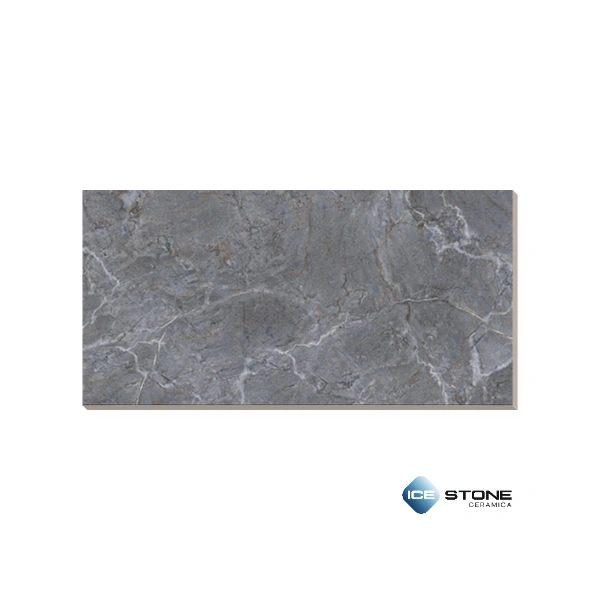
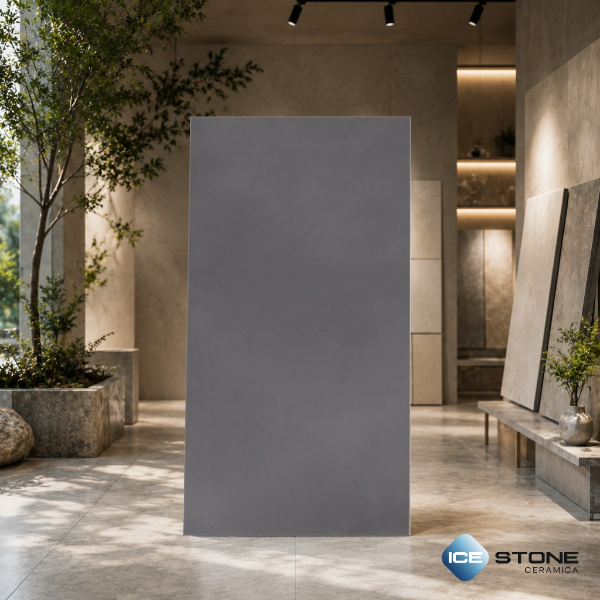
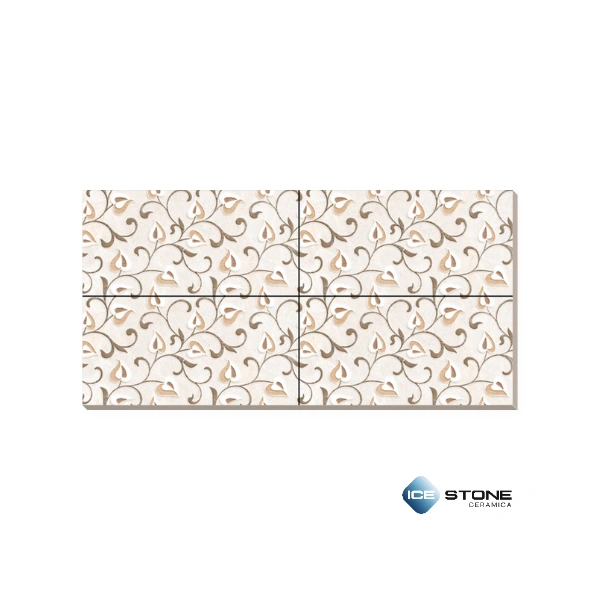
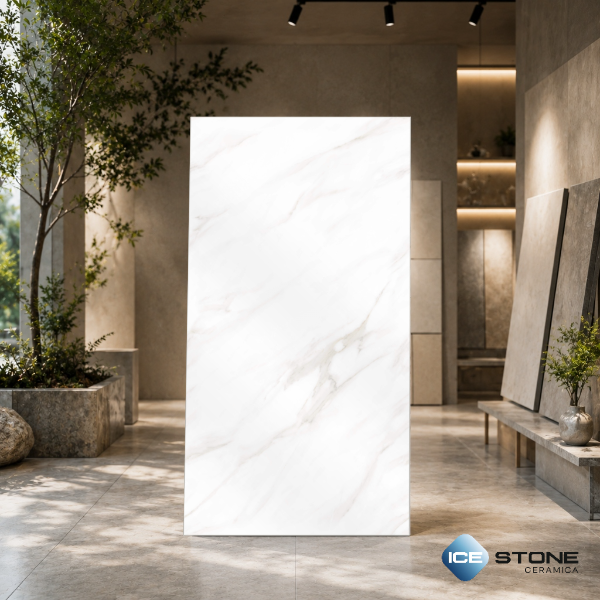
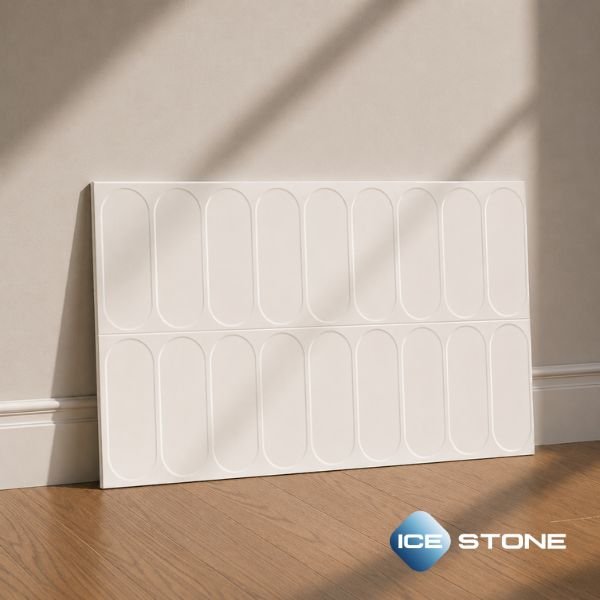
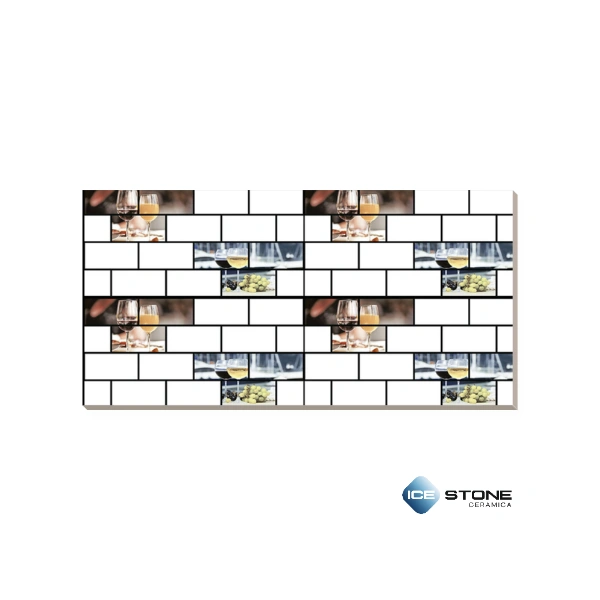
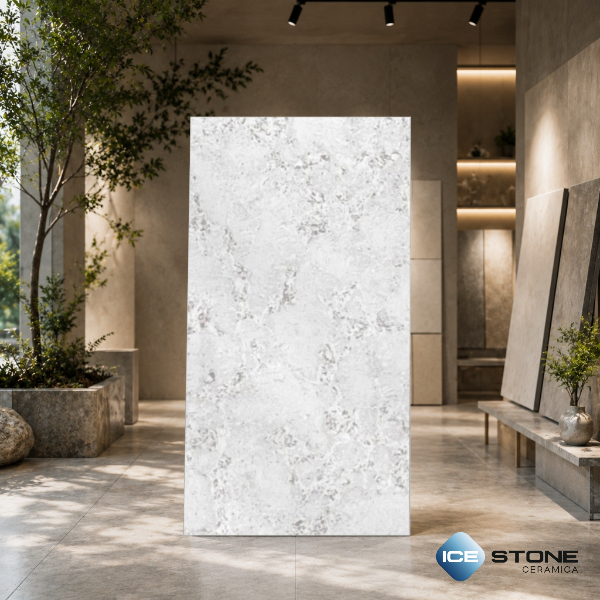
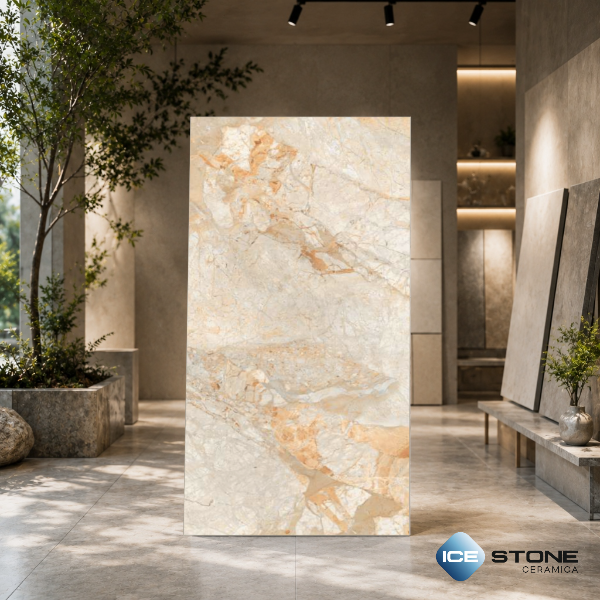
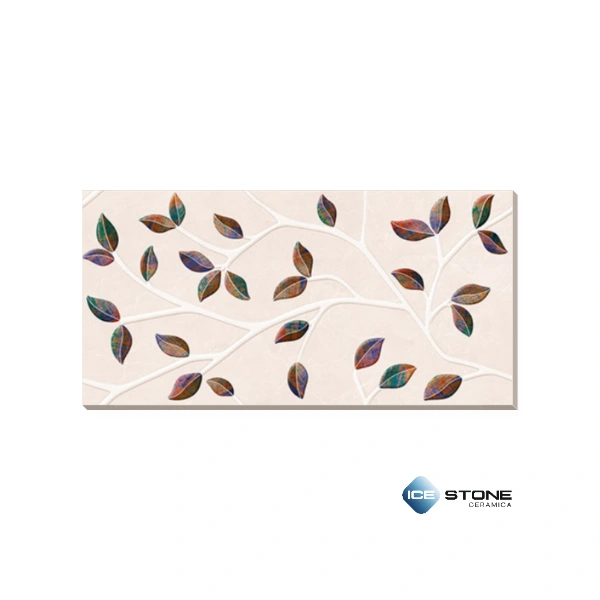
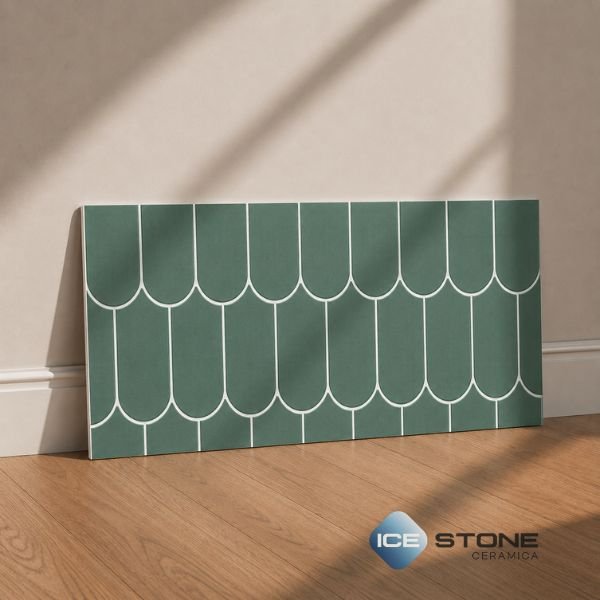
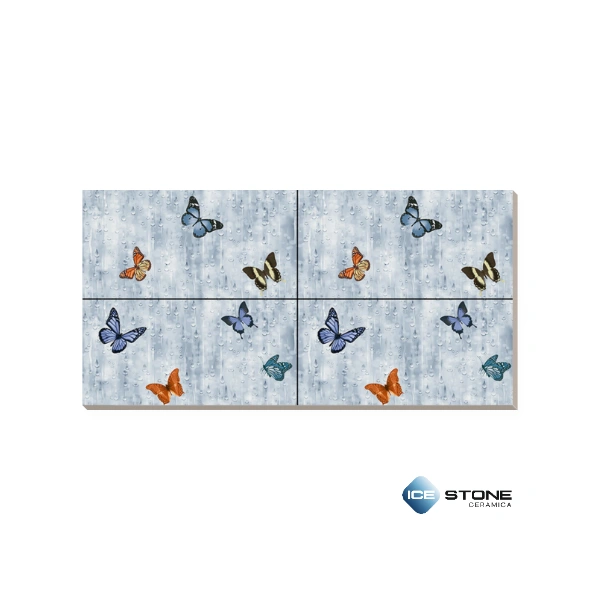
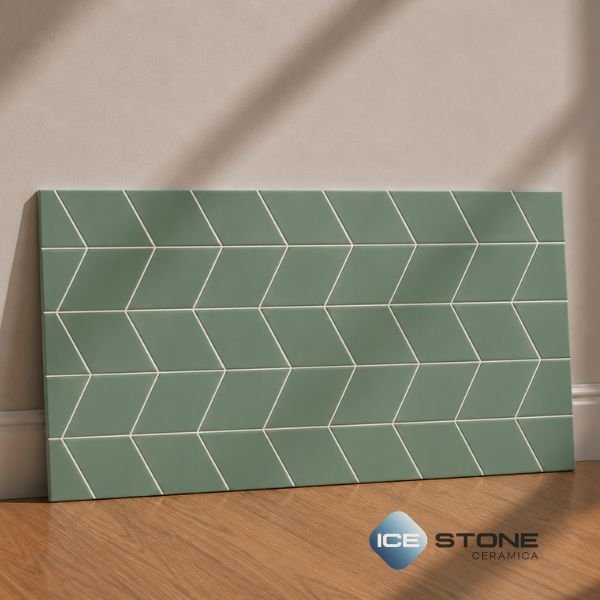
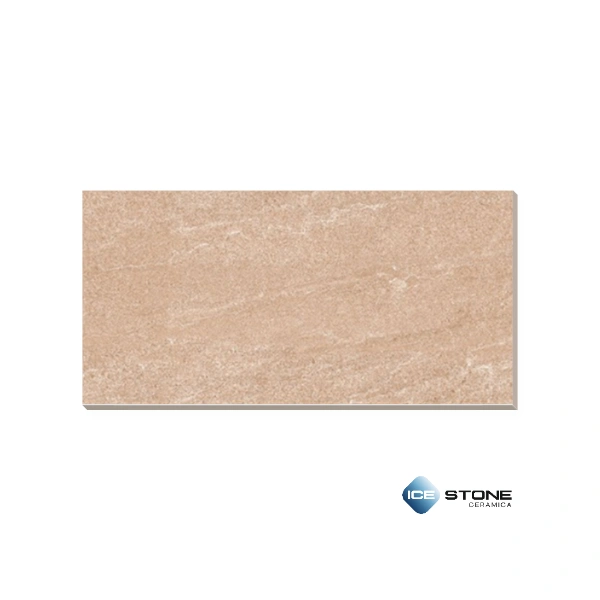
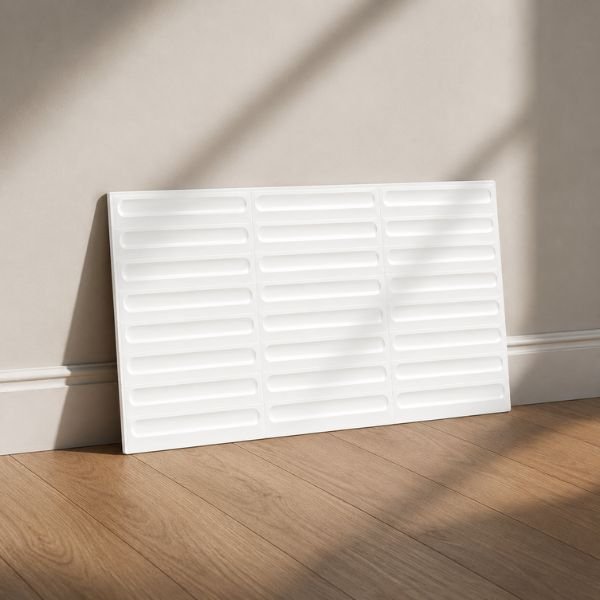
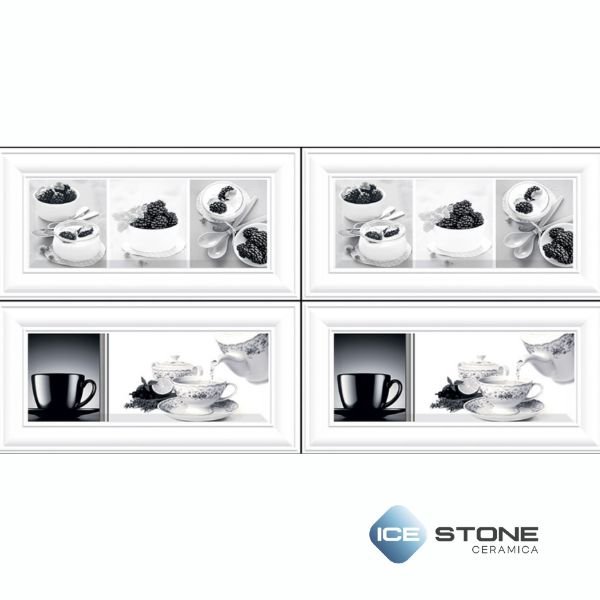
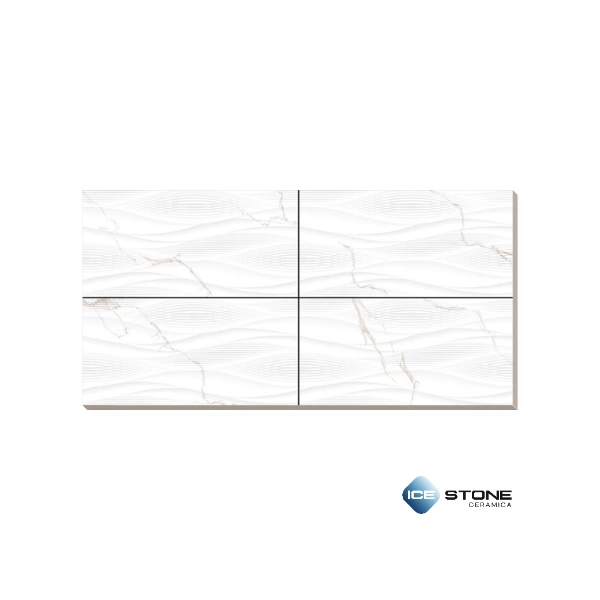
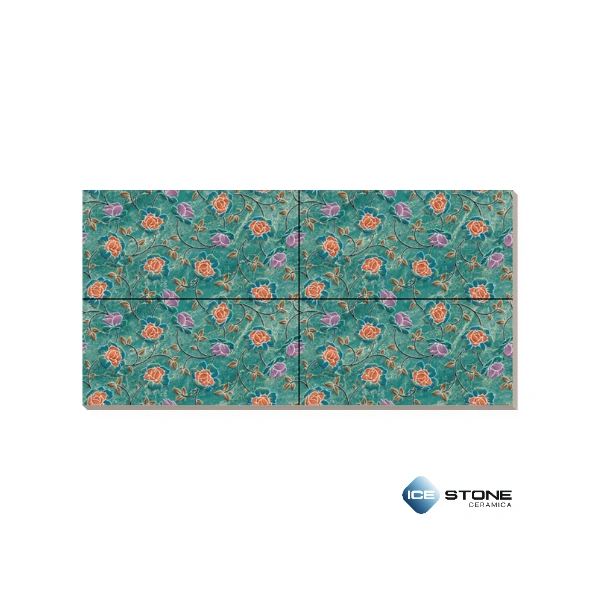
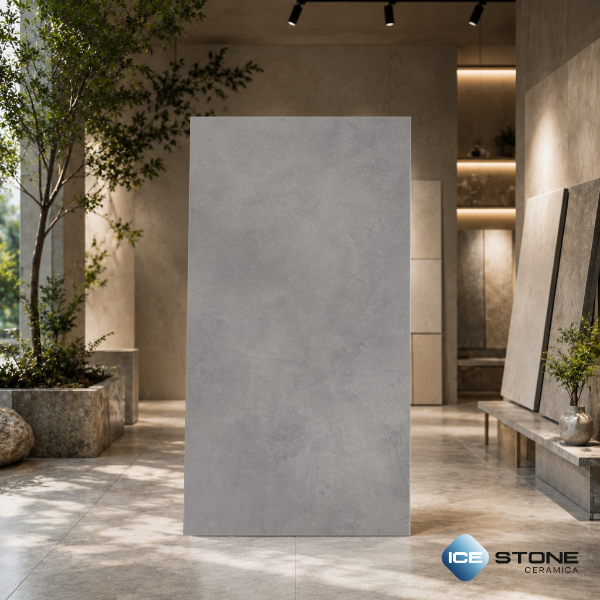
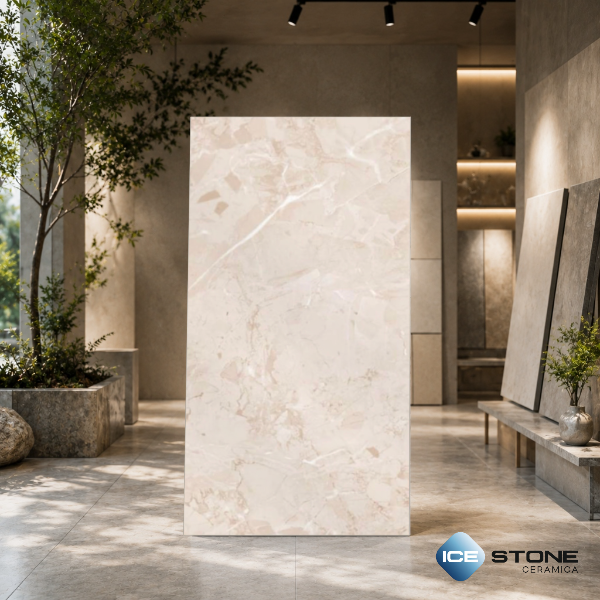
Your bathroom floor stays wet for hours every single day — through showers, mopping, and daily use — while the walls deal with constant humidity and soap splashes. Unlike any other room in the house, a bathroom demands tiles that are genuinely waterproof, safe to walk on when wet, and easy to keep clean. This guide covers everything Indian homeowners, architects, and builders need to know: bathroom tile types, 2026 design trends, real pricing, and how to choose bathroom tiles that stay safe and stylish for years.
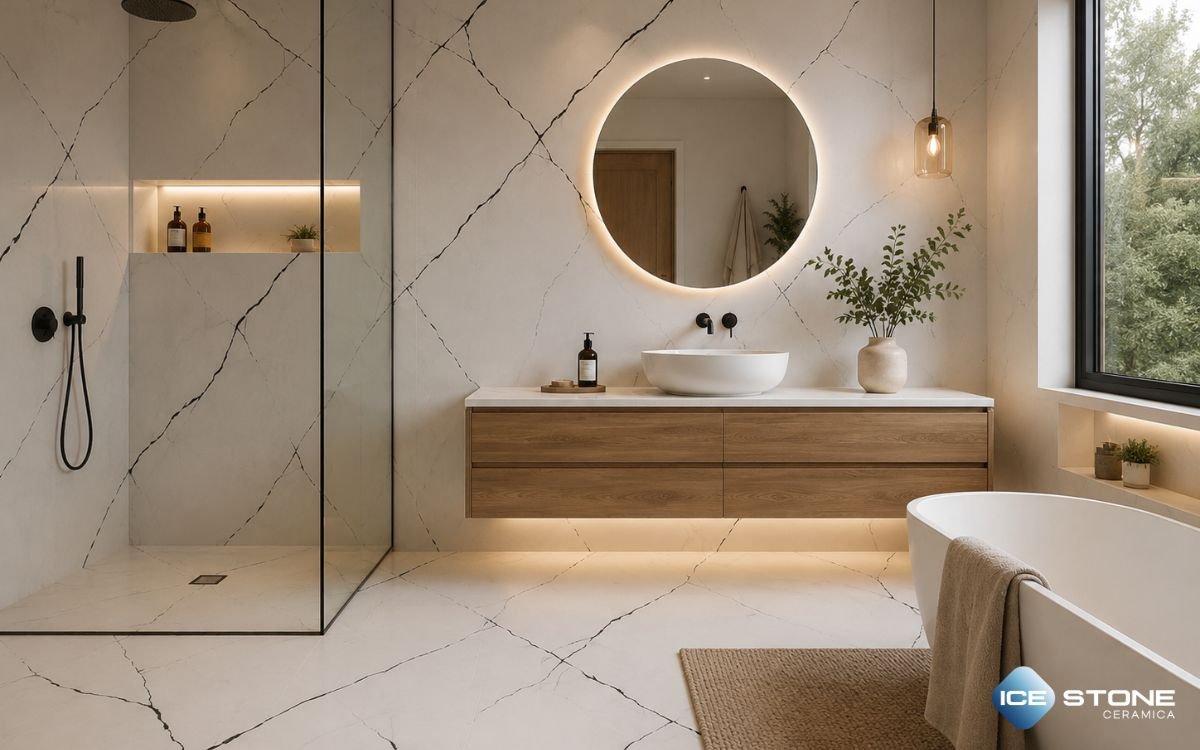
What Are Bathroom Tiles?
Bathroom tiles are ceramic, vitrified, or porcelain surfaces installed on bathroom walls and floors to resist water, humidity, and daily wear while keeping the space safe and easy to clean.
They come in two main placements:
- Bathroom wall tiles – cover shower areas, splash zones, and full or partial bathroom walls
- Bathroom floor tiles – cover the entire bathroom floor, including wet zones like the shower area
Bathrooms are unique because the floor stays wet for a meaningful part of every day, which makes water resistance and slip resistance non-negotiable — not just design preferences. A tile that looks great in a living room can be genuinely dangerous on a bathroom floor if it lacks proper grip.
Quick Answer: Bathroom tiles are waterproof, low-porosity surfaces designed for constant moisture exposure. Porcelain and vitrified tiles with a matt or anti-skid finish are best for floors, while glossy or textured tiles work well on walls, since they don’t face the same slip risk.
Types of Bathroom Tiles
Bathroom tiling isn’t one-size-fits-all — walls and floors face very different demands, and getting this distinction right is the difference between a bathroom that lasts and one that needs redoing in a few years.
Bathroom Wall Tiles
Bathroom wall tiles handle humidity, splashes, and soap residue rather than direct foot traffic, so they have more design flexibility. Glossy finishes work well here since walls don’t carry the same slip risk as floors — a glossy tile brightens the space and wipes clean easily. Many homeowners tile the full wall in shower zones and go partial-height in drier areas like near the washbasin.
Bathroom Floor Tiles
A good bathroom floor tile has low water absorption, a slip-resistant surface, and enough density to resist staining from soap, shampoo, and everyday grime. Porcelain and vitrified tiles are the standard choice because their dense, low-porosity body barely absorbs water — unlike more porous ceramic tiles, which can stain or discolour over time in a consistently damp environment.
Real-life example: A standard Indian bathroom (around 35–45 sq.ft) typically uses matt or anti-skid porcelain tiles on the floor and a mix of glossy and matt tiles on the walls — glossy near the mirror and washbasin, matt or textured inside the shower area.
Anti-Slip Bathroom Tiles
Anti-skid bathroom tiles achieve their grip through surface texture — a matt glaze, a fine sand-like finish, or a textured floor tile pattern — that increases friction between a wet foot and the tile surface. This matters most for households with children or elderly members, but it’s worth prioritising in any bathroom. Glossy tiles are best avoided on bathroom floors specifically because their smooth, reflective surface loses grip almost entirely once wet.
Waterproof Bathroom Tiles
Porcelain floor tiles are the most recommended material for bathroom floors because of their very low water absorption — a fired, dense clay body that barely lets moisture in, even under years of daily exposure. Vitrified floor tiles offer similar water resistance and are widely used across both walls and floors in Indian bathrooms.
Quick Answer: Porcelain tiles are the most waterproof because they have extremely low water absorption, followed closely by vitrified tiles. Standard ceramic tiles absorb noticeably more moisture and are better suited to walls than wet floors.
Bathroom Tiles Comparison: Ceramic vs Vitrified vs Porcelain
| Feature | Ceramic | Vitrified | Porcelain |
|---|---|---|---|
| Water Resistance | Medium | High | Very High |
| Durability | Medium | High | Very High |
| Slip Resistance (Matt Finish) | Good | Good | Very Good |
| Price Range (₹/Sq.Ft) | ₹55 – ₹80 | ₹62 – ₹81 | ₹55 – ₹83 |
| Best Use | Walls | Walls & Floors | Floors |
Quick Answer: Porcelain is best for bathroom floors due to its very high water resistance and durability, vitrified works well across both walls and floors, and ceramic is the most budget-friendly option best suited to bathroom walls.
Best Bathroom Tiles Designs (2026 Trends)
Modern Bathroom Tiles Design
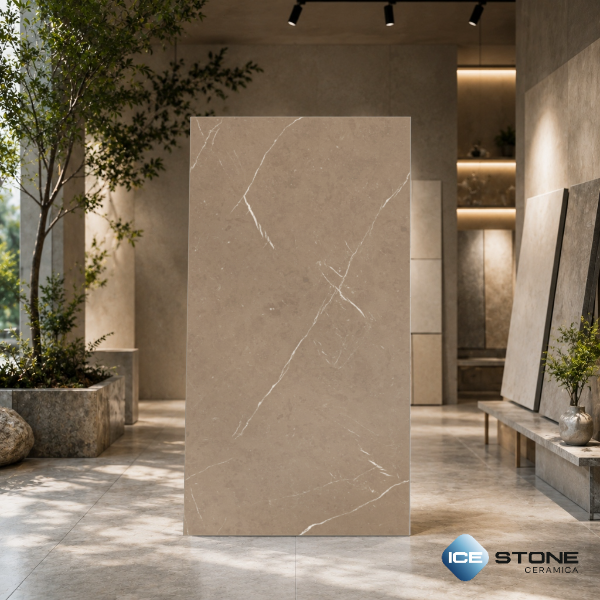
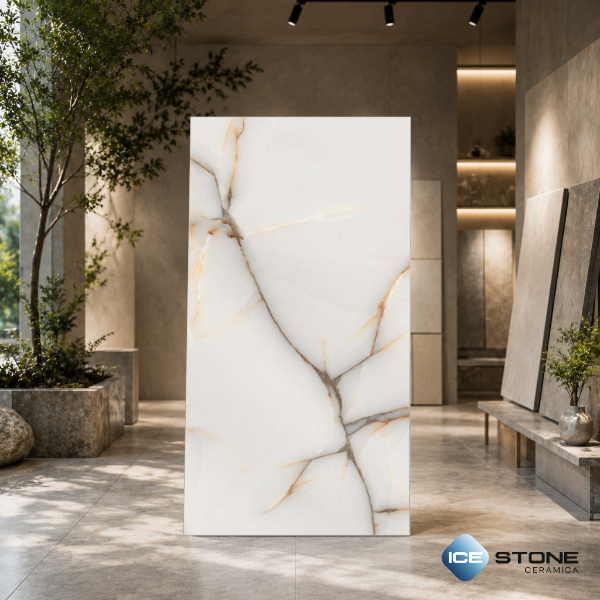
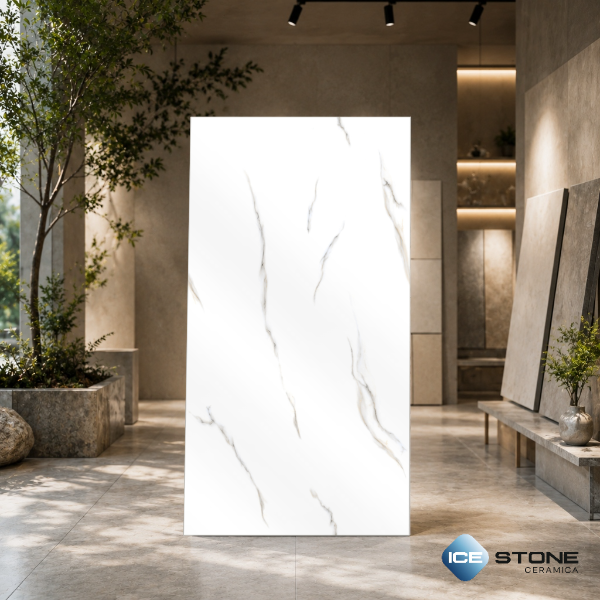
2026 bathrooms are moving toward large-format slab tiles (1200×1800mm) with marble-look floor tile finishes, minimizing grout lines for a seamless, high-end look. Icestone’s William Bianco Marble Glossy Vitrified Slab Tile and Verde Marble Glossy Vitrified Slab Tile are strong examples of this trend, priced around ₹129/sq.ft.
Small Bathroom Tiles Design
In a small bathroom, tile choice does more visual work than in any other room. Light-toned tiles in white, cream, or soft grey reflect more light and make a compact footprint read as larger. Sticking to a single tile size across the floor, rather than mixing formats, also keeps a small bathroom feeling continuous instead of chopped up.
Luxury Bathroom Tiles Design
Large-format marble-effect slabs, like Icestone’s Omani Dheer Marble or Onyx Green Marble Glossy Vitrified Slab Tiles (both around ₹129/sq.ft), create a premium, hotel-like feel with minimal visible joints. These work especially well in master bathrooms and ensuite spaces where visual impact matters as much as function.
Simple Bathroom Tiles Design
Plain, matt-finish white wall tiles or light grey bathroom tiles remain a safe, resale-friendly choice. They pair well with any fixture color and never look dated — a practical pick for rental properties or budget-conscious renovations.
Indian Bathroom Tiles Design
Indian bathrooms often combine a wet shower area with a dry zone, so tile selection needs to account for both. A 3D floor tile or textured, anti-skid tile in the wet zone paired with a complementary matt tile in the dry area is a common, practical approach that balances safety with a cohesive look.
Bathroom Tiles Design Ideas
Here are eight design directions worth exploring for your next bathroom project:
- Marble-look slab floor — William Bianco Marble floor tile Glossy Vitrified Slab Tile for a seamless, luxury hotel-style finish
- Bold black-and-white bathroom — Black and white wall tiles, like the Black Marble High Gloss Vitrified Tile (Ice Black) paired with white walls, for striking contrast
- Warm stone-textured floor — Brown Stone floor tile in Glossy Vitrified (Earth Brown) for an earthy, grounded feel
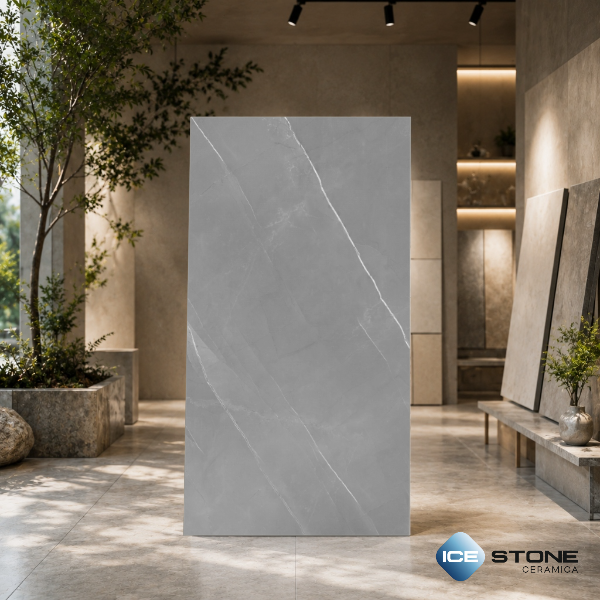
- Grey minimalist bathroom — Grey floor tile in Light Grey Plain Solid Granular Matt Porcelain for a clean, contemporary look
- Moroccan pattern accent — Pattern floor tile in Beige Brown Moroccan Floral Geometric design as a feature wall or shower recess
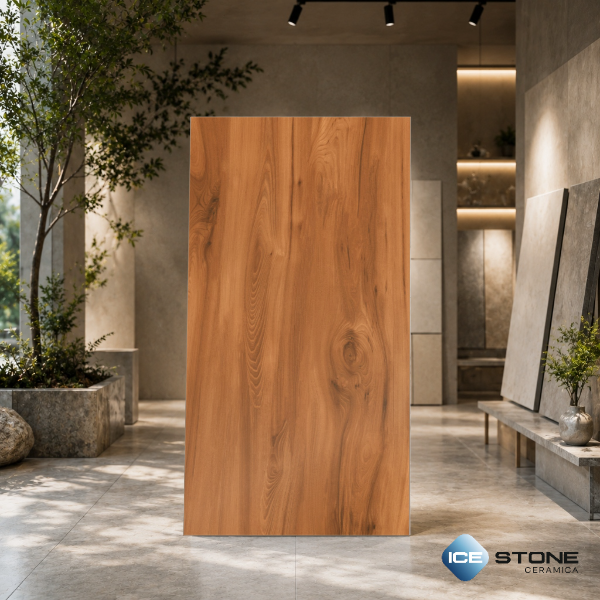
- Wood-effect warmth — Wooden floor tile in Beige Mosaic Wood Pattern Matt Porcelain for a spa-like, natural texture
- Cool blue-grey tone — Blue Grey Marble Glossy Vitrified Tile (Exotic Blue) for a coastal, calming atmosphere
- Natural quartzite texture — Texture floor tile in Off White Cream Quartzite for an organic, understated finish
How to Choose the Best Bathroom Tiles
Based on Bathroom Size
Smaller bathrooms benefit from smaller-to-mid-format bathroom tiles (2×2 ft floor tiles and below) and lighter colours that open up the space, since they need fewer cuts around fixtures like the toilet, washbasin pedestal, and shower drain. Larger bathrooms have more flexibility to use bigger formats and bolder colours without the room feeling cramped.
Based on Finish (Matt vs Glossy)
Prioritise a matt, textured, or anti-skid finish over a glossy one for any bathroom floor — this single choice affects safety more than any other decision. Glossy finishes are better reserved for walls, where they brighten the space and wipe clean easily without the slip risk.
Based on Safety (Anti-Slip Tiles)
Slip resistance matters more in bathrooms than almost anywhere else in the home. Look for bathroom tiles explicitly marketed as anti-skid or textured, especially for the shower zone and areas right outside it, where water tends to pool.
Based on Budget
Set a per-sq.ft budget before shortlisting. Icestone’s bathroom tiles collection ranges from ₹55/sq.ft (matt porcelain) to ₹129/sq.ft (premium marble-look slab tiles), giving room to combine a budget-friendly floor tile with a striking feature wall.
Bathroom Tiles Price in India
| Tile Size | Approx. Price (₹/Sq. Ft.) |
|---|---|
| 300 × 600 mm | ₹67 – ₹75 |
| 400 × 400 mm | ₹70 – ₹85 |
| 600 × 600 mm | ₹55 – ₹83 |
| 600 × 1200 mm | ₹62 – ₹81 |
| 1200 × 1800 mm | ₹125 – ₹150 |
Note: Prices vary depending on material, design, finish, and collection. Check individual product pages or contact our team for current pricing.
Anti-skid and heavily textured finishes generally cost more than a standard matt tile of the same size, since achieving reliable slip resistance requires a more involved manufacturing process. For a typical 40 sq.ft bathroom, total floor tile cost usually falls between ₹2,500–₹4,000, excluding wall tiling, installation, and grout.
Quick Answer: Bathroom tiles in India cost between ₹45–₹130 per sq.ft depending on size, material, and finish. Budget ceramic tiles start around ₹45, while premium large-format marble-look slabs go up to ₹130 per sq.ft.
Best Bathroom Tiles for Walls & Floors
Best tiles for bathroom floor: Matt or anti-skid porcelain floor tiles and vitrified tiles in 2×2 ft or smaller formats — they combine low water absorption with the grip needed for safety.
Best tiles for bathroom walls: Glossy ceramic or vitrified tiles — they brighten the space, resist soap scum, and are easy to wipe clean without any slip concerns since walls aren’t walked on.
Which tiles are waterproof: Porcelain tiles have the lowest water absorption of all three materials, making them the most waterproof option, followed closely by vitrified tiles. Standard ceramic tiles absorb more moisture and are better suited to walls than wet floors.
Bathroom Tiles Materials Explained
Ceramic Tiles
Ceramic bathroom tiles are a lighter-weight, more budget-friendly option, best suited to lower-traffic bathrooms like guest baths rather than a primary family bathroom used multiple times a day. They come in a wide range of colours and finishes, but their higher porosity compared to porcelain means they benefit from a good seal and more attentive cleaning over time.
Vitrified Tiles
Vitrified floor tiles offer very low water absorption and strong durability, making them suitable for both walls and floors. Icestone’s vitrified bathroom range — like the Sabia White Glossy Vitrified Tile or LV Urban Grey Glossy Vitrified Tile — sits around ₹62/sq.ft, offering a strong balance of price and performance.
Porcelain Tiles
Porcelain floor tiles are fired at extremely high temperatures, resulting in the densest, least porous body of the three materials. This makes them the top recommendation for bathroom floors, particularly in shower zones and high-moisture areas.
Marble Tiles
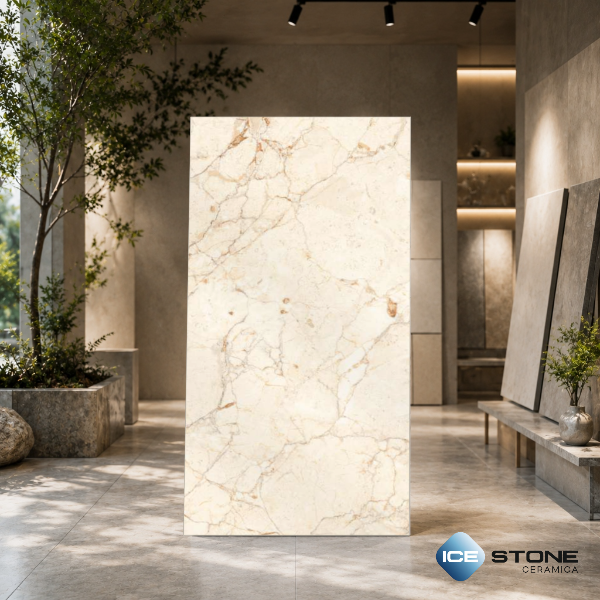
Marble-look floor tiles (in porcelain or vitrified form, not natural stone) recreate the elegance of real marble without the sealing and staining upkeep that natural stone demands in a wet room. Icestone’s Beige Marble Glossy Vitrified Tile (Marvel Beige) and White Cream Marble Glossy Vitrified Tile (Mischka) are popular choices in this category, priced around ₹62/sq.ft.
Bathroom Tiles Installation & Maintenance Tips
Cleaning guide:
- Sweep loose dirt regularly, then mop with a pH-neutral tile cleaner
- Porcelain and vitrified tiles need minimal upkeep beyond this thanks to low porosity
- Textured or mosaic tiles benefit from an occasional scrub with a soft brush to clear grime from grooves and grout lines
- For hard water stains, use a mild vinegar-water solution, leave for a few minutes, then scrub gently and rinse
Water resistance: Reseal grout lines every 1–2 years to prevent moisture seeping in and discoloring the joints — this is especially important in shower zones where water exposure is constant.
Long-term durability: Avoid abrasive scouring pads on glazed tiles, as they can dull the surface finish over time even while removing a stain. Choosing porcelain or vitrified over standard ceramic for wet areas significantly extends the tile’s usable life.
Common Mistakes to Avoid
Using glossy tiles on the floor: A wet glossy surface becomes genuinely dangerous underfoot — this is one of the most common and most avoidable bathroom tiling mistakes. Keep glossy finishes to the walls only.
Wrong tile size: Oversized tiles in a small bathroom require excessive cutting around fixtures, increasing wastage and installation cost. Match tile size to bathroom size and layout.
Poor grout selection: Using a grout that doesn’t match the tile’s water resistance, or skipping proper sealing, leads to mould, discoloration, and moisture damage over time — even with a high-quality tile.