

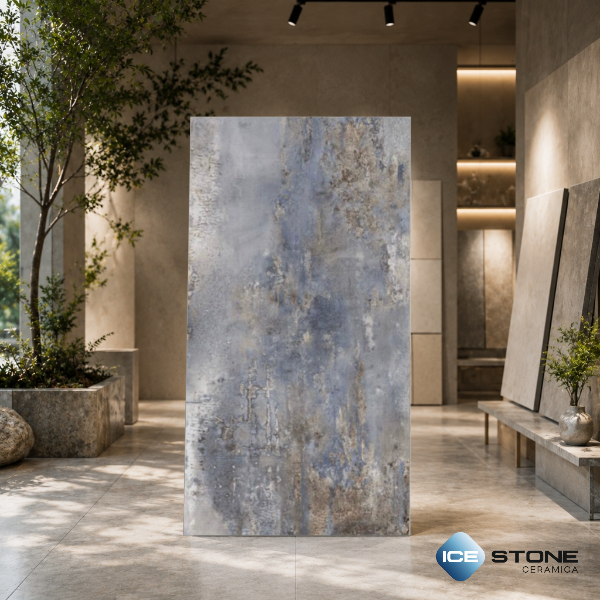
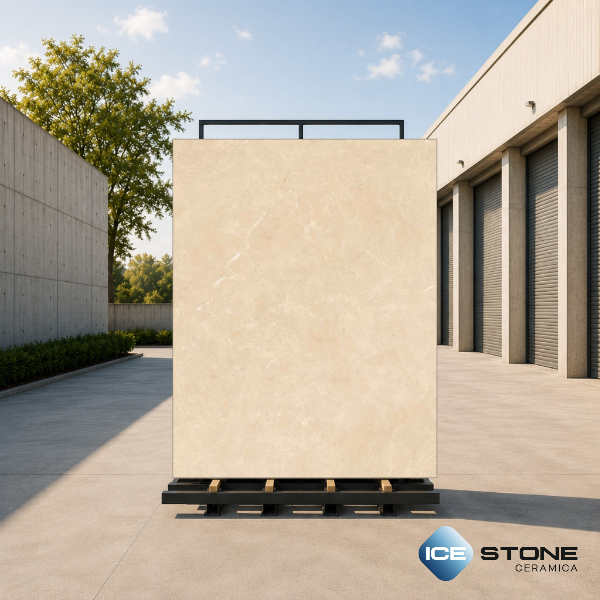
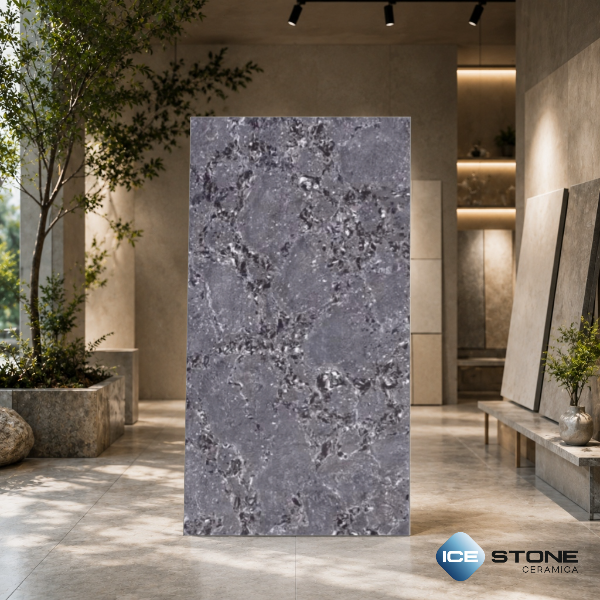
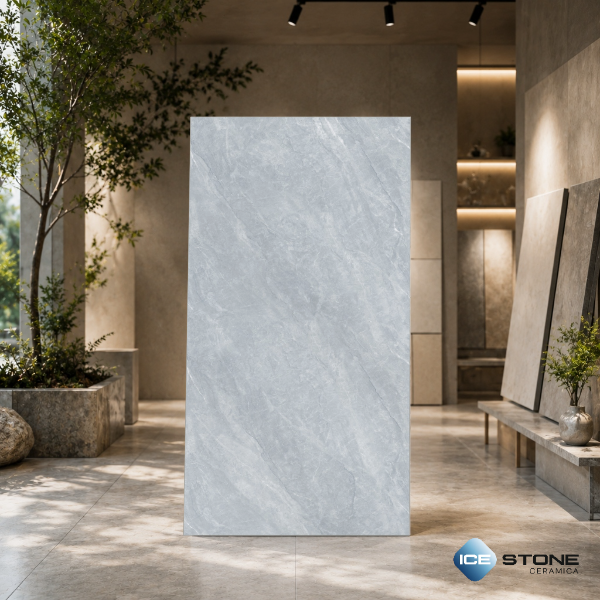
Buy Stone Floor Tiles Online
Natural stone has an earthy, textured character that no other flooring material quite replicates — but real stone comes with sealing, staining, and maintenance demands that put many homeowners off. Stone-look floor tiles recreate that same rugged, natural texture on a durable porcelain or vitrified base, giving you the character of stone without its upkeep. Explore our full range of Buy Premium Floor Tiles Online at Best Prices in India for every other design and room in the home.
Icestone Ceramica’s stone-look collection covers a range of textures and tones inspired by slate, limestone, and granite, suited to both indoor spaces and outdoor areas that need to handle weather exposure.
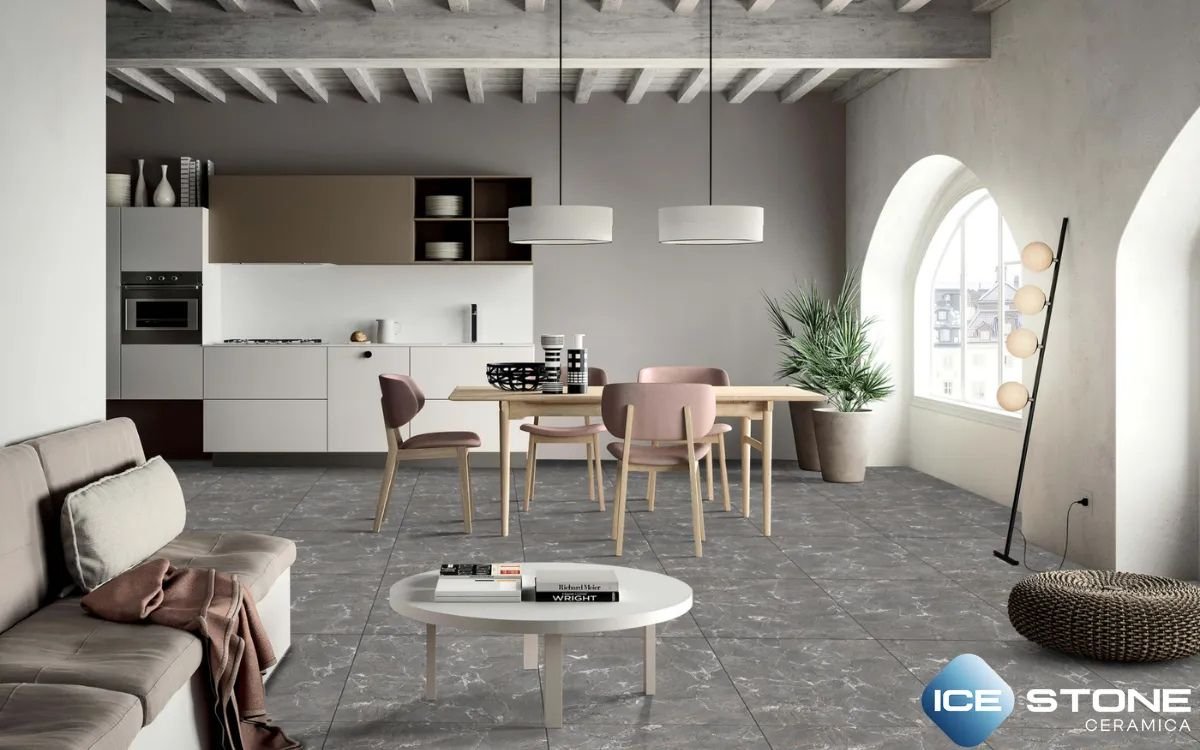
What Are Stone Floor Tiles?
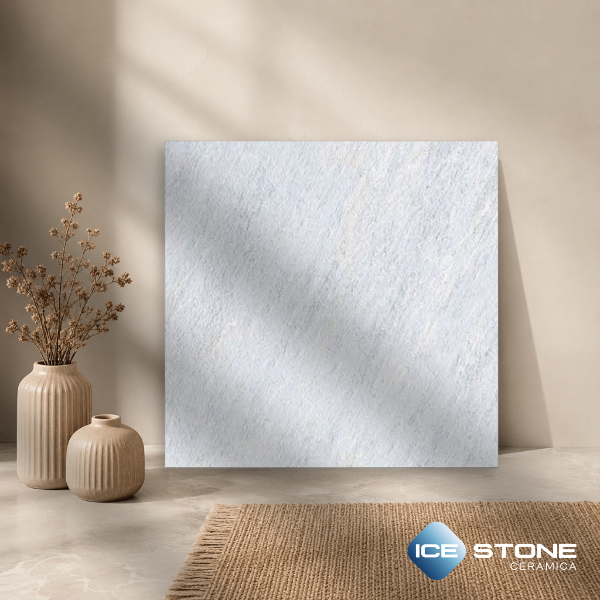
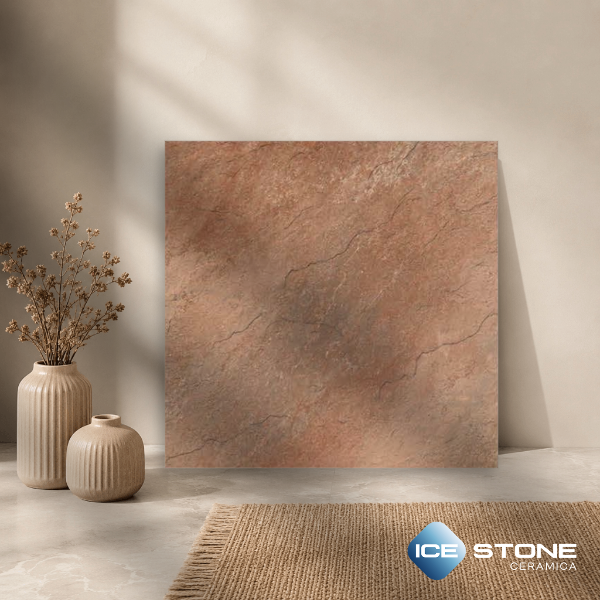
Stone floor tiles are porcelain or vitrified tiles finished with a printed and textured surface that replicates the look and feel of natural stone — slate, limestone, granite, or sandstone — without being cut from actual rock. The texture is often embossed into the tile itself, so the visual grain is matched by a physical surface roughness, unlike a flat-printed design.
Real natural stone and stone-look tiles serve different priorities. Natural stone offers a genuinely one-of-a-kind surface — no two slabs are identical — but it’s porous, needs periodic sealing to resist staining, and can be inconsistent in colour and thickness across a batch. Stone-look tiles trade some of that natural uniqueness for consistent sizing, no sealing requirement, and better stain resistance, which is why they’ve become the more practical choice for most homes, particularly in kitchens, bathrooms, and outdoor areas where moisture exposure is routine.
Kota Stone Floor Tiles
Kota stone is a genuine natural limestone quarried in Rajasthan, valued in India for decades as a durable, budget-friendly flooring material with a distinctive green-grey tone. It’s a real natural stone — not a stone-look tile — and remains popular for courtyards, verandas, and traditional home interiors where its characteristic matte, slightly textured surface suits the space. Unlike a porcelain stone-look tile, Kota stone needs periodic polishing and sealing to maintain its finish and resist staining, since it’s a genuinely porous natural material rather than a manufactured surface.
Stone Floor Tiles Design
Stone-Look Tile Patterns
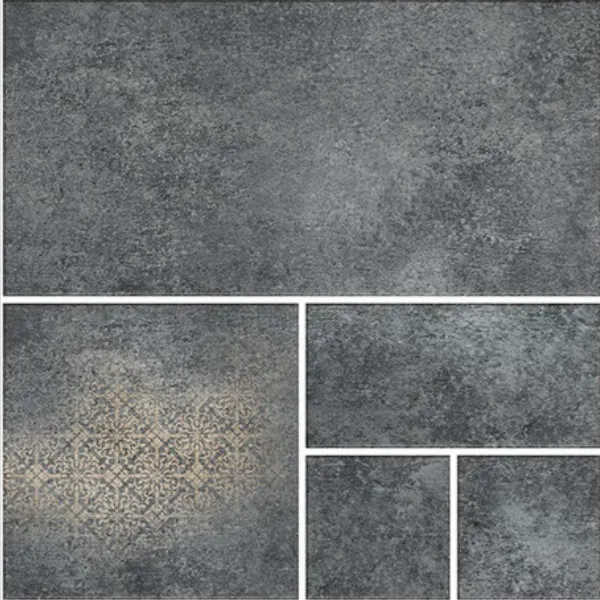
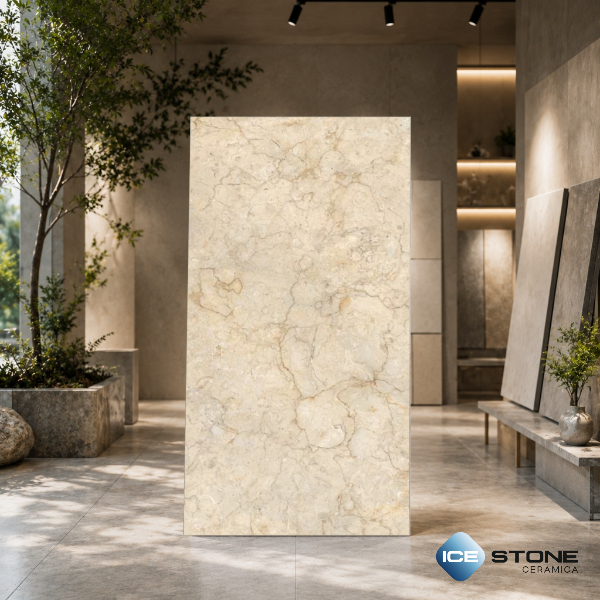
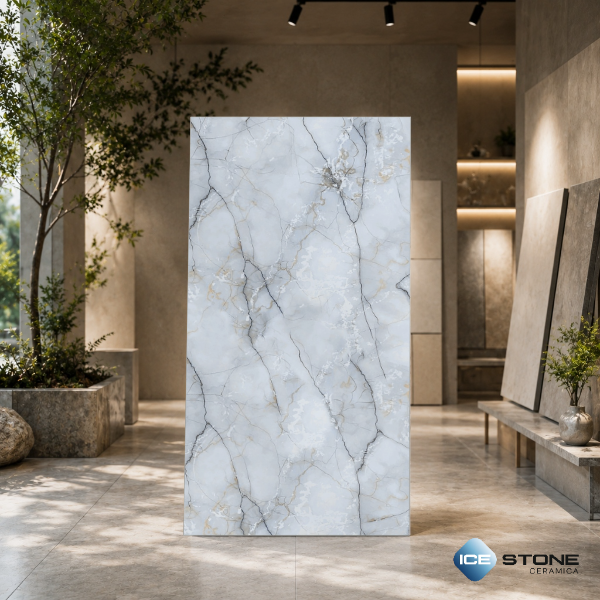
Modular stone-effect designs recreate the irregular, non-repeating look of natural stone slabs while maintaining the consistent sizing of a manufactured tile — a combination real stone can’t offer, since natural slabs vary in thickness and colour from piece to piece. Large-format stone-look tiles have become the more requested option recently, since fewer grout lines let the natural-looking texture read as more continuous across a room.
Stone Floor Tiles Texture
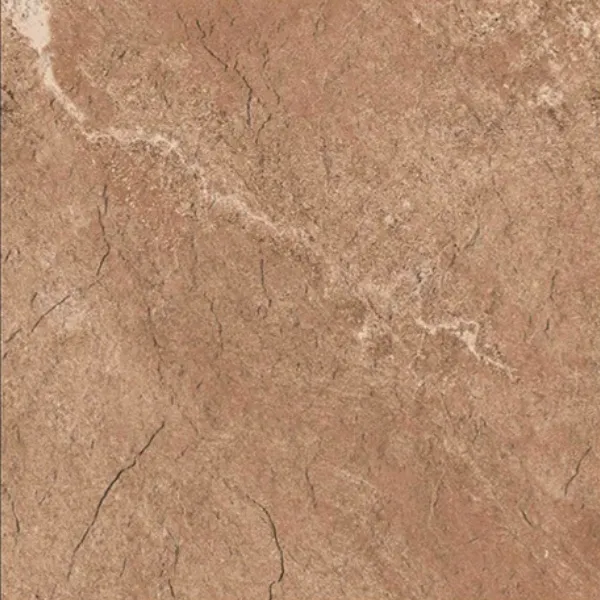
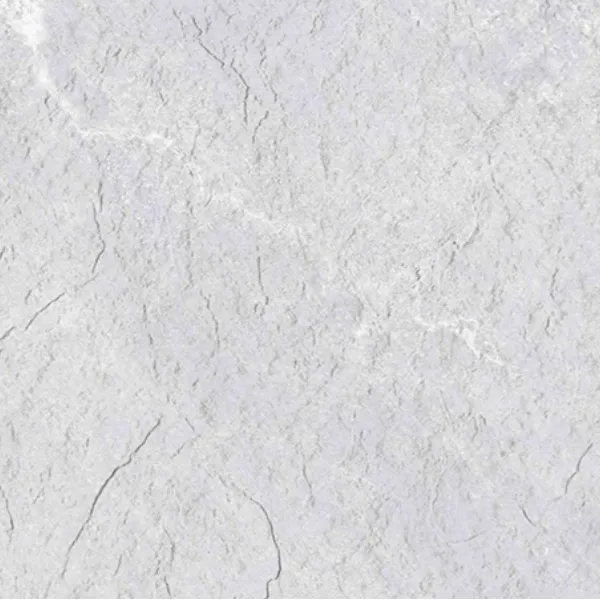
Rough and tumbled finishes replicate the naturally weathered surface of quarried stone, offering genuinely better grip underfoot than a smoother finish — a real functional advantage for outdoor or wet-area use, not just an aesthetic choice. Polished stone-look finishes trade some of that grip for a more refined, formal appearance, better suited to dry indoor spaces like a hall or living room than a bathroom or terrace.
Stone Floor Tiles by Colour
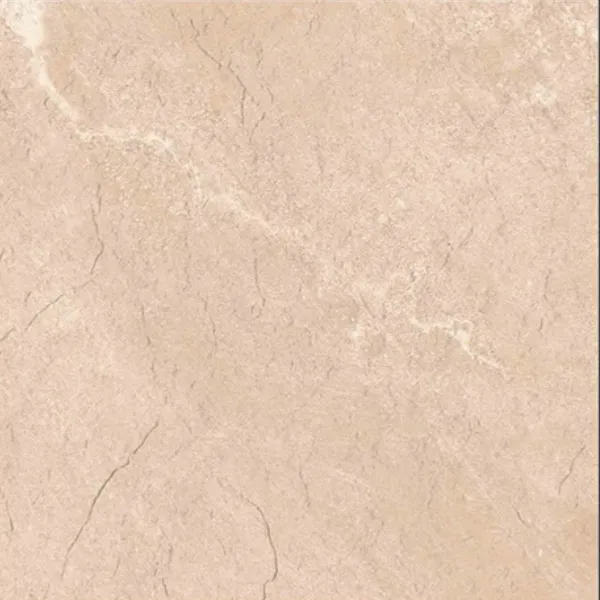
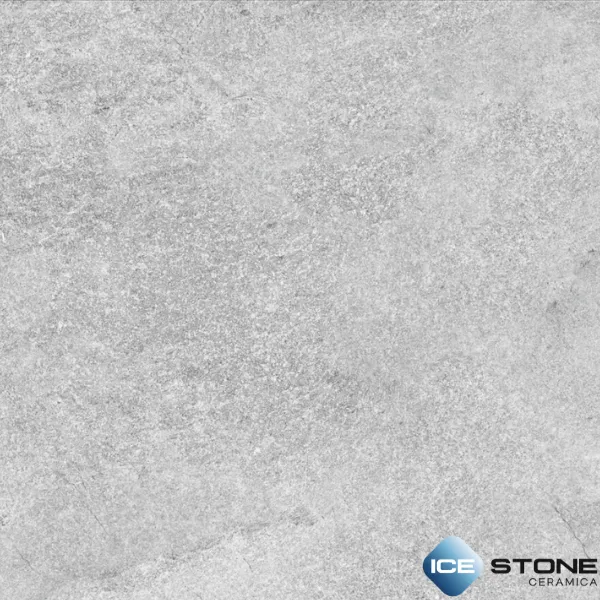
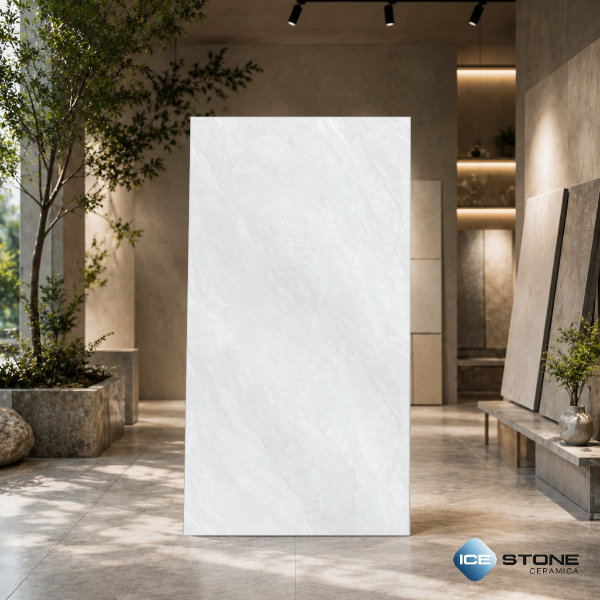
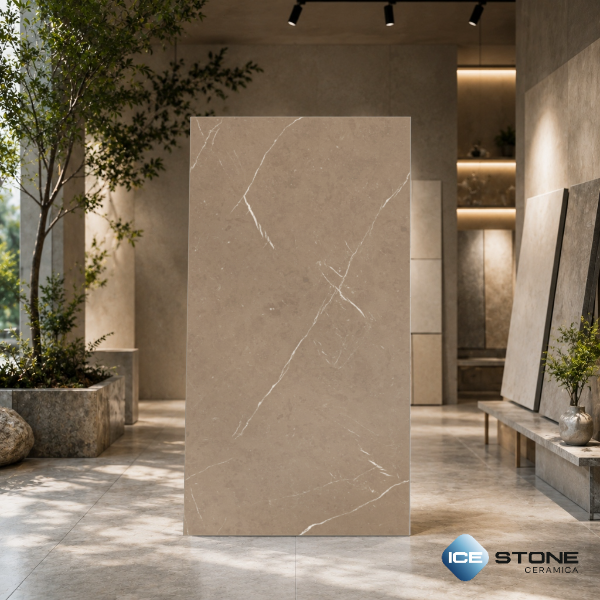
Grey remains the most requested stone-look colour, closely followed by warmer beige and earthy brown tones that echo natural limestone and sandstone. Black and white stone-look variants exist too, generally used for a bolder, more contemporary take on the natural-stone aesthetic rather than the classic earthy palette.
Where to Use Stone Floor Tiles
Stone-look tiles work particularly well in bathrooms, where their naturally textured surface offers genuine slip resistance alongside the spa-like look many homeowners want in this room. They’re one of the most popular choices for outdoor floor tiles too, since the weather-resistant porcelain base holds up to sun and rain far better than real natural stone would without regular sealing. In kitchens, a stone-look finish brings an earthy character while retaining the stain resistance the room actually needs day to day.
Stone Floor Tiles Price
| Area of Application | Price Range (Per Sq. Ft.) |
|---|---|
| Bathroom Floors | ₹62 – ₹81 |
| Kitchen Floors | ₹55 – ₹81 |
| Living Room Floors | ₹55 – ₹81 |
| Outdoor Areas | ₹70 – ₹83 |
| Parking | ₹70 – ₹83 |
Prices vary by design, texture, and collection. Check individual product pages for current pricing.
How to Choose the Right Stone Floor Tile
Choose by Application (Indoor vs Outdoor)
A rough or textured stone-look finish suits outdoor and wet-area use best, while a polished or matt finish works well for dry indoor spaces like halls and living rooms.
Choose by Texture & Slip Resistance
Prioritise a rough or tumbled finish for bathrooms, terraces, and any area exposed to water, since the textured surface offers meaningfully better grip than a smoother stone-look finish.
Stone Floor Tile Cleaning & Maintenance
Stone-look porcelain tiles need only regular sweeping and mopping with a pH-neutral cleaner to stay in good condition, without the periodic sealing that real natural stone like Kota stone requires to resist staining and maintain its surface. This is one of the clearest practical advantages a manufactured stone-look tile holds over genuine natural stone, particularly in high-moisture rooms where sealing upkeep is easy to fall behind on.