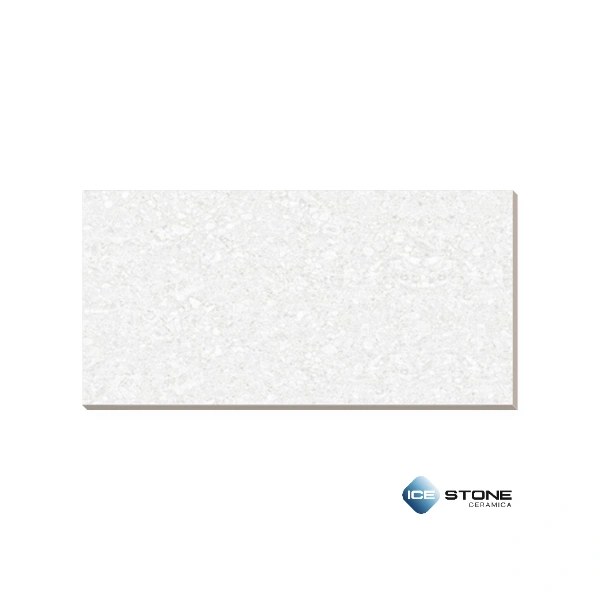
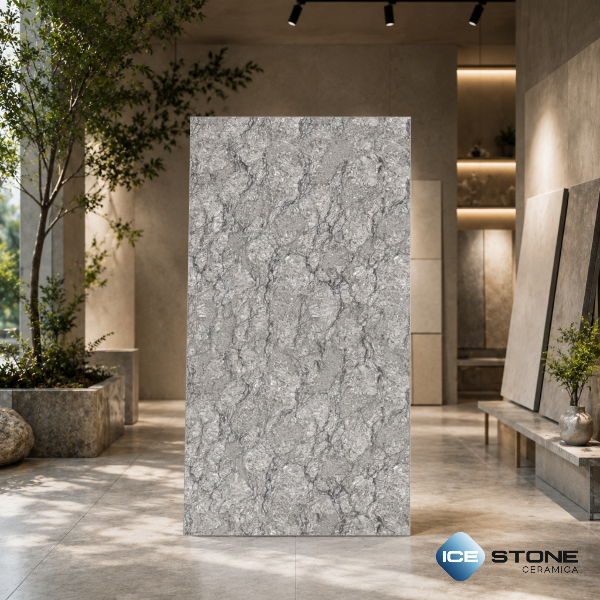
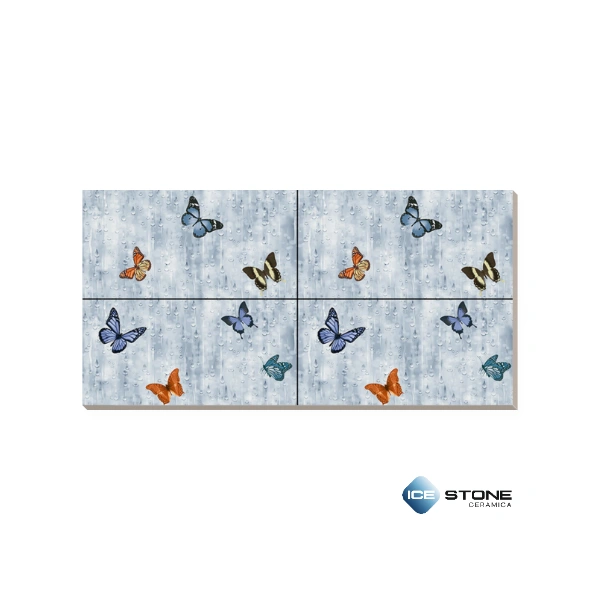
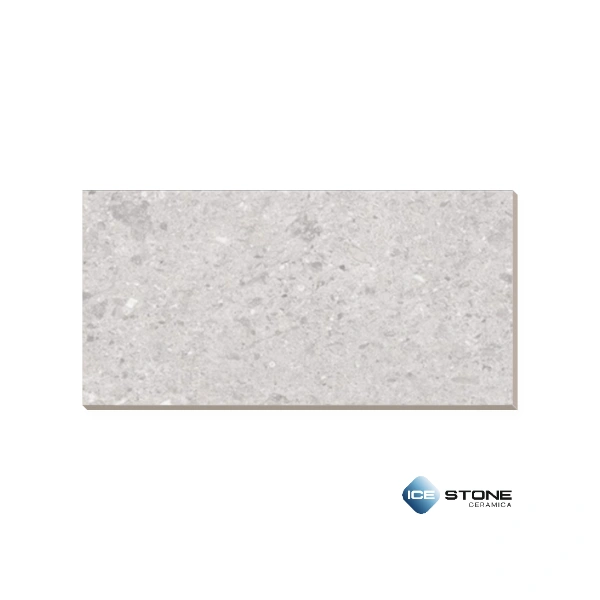
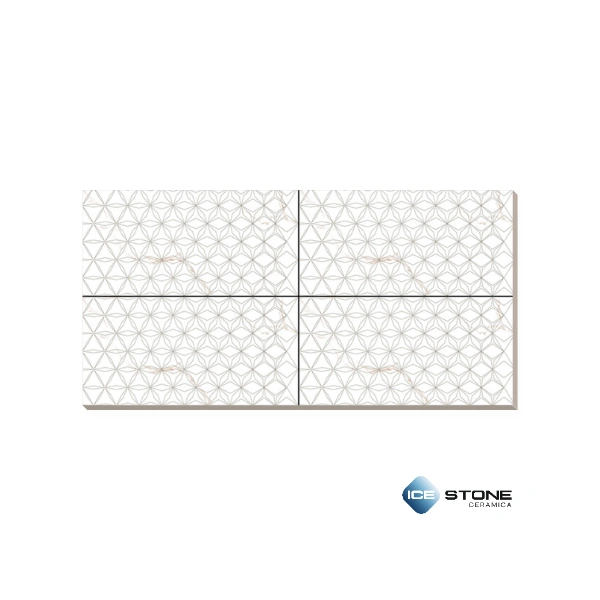
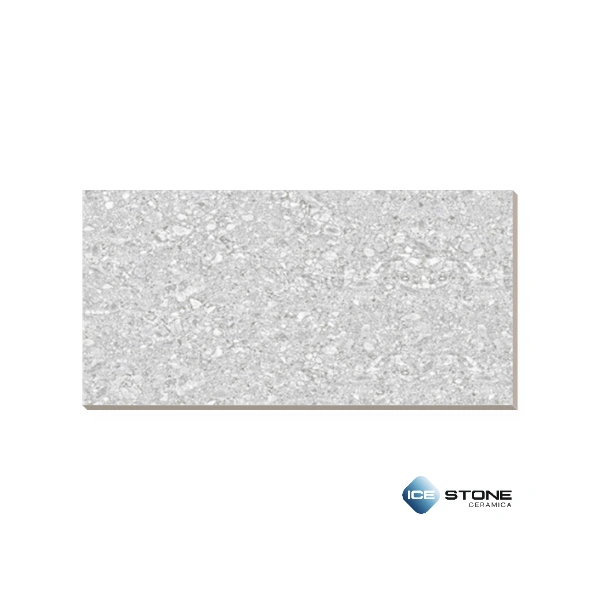
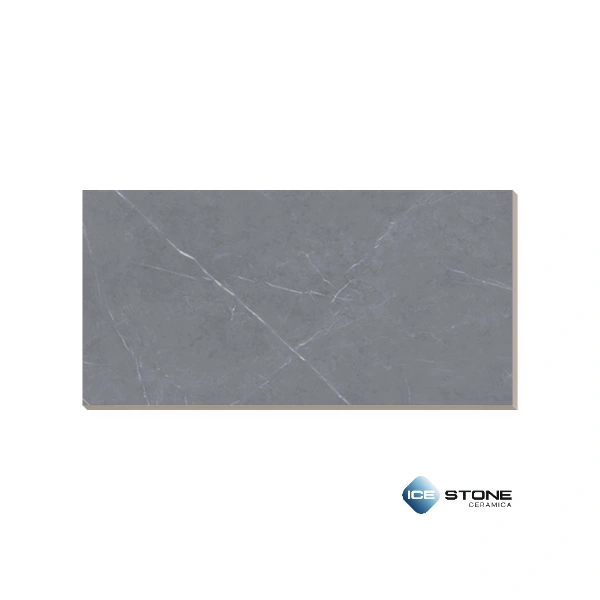
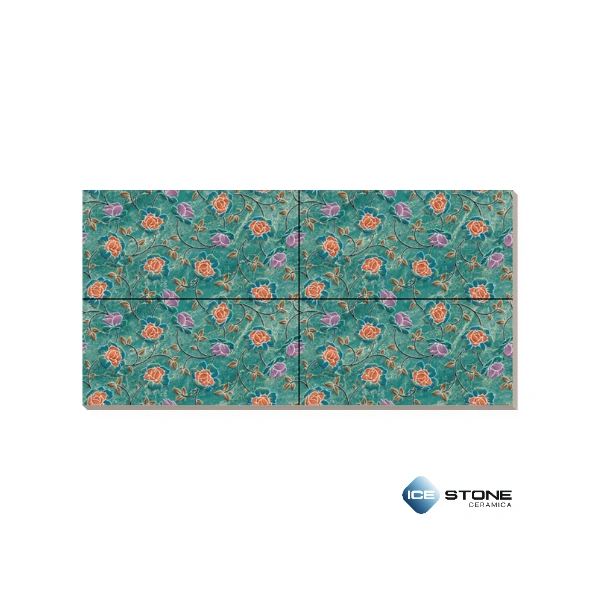
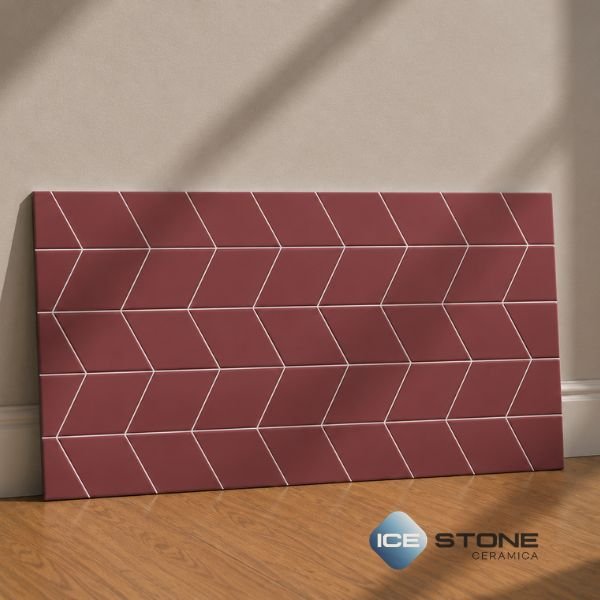
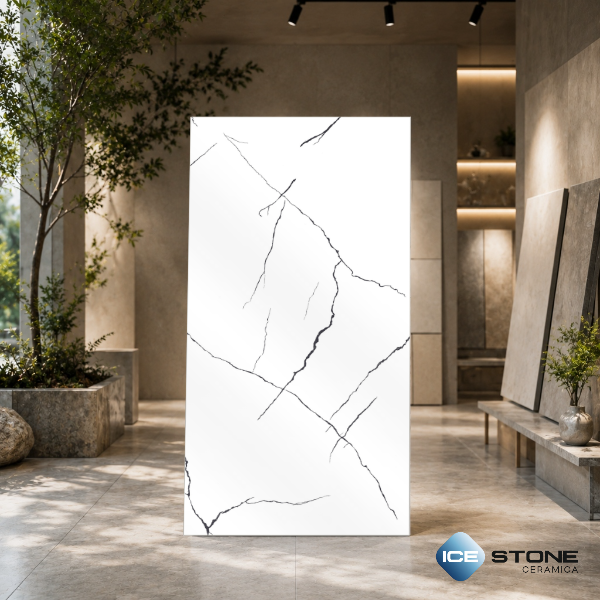
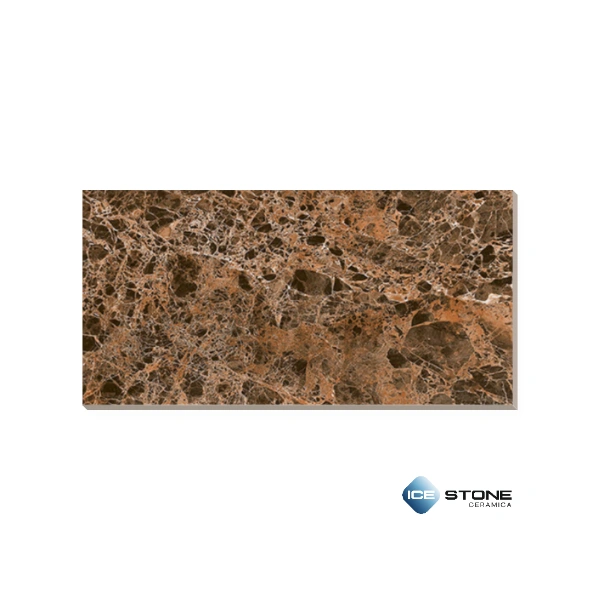
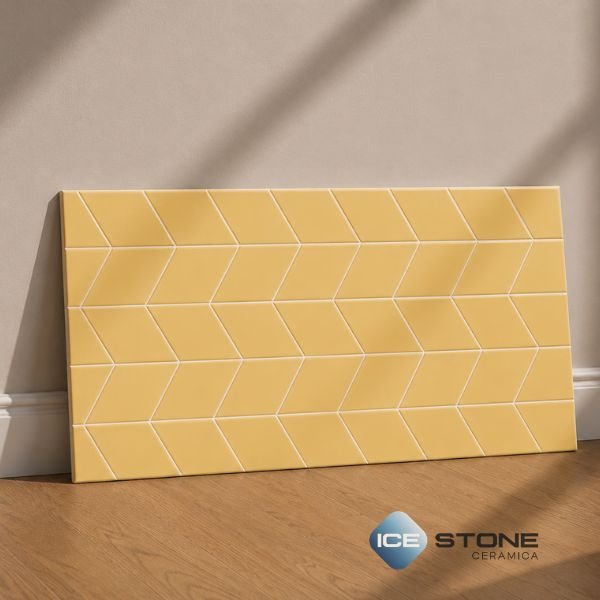
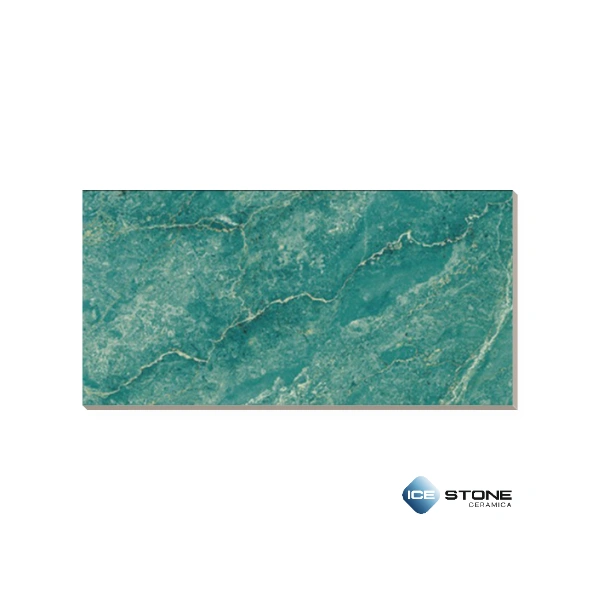
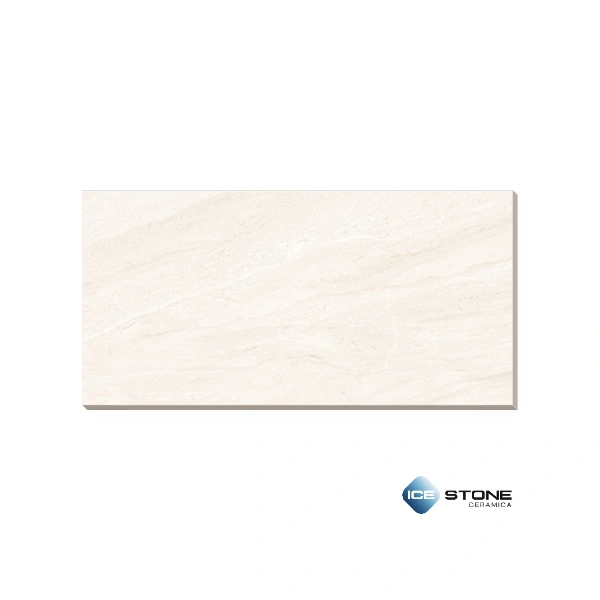
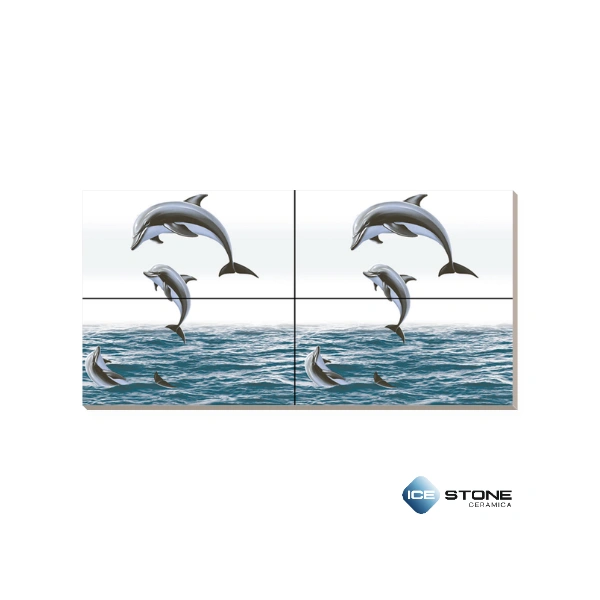
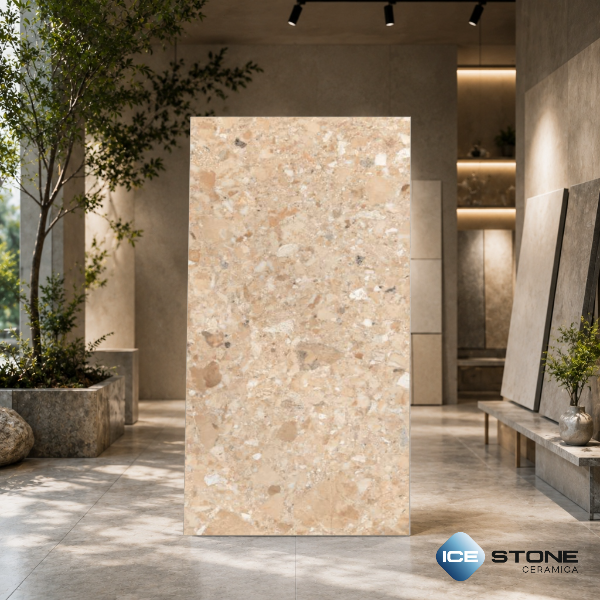
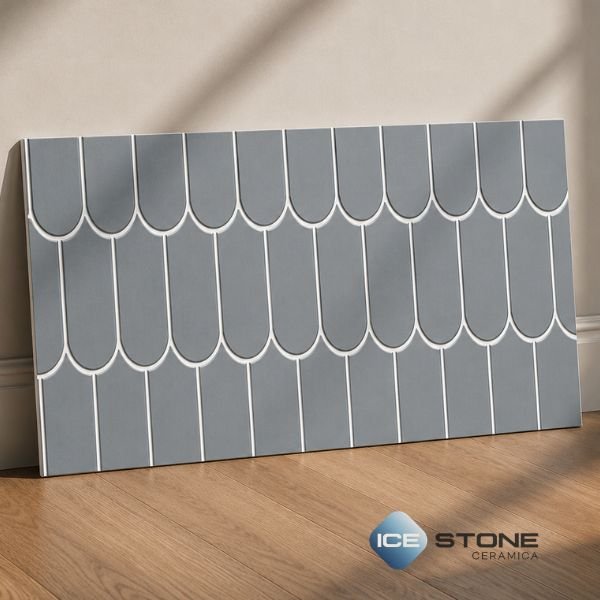
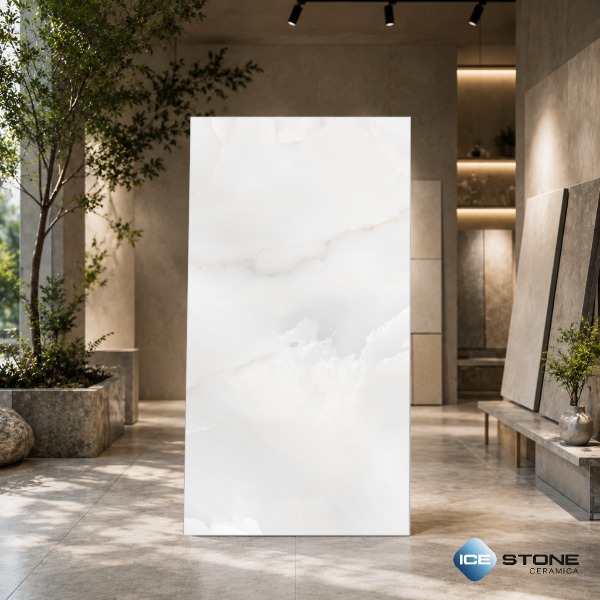
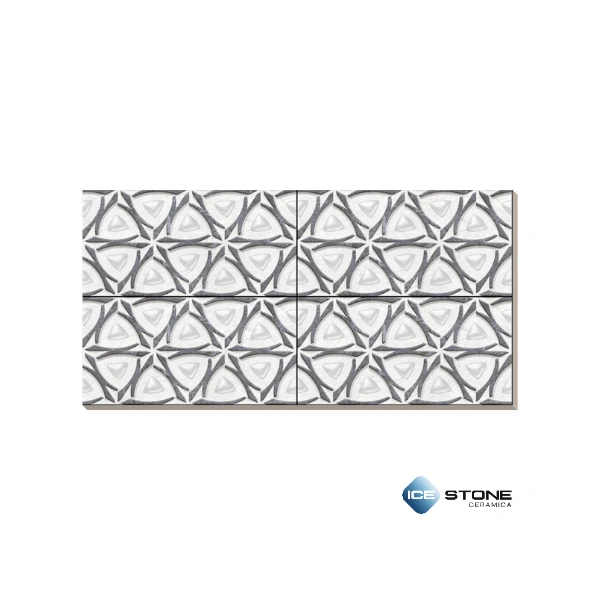
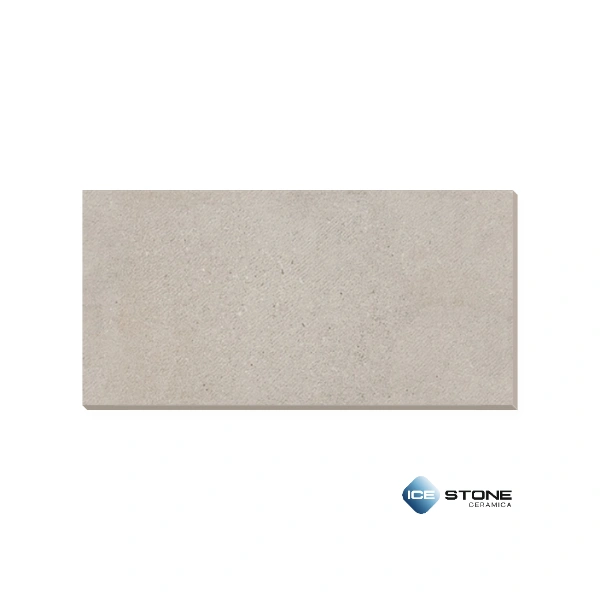
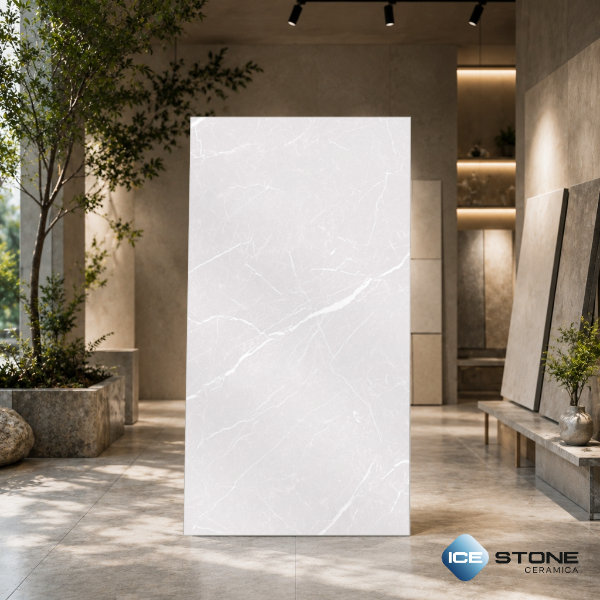
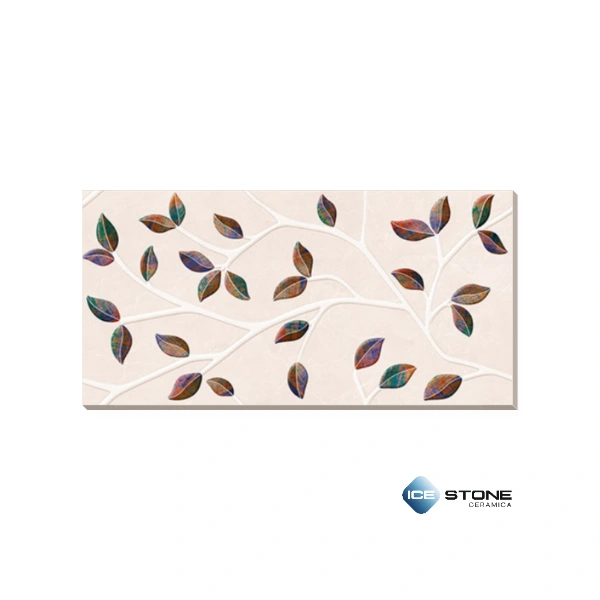
Wall tiles do more than just protect a surface — they set the character of a room before anything else is even unpacked or arranged. At Icestone Ceramica, our wall tile range spans every room, size, design, and colour an Indian home or commercial space could need, from kitchen backsplashes to full house-front cladding, all priced transparently and delivered PAN India. Whether you’re tiling a single accent wall or an entire exterior façade, this guide walks through the full range to help you find the right fit.
Why Wall Tiles Are Worth Getting Right
A wall tile choice is one of the longer-lasting decisions in any renovation or new build — unlike paint, which can be redone in a weekend, tiled walls typically stay in place for a decade or more once installed. That makes it worth spending real time comparing designs, sizes, and finishes before committing, rather than defaulting to whatever’s easiest to source locally. Beyond looks, the right wall tile also solves practical problems specific to each room: grease and steam resistance in kitchens, water resistance in bathrooms, weather resistance on exteriors, and durability in high-traffic hallways and staircases. Getting the material and finish right for the room’s actual conditions matters just as much as getting the colour and pattern right for the room’s look.
Wall Tiles by Room
Every room asks something different from its walls. A kitchen wall needs to survive grease, steam, and daily wiping down; a bathroom wall needs to handle constant moisture without staining or peeling; and a living room or bedroom wall is judged almost entirely on how it looks. Below is the full breakdown of our room-specific wall tile collections.
Kitchen Wall Tiles
Kitchen walls, especially around the cooking and sink area, take the most punishment of almost any wall in the house. Grease splatters, steam, and constant wiping mean kitchen tiles need to be easy to clean and resistant to staining, which is why glossy and semi-glossy ceramic finishes remain the most popular choice here.
Bathroom Wall Tiles
Bathrooms are wet more often than any other room, so wall tiles here need strong water resistance above almost anything else. Beyond function, bathroom walls are also where a lot of homeowners choose to make a design statement — patterned accent strips, mosaic borders, or a full feature wall are all common.
Living Room Wall Tiles
Living rooms lean almost entirely on aesthetics, since the walls here rarely face moisture or heavy staining. Large-format tiles, stone-look and marble-look designs, and half-wall applications — tiling up to chair-rail height and leaving the rest painted — are especially popular in this room. A common approach is to tile just one feature wall, often behind a TV unit or sofa, in a bolder marble or textured design while keeping the remaining walls painted in a complementary neutral, which keeps costs down while still delivering a strong visual anchor for the room.
Bedroom Wall Tiles
A softer, more understated approach usually works best in bedrooms, where the goal is a calm, restful atmosphere rather than a bold statement. Matt finishes and muted tones are the more common choice here over anything reflective or high-contrast. Many homeowners limit tiling to a single headboard wall, using it as a design feature rather than covering the full room, which keeps the space feeling personal rather than showroom-like.
Outdoor & Exterior Wall Tiles
This is one of the largest and most in-demand categories in our range, covering everything from house-front façade cladding to boundary walls and porticos. Homeowners searching for front wall tile designs are typically looking to make a strong first impression at the entrance of the house, and weather-resistant, fade-proof finishes are essential here given constant sun and rain exposure. Stone-look and wood-look cladding tiles are especially popular for this application, since they deliver the visual weight and texture of natural building materials while resisting the cracking and staining that real stone or wood exteriors can develop over years of weather exposure. Beyond the main façade, exterior wall tiles are also commonly used for compound walls, gate pillars, and portico columns, where a coordinated design across these smaller structures ties the whole exterior together.
Balcony Wall Tiles
Balconies sit at the intersection of indoor comfort and outdoor exposure, so wall tiles here need a finish tough enough to handle weather while still looking intentional rather than purely functional.
Parking Wall Tiles
Parking area walls prioritise durability and easy cleaning over decorative appeal, since they’re exposed to vehicle exhaust, dust, and the occasional scrape.
Terrace Wall Tiles
Similar to balconies, terrace walls need to handle direct sun and rain while still contributing to the overall outdoor aesthetic, especially for terraces used as seating or entertaining areas.
Hallway Wall Tiles
Hallways are transitional spaces, often tiled to handle higher foot traffic and the occasional bump from furniture being moved through, while still tying together the design of the rooms on either side.
Porch Wall Tiles
A porch is usually the very first thing visitors see, so porch wall tile designs tend to favour a stone, brick, or textured look that makes a strong entrance statement.
Dining Room Wall Tiles
Dining rooms often use wall tiles as a feature element — behind a sideboard or as an accent panel — rather than covering the entire room, favouring a more decorative, pattern-forward design.
Stair Wall Tiles
Staircases benefit from durable, easy-clean tiles along heavily touched areas, often paired with coordinated flooring for a continuous look from floor to wall.
Pooja Room Wall Tiles
Pooja rooms typically favour lighter, brighter tiles whites, ivories, and soft golds sometimes paired with motif or floral designs suited to the sanctity of the space.
Wall Tiles by Size
The size of a wall tile affects both the pace of installation and the visual scale of the finished wall — larger tiles mean fewer grout lines and a cleaner look, while smaller formats suit detailed or accent applications.
2×2 ft (600×600 mm) Wall Tiles
A compact, versatile format suited to bathrooms and smaller feature areas. Its smaller footprint makes it easier to cut around fittings like switches, taps, and shower fixtures, which is why it remains a go-to choice for bathrooms with plenty of wall-mounted fittings to work around.
2×4 ft (600×1200 mm) Wall Tiles
A mid-size option balancing coverage speed with detail. It covers more wall area per tile than the 2×2 format without losing the flexibility to handle accent walls or smaller rooms, making it a practical middle-ground choice for kitchens and bathrooms alike.
300×600 mm (1×2 ft) Wall Tiles
One of the most common sizes for kitchen and bathroom walls in Indian homes. Its rectangular shape works especially well in brick-lay or subway-style layouts, and its widespread availability across designs makes it one of the easiest sizes to source in bulk for larger projects.
1200×1800 mm (6×4 ft) Wall Tiles
A large-format option for statement walls and expansive living spaces with minimal grout lines. This size is particularly suited to feature walls, exterior façades, and commercial spaces where a bold, uninterrupted surface makes the biggest visual impact, though it typically calls for professional installation given the precision needed to handle larger, heavier tiles.
Wall Tiles by Design & Material
Design is where wall tiles do the most visual work, and the range available today goes well beyond a plain, flat surface.
3D Wall Tiles
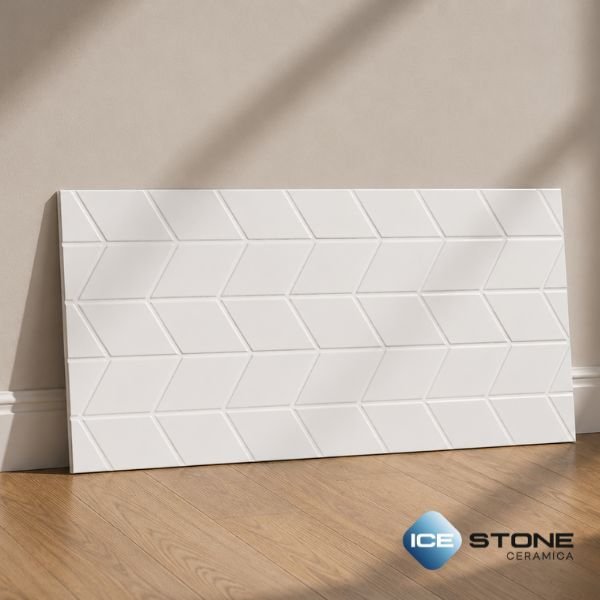
Bring genuine physical depth to a wall through a raised or sculpted surface, ideal for a feature wall that needs to stand out. The play of light and shadow across the raised surface changes throughout the day, which is part of why these tiles work so well as a single statement piece rather than across an entire room.
Mosaic Wall Tiles
Recreate the intricate, small-format look of hand-set tile work as a single manufactured piece, popular for bathroom accents and kitchen backsplashes. Because the pattern comes pre-assembled on a mesh backing, installation is far faster and more consistent than laying individual mosaic pieces by hand, without losing any of the intricate, handcrafted appearance.
Texture Wall Tiles
Add tactile depth without going as far as a full 3D relief, working well across larger wall areas. This makes them a practical middle ground for anyone who wants visual interest beyond a flat surface but isn’t looking for the boldness of a full sculpted design.
Wooden Wall Tiles
Bring timber warmth to a wall without the maintenance real wood panelling demands. They hold up far better to humidity and daily wear than actual wood, making them a practical way to bring a natural, cabin-like feel into kitchens and bathrooms where real timber would otherwise be a poor fit.
Stone & Marble Wall Tiles
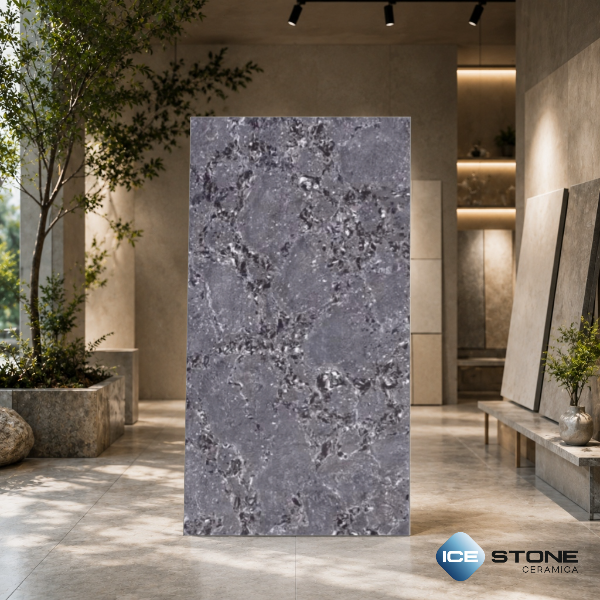
Replicate natural material looks for a premium, upscale finish, while granite-look designs lean more rugged and speckled. All three options skip the sealing, staining, and weight concerns that come with genuine natural stone or marble slabs, making them a far more practical choice for both interior feature walls and exterior cladding.
Pattern & Moroccan Wall Tiles
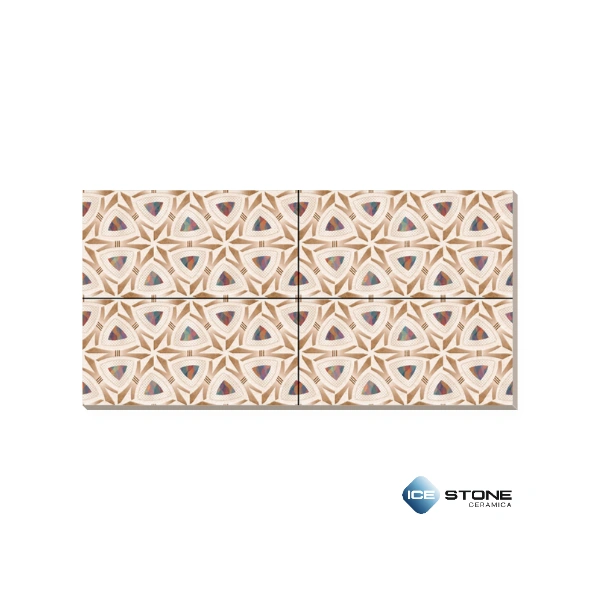
Bring geometric and motif-driven designs, often used as accents rather than covering an entire wall. Moroccan-style tiles in particular lean toward richer colour combinations and intricate detailing, which tends to work best confined to a smaller zone like a backsplash or an entryway rather than a full-room application.
Subway Wall Tiles
Offer a classic rectangular brick-lay look that’s remained popular in kitchens for decades. Their simple, repeating shape makes them one of the easiest designs to combine with a contrasting grout colour for extra definition, and their timeless appeal means they rarely feel dated the way more trend-driven patterns can.
Flower & Plain Wall Tiles
Flower designs add a decorative, floral motif especially popular in bathrooms and pooja rooms, while plain wall tiles offer a clean, single-tone surface that lets other design elements in the room take the lead.
Wall Tiles by Colour
Colour is often the first decision homeowners make, and it shapes everything else that follows — from grout choice to which finish suits the room.
White and black sit at opposite ends of the spectrum — white brightens and opens up a space, while black adds drama and hides marks well. Grey remains the most versatile middle-ground choice, pairing easily with almost any decor style. Warmer neutrals like brown, beige, ivory, and cream bring a soft, welcoming feel suited to bedrooms and living rooms. For bolder statements, blue and green tiles are popular in bathrooms and kitchens looking for a fresh, vivid accent, while red, yellow, pink, and orange tend to work best as feature accents rather than full-room applications. Gold accents and terracotta tones bring warmth and a more traditional character, particularly for porches and pooja rooms. Combination designs like black and white and white and gold remain some of the most requested pairings for a striking, decorative finish.
Wall Tiles by Finish
Finish changes how a colour or design actually reads on the wall, and it’s worth choosing deliberately rather than as an afterthought.
Glossy Wall Tiles
Reflect light and brighten a space, making them a strong choice for smaller kitchens and bathrooms. The reflective surface also makes cleaning marks and grease easier to spot and wipe away quickly, which suits high-touch areas around sinks and cooktops well.
Matt Wall Tiles
Offer a softer, non-reflective surface that hides marks and fingerprints better, suited to bedrooms and living rooms. Because they don’t reflect light or glare, matt tiles also tend to make bolder colours and patterns feel calmer and easier to live with over a larger wall area.
Rustic Wall Tiles
Bring a natural, textured surface suited to exteriors and spaces with a more organic design language. The uneven, tactile finish also holds up well to weathering over time, ageing in a way that generally reads as intentional character rather than visible wear.
Wall & Floor Tile Combinations
Many homeowners choose to coordinate their wall and floor tiles for a seamless, cohesive look, particularly in bathrooms and kitchens. A common approach is keeping the floor in a plain or subtly textured neutral tone while letting the wall carry more colour or pattern, since the floor sees far more direct wear and benefits from a simpler, more forgiving design. In smaller bathrooms, using the same or closely matching tile on both floor and wall can also make the room feel larger by removing the visual break between the two surfaces.
Current Trends in Wall Tile Design
Large-format tiles have become increasingly popular across almost every room, driven by the cleaner, more seamless look that fewer grout lines create — this trend is particularly strong in living rooms and exteriors, where 600×1200mm and even bigger formats are now common. At the same time, textured and 3D wall tiles have moved from a niche, high-end choice into a much more mainstream one, especially for feature walls in living rooms and bedrooms, where a single accent wall with genuine physical depth has replaced painted accent walls as the design statement of choice.
On the exterior side, stone-look and wood-look cladding tiles remain the dominant trend for house-front designs, largely because they deliver a natural, high-end material appearance without the weight, cost, or maintenance of actual stone or timber cladding. Colour-wise, warm neutrals — beige, terracotta, and soft browns — have grown steadily more popular for façades and porches, often paired with a darker accent band or border, while interiors continue to favour the grey-to-white spectrum for its versatility across almost any decor style.
Wall Tiles Price Guide
| Tile Size |
Approx. Price (₹/Sq. Ft.) |
| 300 × 600 mm |
₹35 – ₹75 |
| 600 × 600 mm |
₹45 – ₹85 |
| 600 × 1200 mm |
₹55 – ₹95 |
| 1200 × 1800 mm |
₹125 – ₹150 |
Note: Prices are approximate and vary depending on design, finish, material, and collection. Please check individual product pages or contact our team for current pricing.
How to Choose the Right Wall Tiles
Start with the room’s actual conditions rather than the design you like most. A kitchen or bathroom needs a glossy or semi-glossy, easy-clean finish that can handle grease, steam, and regular wiping, while a living room or bedroom has far more design flexibility since it won’t face the same daily wear. Exterior and façade applications add another layer of consideration — the tile needs to be genuinely weather-rated, with fade resistance and freeze-thaw durability if your region sees temperature swings, not just an indoor design repurposed for outdoor use.
Next, think about scale and coverage. Full-room applications generally look better in calmer, more neutral tones and plain or lightly textured finishes, since a bold pattern can quickly feel overwhelming across four walls. Reserve your boldest colours, 3D textures, and high-contrast patterns for a single feature wall or a defined accent area a kitchen backsplash, a bathroom shower recess, or a living room TV wall where the impact reads as intentional rather than busy.
Wall Tiles vs Paint: When Tiling Makes More Sense
Paint is cheaper and faster to apply, but it doesn’t hold up to moisture, grease, or heavy scrubbing the way a tiled wall does — which is exactly why kitchens, bathrooms, and exteriors lean so heavily on tile rather than paint despite the higher upfront cost. Tiling also tends to add more resale value to a home than a fresh coat of paint, since buyers generally read tiled walls as a more permanent, higher-quality finish. That said, painted walls remain the more practical choice for low-moisture areas like bedrooms and most living room walls, where the durability tile offers isn’t really being tested day to day — which is why a hybrid approach, tiling only the rooms and zones that need it, is what most homeowners end up choosing rather than tiling a home end to end.
Installing & Caring for Wall Tiles
Wall tiles are typically installed using a tile adhesive applied directly to a clean, level wall surface, with spacers used to maintain consistent grout lines — this method has largely replaced older sand-cement mortar approaches for its faster curing time and stronger bond. Exterior and façade applications need weather-resistant adhesive and sealant specifically rated for outdoor use, since standard indoor adhesive won’t hold up to prolonged sun and rain exposure. Larger-format tiles, especially anything above 600×1200mm, also benefit from professional installation, since getting a perfectly flat, level surface across a bigger tile is far less forgiving of small application errors than smaller formats are.