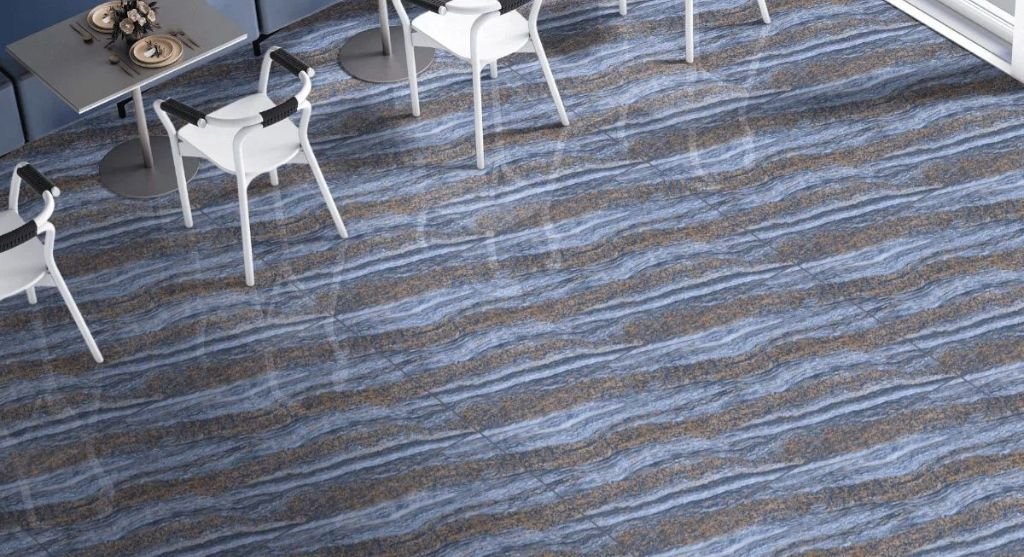

Porcelain tiles look great for years if you clean them right. Get it wrong and you’re looking at dull patches, cloudy grout, and stains that won’t budge no matter how hard you scrub.
The good news: porcelain is one of the easiest tile materials to keep clean. You just need the right routine for your specific finish, and the right fix for whatever’s staining it.
This guide covers daily cleaning, deep cleaning, stain removal, and the mistakes that quietly wreck a good tile job. Whether you’re dealing with a glossy living room floor or a bathroom that’s fighting soap scum, the steps below cover it.
Why porcelain tiles cleaning matters more than people think
Porcelain is dense and water-resistant compared to natural stone. But “low-maintenance” doesn’t mean “no maintenance.”
Dirt that sits too long works into the surface. Hard water leaves a film that builds up layer by layer. Grout, which is far more porous than the tile itself, soaks up grime and stains long before the porcelain does.
Skip proper cleaning and you’ll see it: a hazy finish, dark grout lines, and a floor that looks tired even right after you’ve mopped it. Clean it properly and porcelain tile can look new for 15 years or more.
Know your tile before you clean it
Not all porcelain tiles clean the same way. The finish changes the rules.
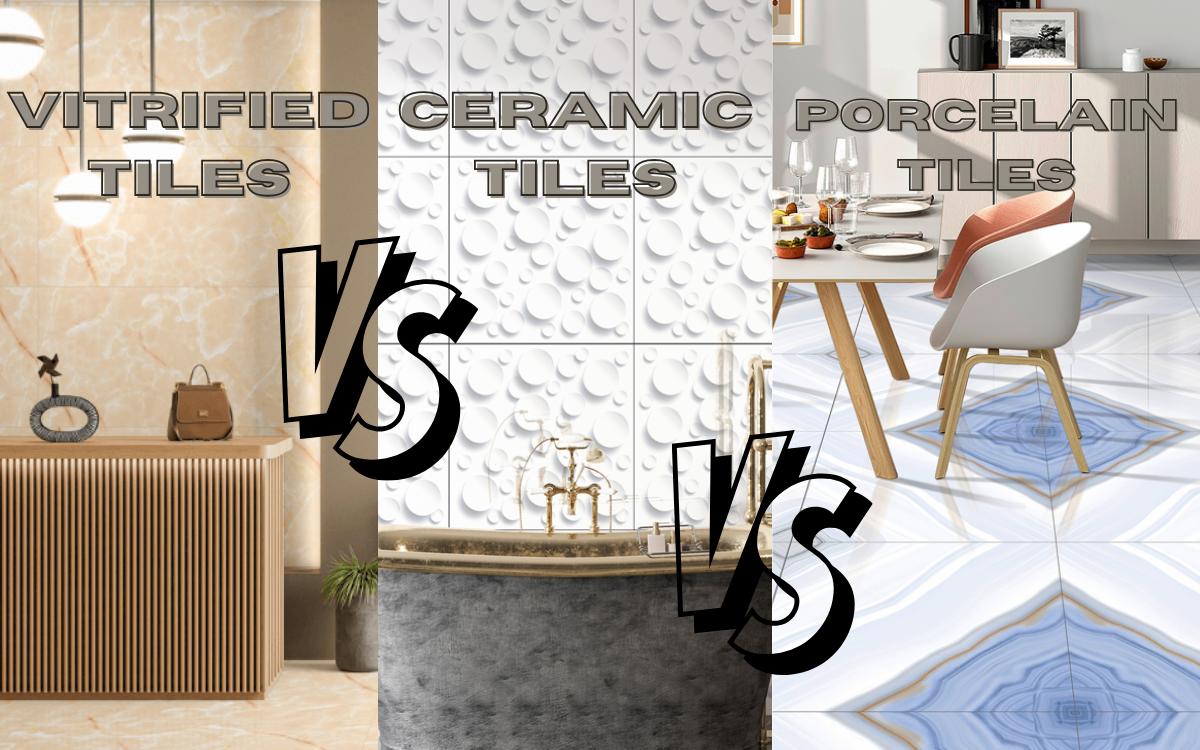
Not sure if what’s on your floor is even porcelain? This comparison of vitrified, ceramic, and porcelain tiles sorts that out before you pick a cleaning method.
Glazed porcelain tiles have a hard, non-porous coating baked onto the surface. This is the easiest type to clean. Most spills wipe off with a damp cloth, and stains rarely soak in.
Unglazed (matte) porcelain tiles have no protective coating. They’re more porous, so dirt and liquid can settle into the surface if you leave them too long. These need a bit more attention, especially in kitchens.
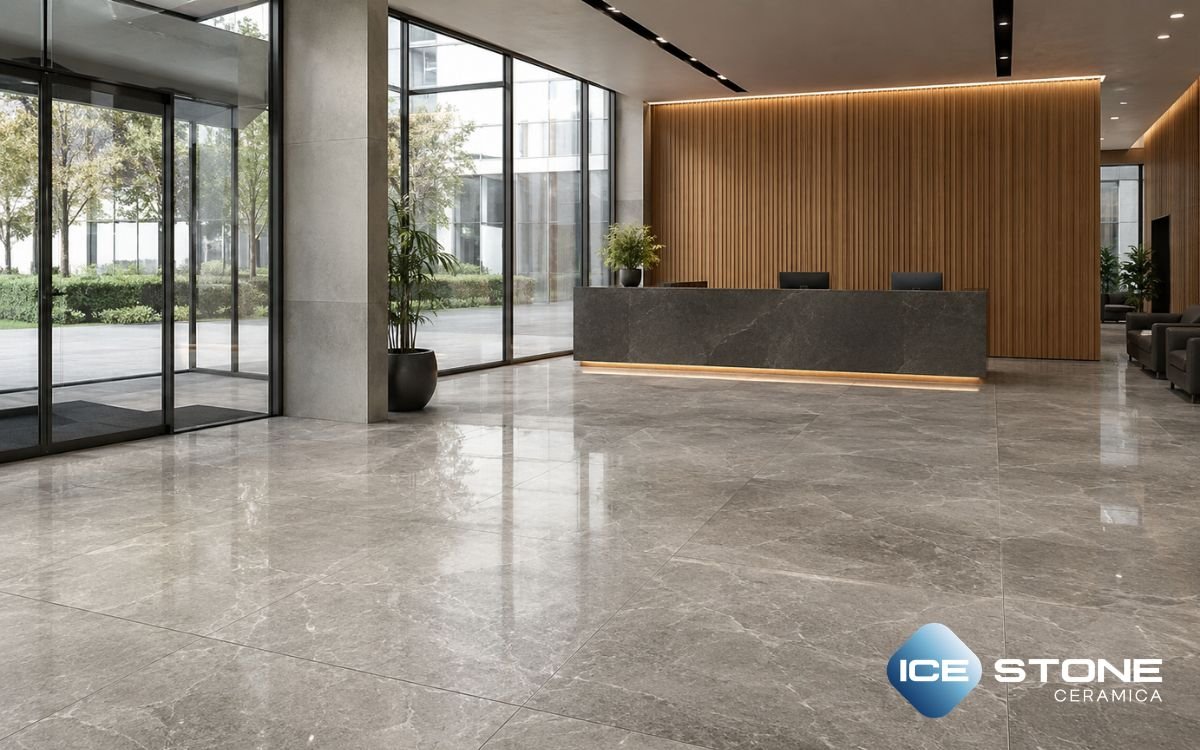
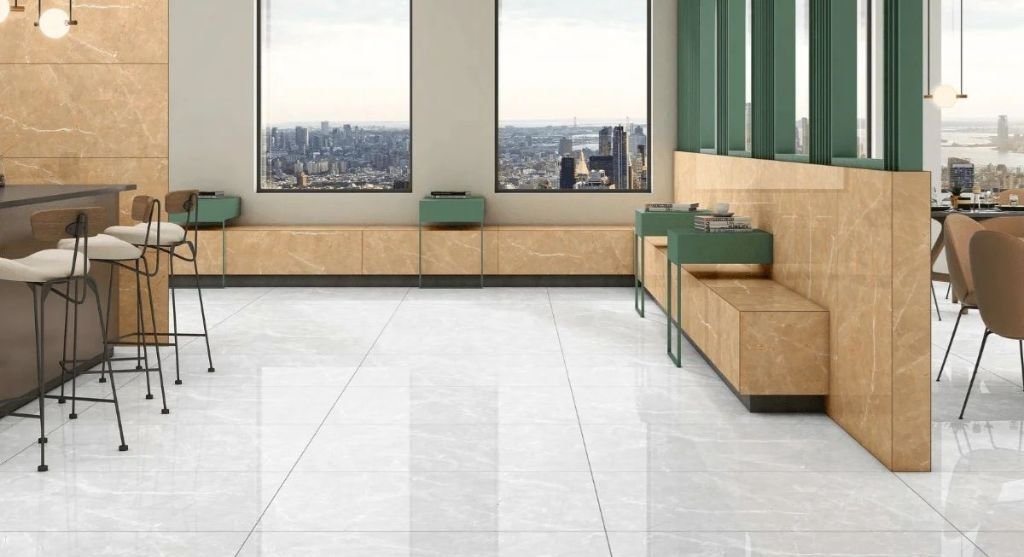
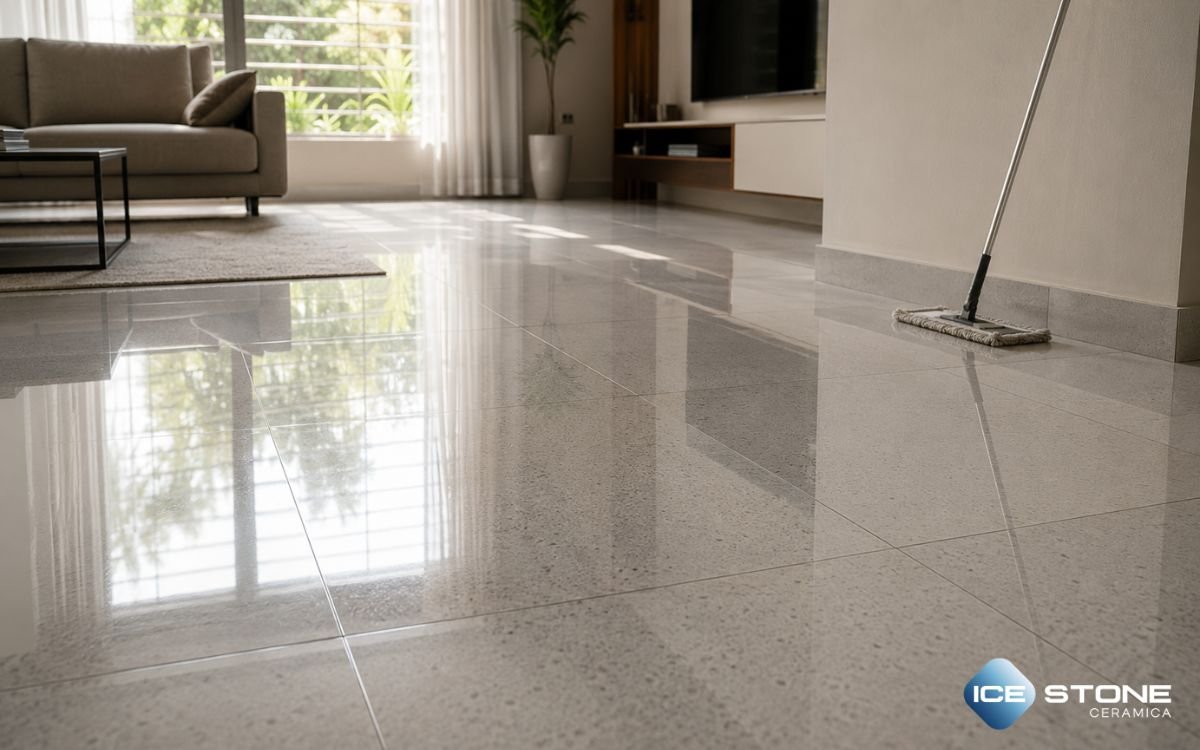
Polished or high gloss porcelain tiles shine because of a mechanical polish, not a glaze. That shine shows every streak, footprint, and cleaning product residue. Use less product and dry them properly, or you’ll trade dirt for streaks.
Textured or anti-slip porcelain tiles (common in bathrooms and outdoor spaces) trap dirt in the grooves. A soft brush does more work here than a mop ever will.
Figure out which one you have. It changes everything from what to clean porcelain tile with to how hard you can scrub.
A quick way to check: run your hand across a dry tile. Smooth and reflective means glazed or polished. Slightly grainy or matte to the touch usually means unglazed. If you’re not sure, check the box the tiles came in, or ask wherever you bought them. It’s worth 2 minutes before you start scrubbing with the wrong product.
The daily cleaning routine that actually works
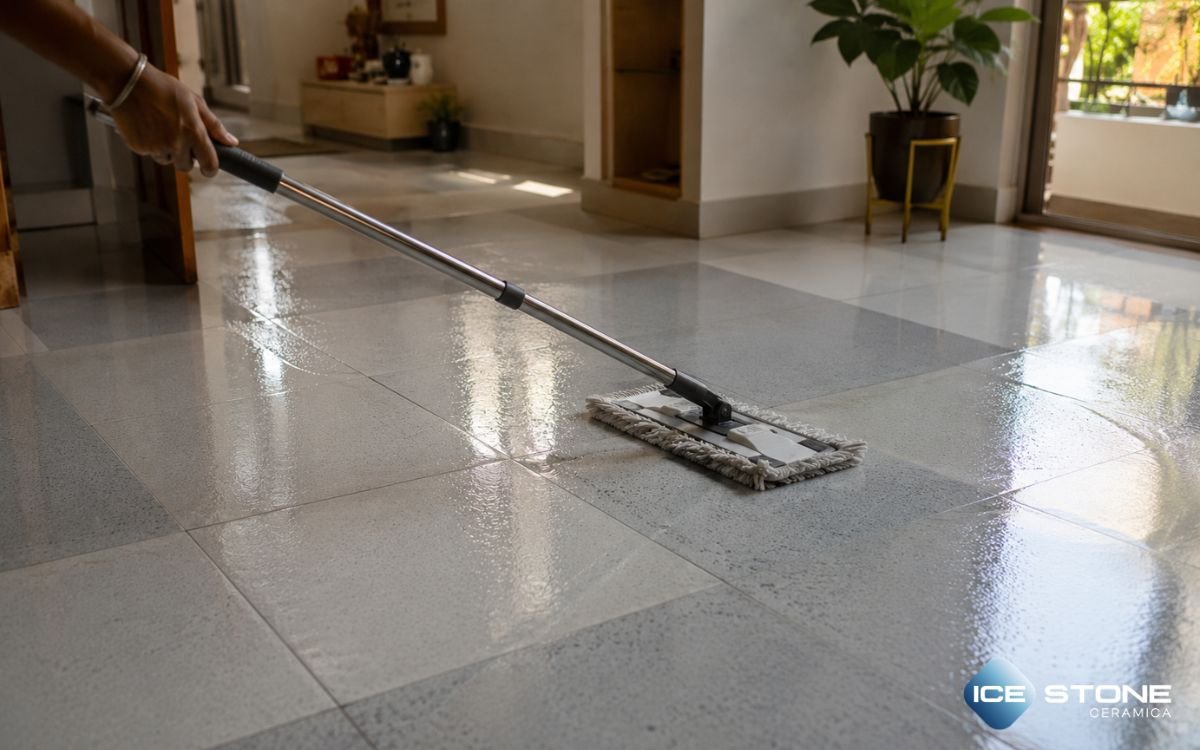
You don’t need a deep clean every day. You need 5 minutes and the right order of steps.
Sweep or vacuum first. Loose dirt acts like sandpaper under a wet mop, so get it off before you add water. Skip the vacuum’s beater bar attachment. It can scratch polished porcelain.
Mop with warm water. A microfiber mop head lifts dust better than string mops and won’t scratch the surface. For everyday cleaning, warm water alone often does the job.
Dry it. This is the step people skip, and it’s the one that matters most on glossy porcelain. Standing water leaves mineral deposits behind as it evaporates. A dry microfiber cloth or a squeegee on bathroom floors solves it in under a minute.
That’s the whole routine. Simple, but it’s the difference between tiles that stay bright and tiles that slowly dull.
How to clean porcelain tile floors: the weekly deep clean
Daily sweeping handles surface dust. Once a week, floors need more.
- Mix your solution. One gallon of warm water with a few drops of pH-neutral dish soap. Skip ammonia, bleach, and vinegar for this step. They’re fine for spot treatment but too harsh for regular use on grout.
- Mop in sections. Work one area at a time so the solution doesn’t dry on the tile before you rinse it.
- Rinse with clean water. Soap residue is a magnet for dirt. If you skip this step, your floor gets grimier faster, not slower.
- Dry completely. Air-drying is fine in a well-ventilated room. Anywhere humid, towel-dry it.
For textured or unglazed porcelain tile floors, add a soft-bristle brush to step 2. It gets into the texture where a mop can’t reach.
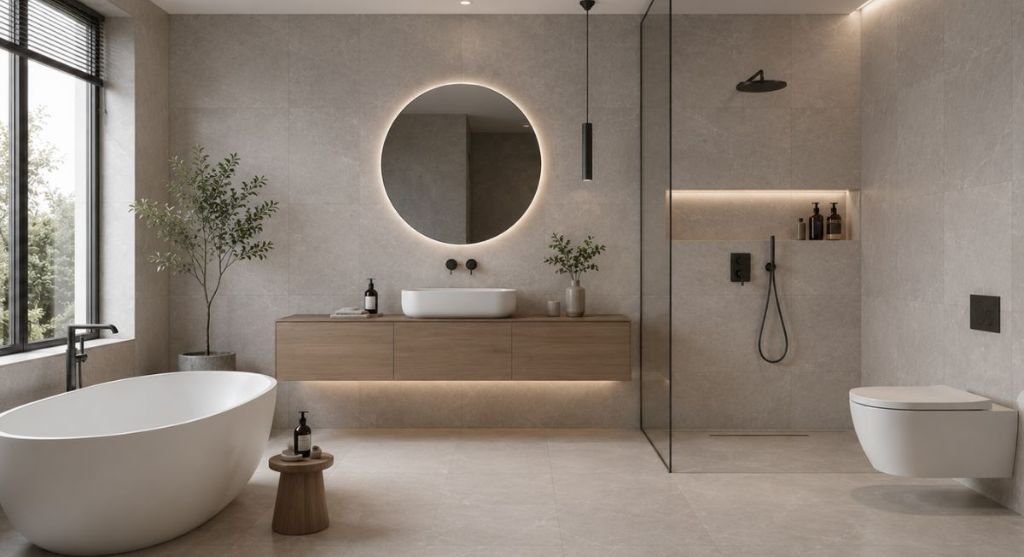
How to clean porcelain bathroom tiles
Bathrooms are a different problem: soap scum, humidity, and hard water working against you at the same time.
Ventilate while you clean, or the moisture just resettles on the tile as you go. For walls and shower tiles, a 1:1 white vinegar and water solution cuts through soap scum without leaving residue. Spray it on, wait 5 minutes, then wipe.
Grout in bathrooms takes the worst of it. A paste of baking soda and water, scrubbed in with an old toothbrush, handles mildew and soap film without bleaching the color out of colored grout.
Squeegee the shower tiles after every use if you can manage it. It sounds fussy, but it’s the single biggest reason some bathrooms never develop hard water film and others need scrubbing every month.
If you’re renovating rather than just cleaning, our guide to bathroom slab tiles covers finishes that resist soap scum from the start.
Porcelain tile stain removal, by stain type
Different stains need different chemistry. What lifts a coffee ring won’t touch rust, and what dissolves limescale can bleach a colored grout line if you leave it too long. Here’s what actually works, stain by stain.
Grease and oil stains. Common on kitchen floors near the stove. Mix baking soda with a little water into a paste. Apply, let it sit 15 minutes, then scrub gently with a soft brush and rinse.
Hard water stains and limescale. White vinegar and water, mixed 1:1. Apply to the stain, wait 10 minutes, wipe with a soft cloth. For stubborn buildup, let it sit longer rather than scrubbing harder.
Coffee, tea, and wine stains. Hydrogen peroxide works well here, or a diluted bleach solution on white or light-colored tiles only. Apply, wait a few minutes, rinse thoroughly.
Rust marks. These are the toughest. A paste of baking soda and lemon juice, left on for 20 to 30 minutes, lifts most rust stains on glazed porcelain. For deeper rust, a dedicated rust remover made for tile is worth the money before you reach for anything abrasive.
Grout stains. Baking soda and vinegar, mixed into a paste, scrubbed in with a toothbrush. Let the fizzing reaction do the work before you rinse.
One rule across all of these: test any solution on a small, hidden tile first. Porcelain finishes vary enough between manufacturers that what’s safe on one glaze can dull another.
Can you use bleach on porcelain tiles?
Occasionally, yes. Diluted bleach is fine for tough organic stains on white or light glazed tiles, used sparingly.
Regularly, no. Frequent bleach use wears down grout color and can dull the glaze over time. If you’re reaching for bleach every week, the problem probably isn’t the tile, it’s the sealing on the grout. Reseal it instead.
Common mistakes that dull porcelain tiles
Using acidic or abrasive cleaners as a default. Vinegar and lemon juice are useful for spot treatment, not for daily mopping. Frequent acid exposure etches grout and dulls polished finishes.
Leaving soap residue behind. This is the number one reason tiles look “clean” but feel grimy. Always rinse after using soap-based solutions.
Flooding the floor with water. Excess water works into grout lines and can lead to mold underneath, especially in older installations without a proper moisture barrier.
Skipping the dry step. Water spots on polished porcelain aren’t dirt. They’re mineral deposits from water that sat too long.
Steel wool and scouring pads. They’ll get the stain off. They’ll also leave fine scratches that trap dirt faster next time. Stick with soft-bristle brushes or an old toothbrush for stubborn spots.
Mixing cleaning products. Bleach and vinegar, or bleach and ammonia, don’t just cancel each other out. They react and produce fumes you don’t want in a closed bathroom. Rinse a product fully before switching to a different one.
Porcelain tile care and maintenance, long-term
A few habits protect the investment beyond weekly cleaning.
Doormats at every entrance cut down the grit that gets tracked in, and grit is what actually scratches tile over time, not water or soap. Wipe up spills the moment they happen instead of letting them sit through dinner. Use felt pads under furniture legs. And reseal grout every 12 to 18 months, since grout, not the porcelain itself, is usually where problems start.
If you want a fully natural routine, vinegar and water covers daily mopping, baking soda paste covers most stains, and a few drops of tea tree oil in your mop water adds some antibacterial help without the chemical smell.
When to call in a professional
Deep-set stains, grout that’s gone from grey to black, or a glaze that’s lost its shine despite regular cleaning: these are signs a home routine has hit its limit. Professional services use steam cleaning, industrial-grade solutions, and resealing that go beyond what a mop and bucket can fix.
It’s worth the call once a year or two for tiled areas that get heavy foot traffic, even if you’re diligent about weekly cleaning.
FAQs on porcelain tile cleaning
How often should I clean porcelain tiles?
Sweep or dust-mop daily in high-traffic areas. A full wet clean once a week keeps grout and grime from building up.
Is porcelain easy to clean?
Yes, compared to natural stone or unsealed materials. Glazed porcelain especially resists staining. Unglazed and textured finishes need a bit more regular attention.
How do I make porcelain tiles shine again?
A vinegar and water rinse removes the dull film that builds up from soap residue and hard water. For polished porcelain that’s lost its shine from scratching, a tile-safe polish restores it, though deep scratches need professional buffing.
What’s the best way to clean porcelain tile floors without streaks?
Use less cleaning solution than you think you need, and dry thoroughly with a clean microfiber cloth. Streaks almost always come from too much product or not enough drying, not from the tile itself.
Buy porcelain tiles from Icestone Ceramica
Cleaning routine sorted? If you’re planning a new space or replacing worn-out tiles, Icestone Ceramica has a wide range of porcelain tiles in glazed, matte, and polished finishes. Get in touch for guidance on picking the right tile for the room, and the finish, you actually want to live with.