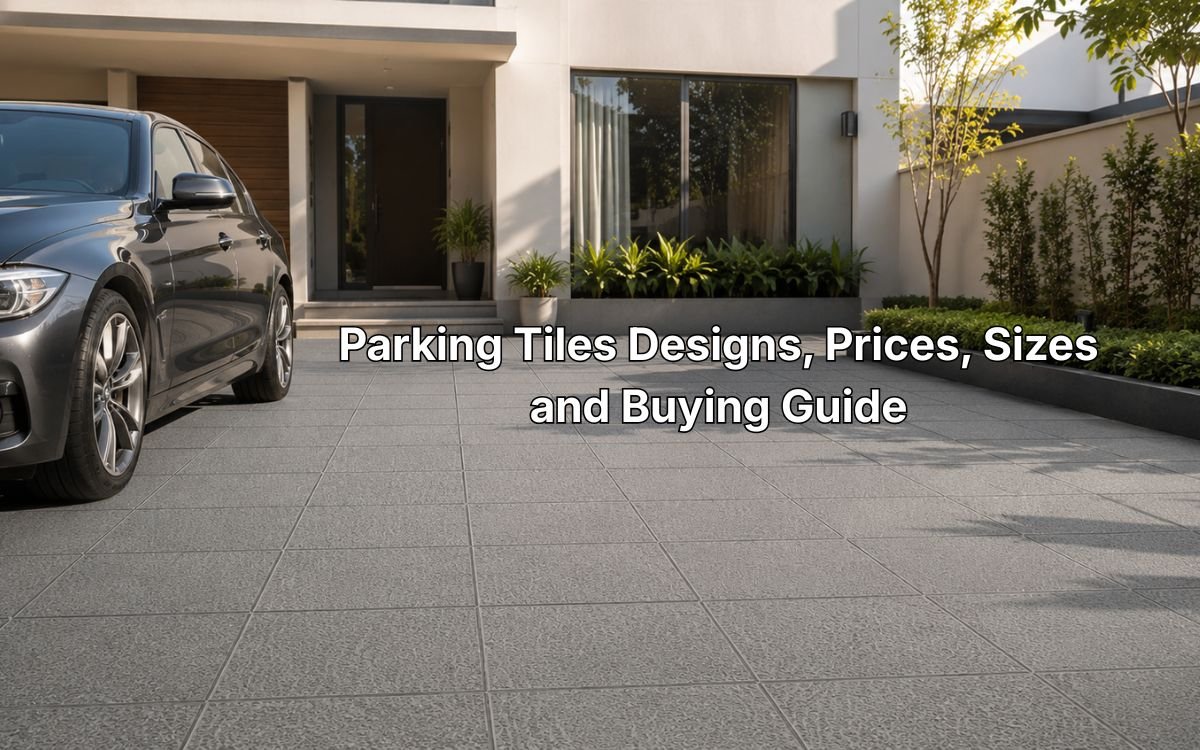

A parking floor takes more punishment than almost any other surface in your home or building. Tyres grind on it every day. Oil drips on it. Rain sits on it. And unlike a living room floor, nobody’s slowing down to admire it, they’re driving straight over it.
That’s exactly why parking tiles design ideas need a different starting point than bedroom or bathroom tile choices. Grip, load, and weather come first. The design has to fit inside those limits.
Here’s how to actually get that right.
Why parking floor design is a different problem
A parking area gets three things thrown at it constantly: weight, water, and grit. A tile that ignores any one of those cracks, stains, or turns into a skating rink the first monsoon.
Good parking tiles need to do four jobs at once:
- Take the load. Cars, bikes, and sometimes delivery trucks roll over this floor daily.
- Grip when wet. A slick tile under rain or a leaking radiator is how people fall.
- Handle water without staining. Puddles, oil drips, tyre marks, none of it should sink in.
- Still look like it belongs to the property. A driveway is the first thing anyone sees before they even reach your door.
Once those four boxes are ticked, design becomes a genuinely fun part of the project.
Popular parking tiles design ideas
1. Geometric and pattern layouts
Straight grids get boring fast on a large parking stretch. A herringbone or chevron layout in pattern tiles breaks that monotony and makes even a plain grey floor look deliberate.
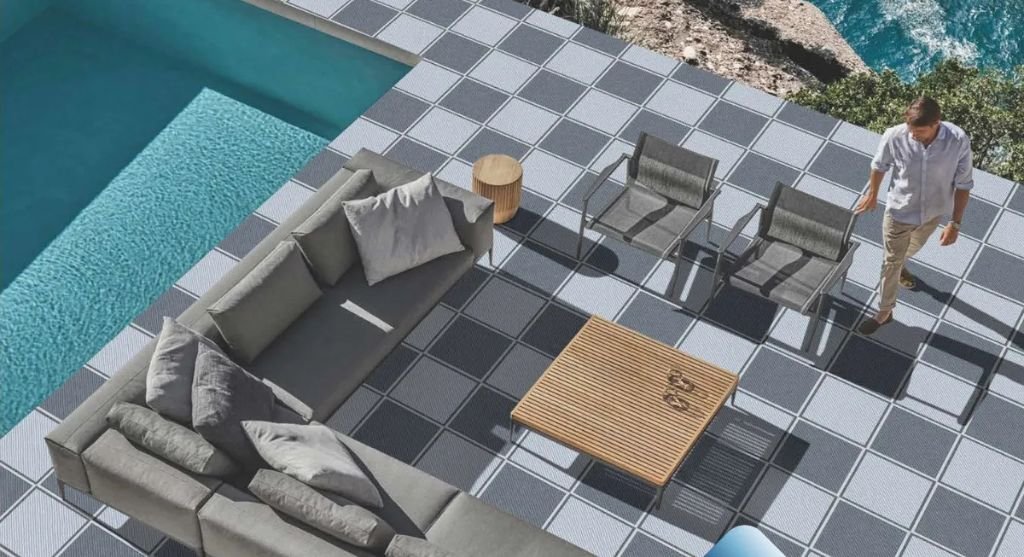
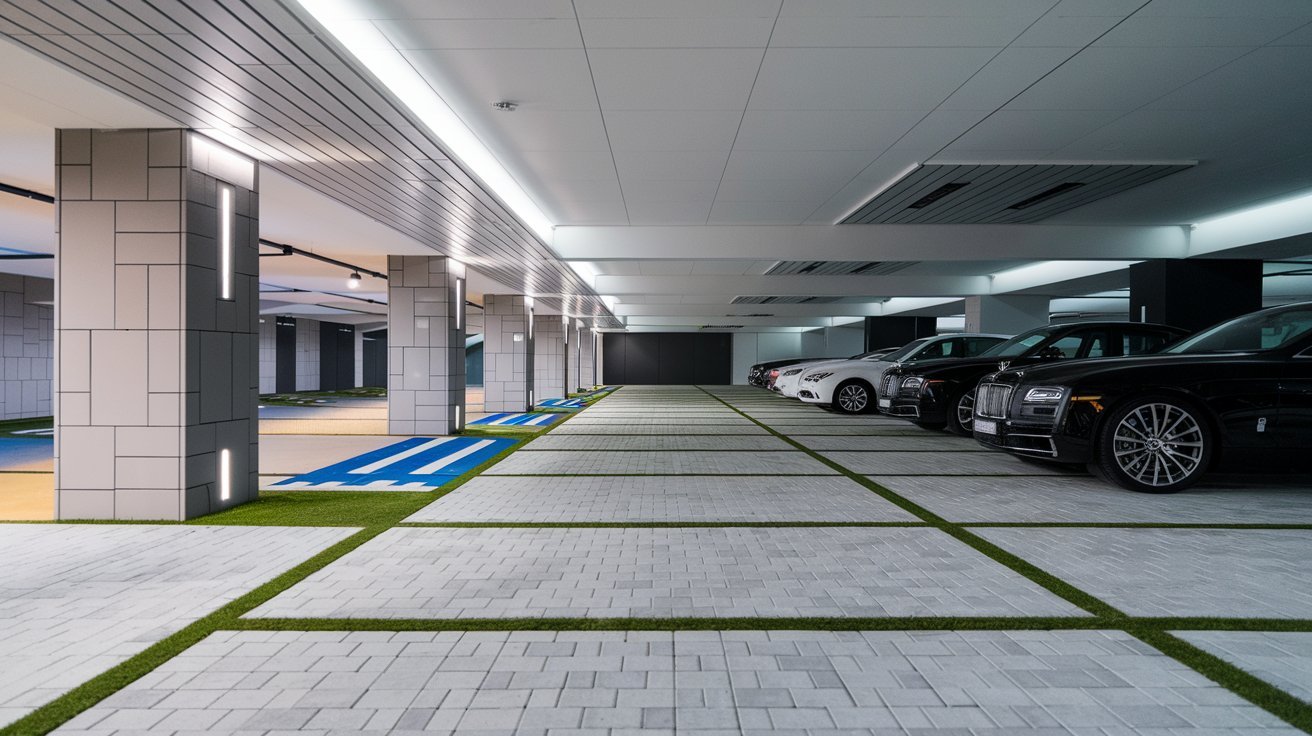
For bigger commercial lots, alternating two tones in a checkerboard or diagonal grid also does something practical: it helps mark out bays without painted lines fading every season.
2. Large-format slabs for fewer joints
Fewer grout lines mean fewer weak points where water can creep in and fewer spots for grime to collect. That’s why large-format tiles have become the go-to for premium driveways and basement parking.
1200×1800 mm tiles or 2×4 feet tiles give you that continuous, showroom look with almost no visible joints. They also cut down installation time, since fewer pieces cover the same area.
3. Stone and granite-look finishes for a premium driveway
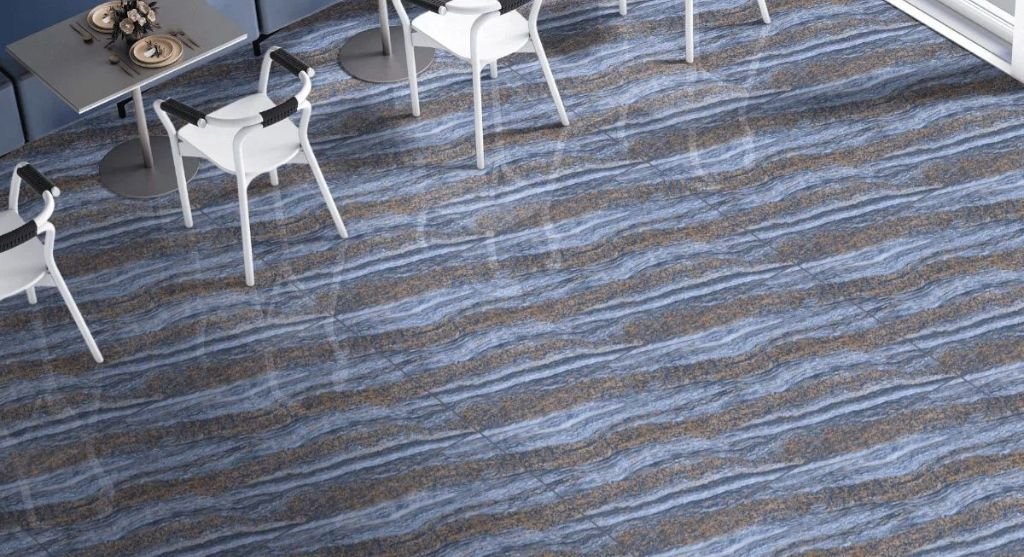
If you want the weight and richness of natural stone without the sealing headaches that come with real granite, stone tiles and granite tiles get you there. The texture reads as natural from a distance, and up close it holds up to tyre scuffs far better than actual stone does.
This works especially well for bungalow driveways and villa parking, where the entrance sets the tone for the whole property.
4. Textured and 3D tiles built for grip
This is where design and safety overlap the most. A texture tiles or 3D tiles surface has a real job to do. The raised pattern physically breaks water film and gives tyres and shoes something to bite into.
Pair this with a rustic tiles finish for outdoor and open parking areas that see direct rain. It’s one of the most requested combinations for anti-skid parking tiles right now, and for good reason.
5. Monochrome zones and contrast marking
Black, grey, and beige tones in grey tiles, black tiles, or beige tiles give a parking floor a clean, almost architectural feel. And they hide tyre marks and everyday grime far better than white or pastel tones ever will.
A lot of commercial buildings now use a darker shade for the actual parking lane and a lighter contrast tile for walkways or pedestrian strips. It’s cheap to do and it actually improves visibility, especially at night under basement lighting.
Which material actually holds up in a parking space
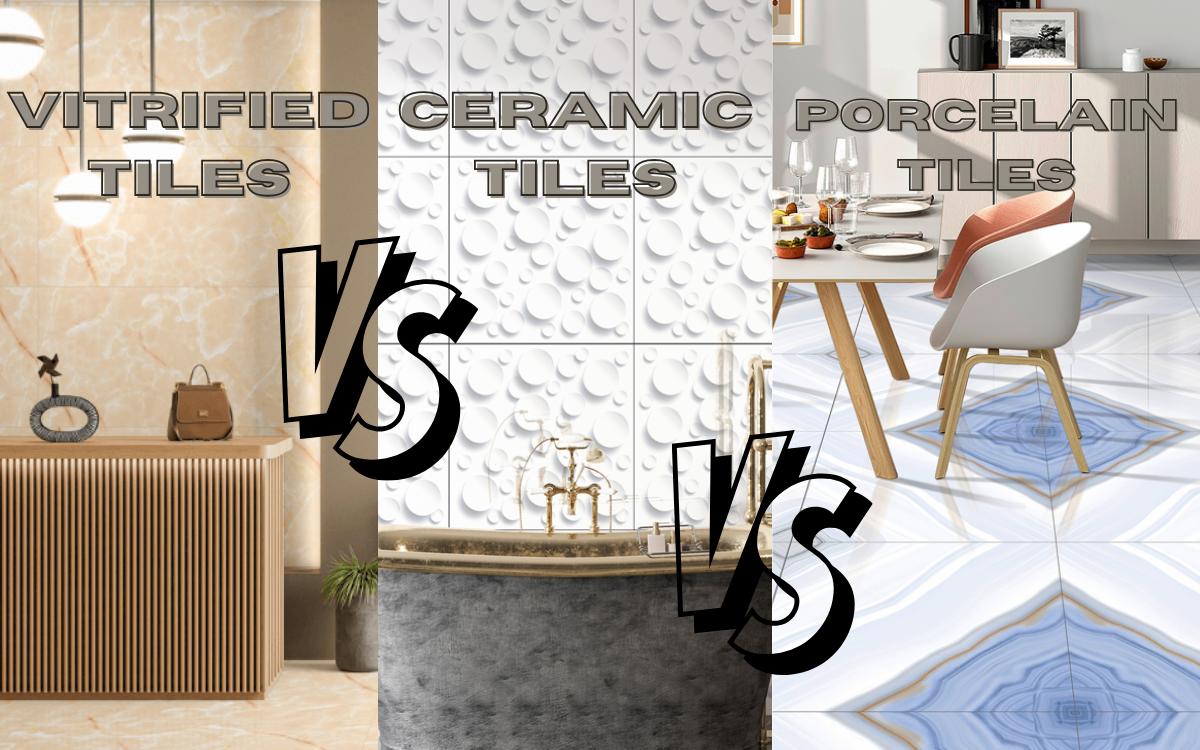
Every one of these parking tiles design ideas only holds up if the material underneath survives daily use. Here’s how the three main options compare for a car parking or driveway setting.
Vitrified tiles
Vitrified tiles are the strongest all-round pick for heavy-duty parking tiles. They’re dense, low-porosity, and barely absorb water, which means oil and rain don’t sink in and stain the surface.
Porcelain tiles
Porcelain tiles sit close behind vitrified on strength and add better resistance to scratches from tyre grit and stones. Good choice for high-traffic commercial and multi-level parking.
Ceramic tiles
Ceramic tiles work fine for covered, low-traffic residential parking, but they’re softer and more porous. Skip them for open driveways that take direct rain.
Picking the right parking tile size
2×2 feet tiles are the most common choice for residential driveways, easy to install and easy to replace individually if one cracks. 300×600 mm tiles work well for narrower lanes and side parking. For open commercial lots, larger formats like 1200×1800 mm reduce joints and speed up installation across big areas.
Finish matters more than the photo makes it look
A glossy showroom photo can be misleading. A matt tiles or rustic finish gives real slip resistance in wet weather. High-gloss finishes look sharp indoors, but they turn dangerous the moment rain hits them outdoors. For any open or semi-open parking area, go matt or textured.
Keeping a parking floor looking good after installation
Good parking tiles design ideas fall apart fast if nobody maintains the floor afterward. A few habits go a long way:
- Sweep before you wash. Loose grit under tyres acts like sandpaper and dulls the finish over time.
- Wipe oil and fuel drips quickly. Even low-absorption tiles like vitrified hold up better when stains don’t sit for days.
- Re-check grout every year or two. Cracked or missing grout is how water actually gets under the tile, not through the tile itself.
- Avoid harsh acid cleaners on textured or 3D finishes. They can wear down the grip pattern faster than plain water and a stiff brush would.
None of this is complicated. It’s the same 10 minutes a month that keeps a driveway from looking five years older than it is.
A quick buying checklist before you order
- Confirm the tile’s water absorption rating (lower is better for outdoor parking).
- Check anti-skid or slip-resistance rating, especially for uncovered areas.
- Match the size to your parking layout, not just the design catalog photo.
- Ask for real installed-site photos, not just showroom renders.
- Get exact parking tile price per square foot before finalising quantity, wastage adds up fast on large driveways.
FAQs about parking tiles design
Which tile is best for outdoor parking areas?
Vitrified tiles are generally the strongest pick for open, uncovered parking because they resist water absorption and heavy loads better than ceramic.
Are textured tiles necessary for parking, or just decorative?
They’re functional first. The texture improves grip in wet conditions, the design benefit is a bonus on top of that.
What size tile works best for a home driveway?
2×2 feet tiles are the most practical for residential driveways, easy to source, install, and replace if damaged.
Do darker tiles fade faster in direct sun?
Quality vitrified and porcelain tiles hold their color well under sun exposure. Fading is more of a concern with lower-grade ceramic.
How much does a parking tile design typically cost?
It depends on material, size, and finish, but vitrified and porcelain generally cost more upfront than basic ceramic and save money over time through lower breakage and easier maintenance. Get a per-square-foot quote for your exact shortlist before comparing.
If you’re finalising a driveway or a commercial lot, browse the full parking tiles range to compare sizes, finishes, and prices side by side.