

Applications
Room
Finish
Material Type
Size
Design
Color
Beige Tiles
Explore premium beige tiles for floors and walls in modern designs, sizes, and finishes. Shop durable beige tiles online at the best prices.
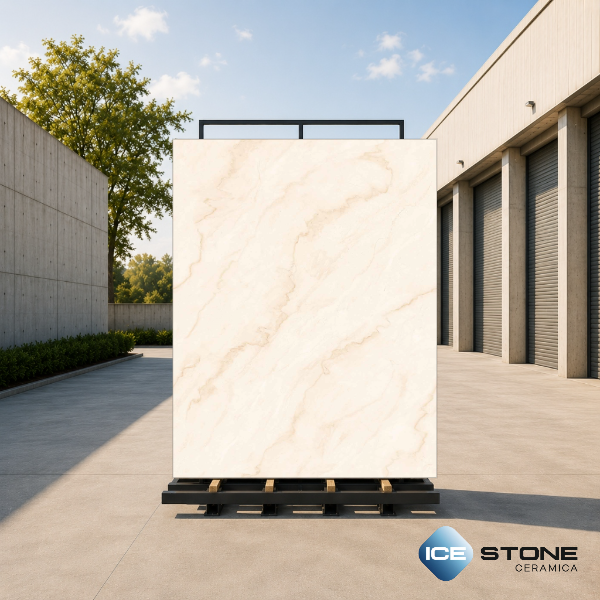
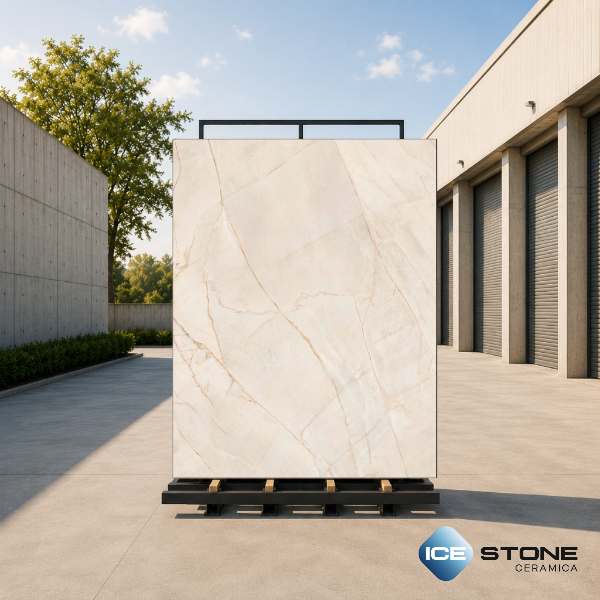
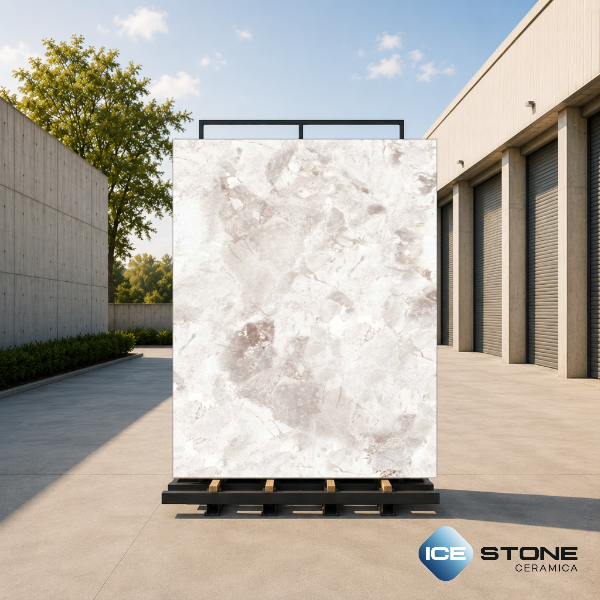
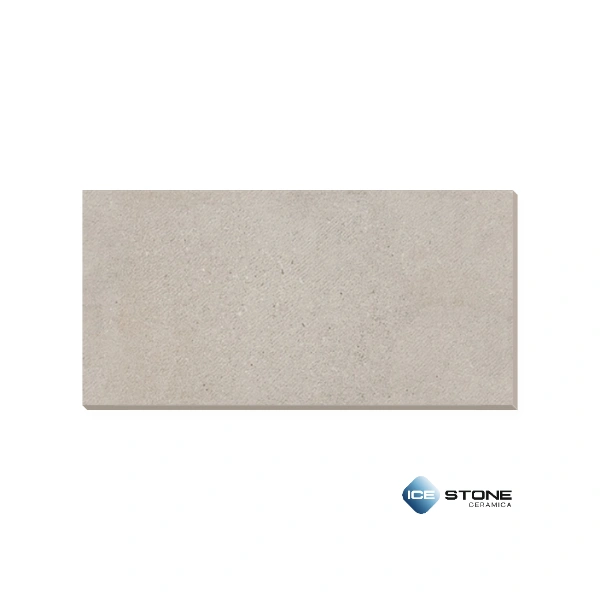
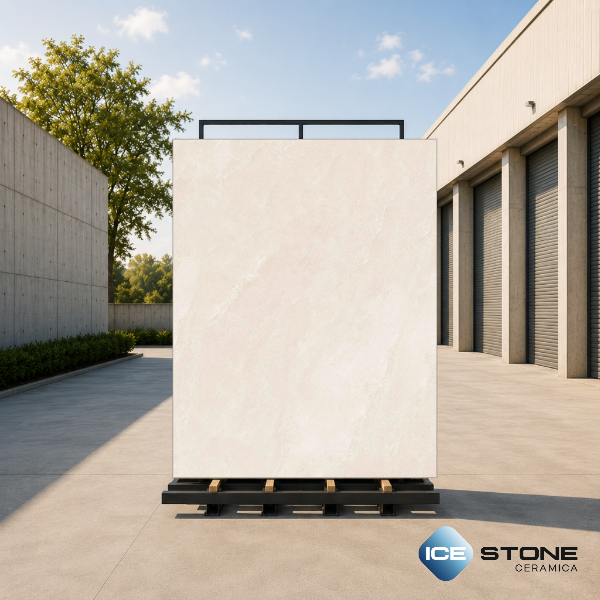
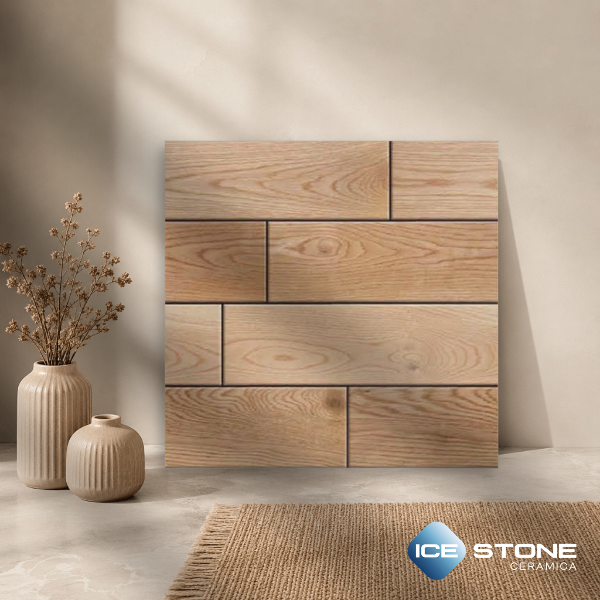
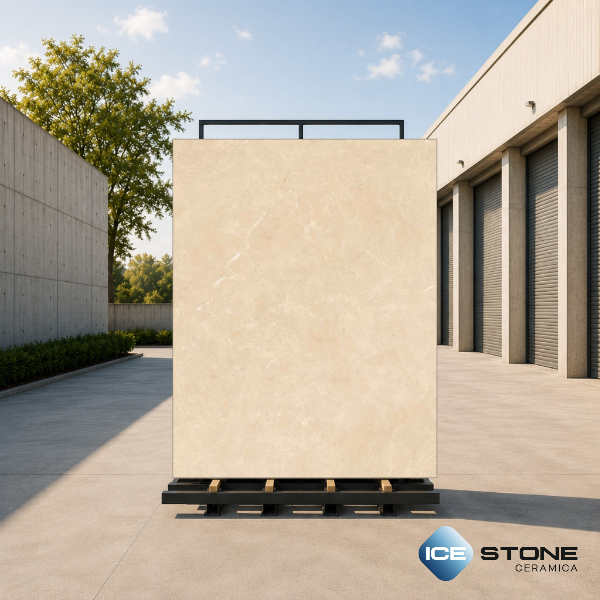
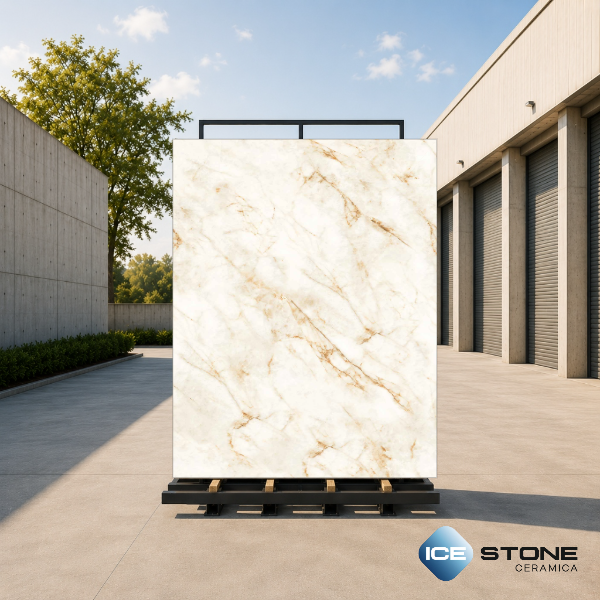

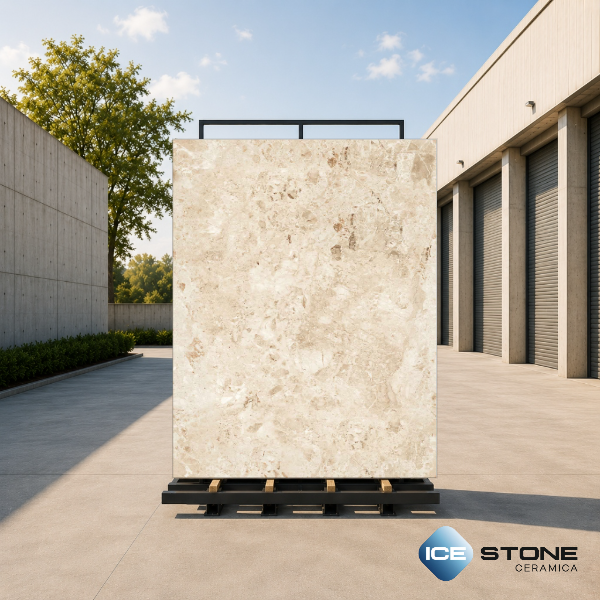
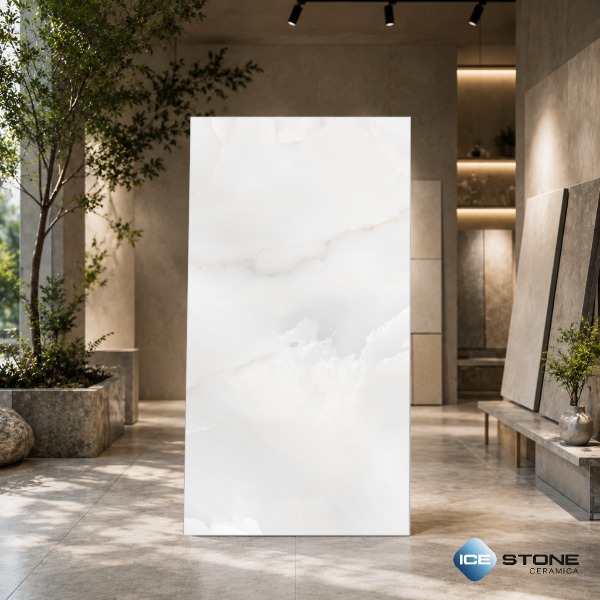
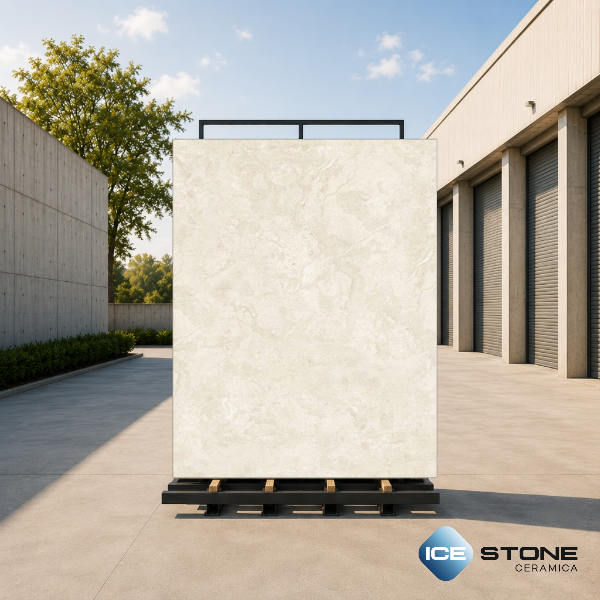
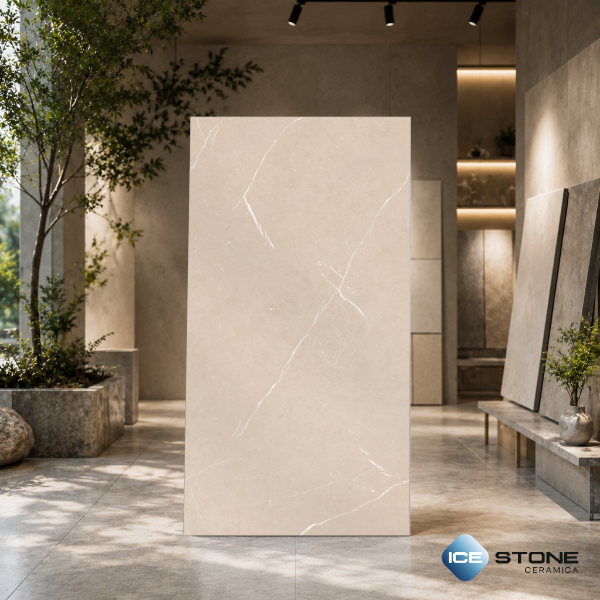
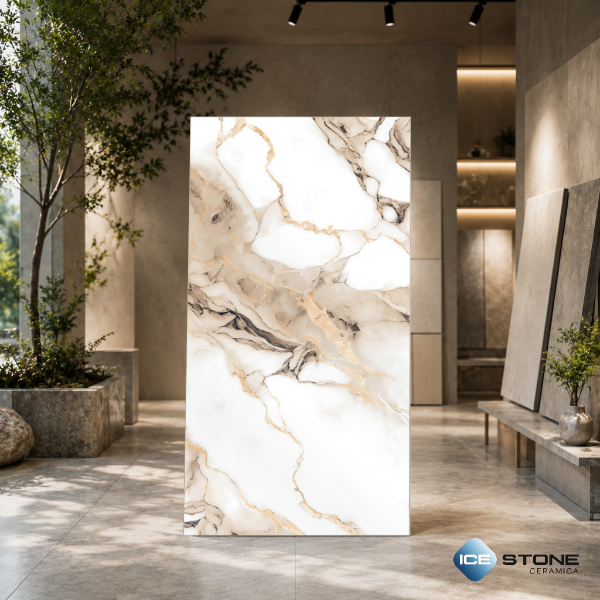
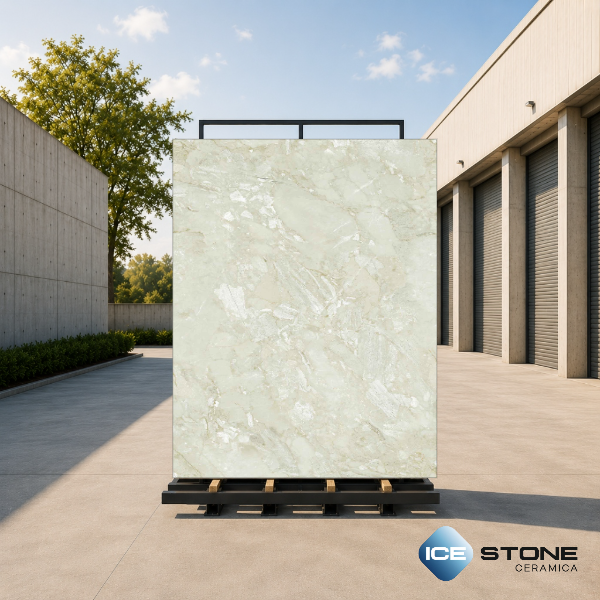
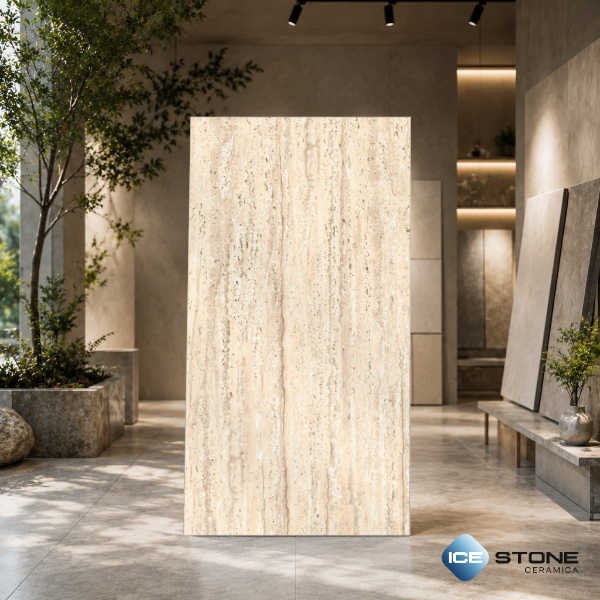
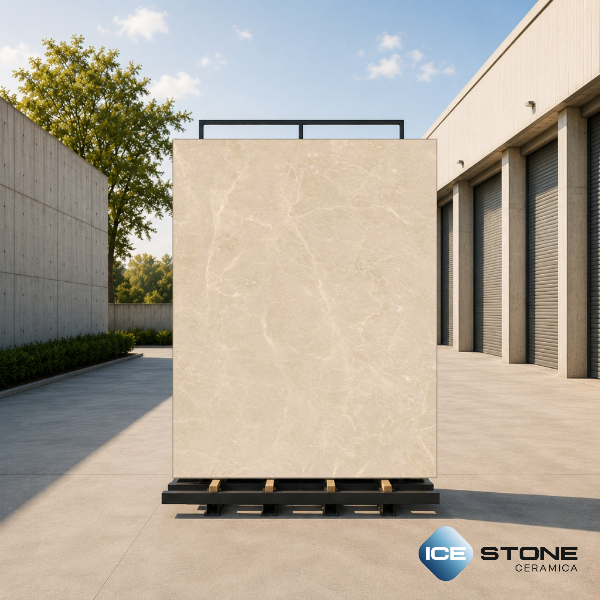
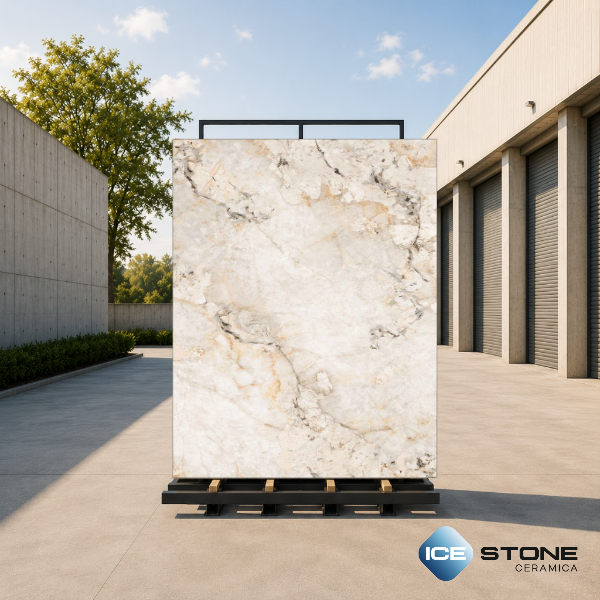
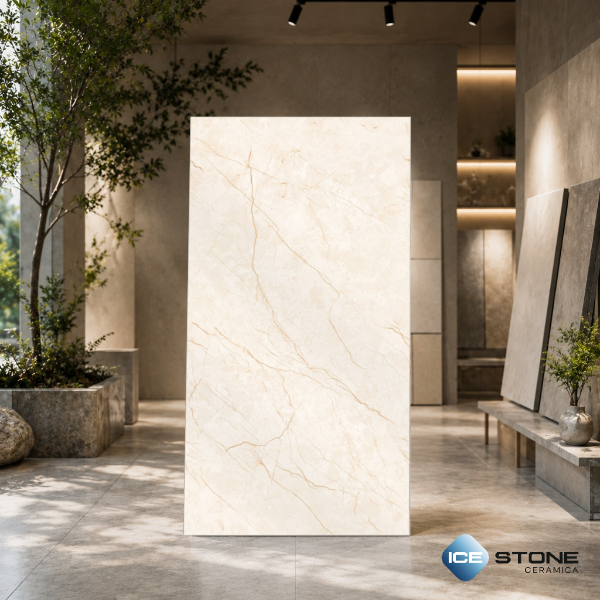
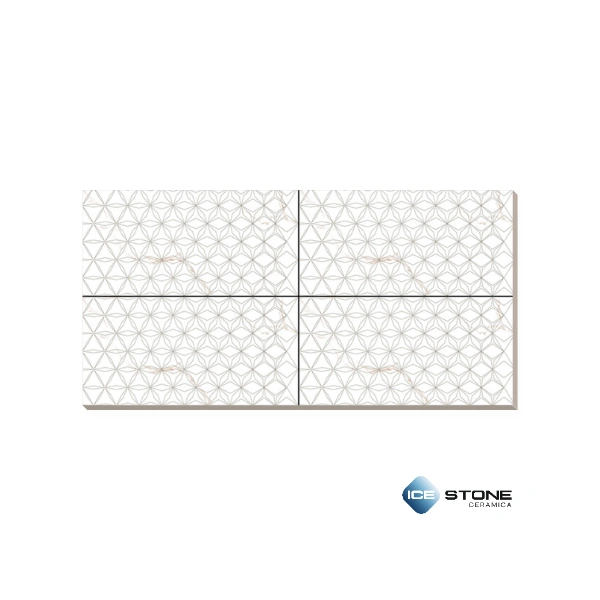
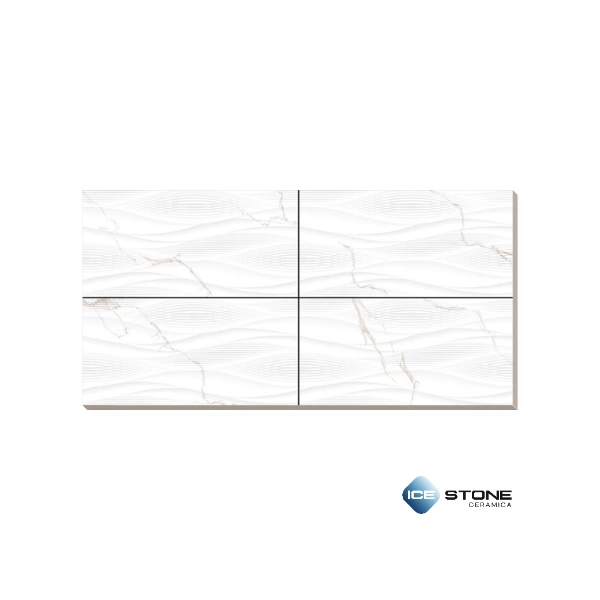
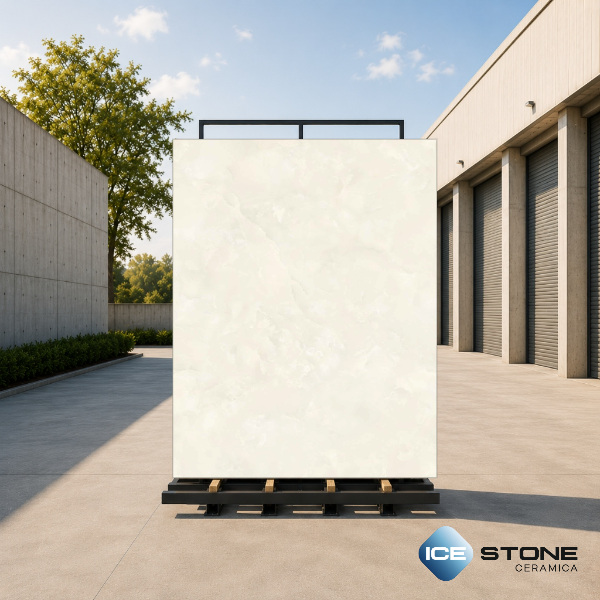
Beige is the tile colour people come back to after trying something bolder. We see this pattern constantly with repeat clients — someone tiles their first home in a striking black or blue shade, and a few years later they’re asking for beige because it simply causes fewer problems: it doesn’t clash when they change their sofa, it doesn’t look tired after five years, and it doesn’t show every footprint the way darker or starker colours do.
That’s not a sales pitch — it’s a pattern we’ve watched play out across enough projects to trust it. Below you’ll find the sizes, finishes, and design combinations currently available in beige, along with the actual checkpoints our design team walks through with builders and homeowners before they place an order — including a few mistakes we see people make when choosing beige without seeing it in person first.
Why Beige Continues to Be the Safest, Smartest Choice
It behaves differently depending on which way your room faces — and that actually matters in Indian homes. North-facing rooms get flatter, cooler daylight through most of the day; a beige with a slightly warmer, more golden undertone corrects for that and keeps the room from feeling dull. South and west-facing rooms already get strong, warm afternoon light, so a cooler, sandier beige tends to look better there than a deep golden one — the warm light does enough of the work already. Almost no tile brand mentions this, but it’s one of the first questions our design team actually asks before recommending a specific beige shade.
It hides everyday wear — but not equally across finishes, which is where people get caught out. A Matt beige tile genuinely conceals dust and faint footprints well. A Glossy or High Gloss beige tile, despite being the same colour, shows dust and smudges more readily because the reflective surface catches light differently. If low-maintenance is your actual priority, the finish matters more than the colour itself — a distinction most category pages blur together under a blanket “beige is easy to maintain” claim.
It pairs with almost any furniture or décor palette without locking you in. Wooden furniture, brass fittings, pastel soft furnishings, bold contemporary art — beige acts as a neutral canvas rather than competing for attention. This is why interior designers we work with often default to beige when a client hasn’t finalised their furniture yet — it’s the one colour choice that won’t force a redo later.
It has genuine resale logic behind it, not just aesthetic appeal. Builders working on resale flats consistently choose beige over bolder colours like yellow or green for one practical reason: a buyer viewing the flat can project their own furniture and style onto a neutral floor far more easily than onto a strongly coloured one.
Where Beige Tiles Work Best
Living rooms. This is where beige performs best overall. Larger formats like 2×4 ft or 1200×1800mm in a Matt or Luster finish create a seamless, spacious look, especially in apartments where floor area is limited. Marble-look beige designs are particularly popular in this room. See our full Living Room Tiles range for more.
Bedrooms. Softer, warmer beige shades with a Matt finish work well underfoot and don’t reflect harsh light first thing in the morning. Wooden-pattern beige tiles are a growing trend here, offering the warmth of wood flooring with far lower maintenance. Browse Bedroom Tiles for the full selection.
Bathrooms. Beige conceals water spots and soap residue better than white, while still keeping the space feeling bright. This is also where we see the most common buying mistake: someone picks a beautiful Glossy beige tile from a showroom sample under bright display lighting, then finds it slippery within weeks once the surface picks up soap film. For bathroom floors, always check the tile’s anti-skid properties rather than judging by finish name alone. Explore Bathroom Tiles in beige and other neutral tones.
Kitchens. Beige backsplashes and wall tiles handle daily splashes and oil stains more forgivingly than stark white. For kitchen flooring, Matt or Luster finishes balance easy cleaning with slip resistance. See Kitchen Tiles.
Parking areas. Beige is one of our best-performing colours for parking — the 16×16 inch Matt vitrified format is a genuine bestseller in this segment because it hides tyre marks, oil residue, and dust far better than lighter or darker alternatives, while still holding up to constant vehicle load. Check out our dedicated Parking Tiles collection.
Elevations and outdoor walls. Rustic and Carving finish beige tiles are widely used on building facades because they hold up well against dust, pollution discolouration, and monsoon staining, while still giving a premium, warm exterior finish. See Elevation Tiles and Outdoor Tiles.
Balconies and terraces. Textured or Rustic beige finishes handle weather exposure well without becoming slippery underfoot when wet. Browse Balcony Tiles and Terrace Tiles.
Pooja rooms and dining spaces. Lighter, warmer beige shades are a popular choice for pooja rooms because of the calm, sacred atmosphere the tone helps create, and for dining areas because of how easily beige hides everyday food and liquid spills. See Pooja Room Tiles and Dining Room Tiles.
Commercial spaces — restaurants, bars, and offices. Large-format beige vitrified tiles read as premium without being cold, and the forgiving nature of the colour reduces the visible impact of heavy foot traffic between cleaning cycles. See Commercial Tiles, Restaurant Tiles, and Bar Tiles.
Available Sizes
| Size | Best Suited For |
|---|---|
| 16×16 inch | Parking areas, utility spaces |
| 300×600mm | Bathrooms, kitchens, walls |
| 2×2 ft | Bedrooms, mid-sized rooms |
| 2×4 ft | Living rooms, dining areas |
| 1200×1800mm | Premium residences, commercial lobbies, minimal-grout-line looks |
As a general rule, larger formats suit larger rooms because they reduce grout lines and create a more seamless floor. But there’s a practical ceiling worth knowing: the 1200×1800mm size needs a genuinely flat, well-prepared subfloor to sit correctly — on an uneven or older subfloor, large tiles are more likely to show lippage (uneven edges) than smaller ones like 2×2 ft, which flex more forgivingly into minor surface irregularities. If you’re renovating an older structure rather than building fresh, ask your contractor to check subfloor flatness before committing to the largest format.
Available Finishes
Matt finish is the most versatile beige option. It offers strong slip resistance, hides scratches and dust well, and suits almost every room including bathrooms, kitchens, and parking areas. See the full Matt Tiles collection.
Glossy finish brings out a richer, more reflective depth in beige, making rooms feel brighter and more spacious. Best reserved for living rooms and bedrooms where slip resistance isn’t a primary concern. Browse Glossy Tiles.
High Gloss finish takes that reflectivity even further, giving beige a polished, almost mirror-like depth — ideal for statement living areas rather than wet zones. See High Gloss Tiles.
Carving finish adds a raised or engraved texture, often used to mimic natural stone. This works particularly well for feature walls and elevations where tactile depth matters more than a flat, seamless look. Explore Carving Tiles.
Luster finish sits between Matt and Glossy — a soft sheen without full reflectivity, and a popular middle-ground choice for buyers who want some richness without the slip risk of full gloss. See Luster Tiles.
Rustic finish has a more textured, natural-stone character and is commonly chosen for outdoor spaces, balconies, and elevations going for an earthy, organic design language. Browse Rustic Tiles.
Popular Beige Designs
Beige tiles at Icestone come in a range of design languages, not just plain colour fields:
- Marble Tiles in beige — the most requested design for living rooms and commercial lobbies, giving a premium stone look without the cost or maintenance of real marble
- Wooden Tiles in warm beige tones — popular for bedrooms wanting a wood-flooring look with tile durability
- Stone Tiles and Texture Tiles in beige — commonly used for elevations and outdoor walls
- Mosaic Tiles in beige — used for accent walls and backsplashes
- Moroccan Tiles in beige tones — for feature walls that want pattern without overwhelming colour
- Plain Tiles in beige — the simplest, most versatile option for large open floor areas
If you’re deciding between beige and its closest neutral relatives — cream and ivory — here’s a quick comparison.
| Colour | Undertone | Best For | Maintenance |
|---|---|---|---|
| Beige | Warm, slightly earthy | Living rooms, bathrooms, parking, exteriors | Very forgiving, hides dust and stains well |
| Cream | Softer, closer to white | Bedrooms, minimal interiors | Slightly more visible staining than beige |
| Ivory | Cool-warm, closer to off-white | Formal spaces, elegant interiors | Shows marks more than beige |
If you want maximum dust and stain forgiveness, beige is the stronger choice over both cream and ivory. If you’re after a brighter, airier look and are comfortable with slightly more upkeep, cream or ivory may suit better.
How to Choose the Right Beige Tile: A Selection Framework
Work through these checkpoints in order rather than browsing by design alone:
1. Identify the room and its exposure to water, weather, or vehicle load. Wet areas (bathrooms, kitchens) need slip-resistant Matt finishes. Parking and outdoor areas need Rustic or Matt vitrified tiles built for load and weather. Dry, low-traffic interiors (bedrooms, formal living rooms) have more flexibility to go Glossy or High Gloss.
2. Choose the material based on durability needs. Vitrified tiles offer the highest durability and lowest water absorption, making them ideal for floors, parking, and high-traffic zones. Ceramic tiles are more budget-friendly and work well for walls and low-traffic applications. Porcelain tiles sit between the two, often chosen for refined finish and strength.
3. Match the size to the room dimensions. Larger formats like 2×4 ft or 1200×1800mm suit bigger, open rooms; 16×16 inch and 300×600mm work better for compact spaces, bathrooms, and parking.
4. Decide on the finish based on both looks and safety. Don’t choose a Glossy or High Gloss tile for a bathroom or parking floor purely because it looks good online — slip resistance should override aesthetic preference in wet or vehicle-load areas.
5. Set a realistic budget and compare like-for-like. Always compare tiles within the same material, size, and finish category — comparing a plain Ceramic tile’s price to a large-format Marble-design Vitrified tile will give a misleading sense of value. Use the Tiles Calculator or Area Calculator to work out your total requirement and get an accurate cost picture before ordering.
Common Buying Mistakes We See (And How to Avoid Them)
Judging shade from a phone screen or a small sample chip. Beige shifts more than almost any other tile colour depending on screen calibration and sample size — a shade that looks warm and rich on a small sample can read as noticeably paler once it covers an entire floor under your home’s actual lighting. Always view at least a full tile, in the room it’s going into, at the time of day you’ll use that room most.
Choosing Glossy or High Gloss purely for the showroom look, then living with a slippery bathroom or parking floor. This is the single most common regret we hear about after installation, not before.
Not confirming batch numbers before large orders. Beige pigments are more sensitive to production variation than most colours, so two boxes from different runs can carry a visible warm/cool shift even under the same product name. Confirm batch numbers match across every box before installation begins, especially for large-format sizes like 1200×1800mm where the difference is most visible.
Assuming all “beige” tiles from different design ranges will match. Beige varies enough between Marble, Wooden, and Plain design lines that two tiles both described as “beige” can clash rather than complement each other. If you’re mixing a beige floor tile with a beige-toned wall or accent tile from a different range, request physical samples of both together before finalising.
Who Should Choose Beige Tiles
Beige is a strong fit if you want a warm, adaptable base that won’t restrict future décor changes, you’re designing a space that needs to feel calm and spacious rather than bold, you’re tiling a bathroom, kitchen, or parking area and want a colour that’s genuinely more forgiving to maintain, or you’re working on a resale property and want broad buyer appeal rather than a personal style statement.
Who Might Want to Look Elsewhere
Beige may not be the right call if you’re going for a distinctly modern, minimal aesthetic that specifically calls for stark white or black tones, you want a bold, statement-making floor (in which case, consider our Terracotta or Blue ranges), or you’re tiling a space with very low natural light where a lighter shade like white or ivory would help brighten the room more effectively.
Maintenance Guide
Beige tiles are genuinely low-maintenance, but a little care keeps them looking their best for years.
Daily upkeep is straightforward — regular sweeping and a damp mop with a pH-neutral cleaner is sufficient for most beige Vitrified and Ceramic tiles. Avoid harsh acidic cleaners on beige Marble or Stone-design tiles, as they can dull the surface finish over time.
Grout colour matters more than people expect. Choosing a grout shade close to the tile colour, rather than stark white grout, significantly reduces how visible dirt lines become over time.
Matt and Rustic finishes need slightly more attention in crevices compared to Glossy tiles, since texture can trap fine dust. A soft-bristle brush during weekly cleaning handles this easily.
For parking, outdoor, and elevation beige tiles, an annual check for grout wear helps maintain both appearance and durability through monsoon seasons.
Installation Tips
- Order 8-10% extra tiles, and check the batch number on every box before installation begins. This is the most common avoidable regret we hear about after a beige installation.
- Use spacers for consistent grout lines, particularly with larger formats like 2×4 ft or 1200×1800mm, where uneven gaps are far more visible than on smaller tiles like 2×2 ft.
- Let the adhesive cure fully before grouting, especially in humid coastal regions, to avoid trapped moisture issues later.
- For bathroom and parking floors, confirm drainage slope before final tile-laying — this is a common oversight that leads to water pooling later.
- Check subfloor flatness before choosing the largest formats (1200×1800mm) — an uneven base is far more visible on large tiles than on smaller ones.
Expert Recommendation
For most residential floors, a Matt or Luster finish beige Vitrified tile in the 2×4 ft range offers the best balance of looks, durability, and value for the vast majority of Indian homes. For parking areas, the 16×16 inch Matt Vitrified format is our most reliable recommendation.
Two situations where we’d steer clients away from the default choice: if you’re tiling a north-facing room with limited window area, go warmer-toned rather than the sandiest beige shades. And if you’re a contractor ordering at volume for multiple identical units, confirm batch continuity with your dealer upfront rather than reordering mid-project.