

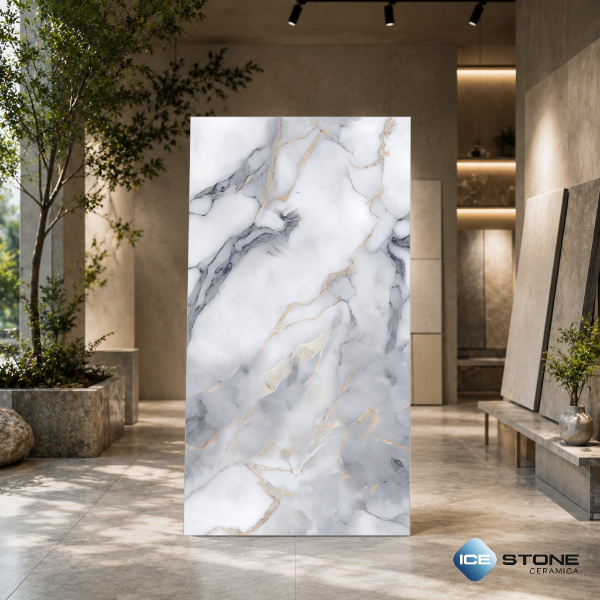
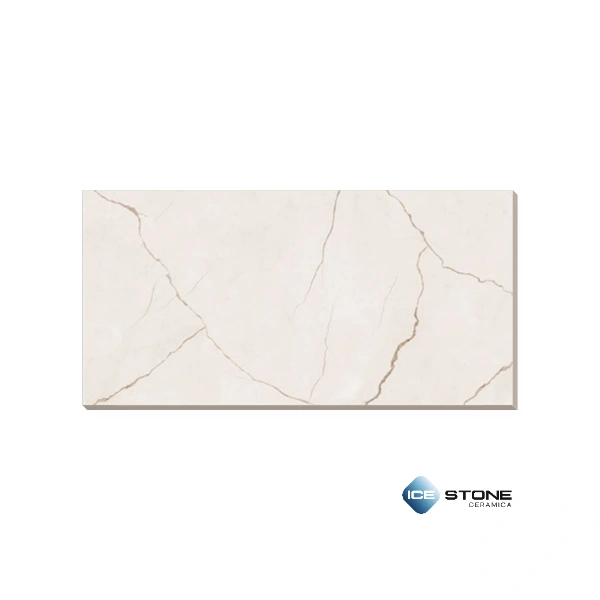
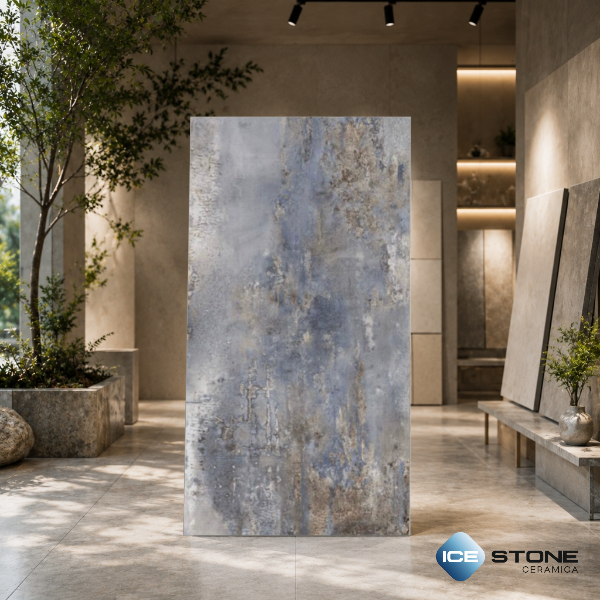
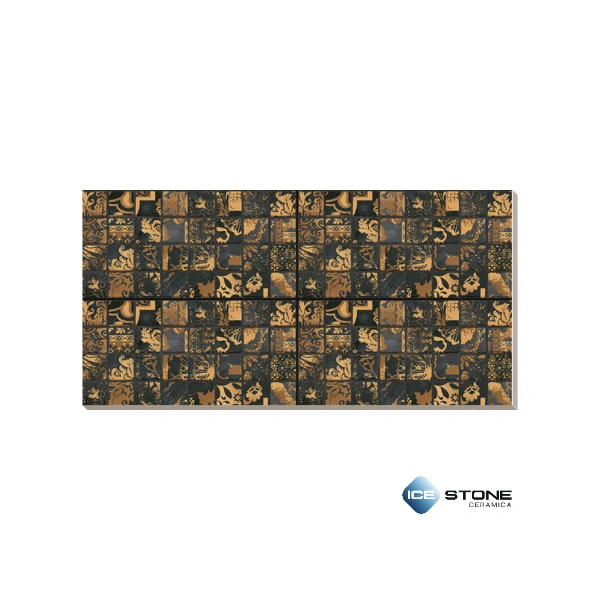
What Are Outdoor Wall Tiles
Outdoor wall tiles are tiles engineered specifically for exterior surfaces — boundary walls, balconies, facades, and garden walls — that stay exposed to sun, rain, and temperature swings all year round. Unlike indoor wall tiles, they’re made with low water absorption, higher frost and slip resistance, and finishes that don’t fade or flake when left outdoors.
Using an indoor-rated tile outside is one of the most common mistakes homeowners make. Indoor tiles are glazed for a controlled environment — they crack, discolor, or lose grip within a couple of monsoons once installed outside. Outdoor wall tiles solve exactly this: they’re rated for continuous weather exposure, so the surface holds its color and strength for years without special upkeep.
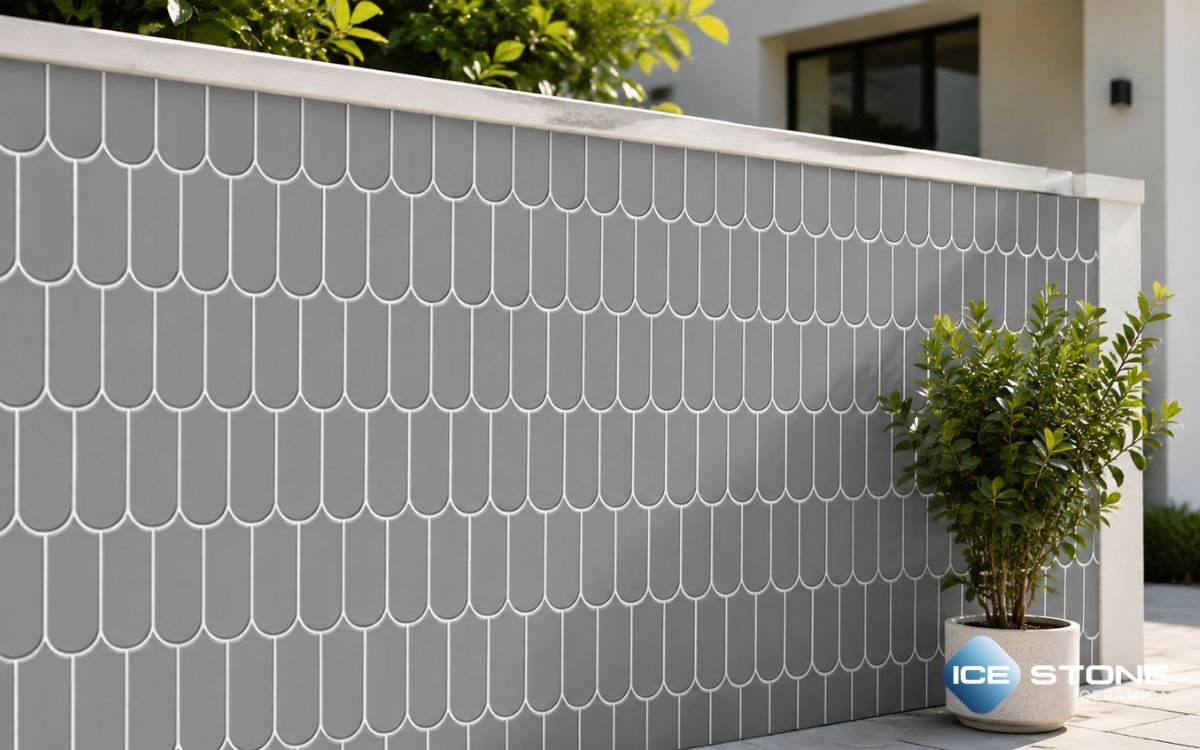
Outdoor Wall Tiles Design Ideas
Design is usually the first thing people search for before they think about price or size — and outdoor walls today go well beyond plain paint-finish tiles. The same design language often carries indoors too — many homeowners pick a matching look across their wall tiles for continuity between outdoor and indoor spaces. Here are the design directions homeowners and architects are picking most often:
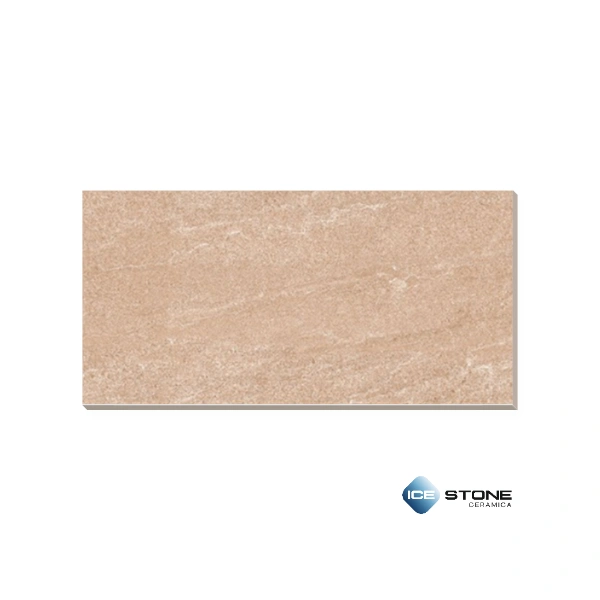
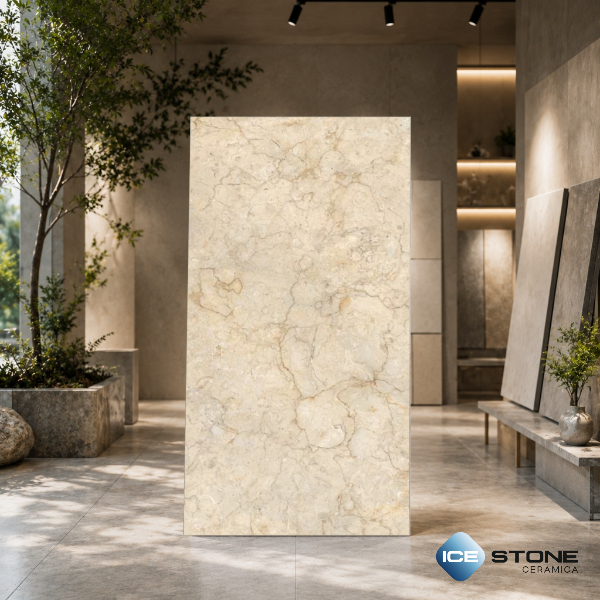
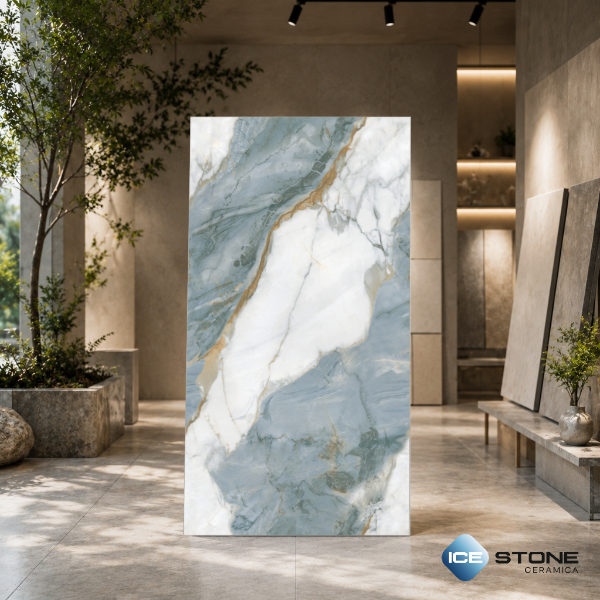
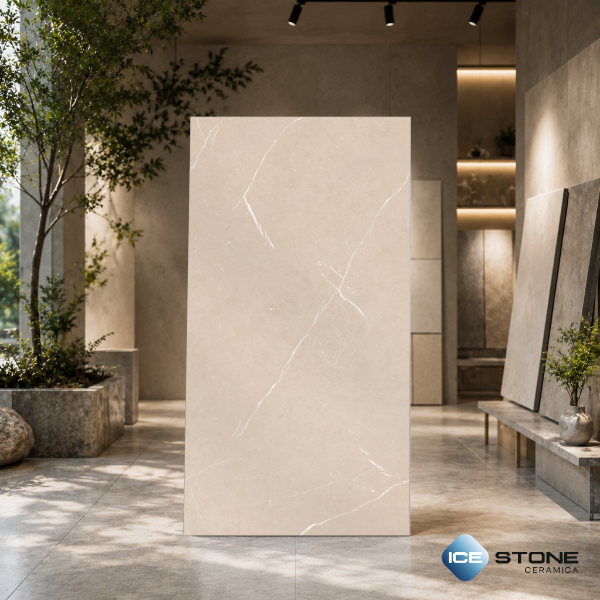
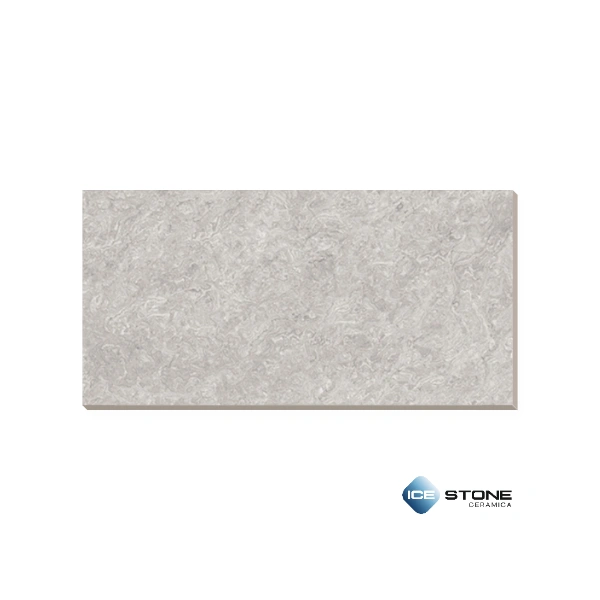
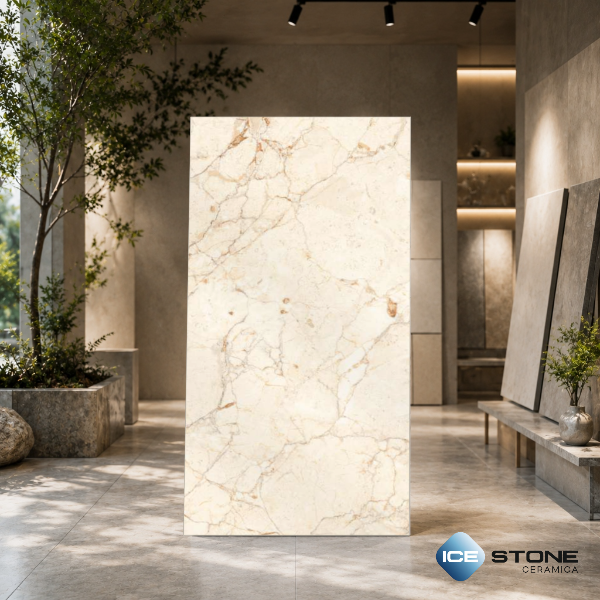
Stone-Look Tiles
Replicate the texture of natural slate, sandstone, or granite without the sealing and staining upkeep real stone demands. Popular for elevation walls and entrance facades.
Wooden-Look Tiles
Give a warm, timber-plank appearance for garden walls or balcony cladding, while staying completely unaffected by moisture, termites, or peeling — the exact problems real wood struggles with outdoors.
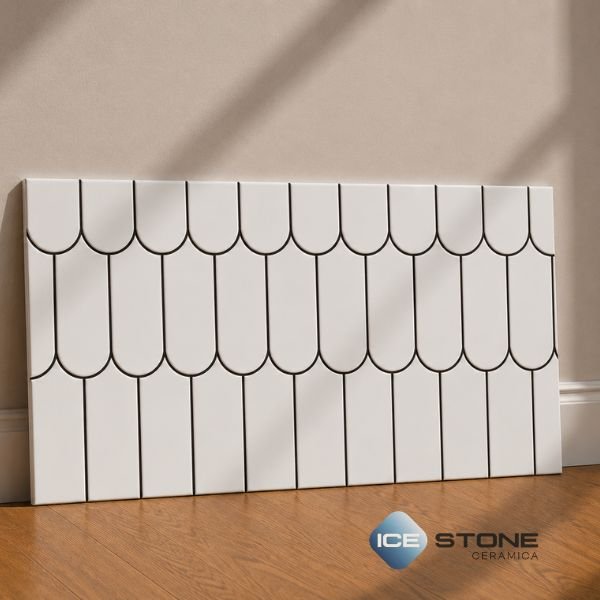
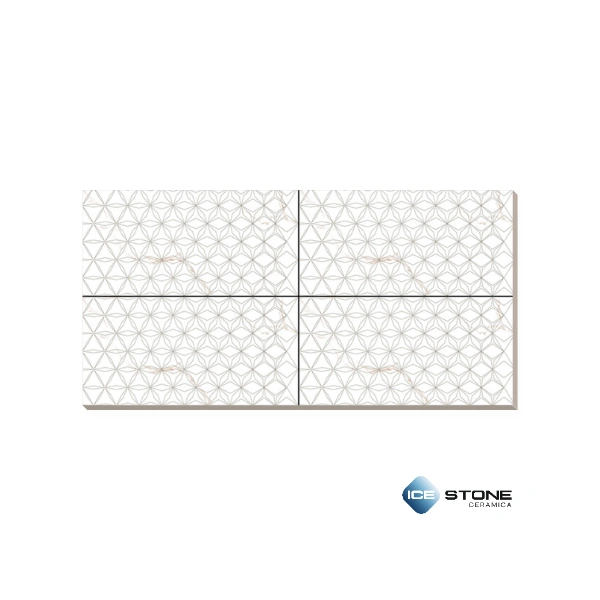
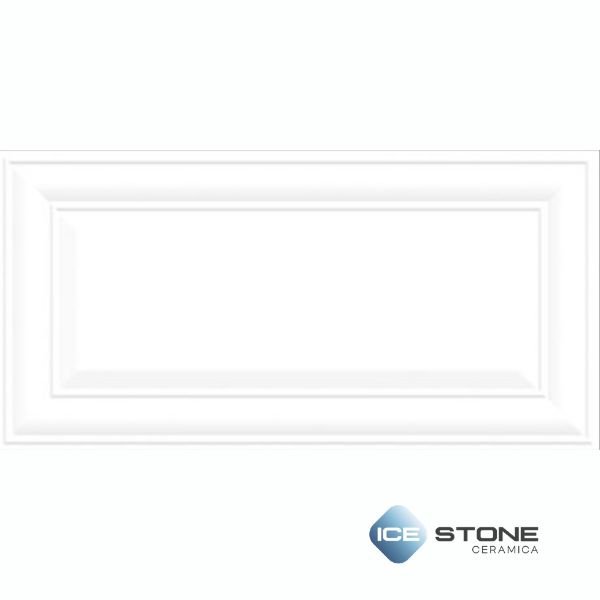
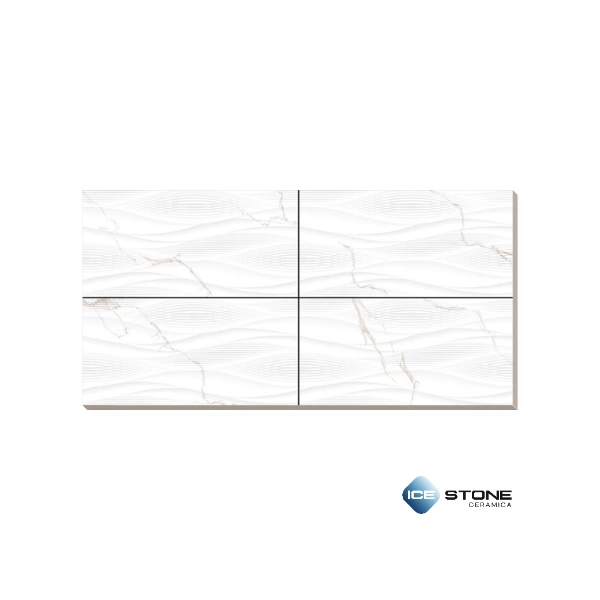
3D Textured Tiles
Raised, sculptural surface patterns that create depth and shadow play under natural light. Frequently used as a feature wall on one section of a boundary or porch wall rather than the entire surface.
Brick-Effect Tiles
A textured, rustic brick pattern that suits farmhouse-style and industrial exterior themes, without the maintenance a real exposed-brick wall needs.
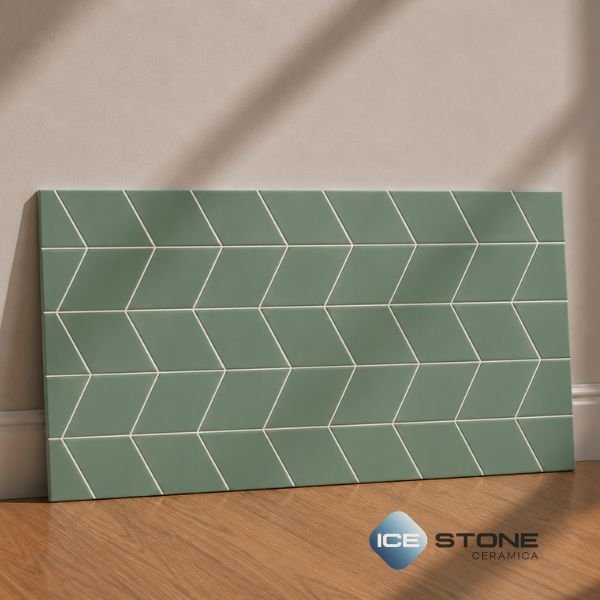
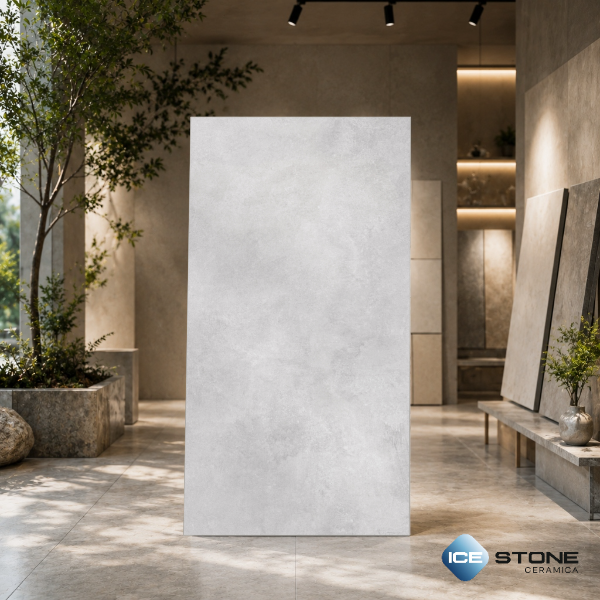
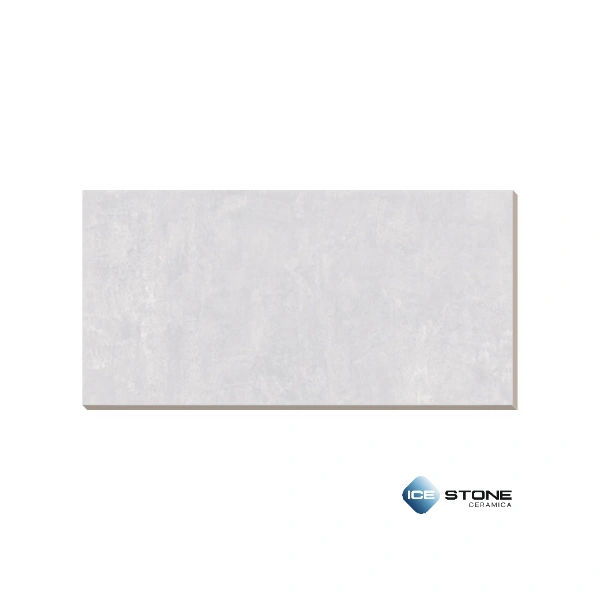
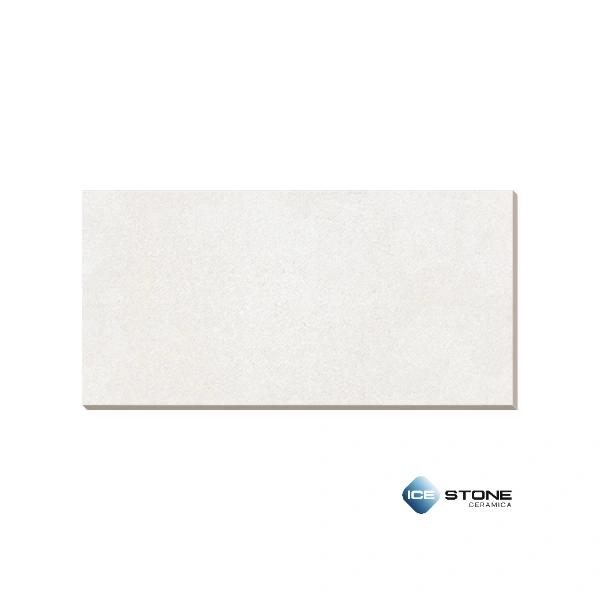
Plain & Minimal Tiles
Clean, single-tone matt tiles for homeowners who want the weather protection of a tile without a busy pattern — often paired with a textured feature wall elsewhere on the same property.
Types of Outdoor Wall Tiles by Material
| Material | Water Absorption | Best For | Notes |
|---|---|---|---|
| Ceramic | Moderate | Covered outdoor walls (porches, sheltered balconies) | Cost-effective; needs a sheltered spot to last |
| Vitrified | Low | Open boundary walls, facades, driveway-adjacent walls | Dense body resists cracking in direct sun/rain cycles |
| Porcelain | Very Low | Elevation walls, high-exposure exterior cladding | Highest durability for constant weather exposure |
| Natural Stone-Look Vitrified | Low | Entrance walls, feature facades | Stone appearance without sealing/staining maintenance |
For any wall that gets direct rain and sun with no roof cover, vitrified or porcelain is the safer long-term choice over ceramic.
Best Outdoor Wall Tiles by Use-Case
Balcony Walls
Look for a matt or textured finish with good slip resistance if the balcony floor and wall meet at a low ledge; smaller format tiles (300×600mm) are easier to install around railings and drain outlets. If your balcony opens directly into your living space, it’s worth checking our living room wall tiles range to keep the transition visually consistent.
Garden & Boundary Walls
Stone-look or brick-effect tiles suit garden compound walls well since they blend with landscaping; go for a finish that resists algae build-up in humid, shaded garden corners.
Cladding & Elevation Walls
This is where 3D textured and large-format tiles are used most, since elevation walls are viewed from a distance and benefit from shadow-and-depth patterns.
Driveway-Adjacent / Facade Walls
These walls take the most direct weather exposure and occasional splashing from vehicle wash-downs, so low water absorption (vitrified/porcelain) matters more here than anywhere else on the list.
Outdoor Wall Tiles Sizes Available
| Size | Coverage per Box (approx.) | Typical Use |
|---|---|---|
| 300×600 mm | 8–9 sq.ft | Balconies, smaller feature walls |
| 600×600 mm | 11–12 sq.ft | Boundary walls, general cladding |
| 2×4 ft | 16 sq.ft | Larger elevation and facade walls |
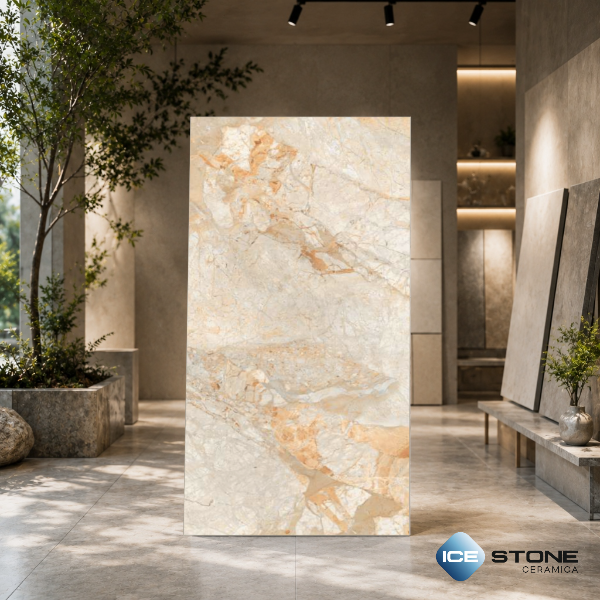
| 1200×1800 mm (slab) | Project-specific | Statement facades, large uninterrupted walls |
Larger sizes reduce the number of grout lines, which gives a cleaner look on facades viewed from the street or garden — but they also need a flatter wall surface for installation.
Finish Options
Matt Finish
The most common choice for outdoor walls. Matt surfaces don’t reflect glare in direct sunlight and tend to hide minor surface dust and water spotting better than glossy finishes.
Textured Finish
Adds grip and a tactile surface, useful for walls near walkways where hands or shoulders might brush against the tile.
Glossy Finish
Rarely recommended for open outdoor walls since it shows water spotting and can look patchy after rain unless it’s on a covered/sheltered wall.
The right finish depends less on appearance and more on how exposed the wall is — a covered porch wall has more finish flexibility than an open boundary wall.
Outdoor Wall Tiles Price
Outdoor wall tile pricing depends on material, size, and design complexity. As a general guide:
| Category | Approx. Price Range (per sq.ft) |
|---|---|
| Ceramic, plain/matt | Budget-friendly entry range |
| Vitrified, stone/wood-look | Mid-range |
| Porcelain, 3D/textured, large-format slabs | Premium range |
Exact pricing varies by design and batch availability, and freight is calculated separately based on delivery location. For a live quote on a specific design and quantity, reach out with your wall’s approximate area and we’ll share exact per-box and per-sq.ft pricing along with delivery details.
How to Choose the Right Outdoor Wall Tile
- Check sun/rain exposure — Fully open walls need vitrified or porcelain; covered walls have more flexibility, including ceramic.
- Match finish to foot traffic — Textured or matt for walls near walkways; glossy only for sheltered, low-touch walls.
- Consider viewing distance — 3D and large-format tiles read better on facades viewed from the street; smaller, detailed patterns suit up-close balcony walls.
- Factor in maintenance appetite — Stone-look and wood-look tiles need zero sealing/staining, unlike their real-material counterparts — a major reason homeowners switch.
- Set a realistic budget band — Decide ceramic vs vitrified vs porcelain first; design and size choices become much easier once the material tier is fixed.
Installation & Maintenance Tips
- Use a weatherproof, flexible tile adhesive rated for exterior use — regular indoor adhesive can fail with temperature expansion and contraction outdoors.
- Grout joints should use an epoxy or weatherproof grout to prevent water seepage behind the tile over monsoons.
- For garden-facing or shaded walls, a periodic wash-down helps prevent algae or moss buildup, especially on textured surfaces where moisture sits longer.
- Avoid acidic cleaning agents on stone-look and 3D textured tiles — a mild detergent and water is usually sufficient.
Outdoor Wall Tiles vs Regular Wall Tiles
The core difference isn’t appearance — it’s engineering. Regular (indoor) wall tiles are designed for a stable, covered environment and typically have higher water absorption, since they’re never expected to face rain or temperature swings. This is why an indoor-rated tile — even one built for consistently damp indoor areas like our kitchen wall tiles or bathroom wall tiles — still isn’t a substitute for an outdoor-rated one. Outdoor wall tiles are manufactured with denser bodies and lower porosity specifically so they don’t absorb moisture, crack under freeze-thaw-like heat/rain cycles, or fade under direct UV exposure. Using an indoor tile outdoors — even one that “looks” similar — usually shows visible wear within one to two monsoon seasons.
Buying Checklist
- Confirm the wall is fully exposed or partially covered — this decides ceramic vs vitrified/porcelain
- Measure total wall area and add 5–10% extra for cutting wastage
- Request a free sample before finalizing a design and finish
- Confirm delivery timeline and freight charges for your location
- Check box coverage (sq.ft per box) against your total area before ordering