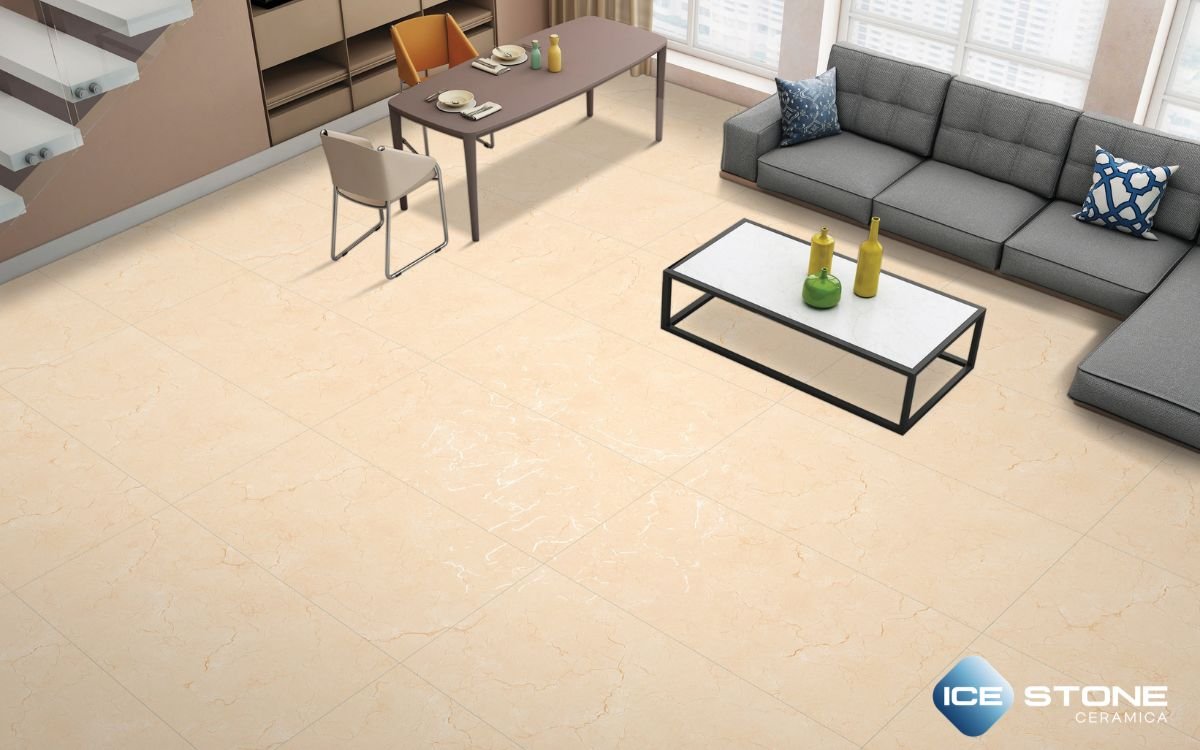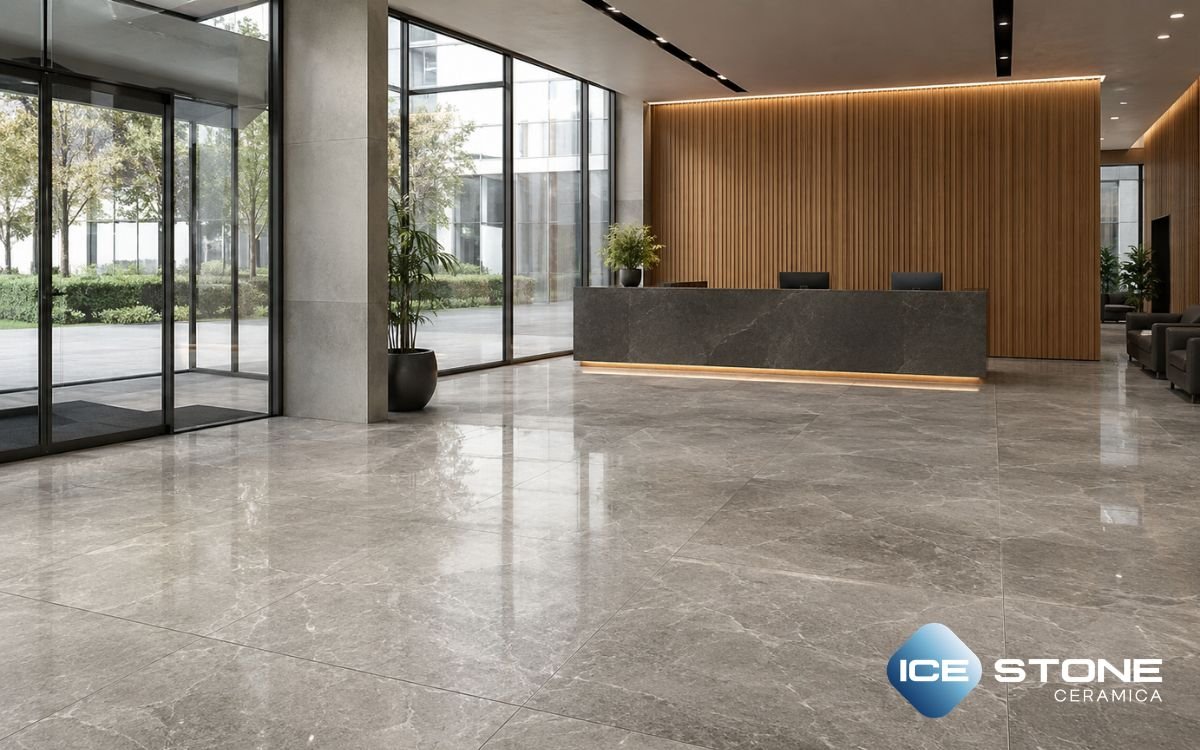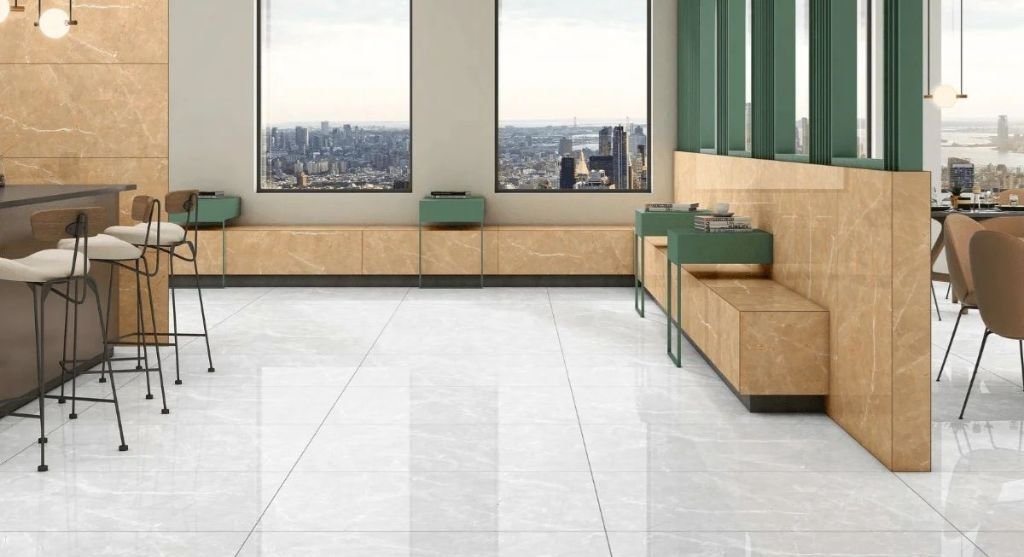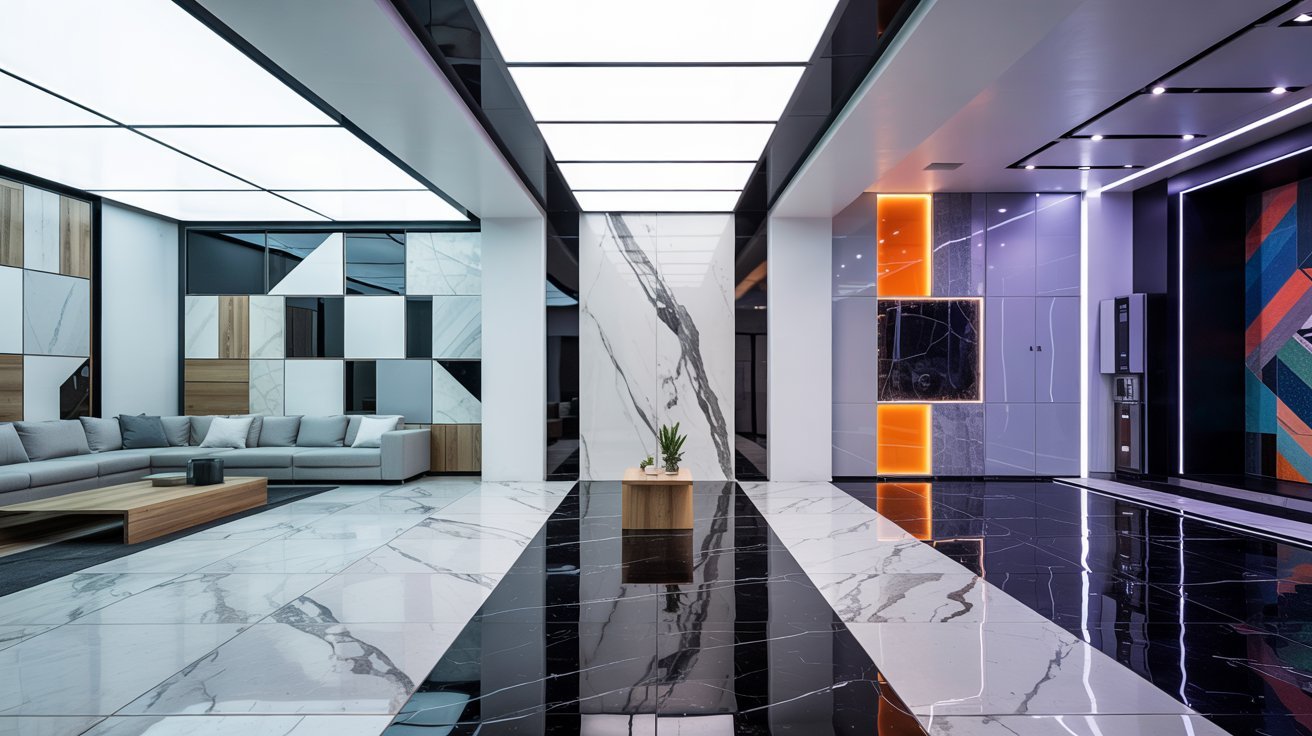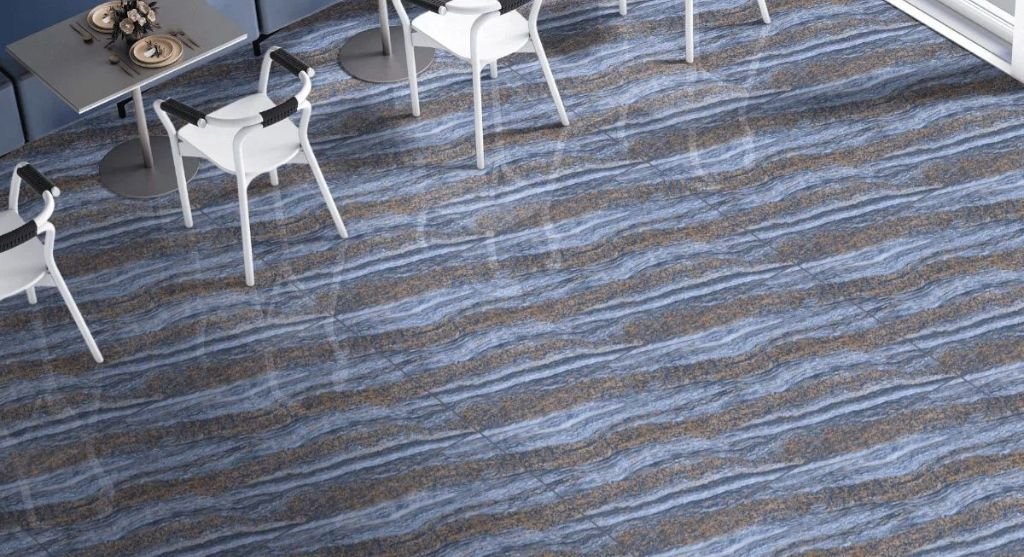

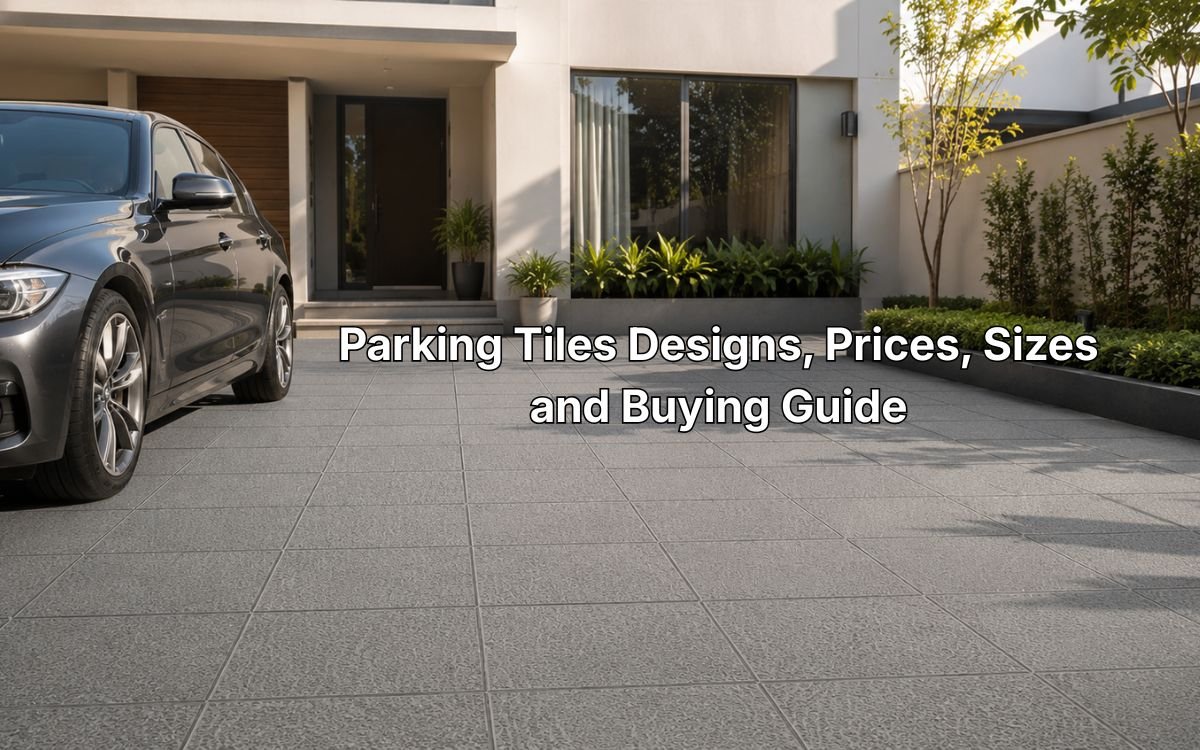
Complete parking tiles guide designs, prices per sq ft, sizes, thickness, types and installation tips. Shop online or visit our Bangalore store today.
If you’ve ever parked your car on a plain cement driveway during monsoon, you already know the problem oil stains that never leave, slippery patches after rain, and a floor that looks tired within a couple of years. Parking tiles solve exactly this. They’re built to handle vehicle weight, weather, and daily wear, while still making your driveway look finished rather than functional-only.
This guide covers everything you need before buying: what parking tiles actually are, how much they cost, which sizes and thicknesses work for homes versus commercial spaces, the different materials available, and how installation and maintenance work in practice. Think of this as your starting point — each section links to a deeper guide if you want to go further into a specific topic.
What Are Parking Tiles?
Parking tiles are heavy-duty floor tiles engineered specifically for vehicle traffic driveways, car porches, basements, and commercial parking lots. Unlike regular floor or wall tiles, they’re rated for higher load-bearing capacity, built with anti-skid surfaces, and made to resist oil, water, and temperature swings without cracking or fading.
The difference from standard tiles comes down to three things:
- Load capacity — parking tiles are denser and thicker, so they don’t crack under a car’s weight or when it’s driven over repeatedly.
- Anti-skid surface — most are rated R9 to R11 or higher, so they stay safe to walk and drive on even when wet.
- Low water absorption — a good parking tile absorbs less than 0.5% water, which matters a lot for outdoor and monsoon-exposed areas.
You’ll also come across terms like vitrified, full-body vitrified, PEI rating (a wear-resistance scale used for ceramic and porcelain tiles), and anti-skid coefficient while shopping — we’ll unpack all of these as we go.
Why Choose Parking Tiles Over Plain Concrete or Paving
Plain concrete is cheaper upfront, but it stains easily, develops cracks over a few monsoons, and needs resurfacing every few years. Parking tiles cost more initially but hold their finish for a decade or longer with basic care, resist oil and tyre marks, and instantly lift the look of your driveway or building entrance — which matters more than people expect when it comes to resale value.
Parking Tiles Design Ideas
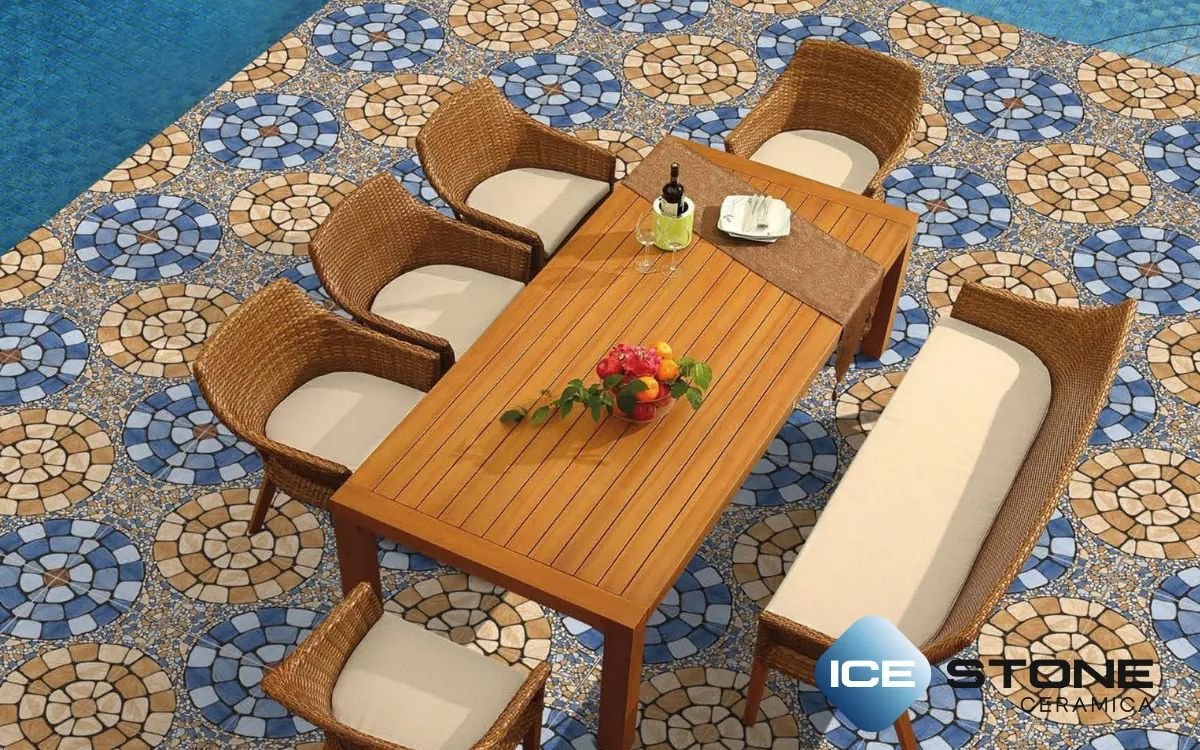
Parking tile design has moved well beyond plain grey squares. Broadly, designs fall into four categories:
| Design Style | Best For | Visual Character |
|---|---|---|
| Modern/Minimal | Contemporary homes, apartments | Large-format, single-tone, clean grid lines |
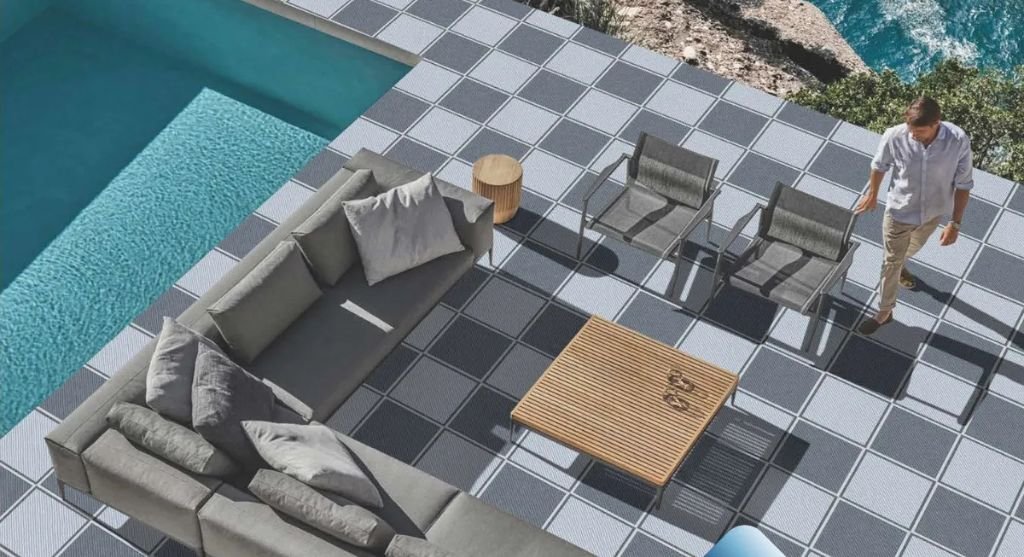
| Textured/Stone-look | Independent houses, villas | Natural stone or granite finish, earthy tones |
| Patterned | Entrances, decorative driveways | Geometric or interlocking patterns, two-tone mixes |
| Industrial/Heavy-duty | Commercial, warehouses | Plain, functional, built for constant traffic |
For homes, the design choice usually depends on your building’s exterior colour, the amount of daily traffic, and your budget. A villa with a stone-clad exterior tends to look best with textured, natural-stone-finish tiles, while an apartment driveway with heavy footfall does better with a simpler, easy-to-clean modern design.
Factors That Influence Design Choice
A few practical things decide which design actually works for your space, beyond looks alone:
- Climate — darker tiles absorb more heat; in hot regions, lighter or matte finishes stay cooler underfoot and on tyres.
- Traffic volume — high-traffic commercial parking benefits from simpler patterns that hide wear and are easier to replace in sections.
- Exterior colour matching — tiles that echo your building’s colour palette tend to look intentional rather than like an afterthought.
- Budget — patterned and textured tiles generally cost 15-30% more than plain designs of the same material.
Parking Tiles Price Guide
Here’s what you can typically expect to pay per square foot, depending on material:
| Material | Price Range (per sq. ft.) |
|---|---|
| Cement/Concrete tiles | ₹35 – ₹70 |
| Ceramic tiles | ₹40 – ₹90 |
| Vitrified tiles | ₹60 – ₹150 |
| Natural stone/Granite | ₹80 – ₹250 |
| Full-body vitrified (heavy-duty) | ₹90 – ₹200 |
These are material-only prices; installation typically adds ₹15-40 per sq. ft. depending on your city and the complexity of the layout.
Four factors move the price most:
- Material — natural stone and full-body vitrified sit at the premium end; cement and standard ceramic are the budget options.
- Thickness — anything above 12mm costs more but lasts longer under vehicle load.
- Finish and brand — textured, anti-skid, and branded tiles carry a premium over plain, unbranded options.
- Installation labour — this varies by city and by whether your existing surface needs levelling before laying.
Budget vs Premium Parking Tiles — Quick Comparison
| Budget | Mid-Range | Premium | |
|---|---|---|---|
| Material | Cement, basic ceramic | Standard vitrified | Full-body vitrified, natural stone |
| Price/sq ft | ₹35–50 | ₹60–100 | ₹100+ |
| Expected lifespan | 5–8 years | 8–12 years | 12+ years |
| Best for | Rental properties, budget builds | Most homes | Villas, premium commercial spaces |
Best Parking Tiles for Homes & Car Parking Areas
Not every “parking tile” sold in the market is actually suited to your driveway. Before buying for a home, run through this checklist:
- Anti-skid rating of at least R10, especially if the area gets direct rain exposure.
- Load rating appropriate for your vehicle type — a two-wheeler porch and a four-wheeler driveway don’t need identical specs.
- Water absorption under 0.5% for any outdoor-facing area.
- Ease of cleaning — textured tiles look great but trap more dirt in grout lines than smoother finishes.
For independent houses with open driveways, full-body vitrified or natural stone tiles tend to perform best over the long run. For apartment complexes and covered parking, standard vitrified or ceramic options are usually sufficient and more budget-friendly.
Outdoor Parking Tiles
Outdoor parking areas face conditions indoor or covered spaces don’t — direct sun, standing rainwater, and temperature swings between day and night. This means outdoor parking tiles need a slightly different spec sheet than indoor ones:
- Frost and thermal resistance — so tiles don’t crack from expansion and contraction across seasons.
- UV stability — so colour doesn’t fade with prolonged sun exposure.
- Compatibility with proper drainage slopes — tiles should be laid with a slight gradient so water doesn’t pool.
Heavy-duty outdoor tiles (rated for higher load and thicker profiles) are worth the extra cost if the area sees regular four-wheeler traffic; standard-duty tiles work fine for two-wheeler-only or occasional-use spaces.
Anti-Skid Rating Explained (Quick Reference)
Anti-skid ratings (R-values) measure how slip-resistant a tile surface is, tested under standardised conditions:
| Rating | Slip Resistance | Recommended Use |
|---|---|---|
| R9 | Low | Covered, dry indoor parking |
| R10 | Moderate | Standard home driveways |
| R11 | High | Outdoor driveways, rain-exposed areas |
| R12–R13 | Very High | Ramps, commercial/industrial parking |
As a simple rule: the more your parking area is exposed to rain or slope, the higher the R-rating you should look for.
Parking Tile Sizes & Thickness
Parking tiles come in a handful of standard sizes, and the right one depends on the scale of the area and how it’ll be used:
| Size | Best Use Case |
|---|---|
| 12″x12″ (300x300mm) | Small porches, tight driveways |
| 16″x16″ (400x400mm) | Standard home driveways |
| 2’x2′ (600x600mm) | Larger driveways, apartment parking |
| 2’x4′ and above | Commercial parking, large open lots |
Thickness matters even more than size for durability:
| Thickness | Recommended For |
|---|---|
| 8–10mm | Light-duty, two-wheeler only |
| 12mm | Standard home car parking |
| 16mm+ | Heavy-duty, commercial, frequent large-vehicle traffic |
As a general guideline, 12mm is the safe minimum for regular four-wheeler use — anything thinner tends to develop hairline cracks faster under repeated weight.
Types of Parking Tiles
Different materials suit different budgets and use cases. Here’s how the main options compare:
| Material | Durability | Cost | Maintenance | Best Use |
|---|---|---|---|---|
| Vitrified | High | Medium-High | Low | Homes, apartments |
| Ceramic | Medium | Low-Medium | Medium | Covered/light-use parking |
| Cement/Concrete | Medium | Low | Medium | Budget projects |
| Natural Stone/Granite | Very High | High | Medium | Premium homes, villas |
| Terracotta | Medium | Medium | High | Traditional/rustic aesthetics |
| Interlocking | Medium-High | Low-Medium | Low | Commercial lots, quick installation |
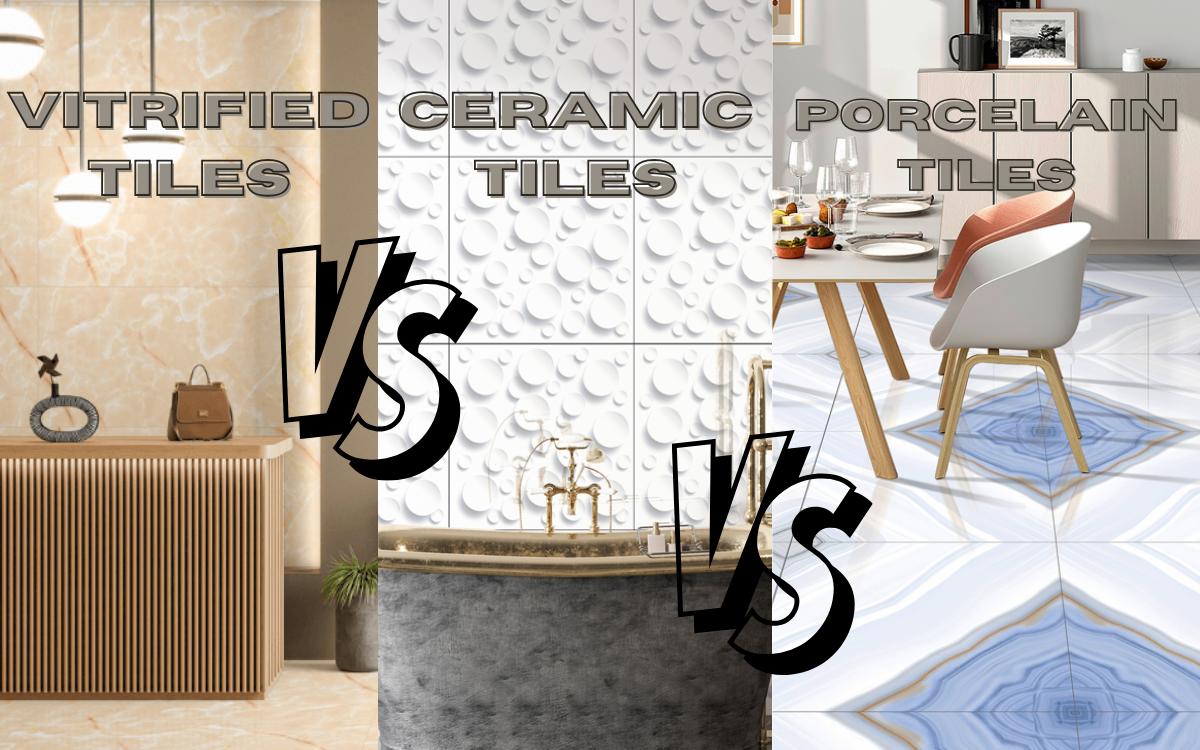
Vitrified tiles are the most popular choice for homes today — they’re non-porous, tough, and available in large formats with minimal grout lines. Full-body vitrified takes this further, with colour running through the entire tile, so chips and scratches don’t show a different-coloured base underneath.
Ceramic tiles are lighter on the budget but generally better suited to covered or lower-traffic parking rather than open, rain-exposed driveways.
Natural stone and granite deliver the most premium look and the longest lifespan, but come with a higher price tag and slightly more maintenance to prevent staining.
Which Type Should You Choose? (Decision Framework)
- Budget is the priority → Cement or standard ceramic tiles.
- Durability and low maintenance matter most → Full-body vitrified.
- You want a premium, high-end look and are willing to invest → Natural stone or granite.
- You need fast installation for a commercial lot → Interlocking concrete tiles.
Parking Tile Colours & Patterns
Colour choice affects both appearance and practicality — lighter colours show dirt less over time in some cases, while darker colours hide oil stains better in others. Here’s a quick reference:
- Grey — the most popular choice; hides tyre marks and dust well, works with any building exterior.
- Red/Terracotta — traditional look, common in South Indian homes, warm tone.
- Black and white — bold, modern, best for well-maintained spaces since marks show more.
- Ivory/Beige — softer, premium look, best paired with regular cleaning.
Beyond colour, pattern options like hexagon tiles, grass-inlay tiles (for a greener driveway look), and wood-finish textures are gaining popularity for homes that want their parking area to feel like an extension of the landscaping rather than a purely functional slab.
Parking Tile Installation
Getting the installation right matters as much as choosing the right tile — even a premium tile will crack or shift if laid on a poorly prepared base. Here’s the process at a glance:
- Site preparation — the existing surface is cleared, levelled, and checked for drainage slope.
- Base layer — a concrete or sand-cement base is laid to provide a stable, even foundation.
- Tile laying — tiles are placed with consistent spacing, checked for level as they go.
- Grouting — gaps between tiles are filled and sealed to prevent water seepage.
- Curing — the area is left undisturbed (typically 24-48 hours) before vehicle use resumes.
Common mistakes to avoid: skipping the drainage slope (leads to water pooling), using the wrong adhesive for outdoor conditions, and rushing the curing period before driving on the new surface.
DIY vs professional installation: small porch areas can sometimes be handled by an experienced local tiler, but for full driveways and commercial lots, professional installation is worth it — incorrect levelling is one of the most common causes of early tile failure.
Parking Tile Cleaning & Maintenance
Parking tiles need very little upkeep compared to plain concrete, but a few habits keep them looking new for years:
- Weekly — sweep and hose down to prevent dust and grit from scratching the surface over time.
- Monthly — use a mild tile cleaner (avoid harsh acids on natural stone) to lift ingrained dirt and oil residue.
- As needed — treat fresh oil or cement stains immediately; the longer they sit, the harder they are to remove.
For cement stains specifically, a diluted mild acid-based tile cleaner applied promptly usually does the job — but always test on a small corner first, especially with natural stone or coloured tiles.
Parking Tiles vs Other Flooring Options
If you’re still weighing parking tiles against other flooring choices, here’s a side-by-side comparison:
| Parking Tiles | Concrete | Interlocking Blocks | Natural Stone/Granite | |
|---|---|---|---|---|
| Cost | Medium | Low | Low-Medium | High |
| Durability | High | Medium | Medium-High | Very High |
| Aesthetics | High | Low | Medium | Very High |
| Maintenance | Low | Medium | Low | Medium |
| Installation Time | Medium | Fast | Fast | Slow |
Concrete wins on upfront cost and speed but loses on looks and long-term staining. Interlocking blocks are a strong middle-ground for commercial lots needing quick turnaround. Natural stone and granite sit at the top for looks and lifespan, at a proportionally higher cost. For most homes, standard or full-body vitrified parking tiles hit the best balance of cost, durability, and appearance.
How to Choose the Right Parking Tiles
Pulling everything together, here’s a simple framework to land on the right tile for your space:
- Start with usage — two-wheeler only, occasional four-wheeler, or daily heavy vehicle traffic? This decides your minimum thickness and load rating.
- Factor in exposure — fully outdoor and rain-exposed spaces need higher anti-skid and lower water absorption than covered parking.
- Set a realistic budget band — decide whether you’re optimising for lowest cost, best value, or premium long-term appearance.
- Match the design to your building — pick a colour and finish that complements your exterior rather than competing with it.
- Confirm installation quality — even the best tile underperforms with poor laying; don’t cut corners here to save a small amount.
If you’re unsure which combination of size, thickness, and material fits your specific driveway, it’s worth getting a quick expert opinion before you buy a five-minute call can save you from a costly reselection later.
Frequently Asked Questions
What is the best thickness for parking tiles?
12mm is the safe minimum for standard home car parking. For heavy-duty or commercial use, 16mm or thicker is recommended.
Which is better for parking vitrified or ceramic?
Vitrified tiles are more durable and low-maintenance, especially for outdoor, rain-exposed driveways. Ceramic tiles are more budget-friendly but better suited to covered or light-use parking areas.
How long do parking tiles last?
It depends on the material — cement tiles last around 5-8 years, standard vitrified tiles last 8-12 years, and full-body vitrified or natural stone tiles can last 12+ years with proper installation and maintenance.
What size tiles are best for home parking?
For larger driveways, 2’x2′ or bigger sizes work well (fewer grout lines, better overall look). For smaller porch areas, 12″x12″ or 16″x16″ sizes are a better fit.
What does parking tile cost per square foot?
Prices typically range from ₹35 to ₹250 per sq. ft depending on material — cement is the most budget-friendly, while natural stone/granite sits at the premium end.
Are anti-skid tiles necessary for outdoor parking?
Yes, especially for rain-exposed areas. An R10 rating or higher is recommended so the tile stays safe to walk and drive on even when wet.
Still Deciding on the Right Parking Tiles?
Every driveway is different — the right tile depends on your vehicle traffic, exposure to weather, and how your building looks from outside. If you’d like a second opinion before you buy, our team at Icestone Ceramica can walk you through options that actually fit your space and budget.
📞 Call us: +91-9913296998 💬 WhatsApp: Chat with our tile experts 📍 Visit our Bangalore store for samples, or explore our full range of Parking Tiles online with pan-India shipping.