

Buy Kitchen Floor Tiles Online
The kitchen floor takes on more daily wear than almost any other surface in the home — oil spills, water splashes, dropped utensils, and constant foot traffic, often multiple times a day. Icestone Ceramica’s kitchen floor tile collection is built for exactly this: stain-resistant, easy to clean, and durable enough to keep looking sharp years after installation. Explore our full range of Buy Premium Floor Tiles Online at Best Prices in India for every other room in the home.
Whether you’re flooring a compact modular kitchen or a large open-plan cooking space, the right kitchen floor tile comes down to three things: how well it resists stains and scratches, how easy it is to clean daily, and how it complements your cabinets and countertops.
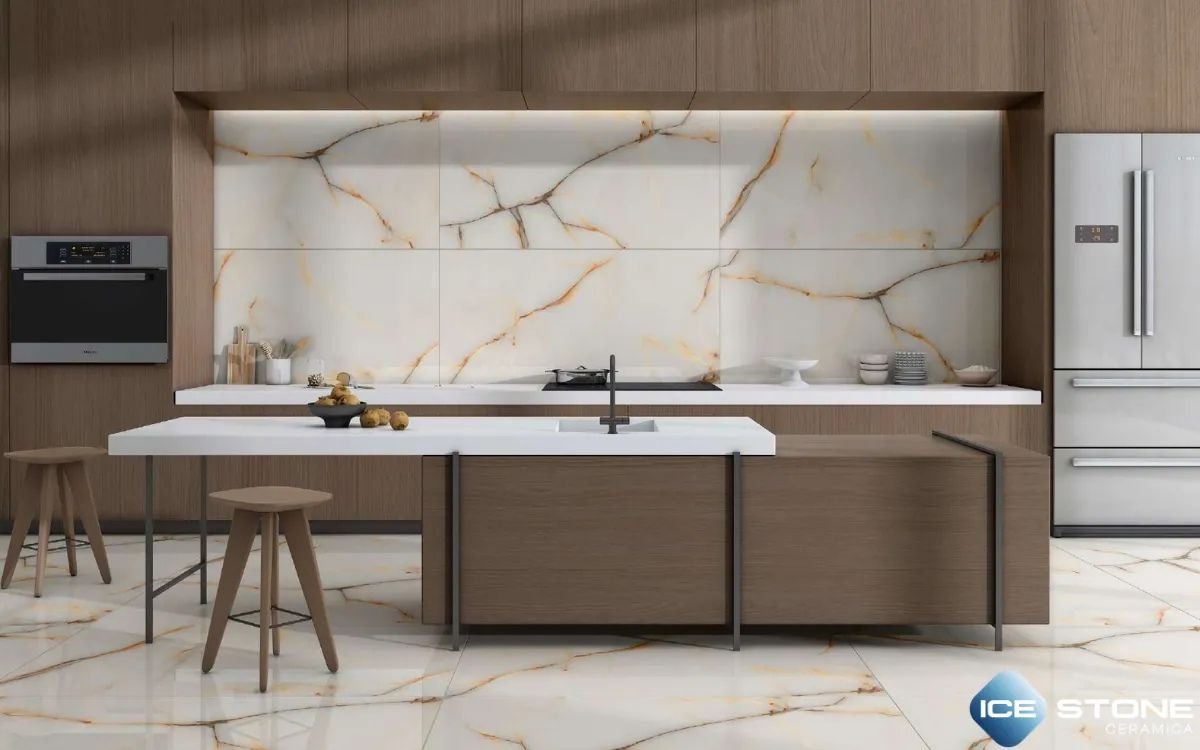
What Makes a Good Kitchen Floor Tile?
A good kitchen floor tile combines stain resistance, low water absorption, and a finish that’s easy to wipe clean without needing constant deep-scrubbing. Porcelain and ceramic are the two most common choices, and the decision between them usually comes down to traffic level — porcelain handles heavier daily use better, while ceramic works well in kitchens that see lighter, more occasional cooking activity.
Slip resistance matters here too, even though a kitchen isn’t as consistently wet as a bathroom. Water and oil spills happen often enough that a matt or lightly textured finish is generally a safer choice underfoot than a high-gloss one, particularly right around the sink and stove.
Kitchen Floor Tiles Design
Modern Kitchen Floor Tiles Design
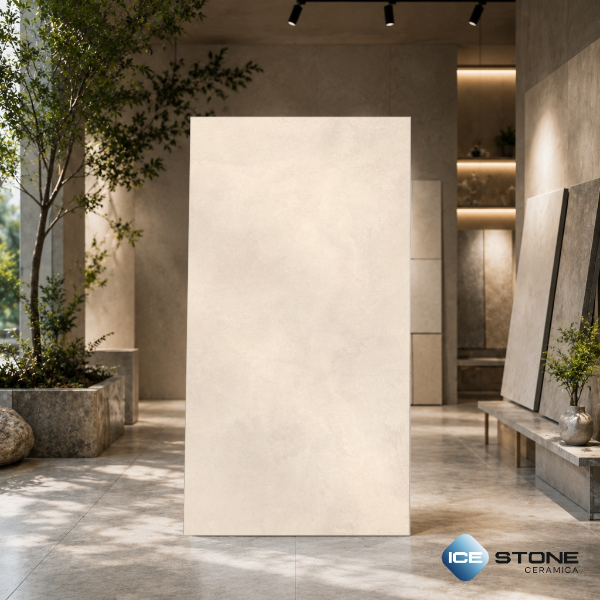
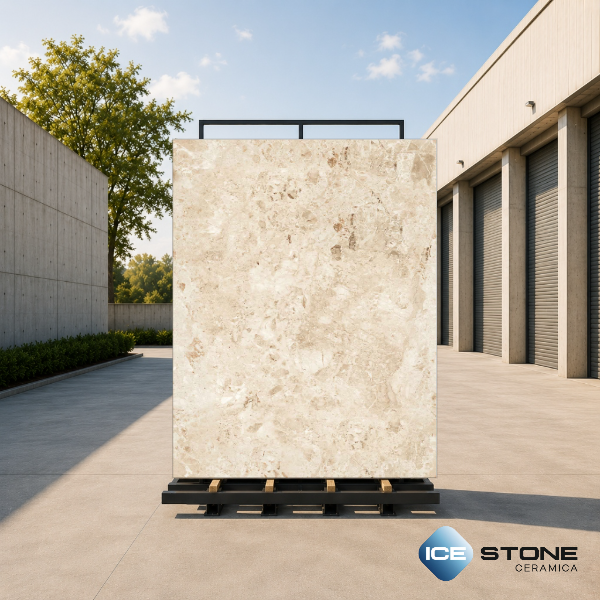
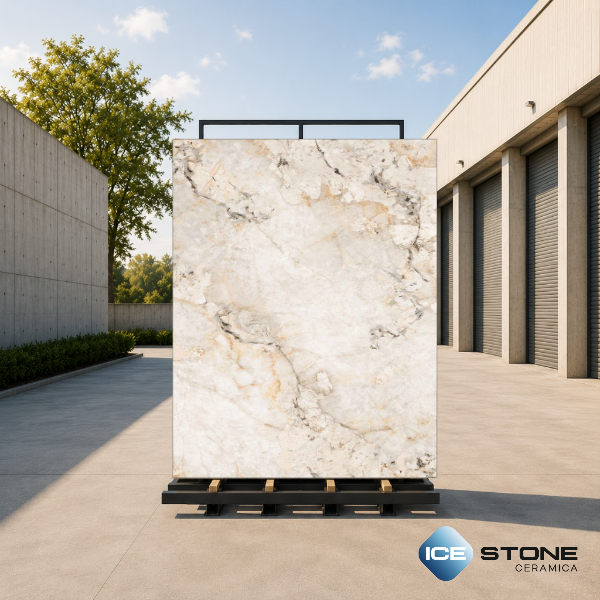
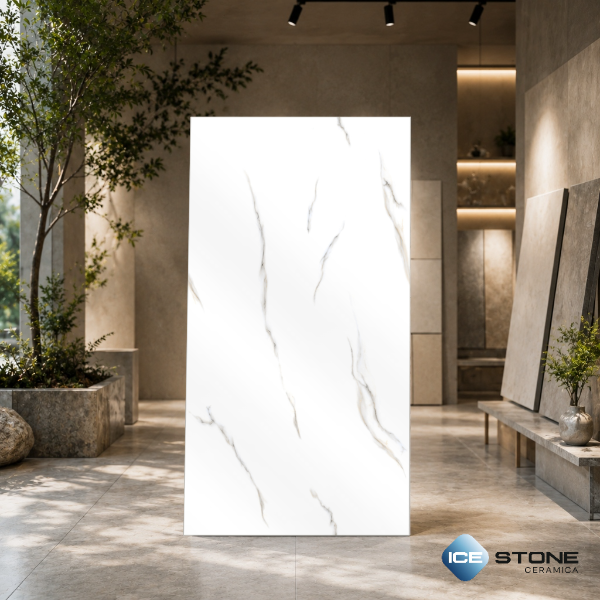
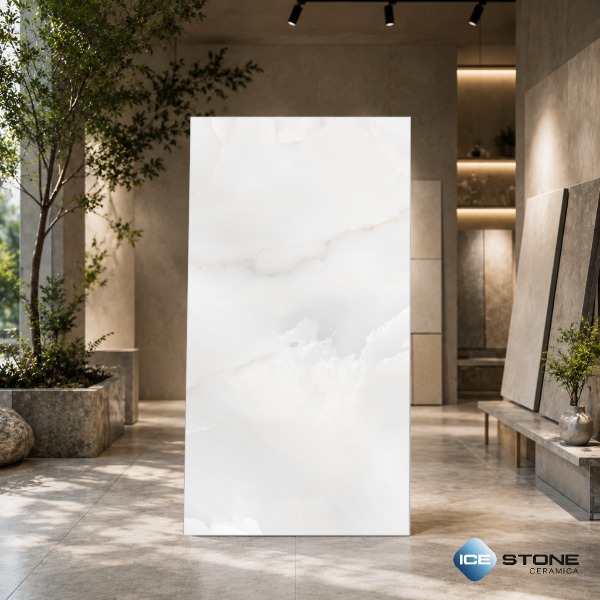
Modern kitchen floor tile design leans toward large-format tiles in neutral tones grey, beige, white that reduce visible grout lines and give the floor a clean, seamless look. Large formats also make daily cleaning simpler, since fewer grout lines mean fewer places for oil and grime to settle. Pairing a plain, large-format floor with a more detailed backsplash or cabinet finish keeps the overall kitchen design balanced rather than busy.
Kitchen Floor and Wall Tiles Combinations
Matching kitchen floor and wall tiles well is largely about undertone consistency — a warm-toned floor pairs naturally with warm-white or beige wall tiles, while a cool-grey floor works better against cool-white or steel-grey elements. For a combined view of matching kitchen wall and floor tile pairings, a common, reliable approach is to keep the floor slightly darker than the walls, since the floor absorbs more visible wear over time, while lighter walls and backsplash tiles help keep the room feeling bright.
Small Kitchen Floor Tile Ideas
In a small or compact kitchen, tile choice affects how open the space feels more than in almost any other room. Light-toned, large-format tiles make a small kitchen read as more spacious by minimising grout lines and reflecting more light. Sticking to one tile size throughout, rather than mixing formats, also helps a small kitchen avoid feeling visually cluttered — the same principle that works for small bathrooms applies here.
Kitchen Floor Tiles by Material
Porcelain Kitchen Floor Tiles
Porcelain tiles are the strongest choice for a busy kitchen because of their very low water absorption and high resistance to scratches from dropped cookware or dragged furniture. Their density also means they hold up well to daily mopping without the surface dulling over time — a real advantage in a room that gets cleaned more often than most others in the house.
Ceramic Kitchen Floor Tiles
Ceramic tiles are a lighter, more budget-friendly option that suits kitchens with lower daily traffic — a second kitchen, a small kitchenette, or a home where cooking happens occasionally rather than several times a day. They come in a wide range of designs and colours, though their higher porosity compared to porcelain means they benefit from more regular sealing and cleaning in a room that sees frequent spills.
Wood-Look Kitchen Floor Tiles
Wood-look tiles bring the warmth of a timber floor into the kitchen without the swelling or staining risk that real wood faces from water and oil exposure. Built on a porcelain or vitrified base, they combine the visual warmth homeowners want with the stain resistance a kitchen actually needs — a combination real wood flooring simply can’t offer in this room.
Kitchen Floor Tiles by Colour
White Kitchen Floor Tiles
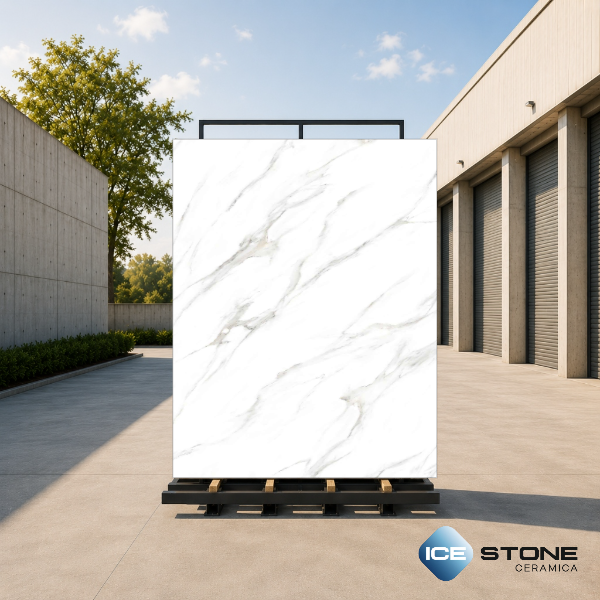
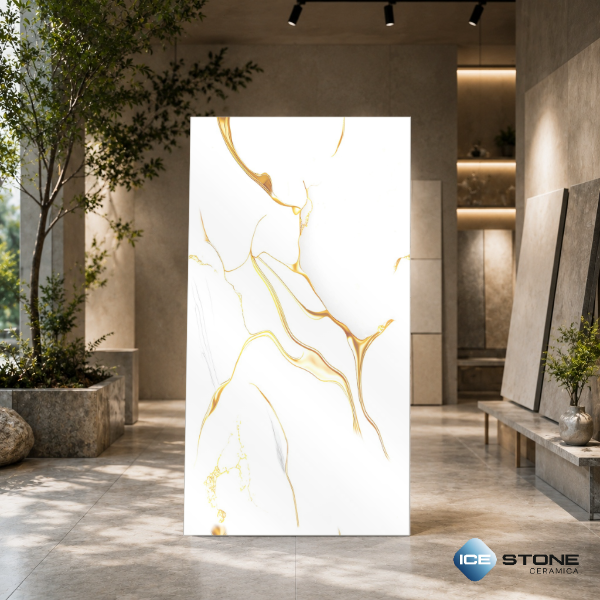
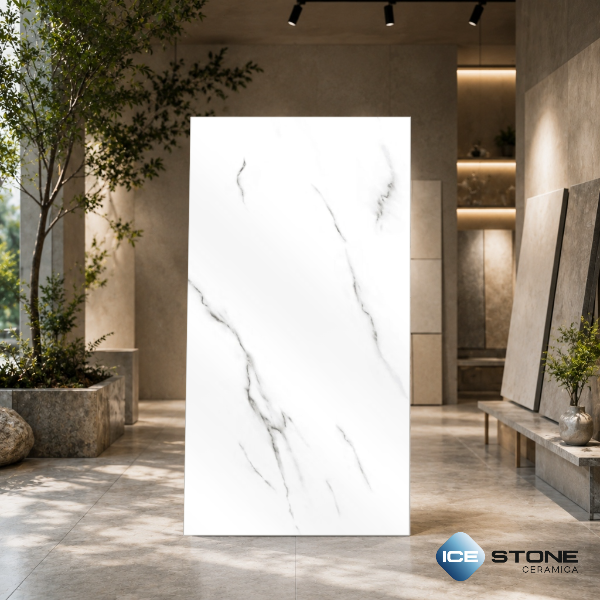
White kitchen floor tiles brighten a kitchen and make it feel larger, and they pair especially well with grey or dark-toned cabinets for a clean, high-contrast look. The tradeoff is visibility — white shows oil spots and grime faster than a darker tone, so it suits kitchens where the floor gets cleaned regularly rather than ones left for days between mops.
Grey Kitchen Floor Tiles
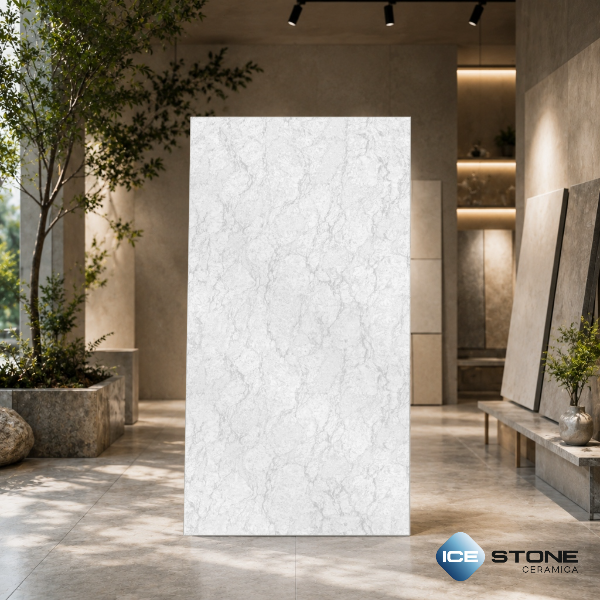
Grey kitchen floor tiles have become one of the most requested choices for modern kitchens because grey hides daily marks, water spots, and light staining noticeably better than white, while still reading as clean and contemporary. It’s a practical middle ground for busy kitchens that can’t be mopped after every meal.
Black Kitchen Floor Tiles
Black kitchen floor tiles create a bold, dramatic look, most often paired with white or light-wood cabinets for contrast. Black hides stains and marks better than almost any other colour, making it a genuinely practical choice for a high-traffic kitchen — not just a design statement, but one of the lowest-maintenance colours on this list.
Kitchen Floor Tile Finish — Glossy or Matte?
Matte finishes are generally the better choice for kitchen floors. They provide more grip underfoot near sinks and cooking areas where water and oil spills are common, and they hide daily footprints and light scratches far more effectively than a glossy surface. Glossy tiles do brighten a room and photograph well, but their smooth surface becomes noticeably more slippery when wet — a real consideration in a room where spills are a matter of when, not if.
Kitchen Floor Tiles Price
Kitchen Floor Tiles Price List
| Tile Size | Approximate Price Range (Per Sq. Ft.) |
|---|---|
| 400×400 mm | ₹70–₹75 |
| 600×600 mm | ₹78–₹85 |
| 600×1200 mm | ₹60–₹70 |
| 600×600 mm (wood-look) | ₹85–₹100 |
Prices vary by design, finish, and collection. Check individual product pages for current pricing.
Factors Affecting Kitchen Tile Price
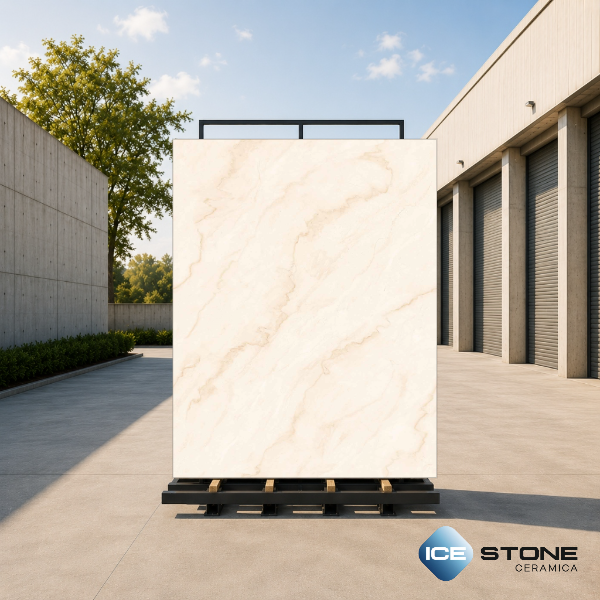
Wood-look and stone-look designs typically cost more than a plain matt tile of the same size, since replicating natural texture through digital printing adds to the manufacturing process. Larger formats also carry a slightly higher per-box cost but reduce grout lines and the amount of cleaning a kitchen floor needs over time — often making them better value in the long run despite the higher upfront cost.
How to Choose the Right Kitchen Floor Tile
Choose by Material (Porcelain vs Ceramic)
Porcelain is the stronger choice for a primary, daily-use kitchen thanks to its lower water absorption and higher scratch resistance. Ceramic works well for lighter-traffic kitchens or secondary cooking spaces where budget matters more than heavy-duty performance.
Choose by Finish & Slip Resistance
A matt or lightly textured finish is the safer default for any kitchen floor, since spills near the sink and stove are routine rather than occasional. Save glossy finishes for kitchen walls or backsplashes instead, where slip resistance isn’t a concern.
Choose by Colour & Cabinet Match
Grey and black tiles hide daily marks best and suit busy kitchens that can’t be cleaned after every meal. White tiles brighten the space but need more frequent cleaning to stay looking sharp — match the colour to how the kitchen actually gets used, not just how it looks on day one.
Kitchen Floor Tile Cleaning & Maintenance
How to Clean Kitchen Floor Tiles
A daily sweep to clear loose crumbs and dust, followed by mopping with a pH-neutral cleaner, keeps most kitchen floor tiles in good shape. Porcelain and vitrified tiles need very little beyond this thanks to their low porosity, while textured or wood-look finishes benefit from an occasional deeper clean to lift grime out of the surface texture.
Removing Stains & Grease from Kitchen Floor Tiles
Oil and grease stains are the most common kitchen-floor problem, and they generally respond well to a warm water and mild dish-soap solution, which cuts through grease far more effectively than a standard tile cleaner alone. For stubborn, dried-on grease, a baking soda paste left on the spot for a few minutes before scrubbing gently usually lifts it without damaging the tile’s glaze.