

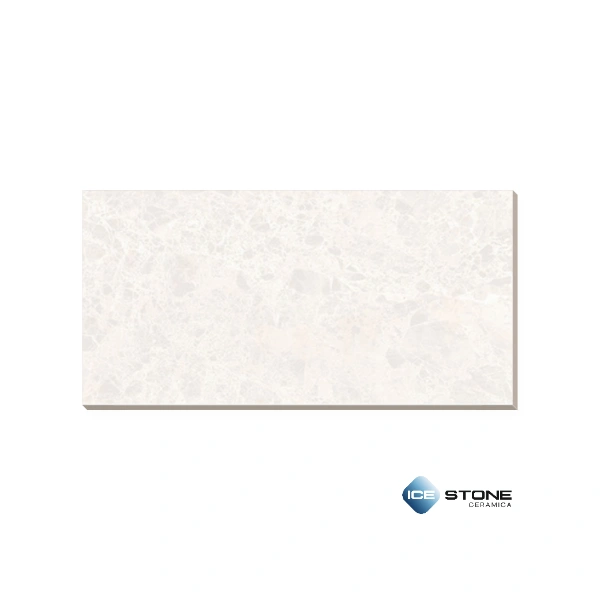
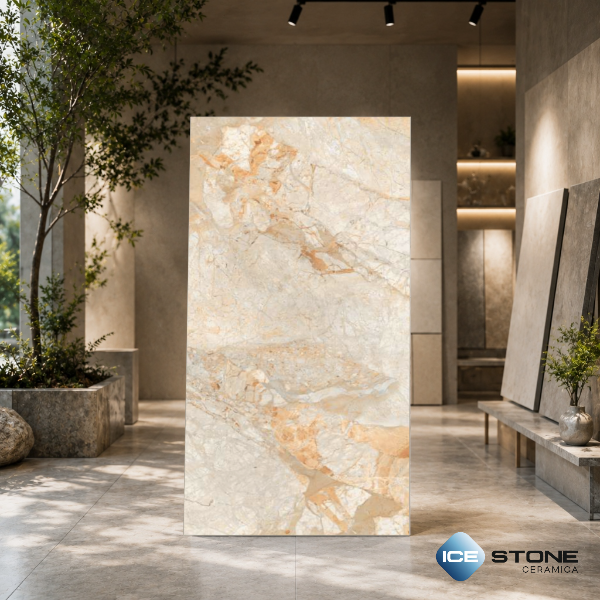
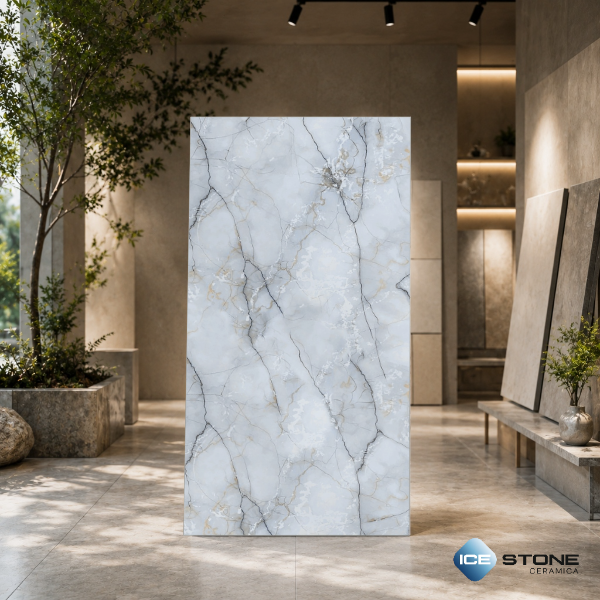
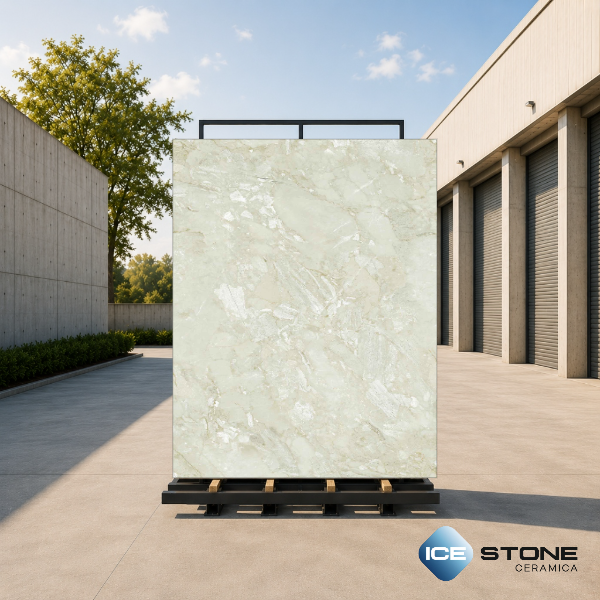
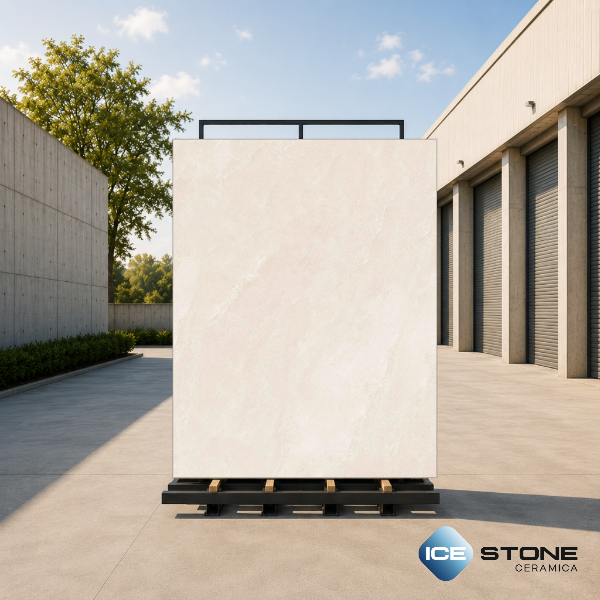
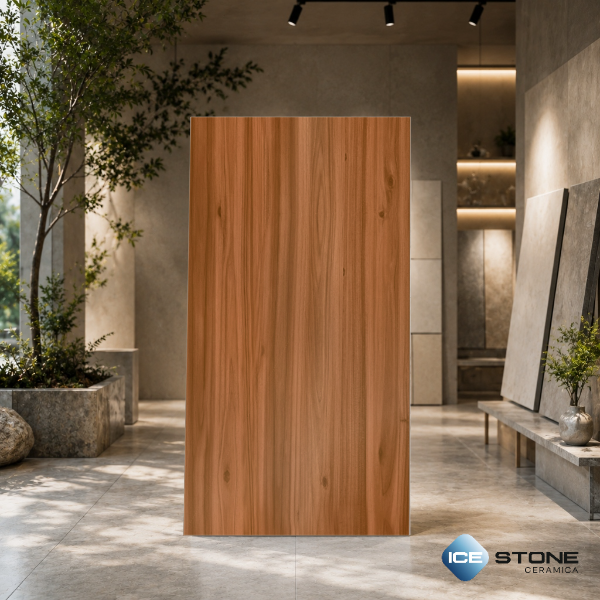
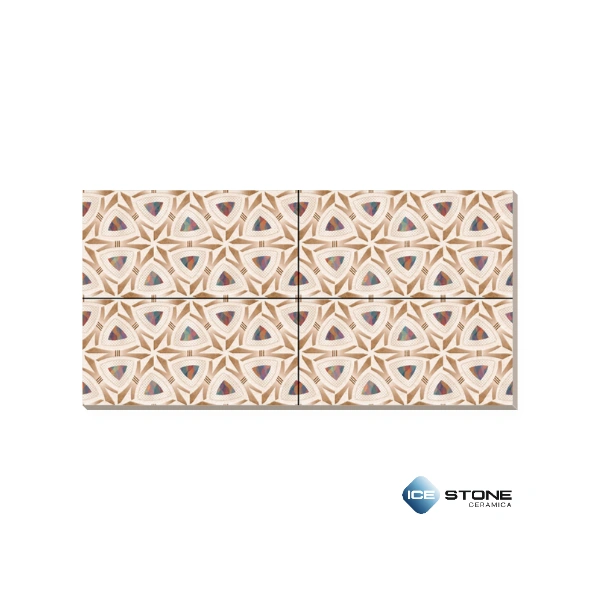
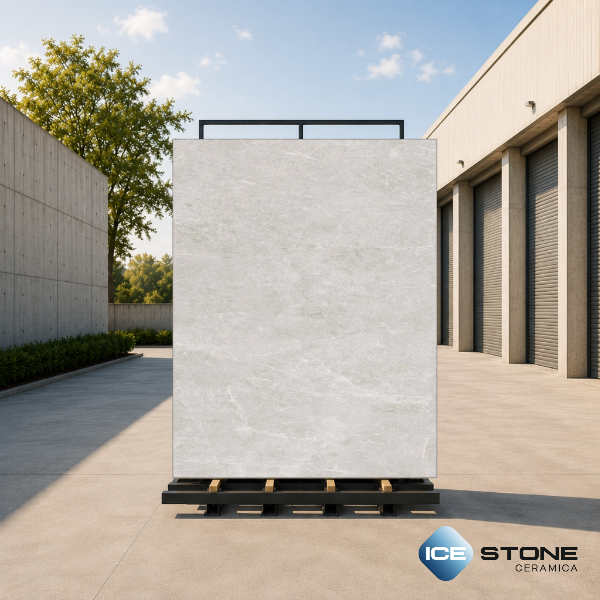
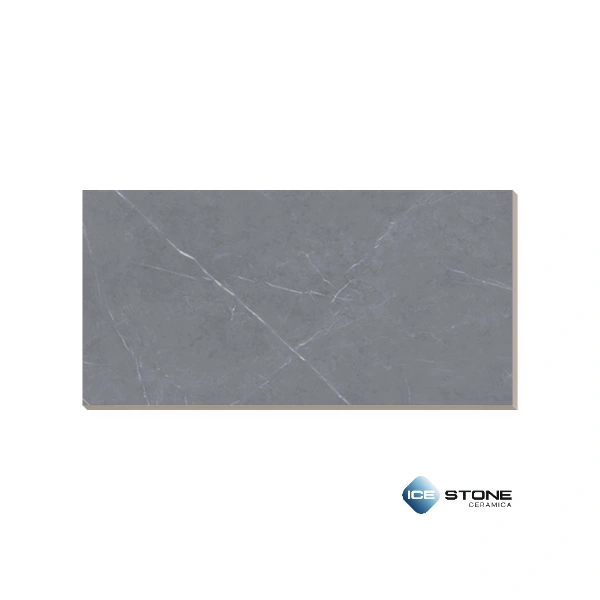
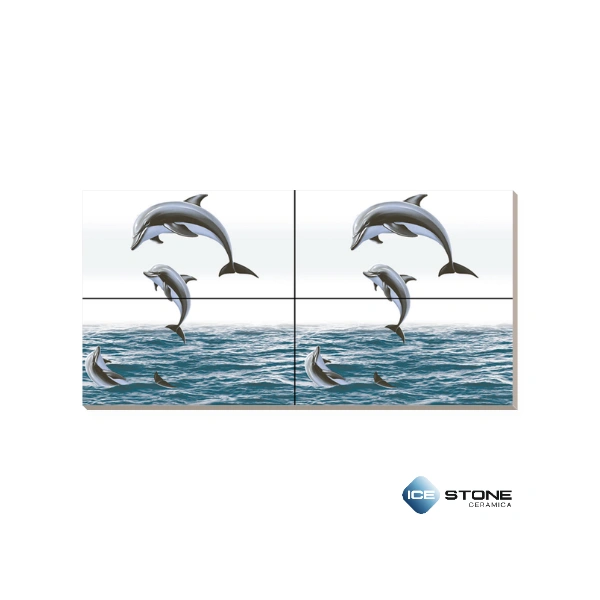
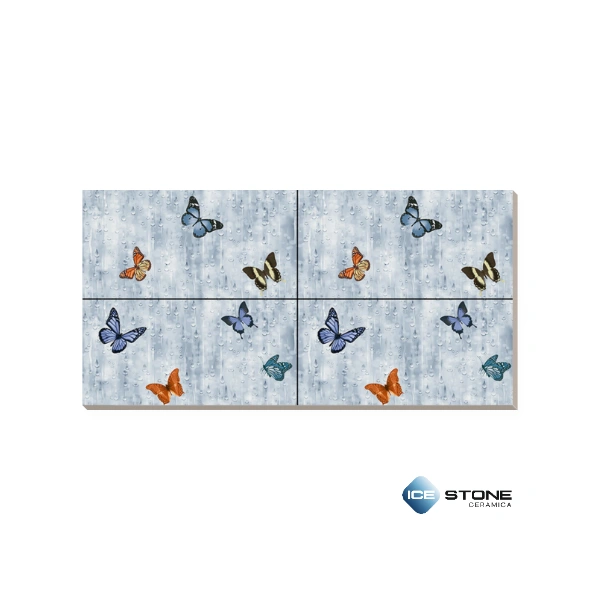
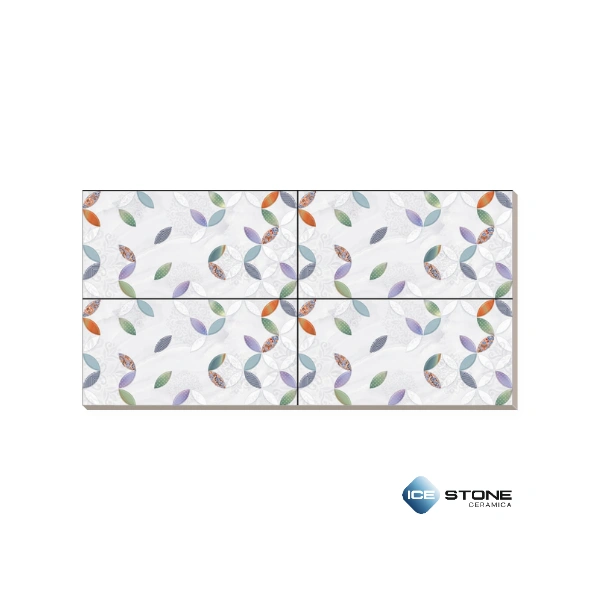
Kitchen wall tiles protect your walls from oil stains, heat, and moisture while giving the whole kitchen a finished look. The right tile depends on three things: the material, the size, and where you plan to use it behind the stove, on the full wall, or just as a backsplash.
At Icestone Ceramica, we manufacture kitchen wall tiles in Bangalore and supply across India, Kerala, and Gulf markets including Dubai. This guide covers every major design, material, and price question people ask before buying kitchen wall tiles.
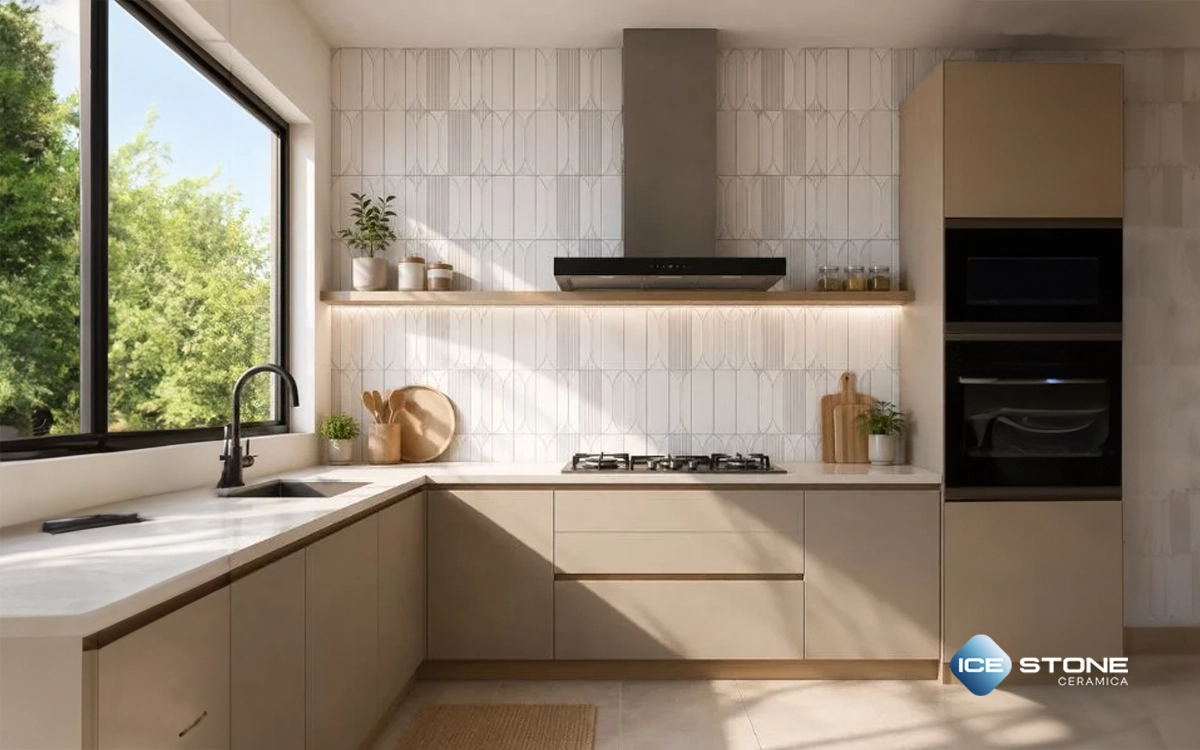
Types of Kitchen Wall Tiles by Material
Not all tiles behave the same way in a kitchen. Heat, oil splashes, and daily scrubbing wear tiles differently depending on what they’re made of.
Ceramic Kitchen Wall Tiles
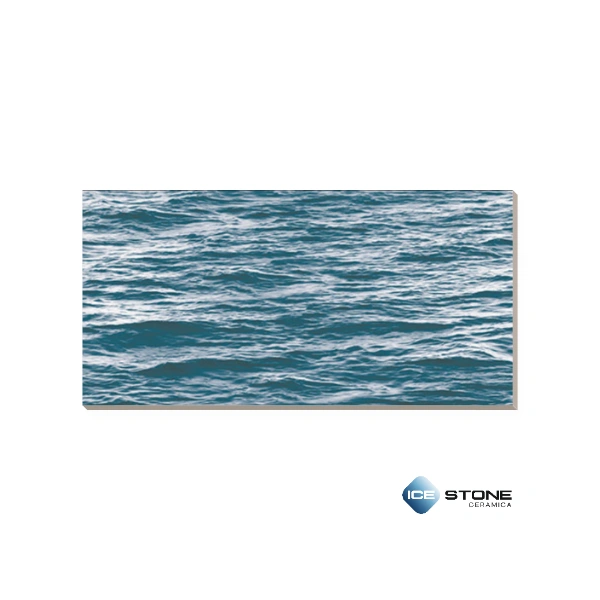
Ceramic is the most common choice for kitchen walls. It’s affordable, easy to clean, and comes in almost unlimited colours and prints. Ceramic tiles work well on walls that don’t take heavy foot traffic, which makes them ideal for kitchen walls and backsplashes.
Porcelain Kitchen Wall Tiles
Porcelain is denser and less porous than ceramic, so it resists moisture and staining better. It costs a bit more but lasts longer, especially in humid kitchens or homes near the coast.
Glass Wall Tiles for Kitchen
Glass tiles reflect light and make small kitchens feel brighter and bigger. They’re popular for backsplash strips above the counter rather than full walls, since they show fingerprints and water spots more easily.
Mosaic Kitchen Wall Tiles
Small mosaic pieces (glass, ceramic, or stone) are used to create accent strips or feature walls. They add texture without overwhelming the space, and work well combined with plain tiles on the rest of the wall.
3D Kitchen Wall Tiles
3D textured tiles add depth and a modern look, often used as a single feature wall behind the hob or sink area rather than across the whole kitchen.
Kitchen Wall Tiles Design Ideas
Design choice usually comes down to the overall kitchen style:
- Simple kitchen wall tiles design – plain, single-colour tiles in matte or gloss finish; the safest choice for small kitchens or rental homes, since it never looks dated.
- Modern kitchen wall tiles design – large-format tiles (600x300mm or bigger) with minimal grout lines, often in grey, white, or stone-look finishes.
- Modular kitchen wall tiles design – tiles chosen to match cabinet colours and countertop material, usually planned along with the kitchen layout.
- Latest kitchen wall tiles design (2026) – matte finishes, subtle textures, and warm neutral tones are replacing the high-gloss, heavily printed tiles that were common a few years ago.
For a design that flows into adjoining rooms, many homeowners now match their kitchen tiles with the living room wall tiles in open-plan homes, keeping the colour tone consistent across both spaces.
Kitchen Wall Tiles by Colour
Colour affects both the mood of the kitchen and how easy it is to keep clean.
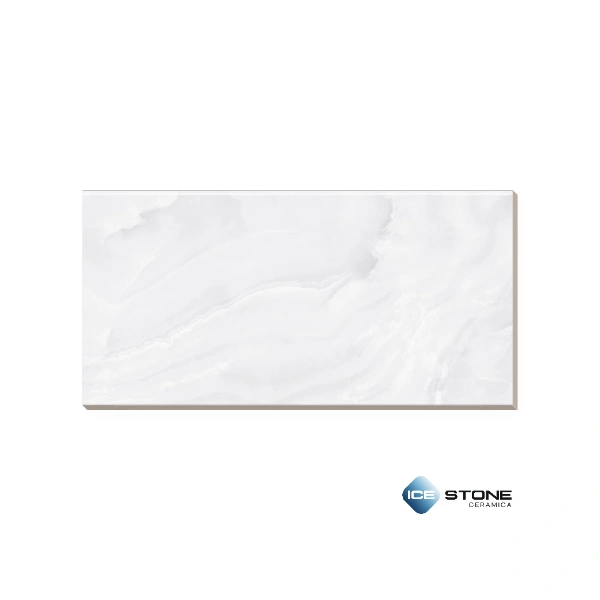
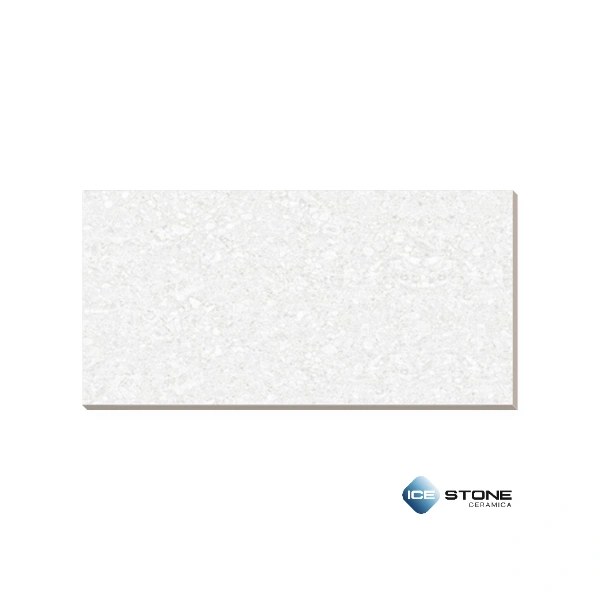
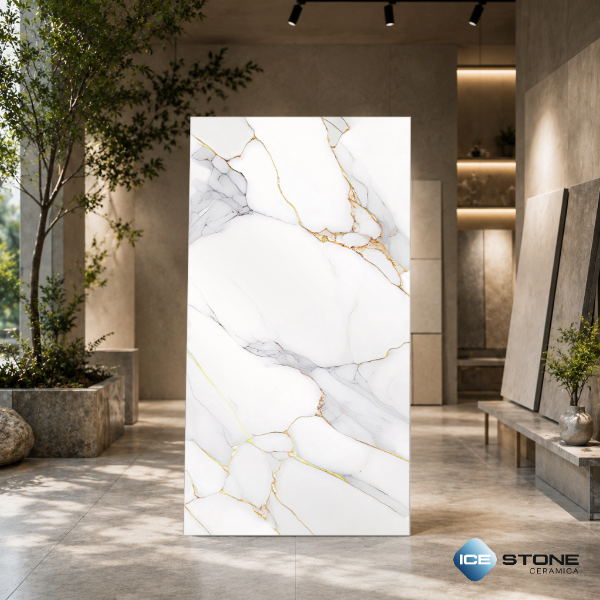
- White kitchen wall tiles – make the space look larger and brighter, but show stains faster and need more frequent cleaning.
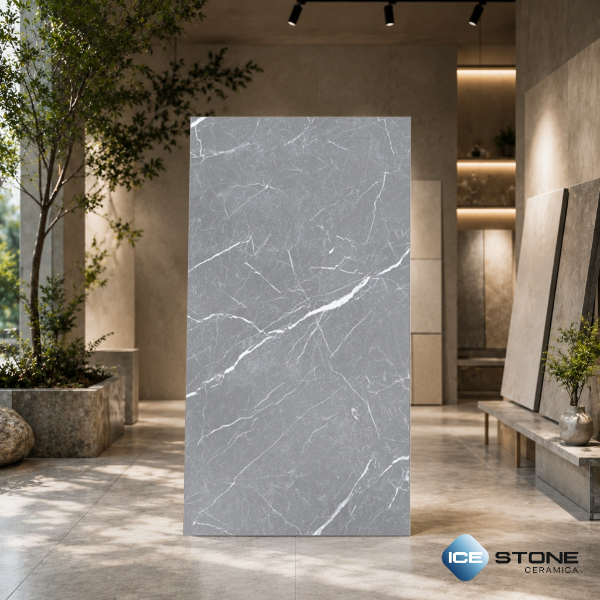
- Grey kitchen wall tiles – a practical middle ground; hides minor stains well and pairs with almost any cabinet colour.
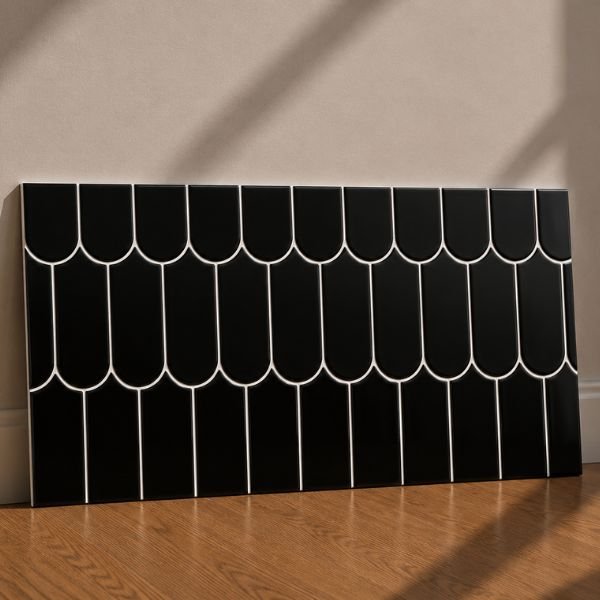
- Black kitchen wall tiles – used mainly as an accent wall behind the hob, since an all-black kitchen can feel closed in without good lighting.
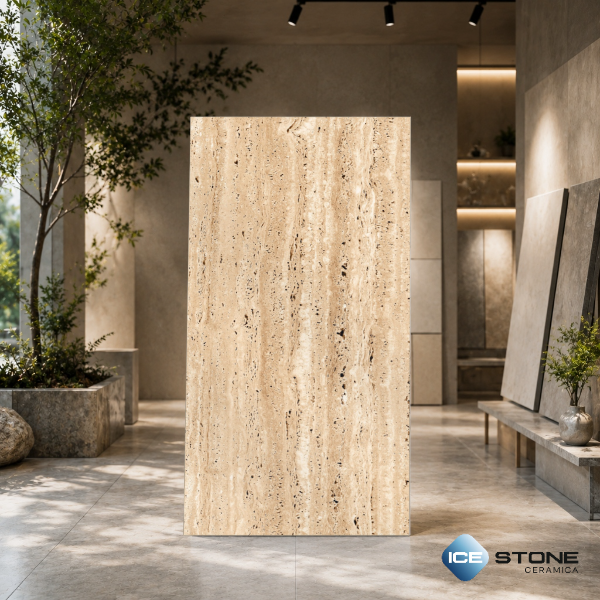
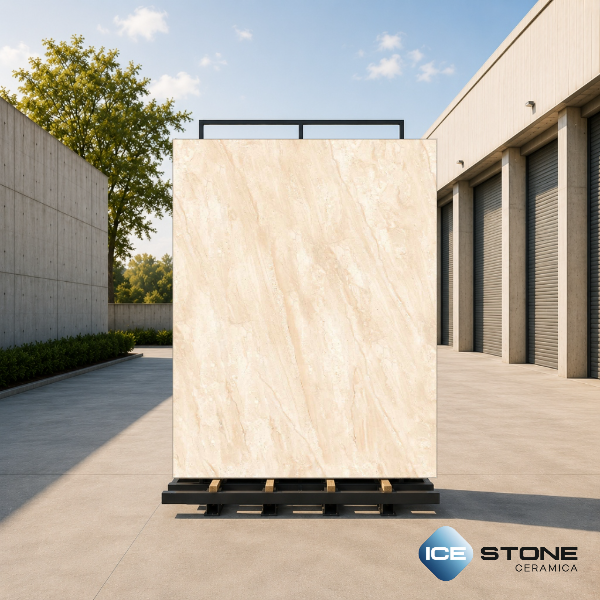
- Beige and neutral kitchen wall tiles – the most commonly picked shades for Indian kitchens, as they hide daily wear and match wooden or laminate cabinets.
Kitchen Wall Tiles Size & Texture
What size tile should I use for kitchen walls? Most kitchen walls use tiles between 300x450mm and 300x600mm. Smaller tiles (like 100x300mm subway tiles) are common for backsplash strips, while larger format tiles are used when covering a full wall, since fewer grout lines mean less scrubbing.
Glossy vs matte finish Glossy tiles reflect light and are easier to wipe clean of oil, but they show water spots. Matte tiles hide fingerprints and splash marks better but can be slightly harder to scrub around the hob area.
Small Kitchen Wall Tiles Ideas
In small kitchens, tile choice can make a real difference to how big the space feels:
- Use light colours (white, cream, light grey) to reflect more light.
- Pick larger tiles with fewer grout lines — this reduces visual clutter.
- Avoid heavy patterns on all four walls; keep pattern to one accent wall only.
- Glossy finishes bounce light around better than matte in low-light kitchens.
Kitchen Wall Tiles Price & Catalogue
Prices vary by material, size, and finish:
| Tile Size | Approx. Price (₹/Sq. Ft.) |
|---|---|
| 300 × 600 mm | ₹67 – ₹75 |
| 600 × 1200 mm | ₹62 – ₹81 |
| 1200 × 1800 mm | ₹95 – ₹130* |
Exact pricing depends on the size, finish, and order quantity. You can request a sample or download our latest catalogue to compare designs and pricing side by side before ordering.
Kitchen Floor and Wall Tiles Combination
Matching the wall tiles with the floor creates a more cohesive look, but they don’t need to be identical. A common approach:
- Keep the floor tile plain and slip-resistant (matte or textured finish).
- Use the wall tile for colour and pattern, since walls don’t need slip resistance.
- Stick to 2-3 colours total across floor, wall, and cabinets to avoid a cluttered look.
If you’re tiling other wet areas of the home at the same time, our bathroom wall tiles range follows the same size and finish options, which makes it easier to keep a consistent look across the kitchen and bathroom.
Installation, Cost & Maintenance
How much does kitchen wall tile installation cost? Installation cost depends on the tile size, wall area, and labour rates in your city, and is usually charged separately from the tile cost itself. Larger format tiles generally cost less to install per square foot since fewer tiles are needed.
How to clean kitchen wall tiles
- Wipe daily with a damp cloth to prevent oil buildup.
- For grease stains, use a mild dish soap solution rather than harsh acidic cleaners, which can wear down the grout over time.
- Clean grout lines weekly with a soft brush to stop discolouration.
- Avoid abrasive scrubbers on glossy tiles, as they can dull the shine.
How to remove oil stains from kitchen wall tiles Apply a paste of baking soda and water, leave it for 10–15 minutes, then wipe clean. This works on most ceramic and porcelain finishes without damaging the glaze.