





What Are Pooja Room Wall Tiles
A pooja room is one of the few spaces in a home that isn’t designed for daily wear or comfort—it’s designed for calm. The wall behind the idols needs to feel clean, serene, and easy to maintain against daily diya smoke and incense residue, without competing visually with the idols or decor placed against it. Pooja room wall tiles are chosen with exactly this in mind: a finish that stays easy to wipe clean, holds up to daily flame and incense use, and creates a calm backdrop rather than a busy, attention-pulling one.
This is also one of the smallest wall areas in most homes — often a single niche, corner unit, or wall-mounted mandir rather than a full room — which means design choices here are usually about getting one wall exactly right, not covering a large area. If you’re planning tiles across the rest of the home too, our full-wall tiles range covers every room.
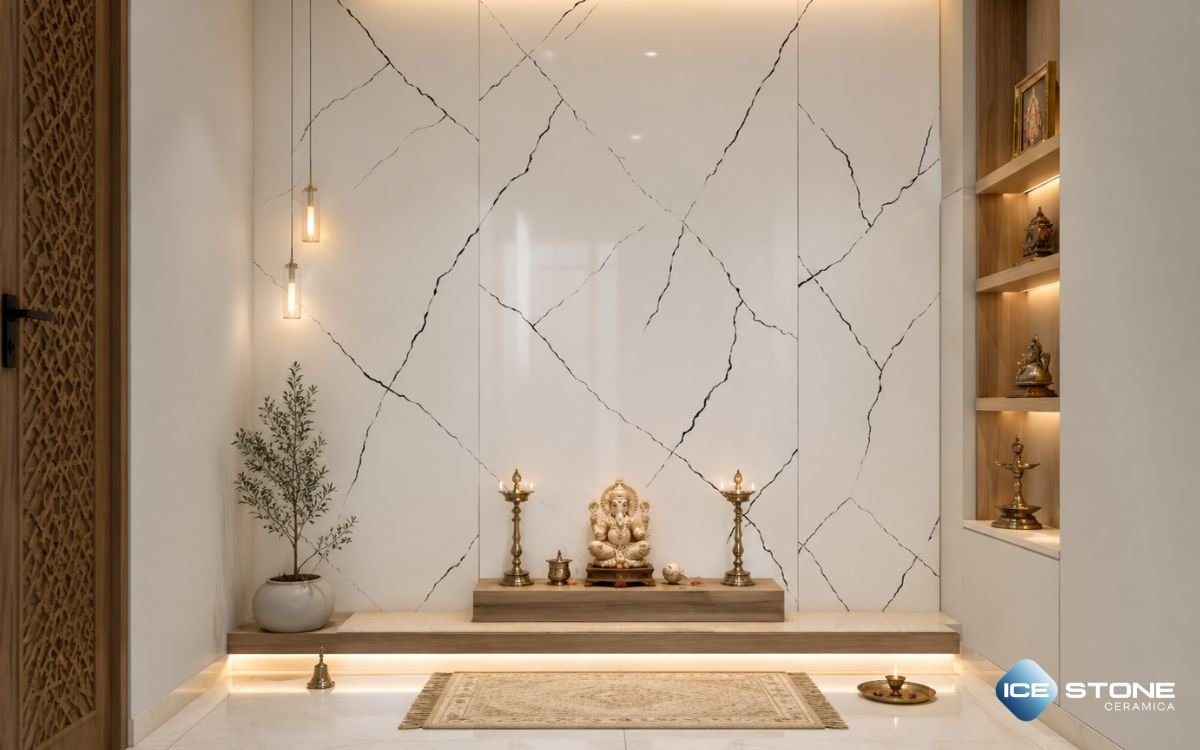
Pooja Room Wall Tiles Design Ideas
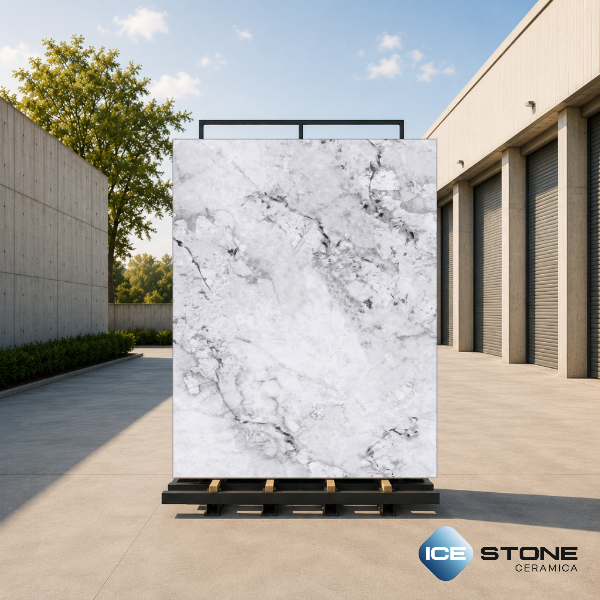
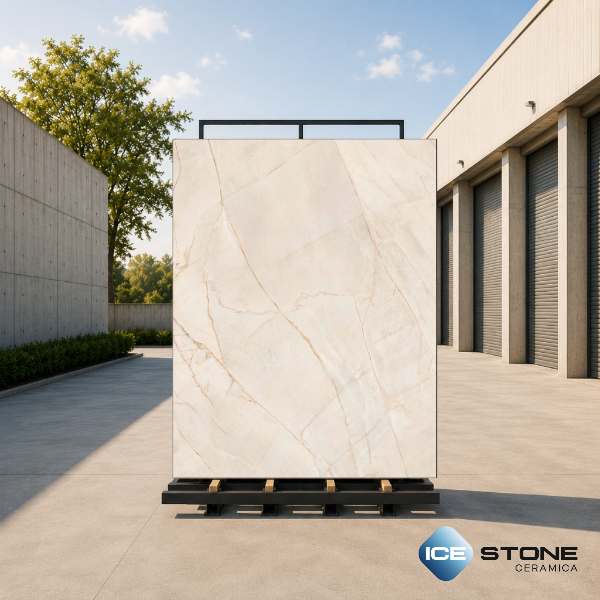
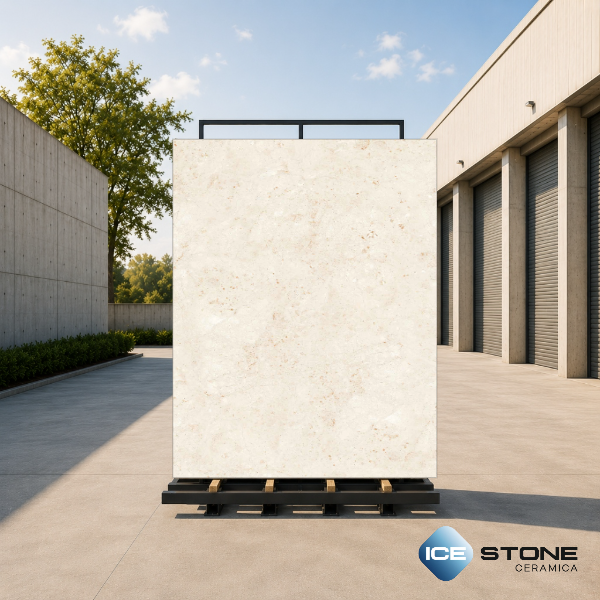
Marble & White-Look Tiles
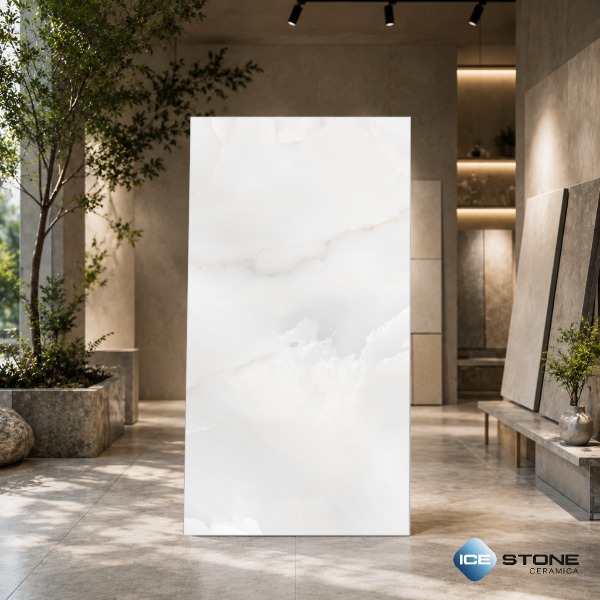
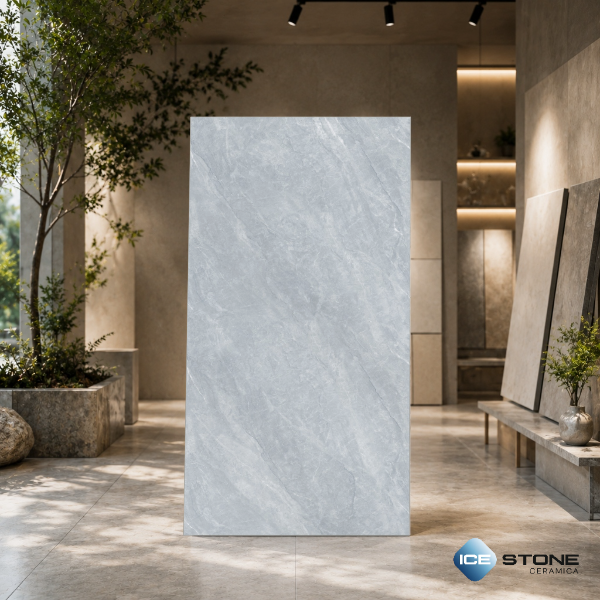
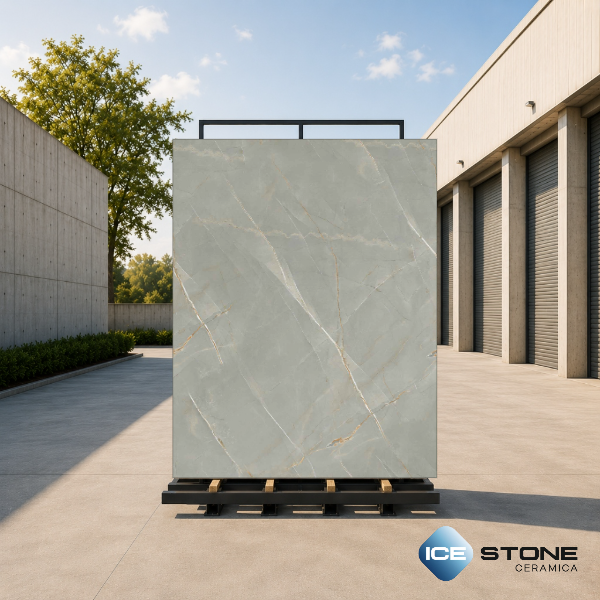
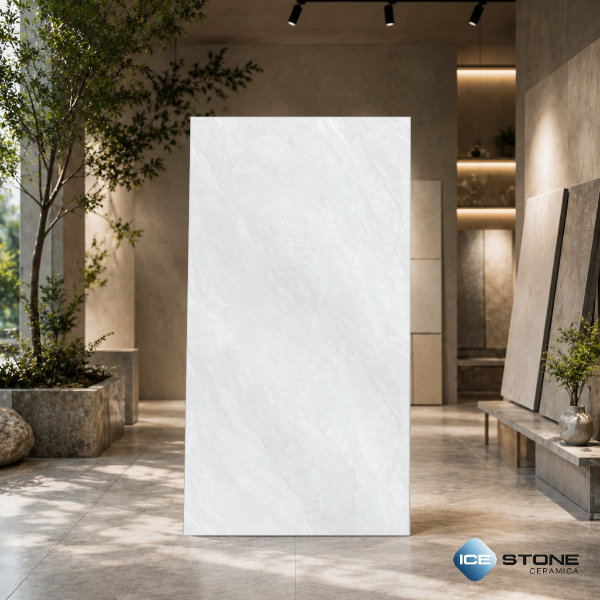
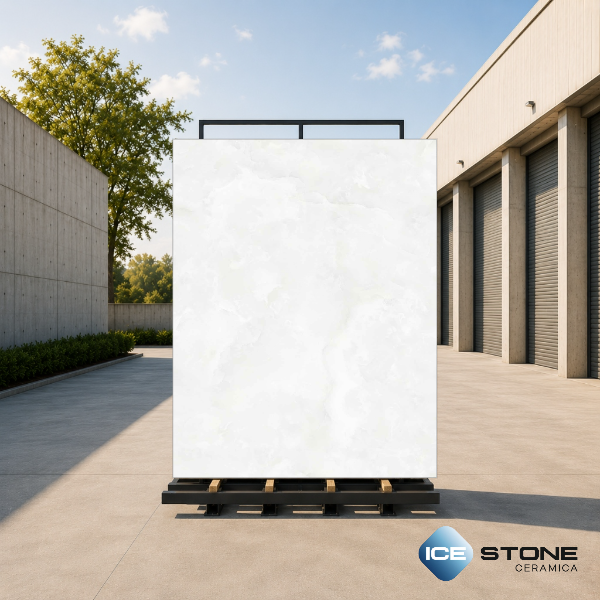
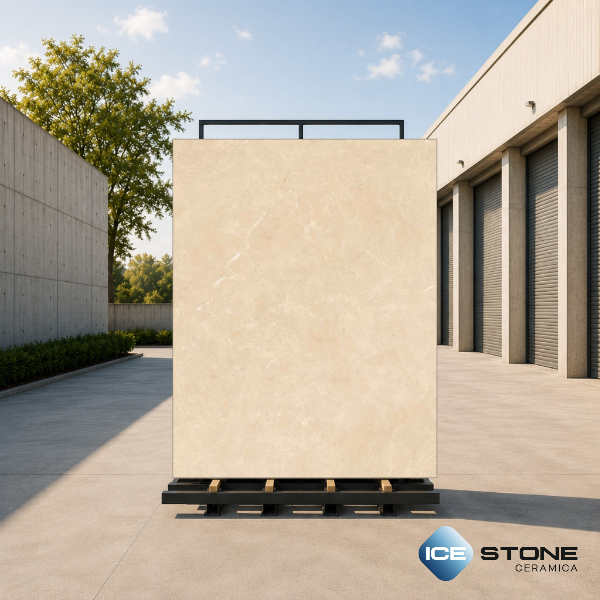
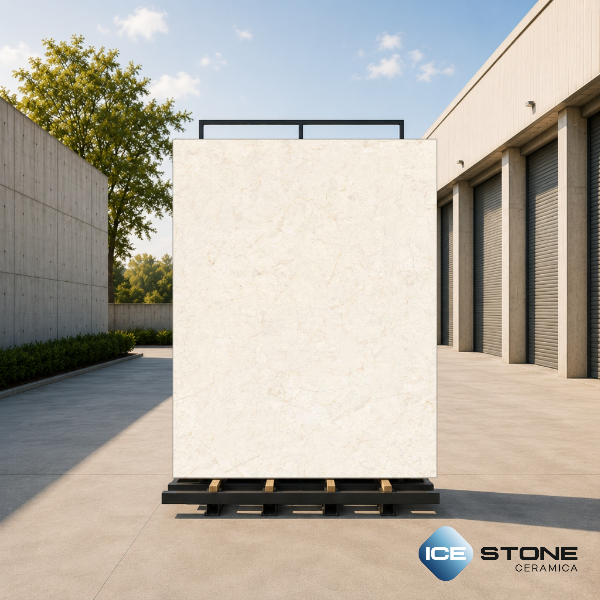
The most common choice for pooja spaces is a clean, bright, calm backdrop that reflects available light well in what’s often a small or low-light corner of the home. White and light marble-look tiles also make gold idols, brass items, and diyas stand out visually against the wall rather than blending in.
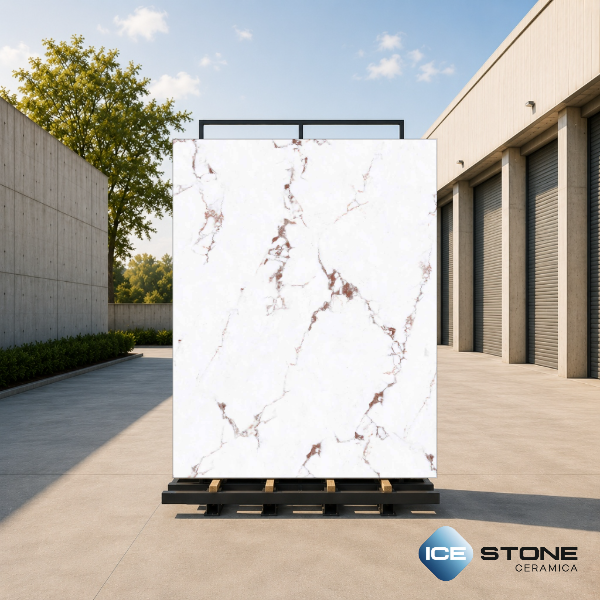
Red & Maroon Tiles
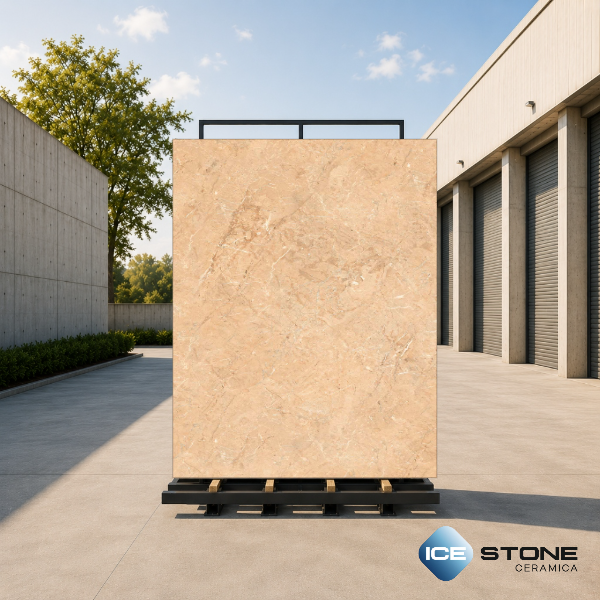
Red holds strong cultural and auspicious significance in Indian homes, and red- or maroon-toned tiles are a frequent choice for pooja walls specifically for this reason—search interest in “pooja room wall tiles in red color” reflects how common this preference is. These tones work especially well combined with gold-accent detailing or a plain marble-look tile bordering the red panel.
Gold-Accent & Temple-Motif Tiles
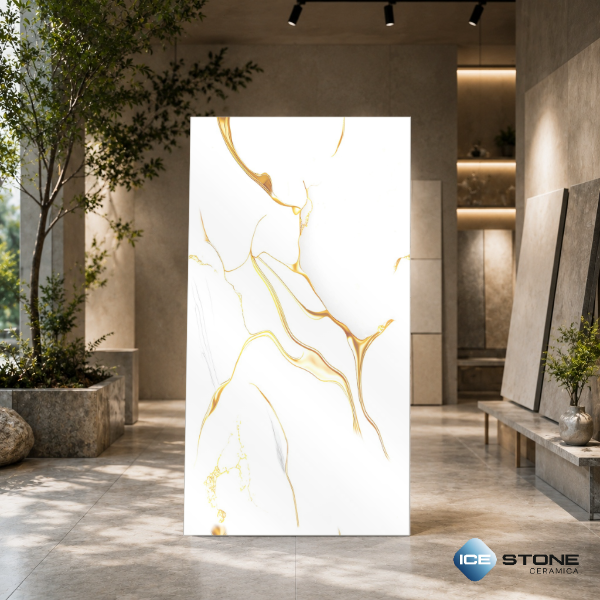
Tiles with subtle gold detailing, lotus motifs, or temple-arch patterns bring a traditional, ornate feel without needing separate wall decor—the tile itself becomes the decorative element behind the idols.
3D Carved Tiles
Raised carved patterns—often floral, mandala, or temple-arch inspired—add dimension to the wall and catch light differently as diya flames flicker, giving the space a more dynamic, handcrafted feel than a flat tile would.
Best Colors for Pooja Room Wall Tiles (Vastu Considerations)
Color choice in a pooja room often follows vastu-conscious preferences more closely than in any other room in the house. White and light marble tones are widely considered calming and are the most common default choice, since they’re associated with purity and work well regardless of the pooja room’s direction. Red and maroon are chosen specifically for their auspicious association in Hindu tradition, often as an accent rather than the entire wall. Gold accents are typically layered onto white or red as detailing rather than used as a dominant tone. Very dark colors and high-gloss black finishes are generally avoided for pooja walls, since they read as heavy and are considered less suited to a space meant to feel light and serene.
If you’re unsure which direction to take, a white or light marble-look base with a red or gold accent panel behind the idol niche is the most commonly chosen combination and works well across different room layouts and directions.
Types of Pooja Room Wall Tiles by Material
| Material | Best For | Notes |
|---|---|---|
| Ceramic | Standard pooja corners and niches | Cost-effective, wide color/design range, easy to wipe clean |
| Vitrified | Larger pooja rooms or dedicated units | Denser finish, holds color well against daily incense/diya use |
| Marble-Look Porcelain | Statement pooja walls | Premium finish, closest visual match to real marble without upkeep |
Since pooja walls face regular soot from diyas and incense, an easy-to-clean glazed surface matters more here than in a purely decorative room like a bedroom accent wall—similar in practice to how our kitchen wall tiles and bathroom wall tiles prioritize easy-clean surfaces for daily residue.
Design Ideas by Pooja Room Type
Dedicated Pooja Room—More wall area to work with, allowing a full marble-look or red-accent wall with a 3D carved centerpiece panel behind the main idol placement.
Corner or Niche Pooja Unit—The most common setup in apartments; a single tiled panel sized to the niche works best, often in white or marble-look to keep the small space feeling open rather than closed-in.
Wall-Mounted Mandir Setup — Tiles installed as a backdrop panel behind a wall-mounted temple unit; a plain or subtly accented tile usually works better here than a busy pattern, since the mandir unit itself is already the visual focus.
Sizes Available
| Size | Typical Use |
|---|---|
| 300×300 mm / 300×600 mm | Small niches, corner pooja units |
| 600×600 mm | Dedicated pooja room walls |
| 2×4 ft | Larger statement walls in spacious pooja rooms |
Smaller formats are generally easier to fit around niche edges, shelf brackets, and idol placement points common in compact pooja corners.
Pooja Room Wall Tiles Finish Options
Matt Finish
Handles daily soot and incense residue without showing marks as visibly as a glossy surface, making it a practical everyday choice for the wall directly behind diyas.
Textured Finish
Suits 3D carved and temple-motif designs, adding a handcrafted feel—though textured surfaces do need slightly more attention when wiping away soot from the recessed detailing.
Glossy Finish
Gives marble-look and white tiles a brighter, more reflective look that works well in naturally low-light pooja corners, though it shows soot and water-spot marks more readily and needs more frequent cleaning.
Pooja Room Wall Tiles Price
Pricing depends mainly on material and design detailing rather than any special weather or water-resistance requirement:
| Tile Size | Price (₹/Sq. Ft.) |
|---|---|
| 300 × 600 mm | ₹67 – ₹75 |
| 600 × 1200 mm | ₹62 – ₹81 |
| 1200 × 1800 mm | ₹120 – ₹140 |
Since most pooja spaces are a single small wall or niche, the total project cost is usually low even with a premium marble-look or carved design. Share your wall or niche dimensions for an exact quote.
How to Choose the Right Pooja Room Wall Tile
- Start with the idol niche placement—measure around the exact spot where idols, diyas, and the mandir unit will sit before finalizing tile layout
- Pick a base tone first—decide white/marble vs red/maroon as the dominant color, then layer gold or carved accents on top
- Prioritize cleaning ease — since this wall faces daily diya and incense use, matte or glossy ceramic/vitrified tiles are easier to maintain than heavily textured ones
- Consider available light—a naturally dim pooja corner benefits from lighter, brighter tones or a glossy finish to reflect what light is available
- Keep the design calm rather than busy—a single accent panel or border usually works better than covering the entire wall in an ornate pattern
Installation & Maintenance Tips
- Wipe the wall regularly with a soft, dry or slightly damp cloth to remove diya soot before it builds up and becomes harder to clean
- Avoid harsh chemical cleaners near idle placement areas—a mild detergent solution is usually enough for ceramic, vitrified, or marble-look surfaces
- For 3D carved or heavily textured tiles, a soft brush helps clear soot from recessed detailing that a cloth alone might miss
- Standard interior tile adhesive and grout are sufficient—pooja walls don’t need the weatherproof materials an outdoor wall or balcony wall would require
Pooja Room Wall Tiles vs Plain Paint or Wallpaper
Paint is the cheaper, faster option, but it discolors noticeably faster than tile when exposed to daily diya smoke and incense—a painted pooja wall often needs repainting within a couple of years to stay looking clean. Wallpaper fares even worse in this environment, since soot and occasional water from flower offerings can stain or peel it. Tiles, particularly matt or glossy ceramic and vitrified options, wipe clean easily and hold their color for years, which is why tiling remains the more practical long-term choice for the one wall in the house that needs to stay looking calm and clean every single day.
Buying Checklist
- Measure the exact niche, corner, or wall area before ordering—pooja spaces are rarely a simple full wall
- Decide the base color (white/marble vs red/maroon) before choosing accent or carved details
- Request a free sample to check how the tone looks under your pooja corner’s actual lighting
- Confirm delivery timeline for your city
- If the space connects visually to your living room, bedroom, or entryway, consider a tone that complements the adjoining area