

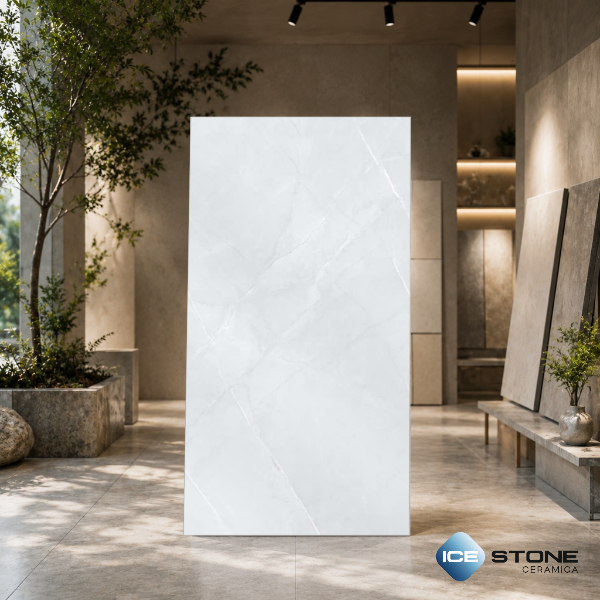
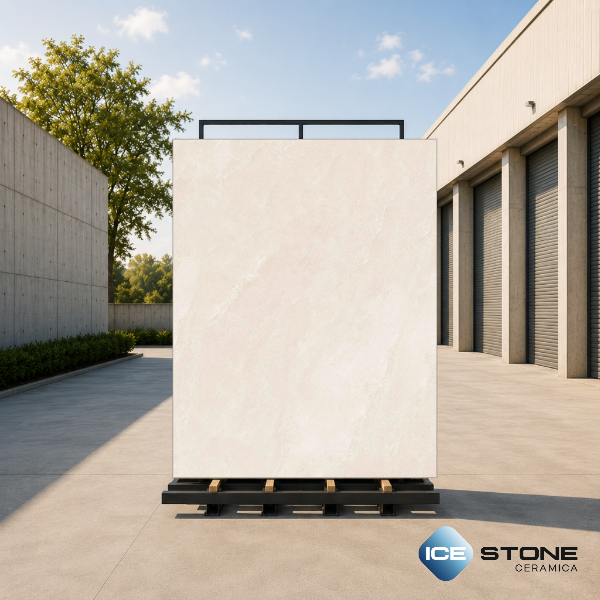
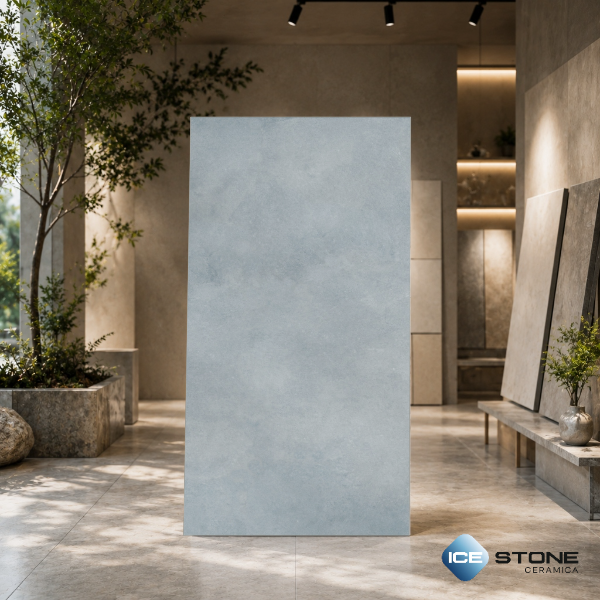
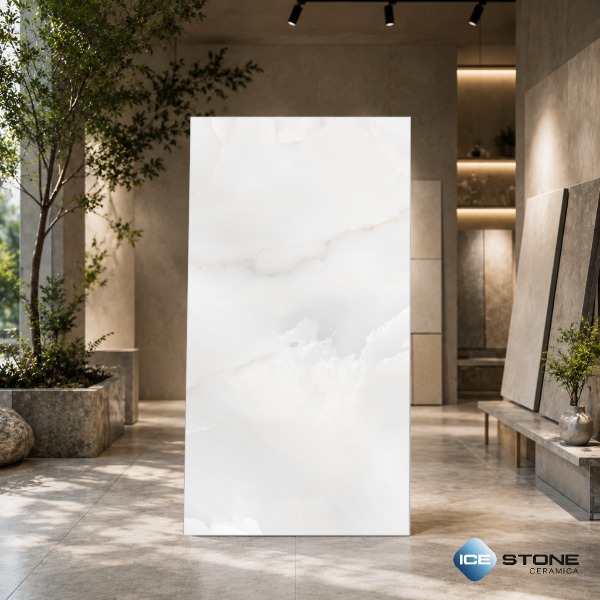
Buy Bathroom Floor Tiles Online
A bathroom floor works harder than almost any other surface in the home — it stays wet for hours after every shower, takes daily foot traffic in bare feet, and has to stay safe as well as good-looking. Icestone Ceramica’s bathroom floor tile collection is built around that reality: low water absorption, slip-resistant finishes, and designs that hold up to years of daily moisture without losing their shine or their grip. Explore our full range of Buy Premium Floor Tiles Online at Best Prices in India for every other room in the home.
Whether you’re flooring a compact guest bathroom or a spa-style master bath, the right bathroom floor tile comes down to three things — safety, water resistance, and a finish that matches the rest of the room.
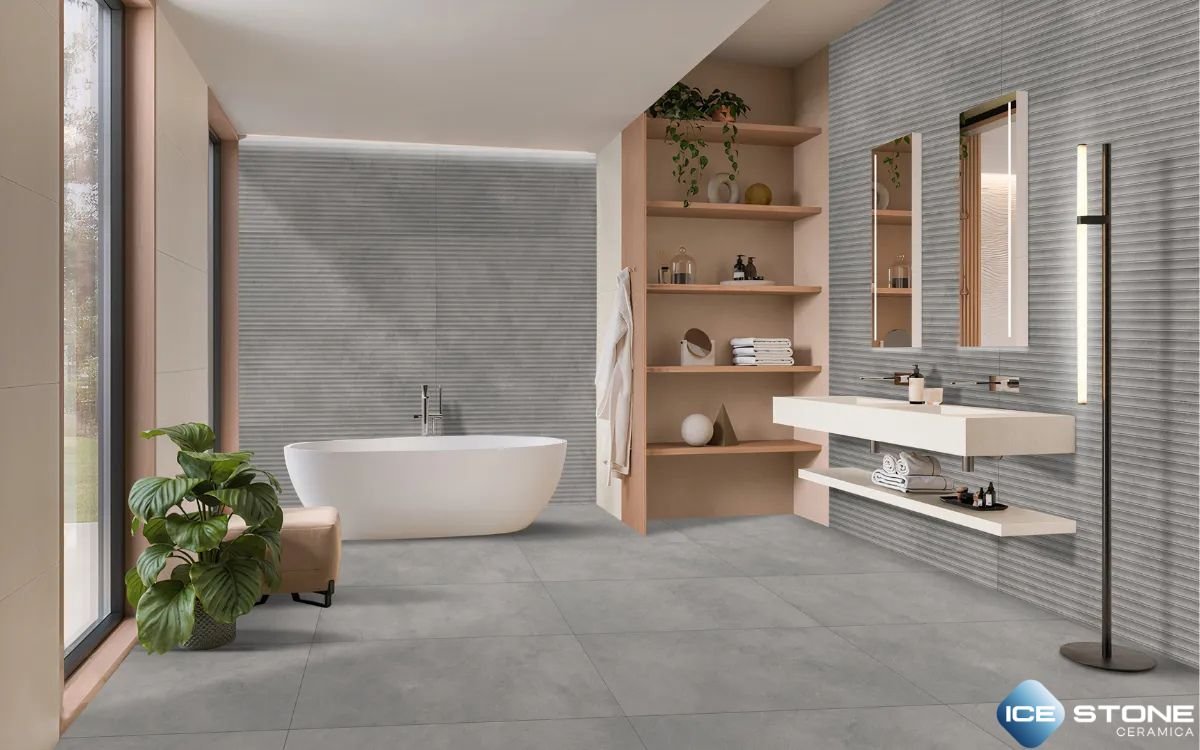
What Makes a Good Bathroom Floor Tile?
A good bathroom floor tile has low water absorption, a slip-resistant surface, and enough density to resist staining from soap, shampoo, and everyday grime. Porcelain and vitrified tiles are the standard choice because their dense, low-porosity body barely absorbs water — unlike more porous ceramic tiles, which can stain or discolour over time in a consistently damp environment.
Slip resistance matters just as much as water resistance. A tile rated for bathroom floors typically carries a matt, textured, or anti-skid finish rather than a high-gloss one, since a wet glossy surface becomes genuinely dangerous underfoot.
Bathroom Floor Tiles Design
Bathroom Floor Tiles Design for Small Bathrooms
In a small bathroom, tile choice does more visual work than in any other room — the wrong design can make a compact space feel cramped, while the right one opens it up. Light-toned tiles in white, cream, or soft grey reflect more light and make a small footprint read as larger. Sticking to a single tile size across the floor, rather than mixing formats, also keeps a small bathroom feeling continuous instead of chopped up. Non-slip finishes remain essential here too — small bathrooms see the same water exposure as large ones, just in a tighter space where a slip is more likely to end near a hard fixture.
Patterned & Herringbone Bathroom Floor Tiles
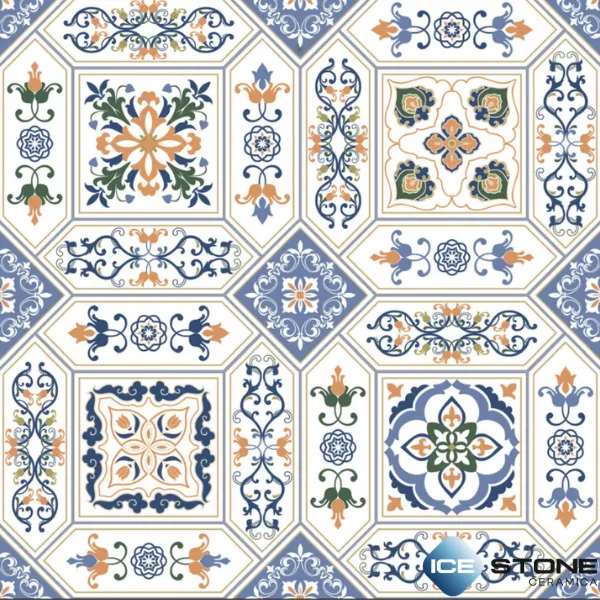
Patterned tiles — geometric repeats, herringbone layouts, encaustic-style prints — work well in bathrooms as a feature rather than a floor-wide statement. A herringbone layout in a neutral tone adds visual texture without competing with wall tiles or fixtures, and patterned tiles are often used to define a specific zone, like a shower recess, while the rest of the floor stays in a plain, complementary finish.
3D Bathroom Floor Tiles
3D-effect tiles use raised or printed texture to create visual depth — a subtle ripple, a stone-grain relief, or a geometric raised pattern. In a bathroom, this kind of texture often does double duty: the same surface irregularity that creates the 3D effect also improves grip underfoot, making these tiles a reasonable option for wet zones as long as the texture isn’t so aggressive that it becomes hard to clean.
Bathroom Wall and Floor Tiles Combinations
Pairing wall and floor tiles thoughtfully is what makes a bathroom look designed rather than assembled from separate purchases. A common approach: keep the floor in a slightly darker or more textured tone than the walls, since floors show water spots and wear faster, and let a lighter wall tile brighten the room from eye level up. Matching the undertone — warm beige floor with warm-white walls, or cool grey floor with cool-white walls — keeps the whole room feeling like one cohesive space rather than two different decisions stacked on top of each other.
Anti-Skid & Non-Slip Bathroom Floor Tiles
Why Slip Resistance Matters in Bathrooms
Bathrooms are one of the few rooms in a home where the floor is wet for a meaningful part of every day, which makes slip resistance a genuine safety requirement rather than a design preference. Anti-skid tiles achieve their grip through surface texture — a matt glaze, a fine sand-like finish, or a textured pattern — that increases friction between a wet foot and the tile surface. This matters most for households with children or elderly members, but it’s worth prioritising in any bathroom.
Glossy tiles are best avoided on bathroom floors specifically because their smooth, reflective surface loses grip almost entirely once wet — the same shine that makes them attractive in a living room becomes a liability here. If you want a glossy look somewhere in the bathroom, keep it to the walls and choose a matt or textured finish for the floor.
Rough & Textured Bathroom Floor Tiles
Rough and heavily textured tiles push slip resistance further than a standard matt finish, and they’re commonly used in wet zones that see the most direct water exposure — shower floors, walk-in wet areas, or bathrooms attached to pools and gyms. The tradeoff is cleaning: a more heavily textured surface can hold onto soap scum and grime in its grooves, so it needs slightly more regular cleaning than a smooth matt tile to stay looking fresh.
Bathroom Floor Tiles by Material
Porcelain Bathroom Floor Tiles
Porcelain tiles are the most recommended material for bathroom floors because of their very low water absorption — a fired, dense clay body that barely lets moisture in, even under years of daily exposure. That density also makes them resistant to staining from soap and shampoo residue, which keeps a bathroom floor looking new for much longer than a more porous material would.
Ceramic Bathroom Floor Tiles
Ceramic tiles are a lighter-weight, more budget-friendly option for bathroom floors, best suited to lower-traffic bathrooms like guest baths rather than a primary family bathroom used multiple times a day. They come in a wide range of colours and finishes, but their higher porosity compared to porcelain means they benefit from a good seal and more attentive cleaning over time.
Stone-Look Bathroom Floor Tiles
Stone-look tiles recreate the texture of natural slate or limestone in a porcelain or vitrified body, giving a bathroom an earthy, spa-like character without the sealing and staining upkeep that real natural stone demands in a wet room. The naturally uneven surface texture of most stone-look designs also helps with grip, making them a practical choice for bathrooms as well as a stylish one.
Mosaic Bathroom Floor Tiles
Mosaic tiles are made up of small individual pieces, which means far more grout lines per square foot than a standard tile — and more grout lines translate directly into better slip resistance, since grout itself has more grip than a glazed tile surface. This is why mosaic remains a popular choice specifically for shower floors and other high-water-exposure zones within a bathroom.
Bathroom Floor Tiles by Colour
Grey Bathroom Floor Tiles
Grey bathroom floor tiles — including deeper charcoal-grey tones — are one of the most requested colours for this room because grey hides water spots, soap residue, and daily grime noticeably better than a lighter shade, while still reading as clean and contemporary.
White Bathroom Floor Tiles
White bathroom floor tiles, along with softer cream variants, remain the go-to choice for smaller bathrooms where making the space feel brighter and larger matters more than hiding daily marks. They pair well with almost any wall tile colour, which makes them a safe long-term choice if you plan to update other elements of the bathroom later.
Black Bathroom Floor Tiles
Black bathroom floor tiles create a bold, high-contrast look, usually paired with white or light-toned walls and fixtures for a striking finish. They work particularly well in larger bathrooms and ensuite spaces where the goal is a more premium, hotel-like appearance rather than a bright, airy one.
Blue Bathroom Floor Tiles
Blue bathroom floor tiles bring a cooler, more distinctive tone into the room, often used to echo a coastal or spa-inspired design direction. They work best as part of a considered colour scheme rather than a default choice, since blue reads more strongly than a neutral tone and should be planned alongside the wall tiles and fittings.
Bathroom Floor Tile Sizes
Bathroom floors are generally smaller and more irregularly shaped than living rooms or bedrooms, which affects the ideal tile size. Smaller and mid-format tiles — 2×2 feet (600×600mm) and below — remain the most practical choice for most bathrooms, since they need fewer cuts around fixtures like the toilet, washbasin pedestal, and shower drain. Larger formats can work in more spacious bathrooms, but they demand more precise cutting around fittings, which adds to installation time and wastage in a smaller room.
Bathroom Floor Tiles Price
Bathroom Floor Tiles Price List
| Tile Size | Approximate Price Range (Per Sq. Ft.) |
|---|---|
| 300×300 mm | ₹45–₹65 |
| 400×400 mm | ₹70–₹75 |
| 600×600 mm | ₹78–₹90 |
| 600×600 mm (anti-skid/textured) | ₹85–₹110 |
Prices vary by design, finish, and collection. Check individual product pages for current pricing.
Factors Affecting Bathroom Tile Price
Anti-skid and heavily textured finishes generally cost more than a standard matt tile of the same size, since achieving reliable slip resistance requires a more involved manufacturing process. Smaller, budget-friendly tiles in plain colours remain the most economical choice for lower-visibility bathrooms, while stone-look or mosaic designs sit at the higher end of the range due to their more detailed surface work.
How to Choose the Right Bathroom Floor Tile
Choose by Bathroom Size
Smaller bathrooms benefit from smaller-to-mid-format tiles and lighter colours that open up the space, while larger bathrooms have more flexibility to use bigger formats and bolder colours without the room feeling cramped.
Choose by Slip Resistance
Prioritise a matt, textured, or anti-skid finish over a glossy one for any bathroom floor — this single choice affects safety more than any other decision on this list, regardless of which colour or design you land on.
Choose by Colour & Design
Match the floor tone to how much daily wear the bathroom will see: darker or textured tiles for a busy family bathroom that needs to hide marks, lighter tiles for a guest bathroom where brightness and a sense of space matter more.
Bathroom Floor Tile Cleaning & Maintenance
How to Clean Bathroom Floor Tiles
Regular sweeping to remove loose dirt, followed by mopping with a pH-neutral tile cleaner, keeps most bathroom floor tiles in good condition. Porcelain and vitrified tiles need very little beyond this thanks to their low porosity, while more heavily textured or mosaic tiles benefit from an occasional scrub with a soft brush to clear grime out of the grout lines and surface texture.
Removing Stains from Bathroom Floor Tiles
Soap scum and hard-water stains are the most common marks on a bathroom floor, and they usually respond well to a mild vinegar-water solution or a dedicated soap-scum remover, applied and left for a few minutes before scrubbing gently. Avoid abrasive scouring pads on glazed tiles, since they can dull the surface finish over time even if they successfully remove a stain.