


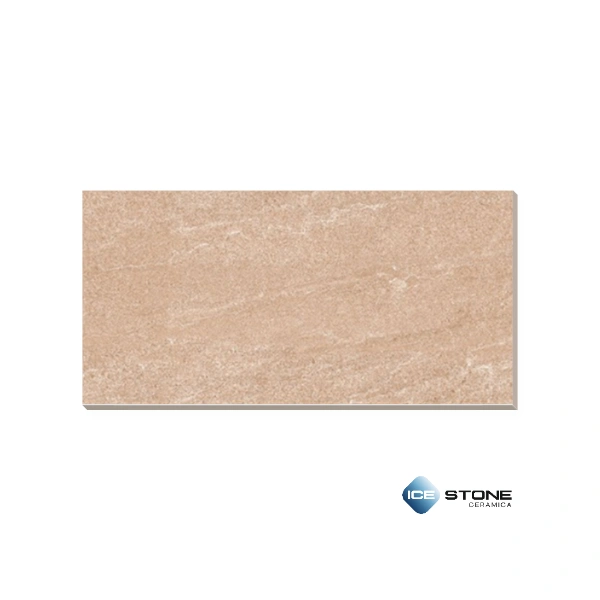
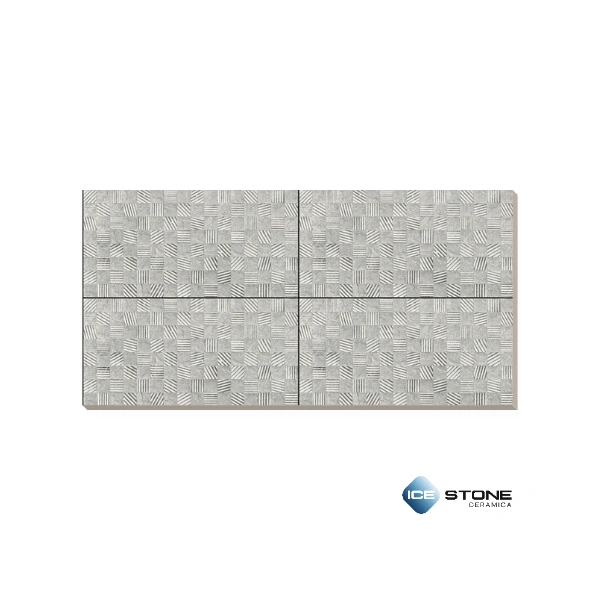
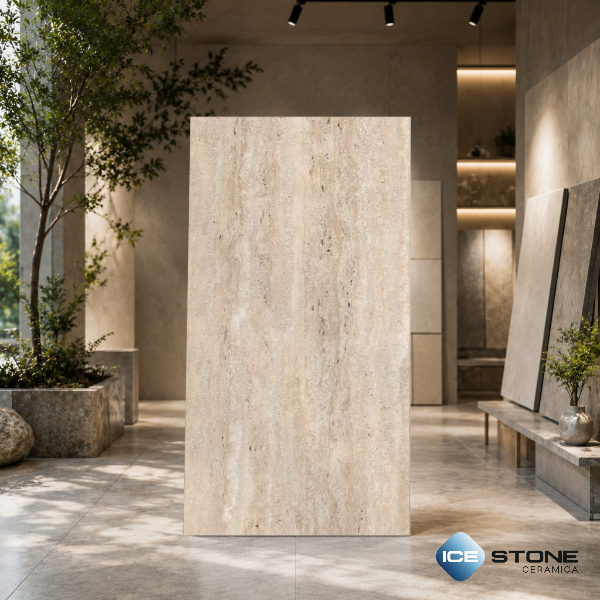
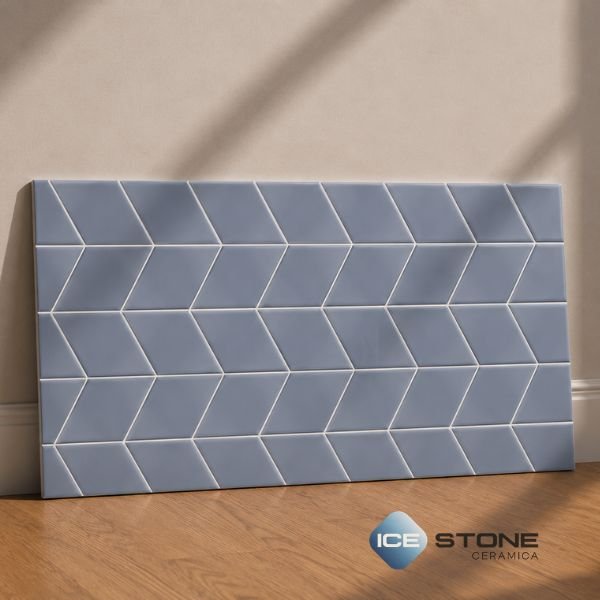
Tiles cover more square footage in a home than almost any other material. Floors, walls, kitchens, bathrooms, balconies, and even building exteriors can carry tile. That range is why choosing one feels overwhelming: the same word covers a large slab for a lobby floor and a small mosaic piece for a kitchen backsplash.
This guide from Icestone Ceramica breaks tiles down the way you’ll actually shop for them: by space, material, area, size, finish, and design, plus color. Each section explains what the category means, where it works, and what to check before you buy. You’ll find our full range across every category at icestoneceramica.com/tiles, with pan-India shipping and a showroom in Bangalore.
How to use this guide
Start with the room. A bathroom floor and a bathroom wall need different tiles even in the same room. Then narrow by material and size. Finish and color come last, since they depend on light, foot traffic, and the mood you want.
If you’re renovating, read the area-specific sections first. If you’re building new and choosing materials at the planning stage, start with the material section. And if you already know your room dimensions, run them through our tile calculator or area calculator to get an instant estimate before you order.
Wall tiles or floor tiles: how to tell which one you need
The first split in any tile purchase is wall or floor. They are not interchangeable.
Wall tiles
Wall tiles sit on a vertical surface and never carry foot traffic. That means they can be thinner, lighter, and more decorative than floor tiles. Manufacturers make wall tiles with more elaborate glazes, sharper patterns, and higher gloss because scratch resistance matters less.
Common wall tile uses: kitchen backsplashes, bathroom walls, shower enclosures, accent walls in living rooms, and elevation cladding on building exteriors.
Wall tiles usually range from 6mm to 8mm thick. They cost less to produce and install than floor tiles of the same size, since the surface doesn’t need to withstand compressive load or abrasion.
Check the water absorption rating before buying wall tiles for a shower or splash zone. A tile rated for dry walls only will absorb moisture and eventually crack or grow mold behind the surface.
Floor tiles
Floor tiles carry weight, foot traffic, and repeated impact. They’re denser, thicker (usually 8mm to 10mm or more), and rated by PEI (Porcelain Enamel Institute) scale for abrasion resistance. A PEI rating of 3 works for light residential traffic. Commercial spaces need PEI 4 or 5.
Floor tiles also carry a slip resistance rating, measured as a coefficient of friction (COF). Wet areas like bathrooms and outdoor patios need a COF of 0.6 or higher. A glossy floor tile with a low COF in a bathroom is a fall risk regardless of how it looks in a showroom.
Never install a wall tile on a floor. It will crack under load within a year, sometimes within months in high-traffic areas.
Ceramic, porcelain, or vitrified: which material fits your space
Material determines strength, water resistance, cost, and how the tile ages. Icestone Ceramica stocks all three core categories below, browsable at icestoneceramica.com/tiles or filtered directly by material.
Ceramic tiles
Ceramic tiles are made from clay, fired at lower temperatures than porcelain, and usually glazed on top. The glaze carries the color and pattern; the clay body underneath is more porous.
Ceramic costs less than porcelain, typically 20% to 40% less per square foot depending on the brand and finish. It’s easier to cut, which lowers installation labor cost too.
The tradeoff is durability. Ceramic tile chips reveal a different color underneath the glaze, and the body absorbs more water (usually 3% to 7% water absorption, sometimes higher). That makes ceramic a strong choice for walls and light-traffic floors, but a weak choice for high-traffic commercial floors or exterior use in freeze-thaw climates.
Good for: kitchen backsplashes, bathroom walls, low-traffic residential floors, budget renovations.
Porcelain tiles
Porcelain tiles are a denser form of ceramic, made from more refined clay and fired at higher temperatures (around 1200°C to 1300°C versus 1000°C to 1150°C for standard ceramic). The result is a tile with water absorption under 0.5%, which qualifies it as “impervious” by industry standards.
Porcelain costs more than ceramic but handles far more abuse. It resists chipping, scratching, and moisture penetration. Many porcelain tiles are “through-body” or “full-body,” meaning the color and pattern run through the entire thickness of the tile, so a chip doesn’t reveal a different color underneath.
Good for: high-traffic floors, outdoor areas, bathrooms, kitchens, commercial spaces, and anywhere moisture or heavy use is a factor.
Vitrified tiles
Vitrified tiles go through a process called vitrification, where silica and clay are fused at high heat and pressure until they become almost glass-like. This is common terminology in the Indian market, where vitrified tiles are often treated as a distinct category from porcelain, though the two overlap significantly in manufacturing process.
Vitrified tiles have very low porosity, high strength, and strong stain resistance. They come in several sub-types: double charge (pattern printed twice for depth), full body (pattern runs through the tile), soluble salt (pattern applied through salt solutions for a marble-like look), and glazed vitrified tiles (GVT).
Good for: large-format flooring, homes and commercial spaces where stain resistance and low maintenance matter, and marble-look flooring at a lower cost than real stone.
Best Tile Price in India
Tile prices in India change mainly by size, along with material, finish, and design. Here’s a realistic starting range by size so you can budget before you shop.
| Tile Size | Approx. Price (₹/Sq. Ft.) |
|---|---|
| 300 × 600 mm | ₹67 – ₹75 |
| 400 × 400 mm | ₹70 – ₹85 |
| 600 × 600 mm | ₹55 – ₹83 |
| 600 × 1200 mm | ₹62 – ₹81 |
| 1200 × 1800 mm | ₹125 – ₹150 |
Note: Prices vary depending on material, design, finish, and collection. Check individual product pages or contact our team for current pricing.
These ranges cover standard Indian retail pricing and move up for imported designs, metallic finishes, or large-format slabs that need specialist handling during installation. Bulk orders for full homes or commercial projects usually bring the per-square-foot cost down, so it’s worth getting a project quote instead of pricing tile by tile.
The right tile for every room in your home
Different rooms put different demands on a tile: moisture, grease, foot traffic, temperature swings, or all of them at once. Icestone Ceramica organizes tiles by room so you can shop for your specific space directly.
Kitchen tiles
Kitchen tiles on the floor need stain resistance, since spills happen daily, and slip resistance near the sink and stove. Porcelain or vitrified tiles in a matte or textured finish work best on kitchen floors.
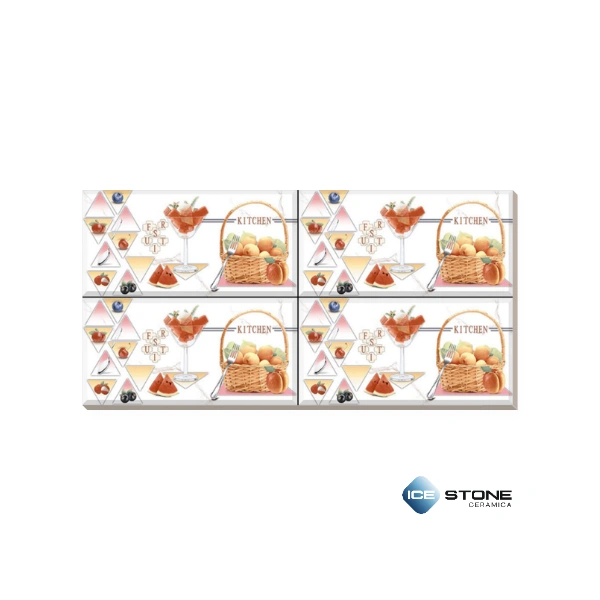
Kitchen walls, especially the backsplash behind the stove, need heat resistance and easy cleaning. Glossy ceramic or glass tiles are common here because grease wipes off a smooth glazed surface more easily than a textured one.
Bathroom tiles
Bathroom tiles combine wet floors, standing water risk, and constant humidity. Floor tiles need a COF of 0.6 or above. Wall tiles, especially in the shower, need low water absorption to prevent moisture from seeping behind the surface.
Small bathrooms often use lighter tile colors and larger format tiles to reduce the number of grout lines, which can make a small room look more open.
Living room tiles
Living room tiles don’t face moisture the way kitchens and bathrooms do, so the priority shifts to appearance and comfort underfoot. Large-format porcelain or vitrified tiles in wood-look or marble-look finishes are common, since living rooms are where design choices show the most.
Matte and satin finishes are more popular than high gloss in living rooms, partly because gloss floors show dust and footprints more visibly.
Bedroom tiles
Bedroom tiles prioritize warmth and quiet underfoot over durability, since foot traffic is lower than in shared spaces. Matte finishes are common because they feel warmer than gloss and don’t reflect glare from windows.
Balcony tiles
Balcony tiles face sun, rain, and temperature swings. Tiles here need to be rated for outdoor or semi-outdoor use, with water absorption low enough to resist cracking from freeze-thaw cycles in cold climates. Textured or anti-skid finishes are standard, since balconies get wet and can be walked on in bare feet.
Outdoor tiles
Outdoor tiles, for patios, walkways, and pool decks, need the highest slip resistance of any category, along with UV resistance so color doesn’t fade. Frost resistance matters in cold climates. Many outdoor tiles are unglazed or lightly textured to maximize grip.
Parking tiles
Parking tiles need to be rated for heavy load, since vehicles apply far more pressure than foot traffic. Vitrified or heavy-duty porcelain tiles with high PEI ratings and thick bodies (often 10mm or more) are standard. Slip resistance still matters, since parking areas get wet from vehicle runoff and weather. Icestone Ceramica covers this in more detail in our parking tiles guide and our heavy duty car parking tiles post.
Commercial tiles
Commercial tiles for offices, retail stores, and lobbies need to handle constant foot traffic and easy maintenance. PEI rating of 4 or 5 is standard. Large-format tiles reduce grout lines, which lowers cleaning time and looks more polished at scale. See our guides on commercial tiles for office spaces and tiles for office floors for a deeper walkthrough.
Elevation tiles
Elevation tiles cover a building’s exterior facade. They need to handle direct sun, rain, and temperature extremes without fading or cracking. Textured, stone-look, or brick-look tiles are common for elevation work, since the goal is often to mimic natural stone or brick at a lower cost and weight.
Garden tiles
Garden tiles cover pathways, borders, and outdoor seating areas. They need weather resistance and slip resistance similar to outdoor and balcony tiles, but design flexibility is higher since gardens often mix tile with plants, gravel, and wood.
Restaurant tiles
Restaurant tiles face grease, spills, and heavy foot traffic during service hours. Anti-skid, stain-resistant vitrified or porcelain tiles are standard in kitchens and dining areas alike. Restaurant walls, especially near open kitchens, often use tiles rated for high heat exposure.
Hospital tiles
Hospital tiles need to resist bacteria growth, which means low porosity and minimal grout lines, since grout can trap moisture and bacteria. Antimicrobial-glazed tiles are increasingly common in this category. Slip resistance is critical given the number of people walking hospital floors in soft-soled shoes.
Dining room tiles
Dining room tiles sit between kitchen and living room in terms of demands: some stain risk from food and drink, but also a design focus since it’s a space for entertaining. Mid-gloss or satin finishes in neutral or stone-look designs are common choices.
Terrace tiles
Terrace tiles face similar conditions to balconies and outdoor spaces: sun, rain, and temperature swings, but often over a larger area. Textured, slip-resistant porcelain or vitrified tiles are standard, often in wood-look or stone-look finishes to create an outdoor living feel.
Pooja room tiles
Pooja room tiles often use marble-look or light-colored designs to create a calm, clean visual tone. Since foot traffic is minimal and the space is usually small, design and finish take priority over heavy-duty durability ratings.
Bar tiles
Bar tiles deal with spills, both wet and sticky, so stain resistance and easy cleaning are the top priorities. Dark colors or patterned tiles are common choices here, since they hide stains better than light, plain surfaces.
Tile sizes explained: from small format to large slabs
Tile size affects installation cost, the number of grout lines, and how a room reads visually. Icestone Ceramica carries the full range below.
2×2 feet tiles (600x600mm)
2×2 feet tiles are one of the most common floor tile sizes worldwide. They balance a large-format look with manageable handling and cutting during installation. Works well in living rooms, bedrooms, and commercial floors.
2×4 feet tiles (600x1200mm)
2×4 feet tiles are a larger format that further reduces grout lines and creates a more seamless floor appearance. Popular in modern homes and commercial spaces aiming for a minimal, expansive look. Installation requires a flatter subfloor, since large tiles show unevenness more than small ones.
16×16 inches (400x400mm) tiles
16×16 inches tiles are a mid-size option, common in kitchens, bathrooms, and smaller rooms where a 2×2 foot tile would need too much cutting near walls and corners.
300x600mm tiles
300x600mm tiles are common for both walls and floors, especially in bathrooms and kitchens. The rectangular shape works well for subway-style layouts on walls and standard grid layouts on floors.
1200x1800mm tiles
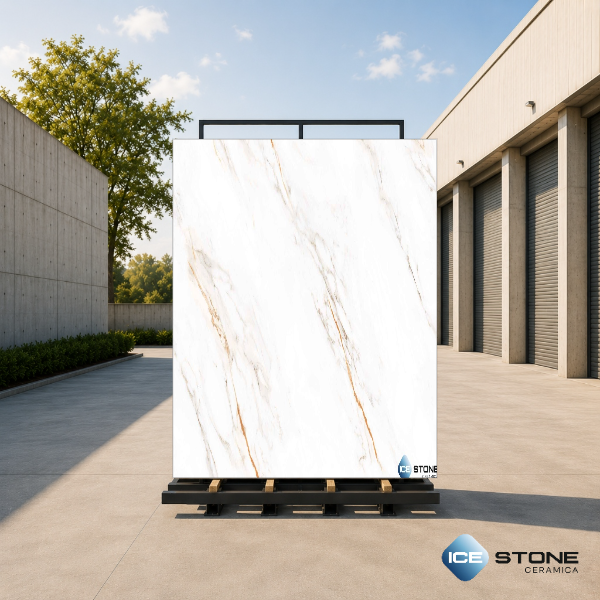
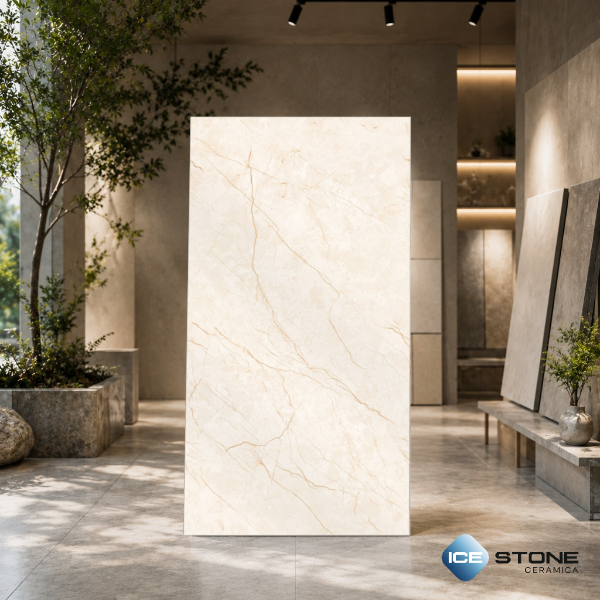
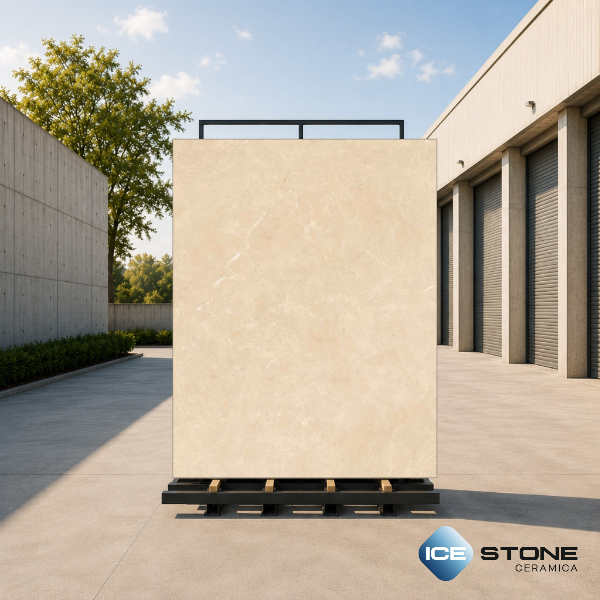
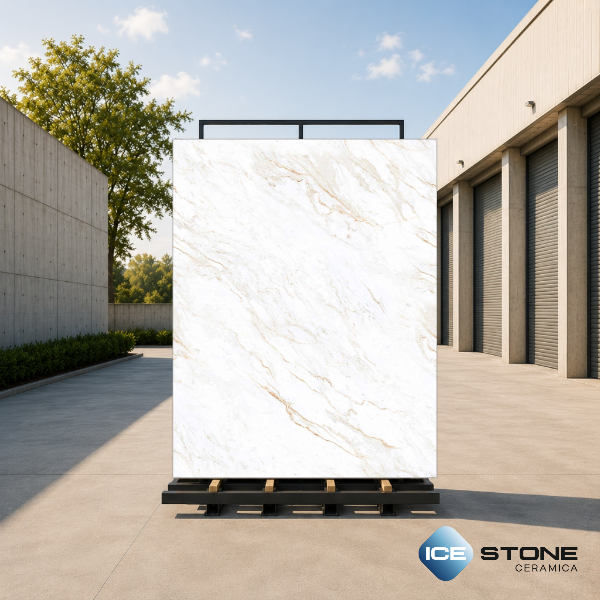
1200x1800mm tiles are large-format slabs, often used for statement floors, large open living areas, or as a marble alternative for countertops and feature walls. Icestone Ceramica’s slab collection is built for exactly this: modern residential and commercial interiors that want a seamless look. These require professional installation due to weight and the risk of breakage during handling.
General rule: larger rooms can handle larger tiles without looking empty. Small rooms often benefit from mid-size tiles, since oversized tiles in a small space require heavy cutting and waste material.
Glossy, matte, or textured: choosing a finish that works
Finish changes how light interacts with the tile surface, which affects both appearance and slip resistance.
Glossy tiles
Glossy tiles have a reflective, shiny surface. They make rooms feel brighter, since they bounce light around, and they photograph well. The tradeoff: gloss shows scratches, footprints, and dust more visibly than matte finishes, and it’s more slippery when wet.
Best for: walls, low-traffic floors, and rooms that need to feel brighter.
Matt tiles
Matt tiles have a non-reflective surface. They hide scratches and footprints better than gloss and generally offer better slip resistance. They read as more understated and are common in modern interior design.
Best for: floors, high-traffic areas, bathrooms, and outdoor spaces.
High gloss tiles
High gloss tiles carry an even more reflective finish than standard glossy, often used for statement walls or floors in upscale interiors. They need more frequent cleaning to maintain their shine, since every mark shows.
Carving tiles
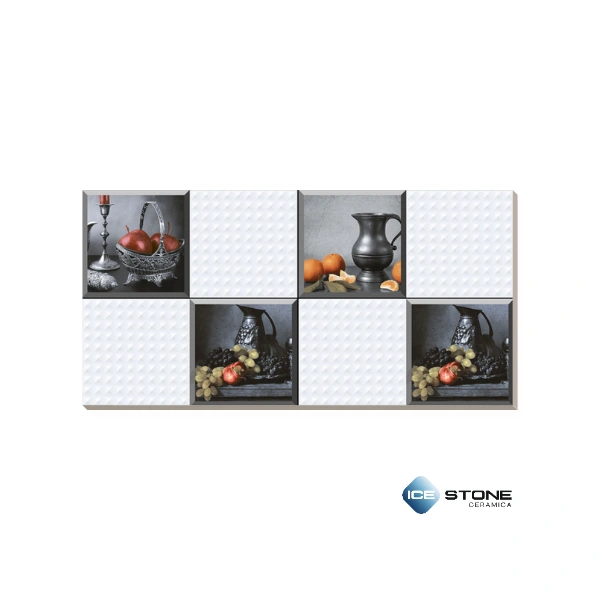
Carving tiles have a raised or engraved pattern pressed or cut into the surface, adding texture and depth. Common on accent walls and elevation cladding, where the goal is a 3-dimensional visual effect rather than a flat printed pattern.
Rustic tiles
Rustic tiles mimic the uneven, weathered look of natural stone or aged materials. The surface often has visible texture and irregular color variation between tiles, which helps hide dirt and wear over time. Common in kitchens, outdoor spaces, and homes going for a farmhouse or traditional look.
Luster tiles
Luster tiles sit between matte and gloss, offering a soft sheen without full reflectivity. They provide some of the light-bouncing benefit of gloss while hiding more imperfections than a full gloss finish.
Marble-look, wood-look, and more: finding your style
Design tiles are chosen primarily for visual pattern rather than functional category, though the pattern still needs to suit the space. Icestone Ceramica’s design collections are all browsable.
Marble tiles
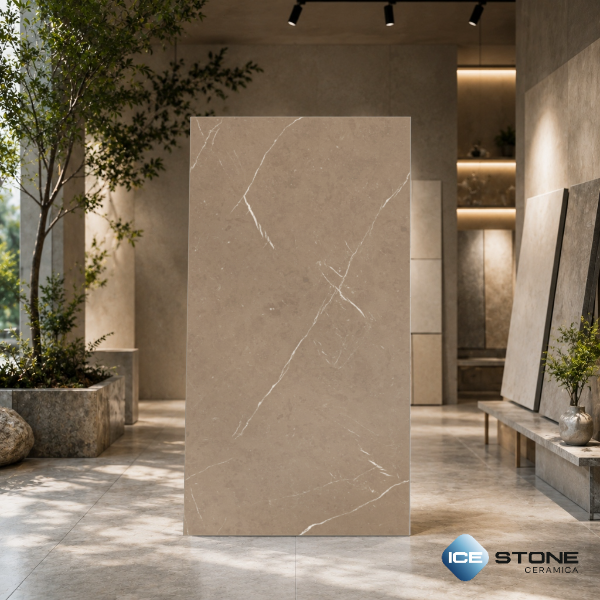
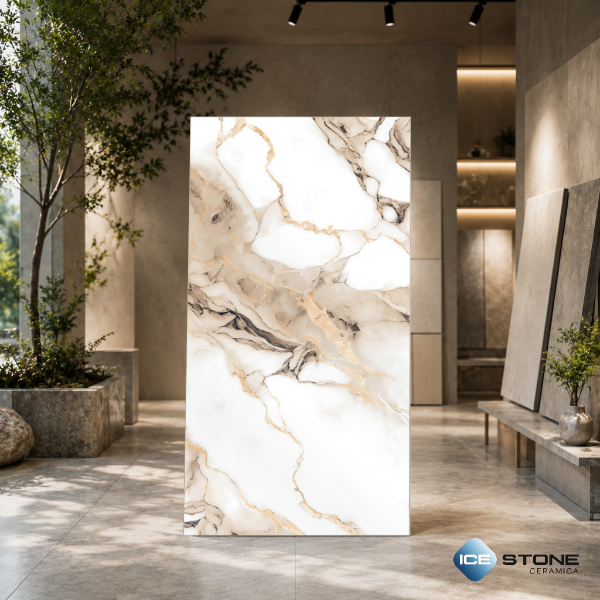
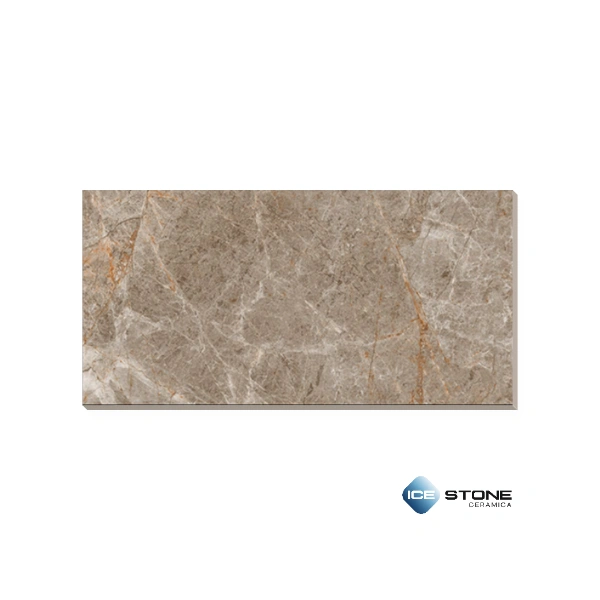
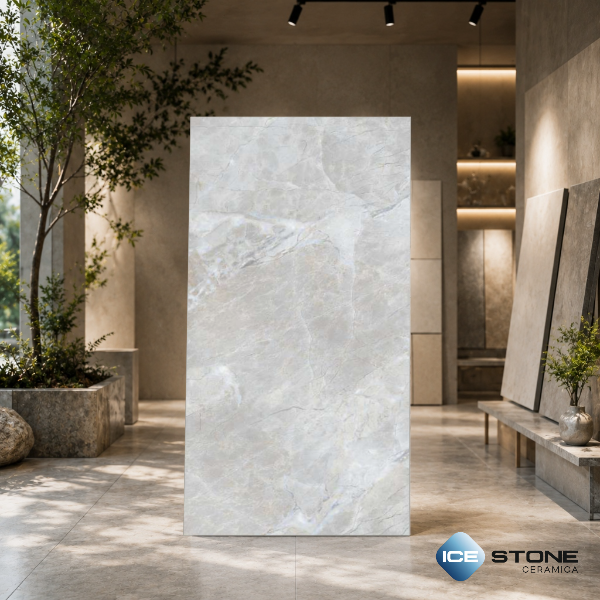
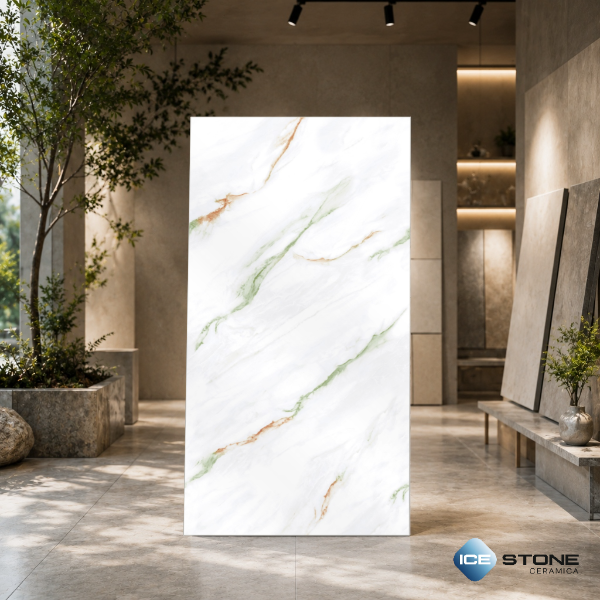
Marble tiles replicate the veining and color variation of natural marble, usually through digital printing on porcelain or vitrified bodies. They cost a fraction of real marble, require less maintenance (no sealing needed, unlike natural stone), and offer more consistent color across a large floor area.
Wooden tiles
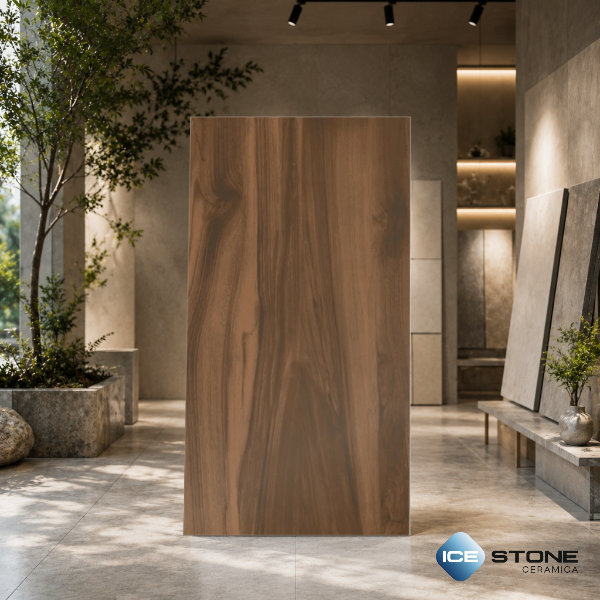
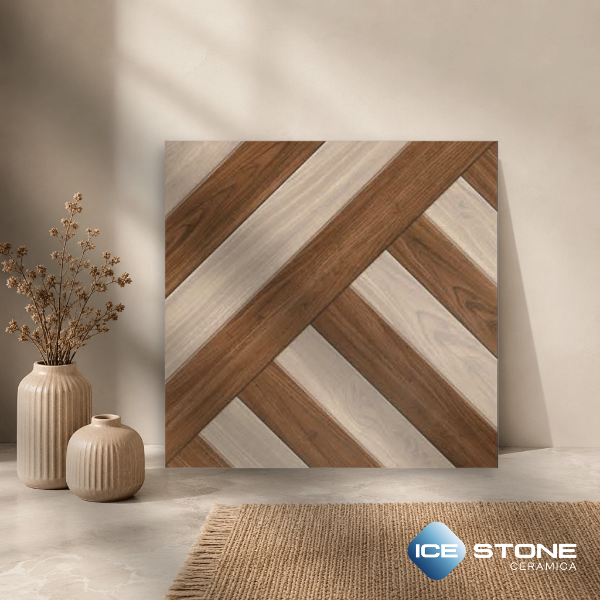
Wooden tiles replicate the grain and color of hardwood flooring while offering better water resistance and durability. Common in living rooms, bedrooms, and even bathrooms, where real wood flooring would warp from moisture.
Subway tiles
Subway tiles are rectangular tiles, traditionally 3×6 inches, laid in a brick-like offset pattern. Originally used in New York City subway stations in the early 1900s, they’ve become a standard choice for kitchen backsplashes and bathroom walls due to their clean, simple look.
Mosaic tiles
Mosaic tiles are small individual pieces, often glass, ceramic, or stone, arranged in a pattern and usually pre-mounted on a mesh sheet for easier installation. Common for accent walls, backsplashes, and shower floors, where the small size allows the tile to follow curves and drains.
Moroccan tiles
Moroccan tiles feature bold geometric or floral patterns, often in bright color combinations. They originated from North African and Andalusian design traditions. Used as accent tiles or statement floors rather than throughout an entire space, since the pattern is visually intense.
Chevron tiles
Chevron tiles create a V-shaped zigzag pattern when laid, typically using rectangular tiles cut at an angle so the ends meet in a point. Common in living rooms and entryways for a dynamic floor pattern.
Plain tiles
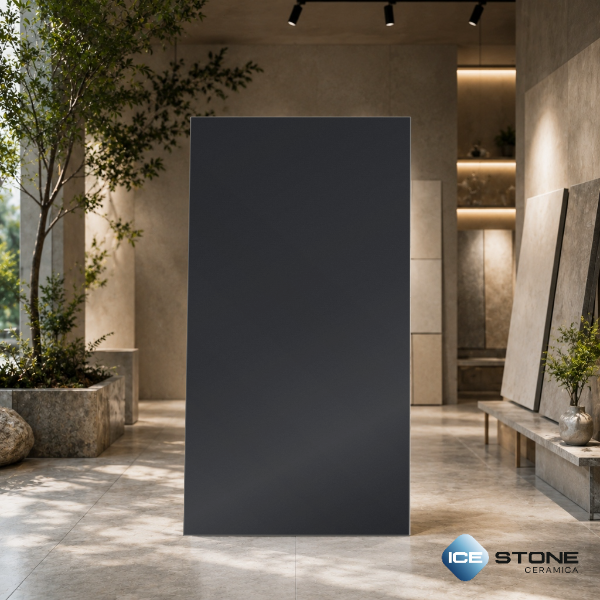
Plain tiles have a single, uniform color with no pattern. They work as a neutral base for spaces where other design elements, furniture, art, wall color, carry the visual interest.
3D tiles
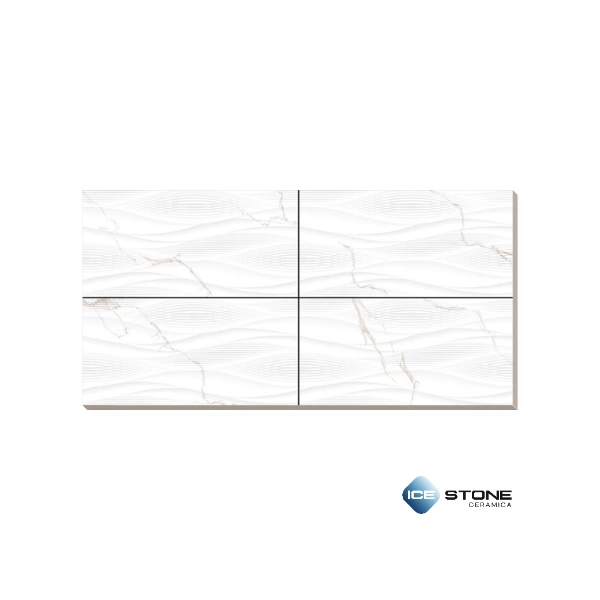
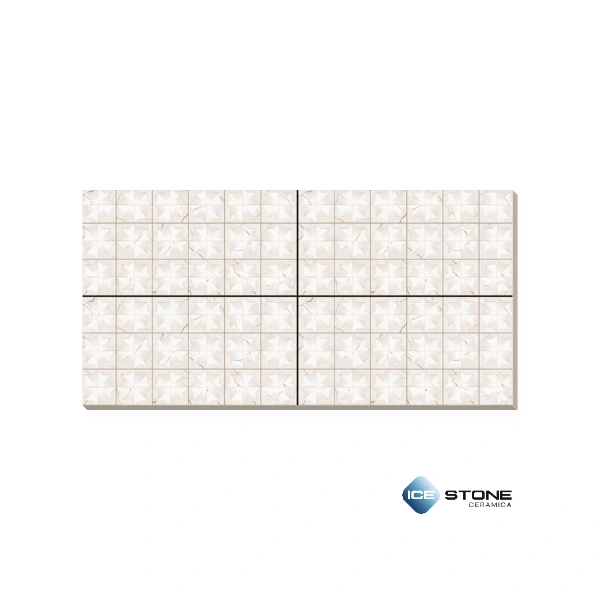
3D tiles use raised or textured surfaces to create depth and shadow play. Common on accent walls in living rooms, hotel lobbies, and commercial spaces looking for a modern, tactile look.
Pattern tiles
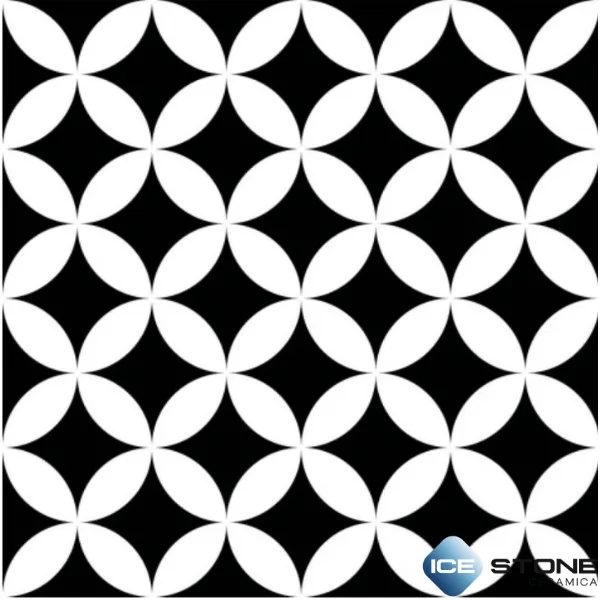
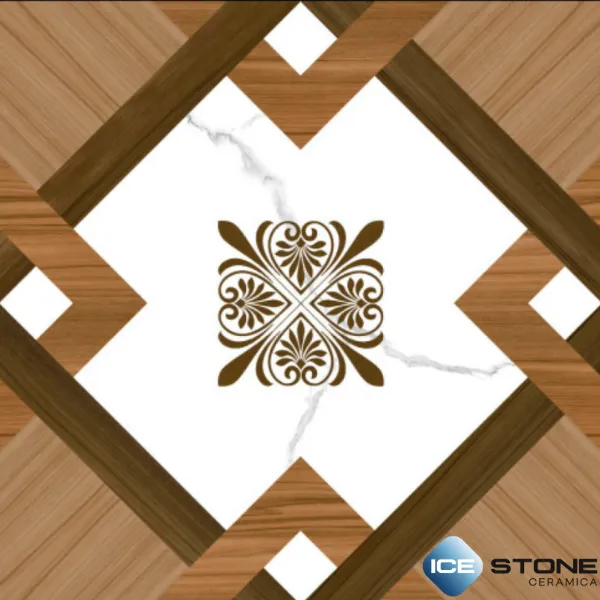
Pattern tiles cover a broad category of tiles with repeating geometric, floral, or abstract designs printed or pressed onto the surface. Popular for kitchen floors, bathroom floors, and accent walls where a bold visual statement is the goal.
Flower tiles
Flower tiles feature floral motifs, ranging from small repeating prints to large single-flower designs. Common in bathrooms, kitchens, and spaces aiming for a softer, more decorative look.
Granite tiles
Granite tiles replicate the speckled, crystalline appearance of natural granite. Like marble-look tiles, they’re usually porcelain or vitrified with a digitally printed granite pattern, offering the look without the sealing and maintenance natural granite needs.
Stone tiles
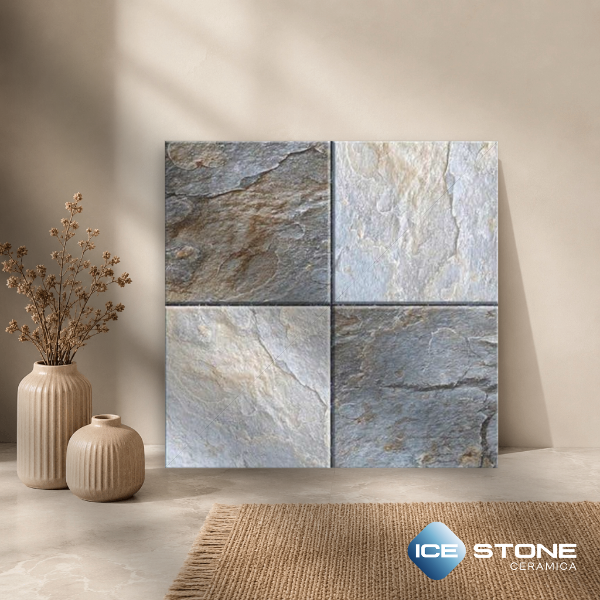
Stone tiles replicate natural stone textures like slate, travertine, or limestone. Common for outdoor spaces, accent walls, and floors where a natural, earthy look is the goal.
Texture tiles
Texture tiles have a tactile, uneven surface rather than a flat glazed finish. They add grip underfoot and visual depth, and are common in bathrooms and outdoor spaces where slip resistance matters alongside appearance.
Highlighter tiles
Highlighter tiles are decorative accent tiles used in small quantities alongside plain or neutral tiles, usually as a border, inset strip, or focal point within a larger tiled area.
Big tiles
Big tiles are large-format, generally starting around 2×4 feet and going up to slab sizes like 1200x1800mm. They minimize grout lines and create a more seamless, expansive look, especially in open floor plans.
Statuario tiles
Statuario tiles replicate a specific, prized variety of Italian marble known for its bold, dramatic veining on a bright white background. Statuario-look porcelain and vitrified tiles are popular for luxury interiors where the look of high-end marble is wanted without the cost or maintenance of the real stone.
Choosing a tile color that won’t show every mark
Color affects how a room feels and how much a floor or wall shows dirt, dust, and wear. Icestone Ceramica’s color range spans the full spectrum below.
White tiles
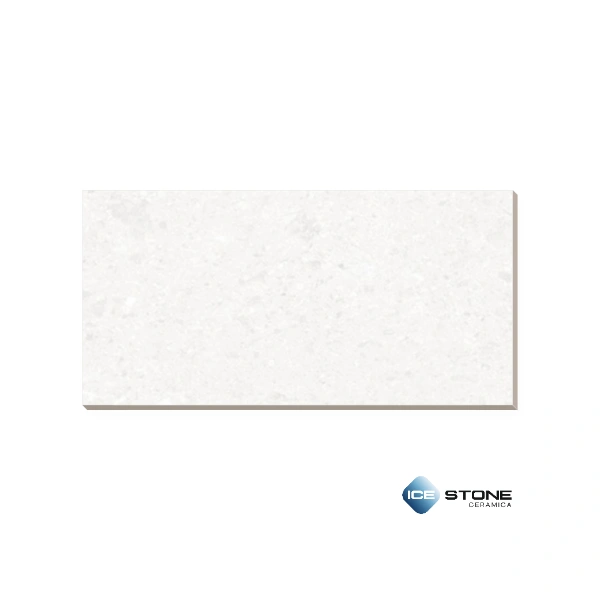
White tiles make rooms feel larger and brighter by reflecting the most light of any color. They show dirt and stains more visibly than darker colors, so they need more frequent cleaning, especially on floors.
Black tiles
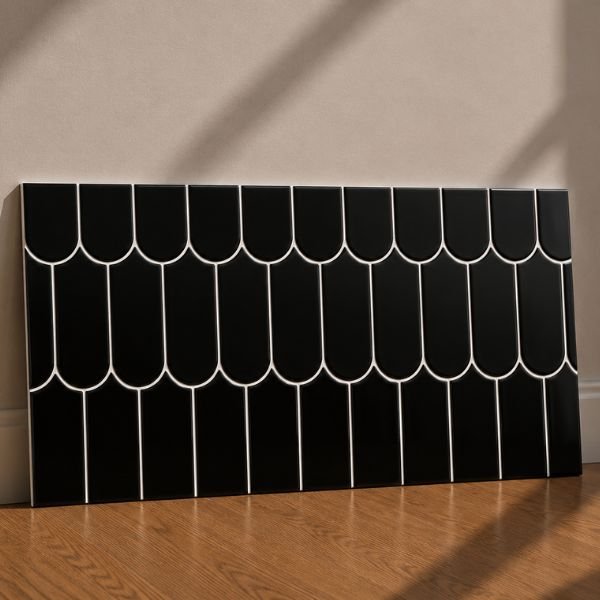
Black tiles create a bold, dramatic look and work well as accents or in spaces aiming for a modern, high-contrast style. They hide stains well but show dust and water spots more clearly than lighter shades, particularly in a glossy finish.
Grey tiles
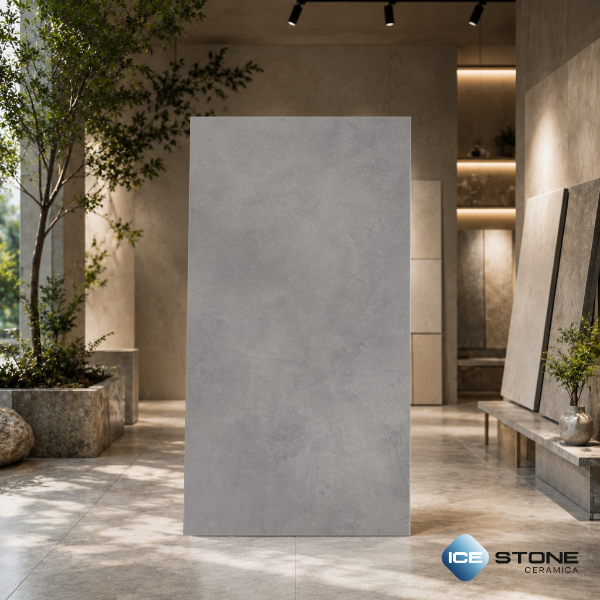
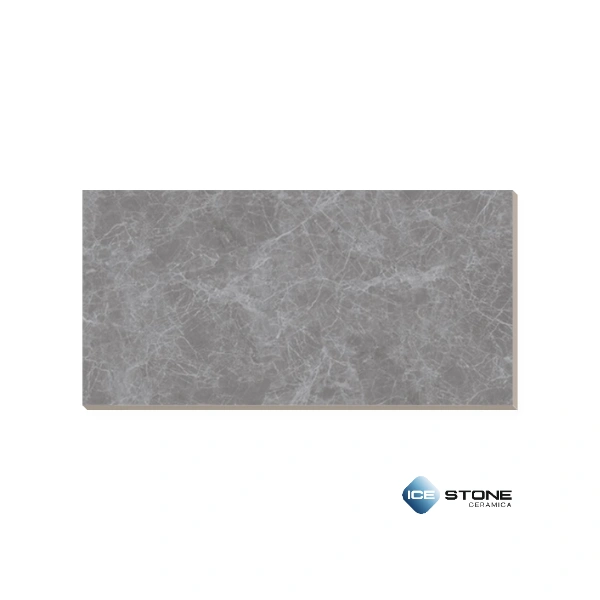
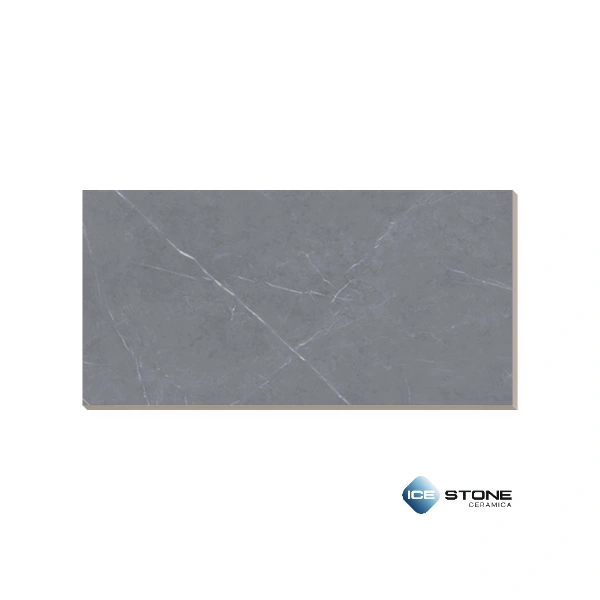
Grey tiles are one of the most versatile choices, working with almost any interior style from modern to traditional. Mid-tone greys hide dirt and wear better than pure white or pure black.
Beige tiles
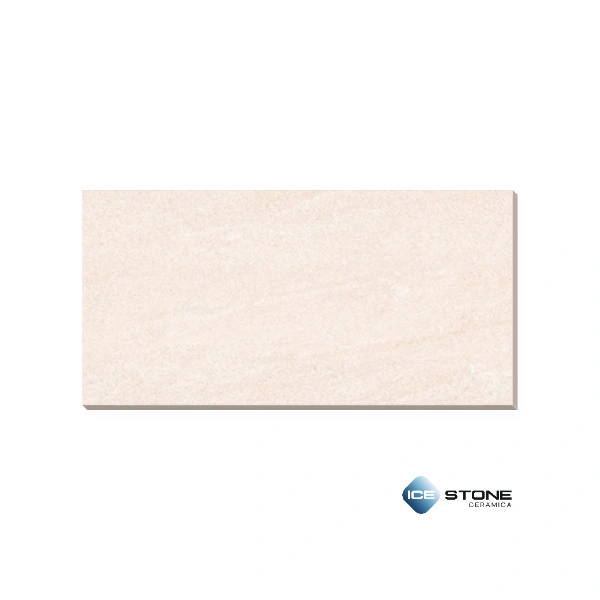
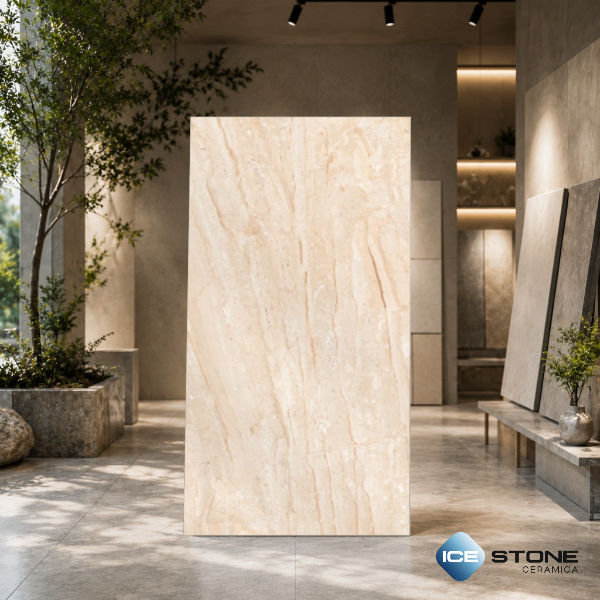
Beige tiles offer warmth without the stain-visibility issues of pure white. They pair well with wood tones and are common in living rooms and bedrooms for a soft, neutral base.
Cream tiles
Cream tiles sit close to beige but lean slightly warmer and lighter. They work well in spaces wanting a soft, airy feel without going fully white.
Ivory tiles
Ivory tiles have a warm off-white tone, often with a slight yellow undertone. Common in traditional and classic interior styles.
Brown tiles
Brown tiles bring an earthy, grounded feel to a space and hide dirt well, making them practical for high-traffic floors. Common in living rooms, kitchens, and spaces aiming for a natural, warm aesthetic.
Terracotta tiles
Terracotta tiles replicate the warm orange-brown tone of traditional fired clay tiles. Common in outdoor spaces, kitchens, and homes with a rustic or Mediterranean design direction.
Blue tiles
Blue tiles range from soft pastel shades to deep navy, and are popular for bathrooms and kitchens where a fresh, coastal, or bold accent look is the goal.
Green tiles
Green tiles bring a natural, calming tone and work well in bathrooms, kitchens, and accent walls. Shades range from soft sage to deep emerald depending on the mood wanted.
Yellow tiles
Yellow tiles add energy and warmth, often used as accents in kitchens or children’s spaces rather than across an entire large floor, since bright yellow can feel overwhelming at scale.
Orange tiles
Orange tiles create a warm, vibrant look, common in accent applications like backsplashes or feature walls rather than full-room use.
Pink tiles
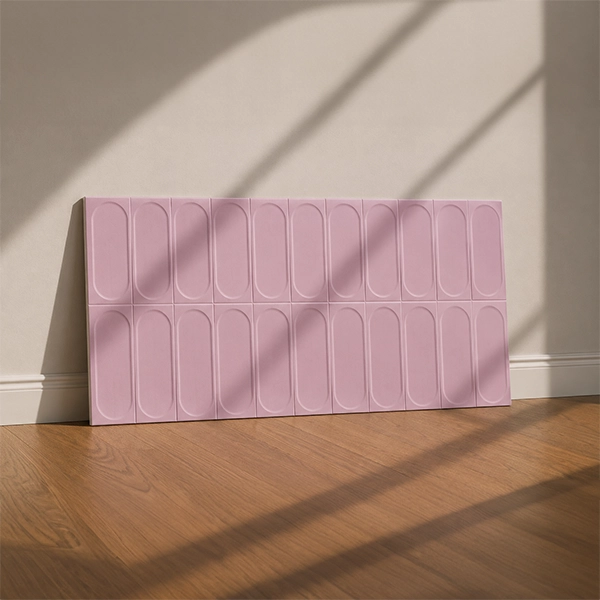
Pink tiles range from soft blush to bold fuchsia and have grown popular in bathroom design for a warm, modern look that departs from traditional white.
Purple tiles
Purple tiles are less common but used as bold accents in bathrooms or feature walls, ranging from soft lavender to deep plum.
Gold tiles
Gold tiles, often with a metallic glaze or finish, are used for luxury accents, borders, or statement walls rather than large surfaces, since the reflective, high-impact look works best in small doses.
How to keep your tiles looking new
Tile maintenance depends more on material and finish than on color or pattern.
Ceramic: wipe with a damp mop and a pH-neutral cleaner. Avoid acidic cleaners like vinegar on a regular basis, since they can wear down the glaze over years of use. Reseal grout lines every 1 to 2 years in wet areas.
Porcelain: low porosity means porcelain resists stains without sealing. A damp mop and mild detergent handle most cleaning. Textured or matte porcelain floors may need a stiffer brush in grout lines to remove trapped dirt.
Vitrified: similar to porcelain, vitrified tiles need minimal upkeep. Polished vitrified floors can lose shine over years of foot traffic and may need professional re-polishing, while matte vitrified tiles hold their look longer with basic cleaning.
Grout: grout is usually the weakest point in any tile installation. Light-colored grout shows stains faster than dark grout. Epoxy grout costs more than standard cement grout but resists staining and cracking far better, and it’s worth the extra cost in kitchens and bathrooms.
Mistakes that cost you a reinstall (and how to skip them)
Using a wall tile on a floor. Wall tiles aren’t rated for foot traffic and will crack under load, sometimes within months.
Choosing high gloss for a wet floor. Gloss finishes have lower slip resistance. A glossy bathroom or outdoor floor increases fall risk regardless of how good it looks.
Ignoring PEI rating in high-traffic spaces. A PEI 2 or 3 tile in a commercial entryway will show wear within a year or two. Match the rating to the traffic level.
Skipping water absorption checks for exterior use. In climates with heavy rain or temperature swings, a tile with high water absorption can crack over time. Outdoor and balcony tiles need low absorption ratings regardless of climate.
Underestimating grout line impact. Smaller tiles mean more grout lines, and grout lines mean more long-term cleaning. If low maintenance is a priority, larger format tiles reduce the total grout area significantly.
Buying without checking batch numbers. Tile color and shade can vary slightly between production batches. Buying all tiles for one room from the same batch avoids visible color mismatches, especially in natural stone-look tiles where variation is intentional but should be consistent.
Ordering without a proper estimate. Use the tile calculator or area calculator before you order, so you buy enough to cover cuts and future repairs without overordering.
Your 5-point checklist before you order
Before you order tiles, confirm these five things:
- Space: wall or floor, and is it a wet area?
- Material: does the water absorption rating match the exposure the tile will face?
- Size: does the tile size match the room size and your installer’s experience with large format, if applicable?
- Finish: does the finish balance the look you want with the slip resistance the space needs?
- Color and design: does the choice fit the room’s light levels and how much visible wear you’re willing to see day to day?
Getting the category right before you fall in love with a specific pattern saves time, money, and a possible reinstall down the line. A beautiful glossy tile on a bathroom floor looks great in a showroom and turns into a liability the first time someone steps out of the shower.
If you’re still deciding, talk to an Icestone Ceramica tile expert for a personal recommendation based on your space, style, and budget, or browse the full range at icestoneceramica.com/tiles.